


Minimalist living rooms aren’t about deprivation—they’re about intention. Every piece serves a purpose, every surface breathes, and every element matters. The result is a calm, functional space where you can actually think clearly and relax completely. These 15 ideas show you how to embrace simplicity without sacrificing style or comfort.
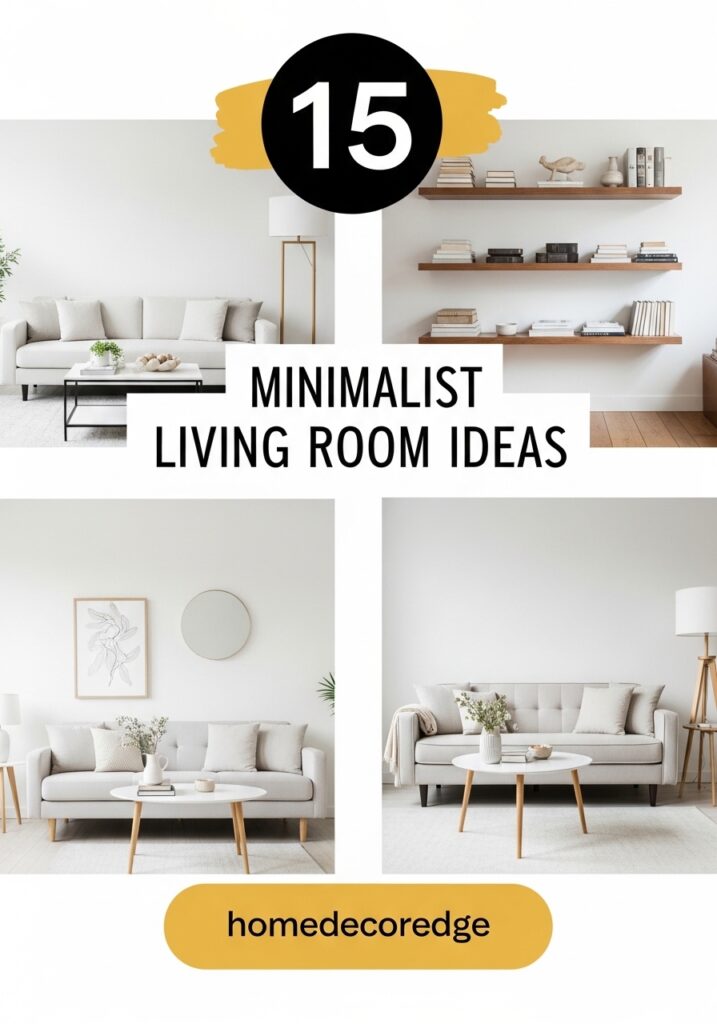
Minimalist living rooms give your mind space to breathe—proving that what you leave out matters just as much as what you keep.
Simplify your space with clean and intentional living room decor ideas that celebrate less!
1. Start with an All-White Foundation
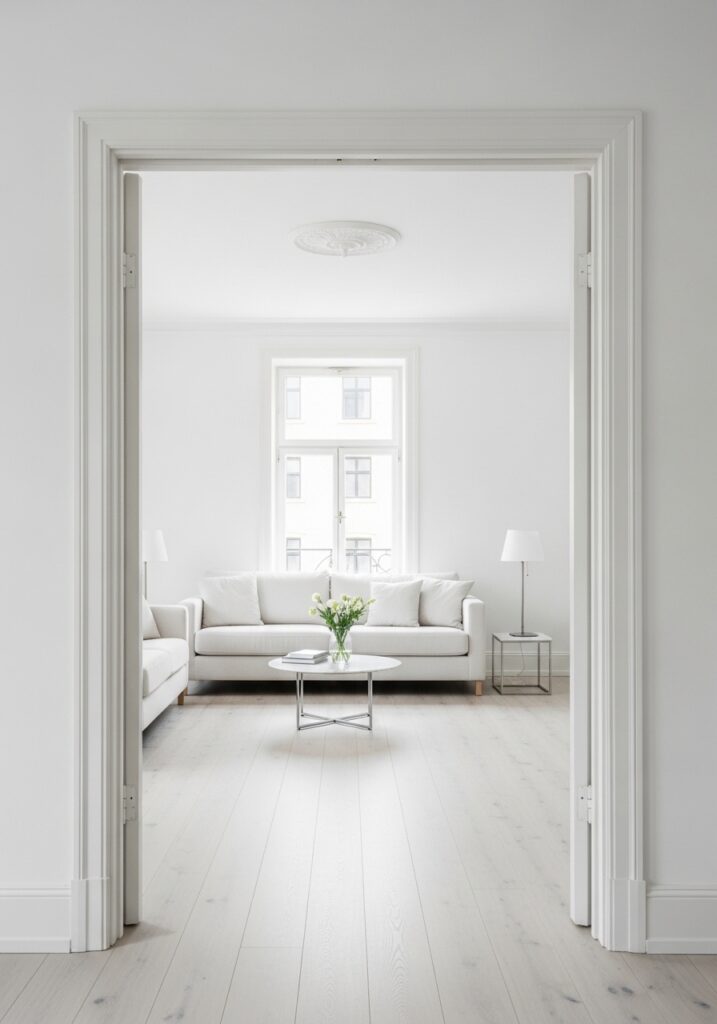
White creates the ultimate blank canvas for minimalist design. Paint walls white, choose a white or cream sofa, and keep window treatments minimal or nonexistent. This isn’t boring—it’s intentional. The monochromatic palette eliminates visual noise and lets architectural details shine. Natural light reflects off white surfaces, making spaces feel larger and airier. You can always add subtle warmth through wood tones or a single accent color. But starting with white gives you that clean, calm foundation minimalism requires. For more comprehensive minimalist strategies, explore our complete guide to living room design ideas with streamlined layouts.
2. Choose Quality Over Quantity

One beautiful sofa beats five mediocre pieces every time. Invest in fewer, better-made items with timeless design. That perfect mid-century sofa, the solid wood coffee table, the well-crafted floor lamp—these pieces should last decades. Quality furniture has better proportions, superior materials, and construction that holds up. When you buy less but buy better, you naturally achieve minimalist aesthetics. Each piece earns its place through both function and beauty. This approach is actually more economical long-term than constantly replacing cheap furniture.
3. Embrace Negative Space as Design
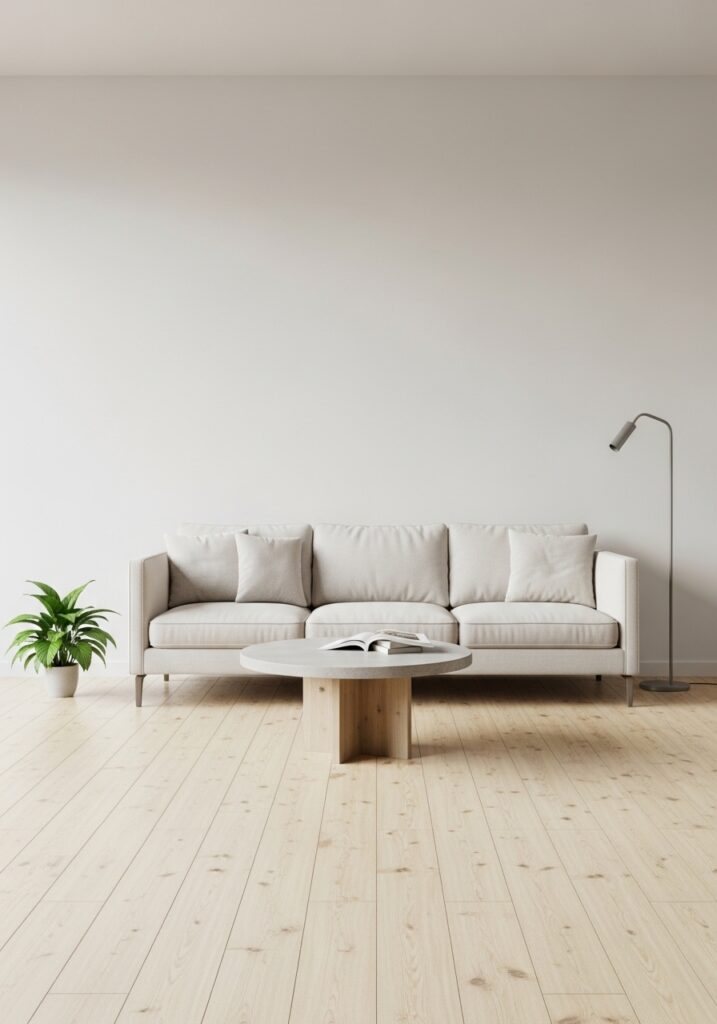
Empty space isn’t something to fill—it’s a feature. Leave walls blank, keep surfaces clear, and resist adding furniture to every corner. This breathing room makes your space feel larger and your mind feel clearer. The objects you do have stand out and get proper attention. Negative space creates visual rest that’s essential for true minimalism. It’s the pause between notes that makes music beautiful. Your room should have plenty of these visual pauses.
4. Hide All Technology and Cords

Visible technology ruins minimalist aesthetics. Mount TVs flush to walls or hide them behind sliding panels. Run all cables through walls or use cable management systems. Choose wireless speakers that blend into architecture. Store remotes and chargers in closed drawers. The goal is a space where technology works perfectly but invisibly. When screens and cords disappear, your room maintains its calm, uncluttered vibe. This takes planning during setup but pays off every day in visual peace.
5. Choose Furniture with Clean Lines

Minimalist furniture has simple, geometric forms without unnecessary ornamentation. Straight lines, right angles, and intentional proportions define the style. Avoid anything fussy, curved, or decorative. The furniture’s form follows its function perfectly. This doesn’t mean uncomfortable—plenty of minimalist pieces are incredibly comfortable. But the aesthetic is clean and unfussy. Look for low-profile pieces with slim frames and exposed legs. The simplicity is what makes these pieces timeless rather than trendy.
6. Limit Your Color Palette

Stick to three colors maximum—typically neutrals like white, gray, and black. You can add one accent color if you want, but use it sparingly. This restrained palette creates cohesion and calm. Every colorful item demands attention, so limiting colors reduces visual noise. The monochromatic approach lets texture and form take center stage. It also makes decorating decisions much simpler. When everything works within your limited palette, nothing clashes and everything flows together effortlessly.
7. Use Closed Storage Exclusively
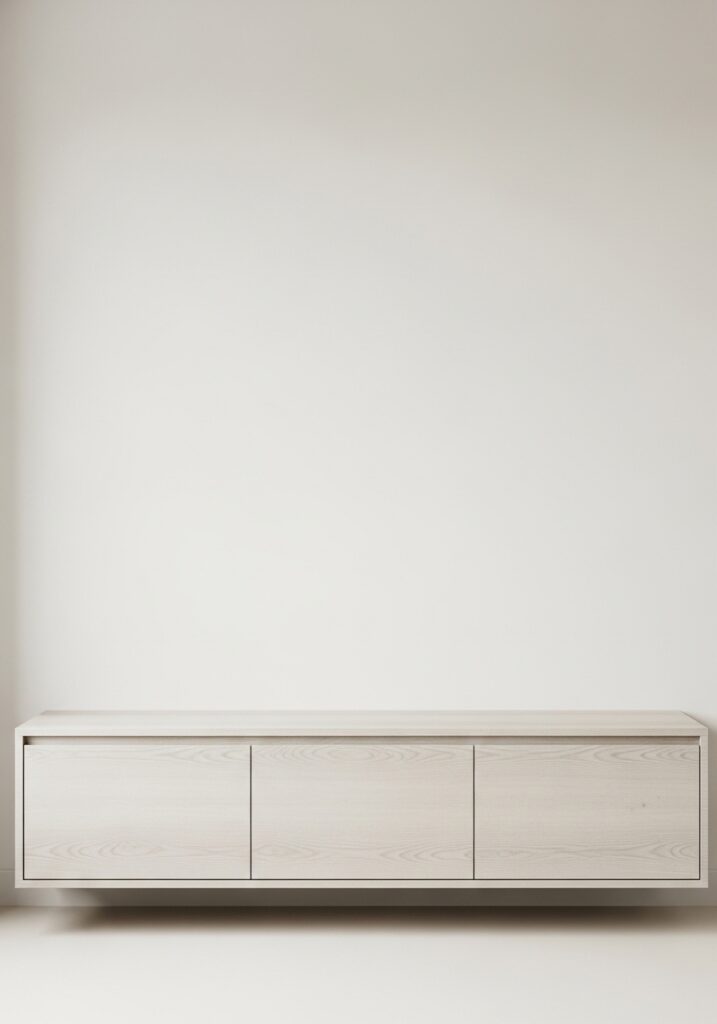
Open shelving displays your stuff—closed storage hides it. Choose media consoles with doors, cabinets with smooth fronts, and furniture with hidden compartments. Everything you need lives behind closed doors, keeping surfaces and sight lines clear. This doesn’t mean you own less, just that you store it invisibly. The result is a space that always looks tidy without constant straightening. When guests arrive, you’re not scrambling to hide clutter because it’s already hidden. Visual cleanliness becomes automatic.
8. Bring in Natural Materials

Natural materials prevent minimalism from feeling cold. Light wood, linen, wool, cotton, and stone add warmth and texture while maintaining simplicity. These organic elements have inherent beauty that doesn’t need ornamentation. A simple wood coffee table, linen sofa, and wool rug create interest through material rather than decoration. The natural variations in grain and texture provide subtle visual interest. This grounds minimalist spaces and connects them to nature. It’s the difference between stark and serene.
9. Install Recessed or Minimal Lighting
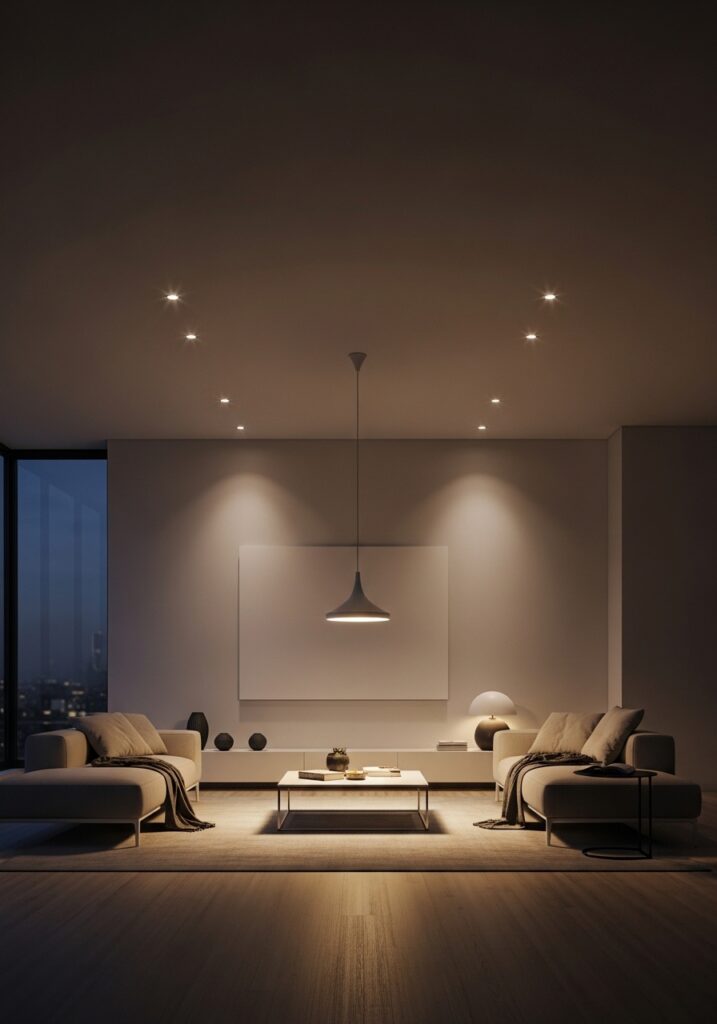
Lighting should provide function without adding visual clutter. Recessed ceiling lights disappear into the architecture. Simple pendants with clean lines serve without demanding attention. Avoid ornate chandeliers or fussy floor lamps. The lighting illuminates your space beautifully while remaining nearly invisible. This lets your furniture and architecture take center stage. Good lighting design in minimalist spaces feels effortless—you notice the quality of light, not the fixtures themselves.
10. Keep Surfaces Completely Clear
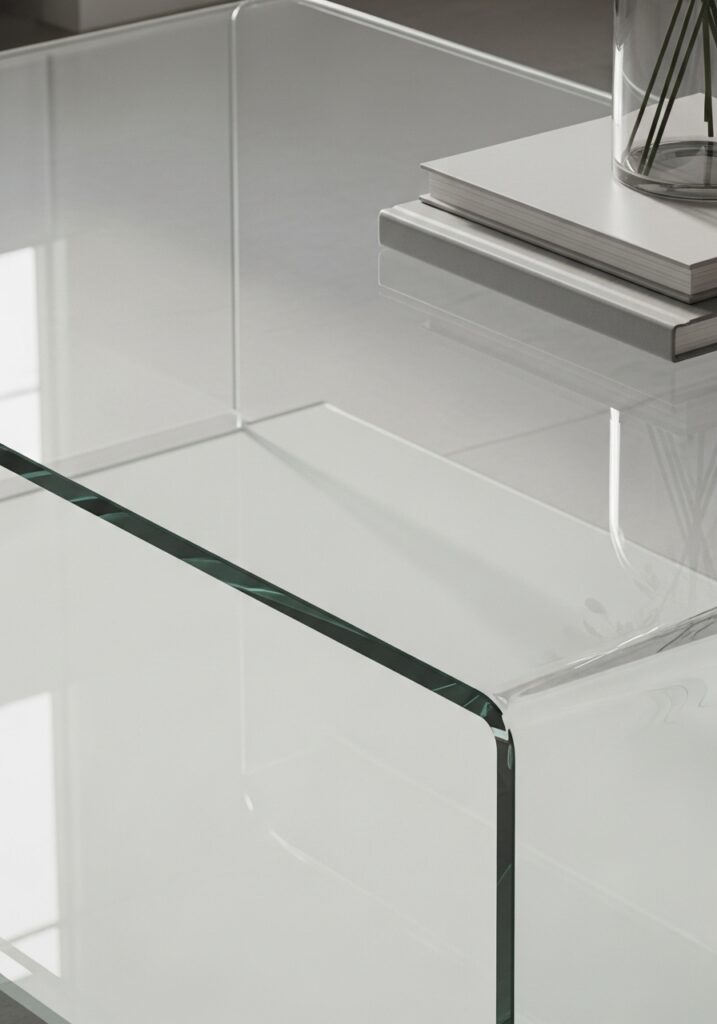
Coffee tables, side tables, and consoles should be empty. No stacks of books, decorative trays, or collected objects. This feels radical but it’s liberating. Clear surfaces create visual rest and make cleaning effortless. When you need the space, it’s immediately available. This forces you to question what you actually need versus what’s just taking up space. Start with clearing everything off, then add back only absolute essentials. You’ll probably leave it empty and love the clarity it creates.
11. Choose Multi-Functional Furniture
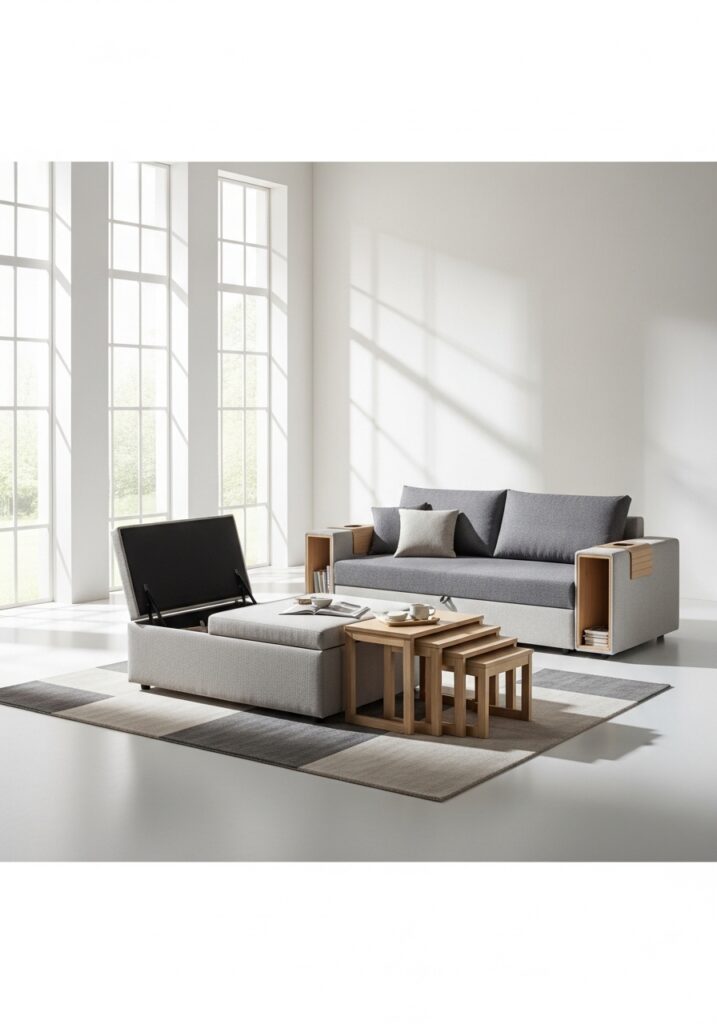
When furniture serves multiple purposes, you need fewer pieces. Storage ottomans work as coffee tables and seating. Console tables function as desks. Sofa beds accommodate guests without a dedicated guest room. This multipurpose approach is inherently minimalist—maximum function from minimum objects. Choose pieces designed specifically for dual use rather than trying to make things work. Quality multi-functional furniture looks intentional, not makeshift. For more space-maximizing furniture solutions, check out small space living room designs with clever layouts.
12. Add One Perfect Plant
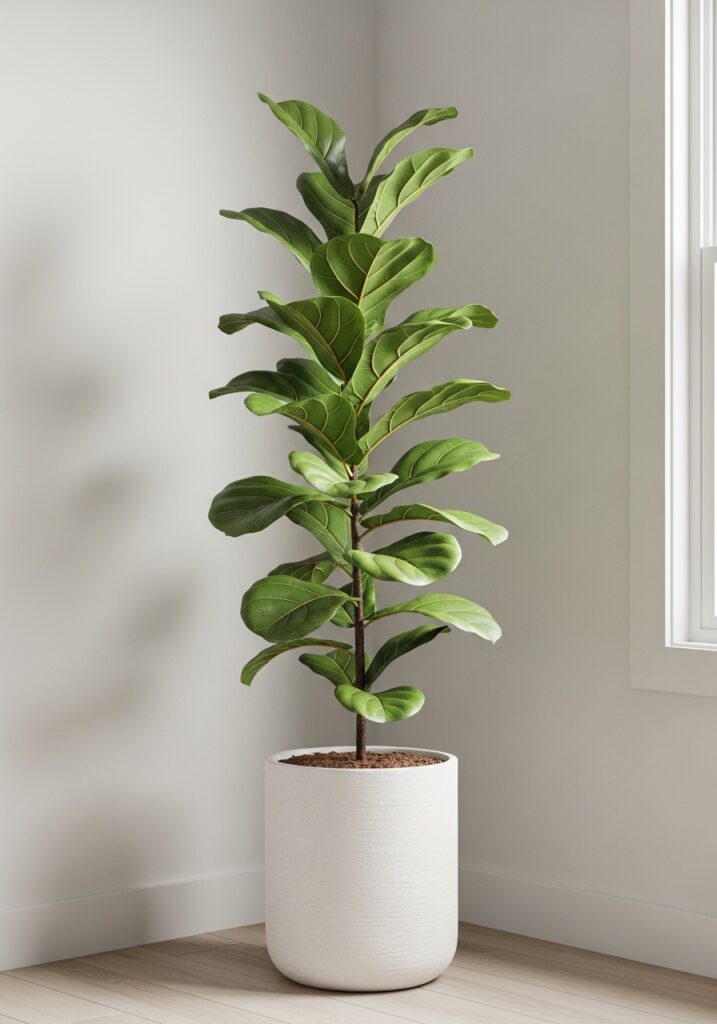
One large, healthy plant makes a bigger impact than multiple small ones. Choose a sculptural variety like a fiddle leaf fig, bird of paradise, or rubber tree. Place it in a simple white or concrete pot. This single organic element brings life without creating clutter. The plant becomes a focal point and conversation piece. It’s enough greenery to connect you to nature without overwhelming your minimalist aesthetic. Care for it well—a beautiful, thriving plant fits perfectly with minimalist values of quality and intention.
13. Use Floating Furniture When Possible

Wall-mounted furniture creates visual lightness essential to minimalism. Floating consoles, shelves, and even desks suspend off the floor, letting you see more floor space. This makes rooms feel larger and cleaning underneath easier. The horizontal lines emphasize width and create a sleek, modern look. Everything appears to float effortlessly, contributing to that calm, uncluttered feeling. Choose pieces with minimal hardware and clean mounting systems that hide mounting brackets completely.
14. Eliminate Patterns Completely
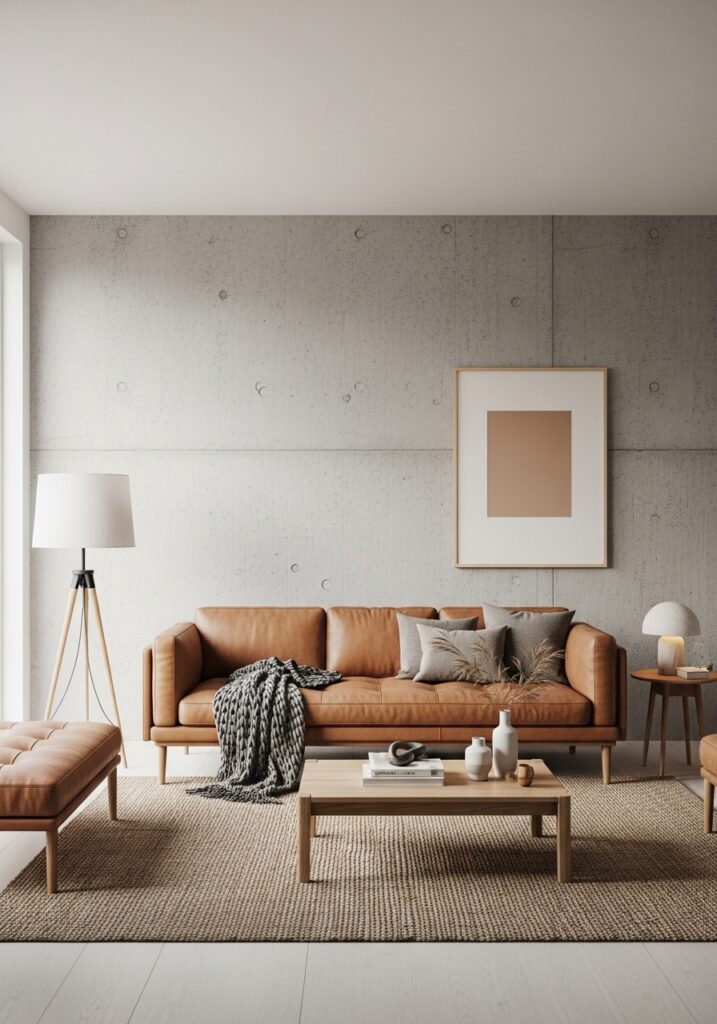
Patterns add visual complexity that minimalism avoids. Stick to solid colors on everything—sofa, rug, pillows, curtains. This creates maximum calm and cohesion. Without competing patterns, the eye travels smoothly through the space. You can still add interest through texture—a nubby linen sofa, woven rug, or matte paint all provide texture without pattern. This disciplined approach to pattern elimination is what gives minimalist spaces their signature serenity. It feels radical at first but becomes deeply satisfying.
15. Practice One In, One Out
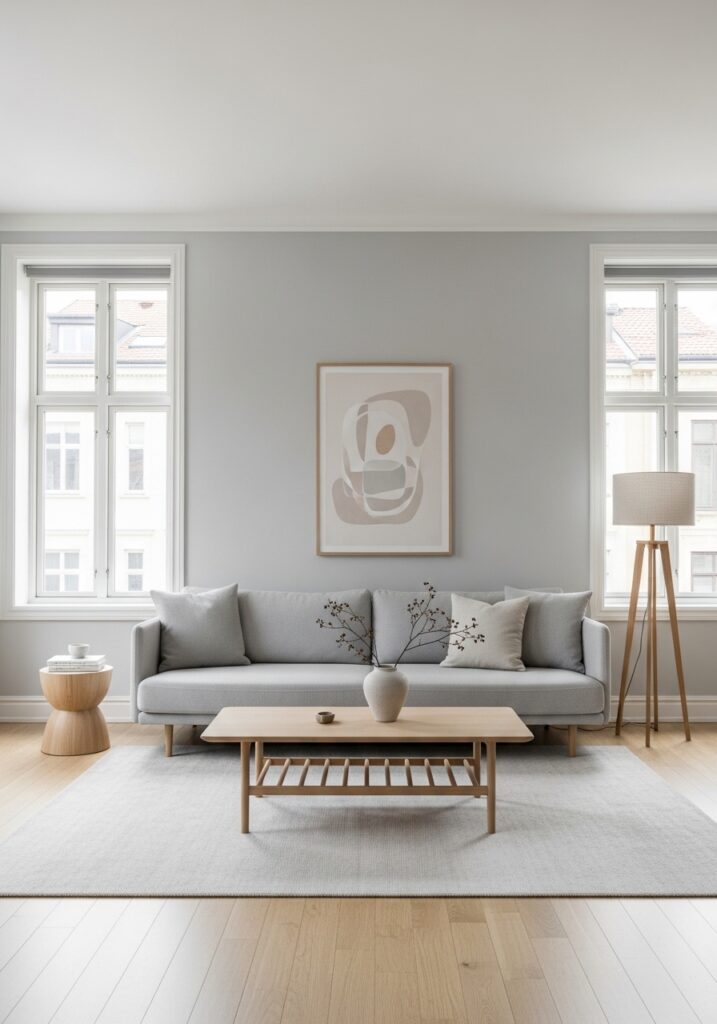
Maintaining minimalism requires discipline. Every time something new enters your living room, something else leaves. This prevents the slow accumulation that undermines minimalist spaces. It forces you to constantly evaluate what you truly need and love. That new chair means the old one goes to someone who needs it. This practice keeps your space curated and intentional rather than gradually cluttered. It’s not just about aesthetics—it’s a mindset that values space, clarity, and purpose over accumulation. Your living room stays minimal because you actively maintain it that way
Embrace Minimalist Clarity!
Minimalist living rooms offer something precious—peace. These 15 ideas show that stripping away excess reveals what really matters. You don’t need less to live with less, you just need intention. Start with the ideas that resonate most and watch your space transform into a calm, functional retreat. Discover more inspiring living room decor ideas to create your perfect minimalist sanctuary!

Amir Ali is the founder and site administrator of HomeDecorEdge, a modern home decor and interior design platform. Since starting the site, he has combined his passion for interior design, practical styling, and color coordination with hands-on content strategy and site management. He guides authors, curates high-quality articles, and ensures readers have access to actionable, visually inspiring, and user-focused home decor advice for apartments, small rooms, and family homes.