
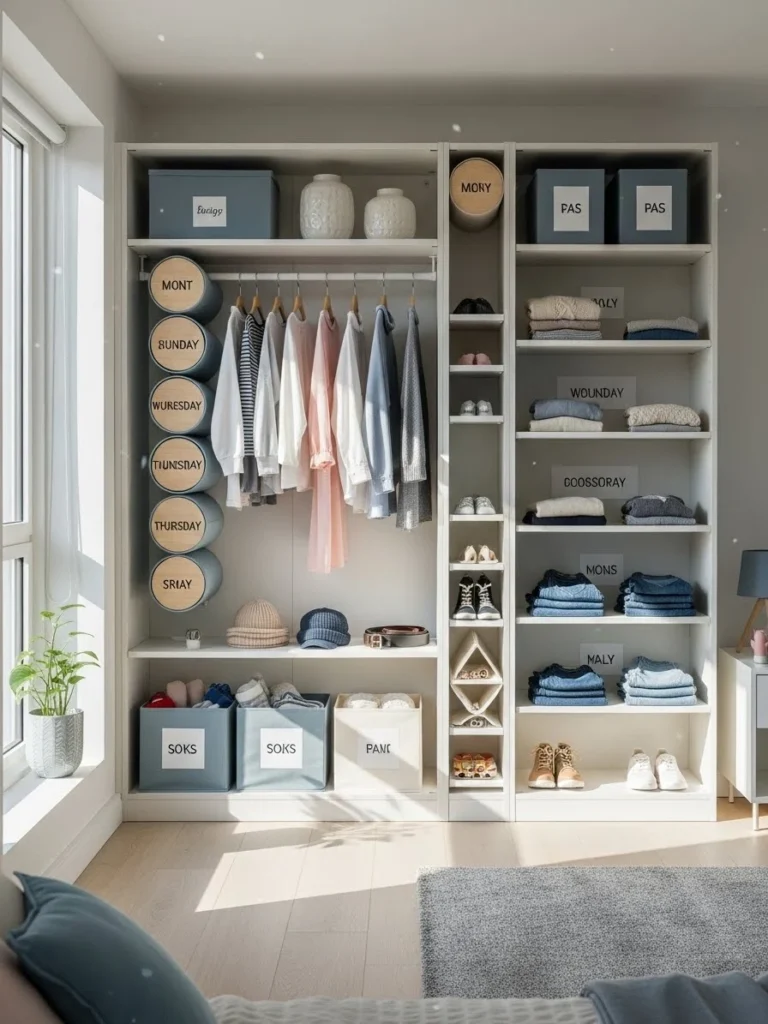

Mornings don’t have to be chaos. With smart kids wardrobe organization ideas, you can turn stressful mornings into smooth routines. Let’s create a system that works for your family and helps kids get ready independently.
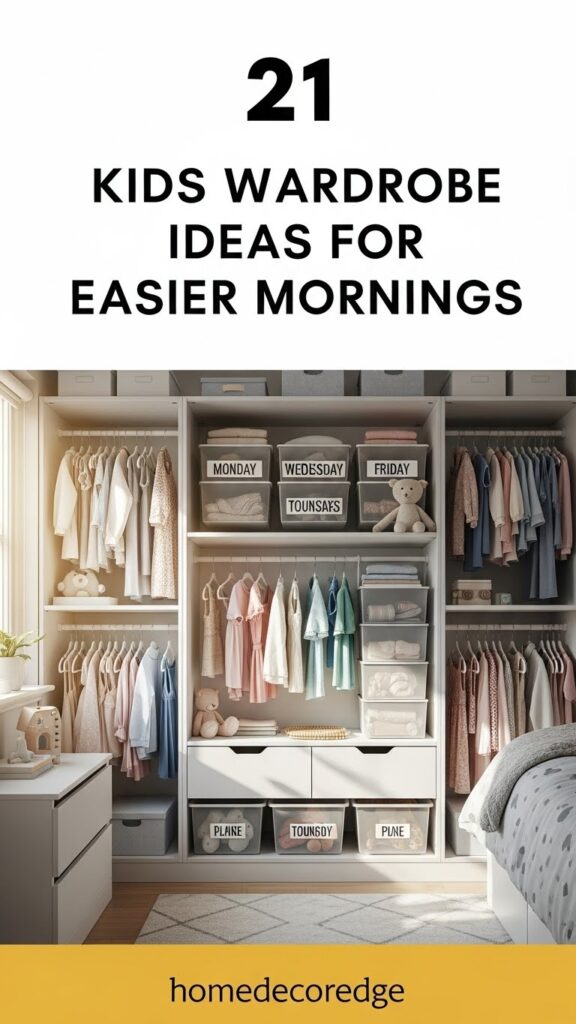
Ready to transform your mornings? Let’s dive into these game-changing organization ideas!
1. Create a Five-Day Outfit Station with Labeled Cubbies
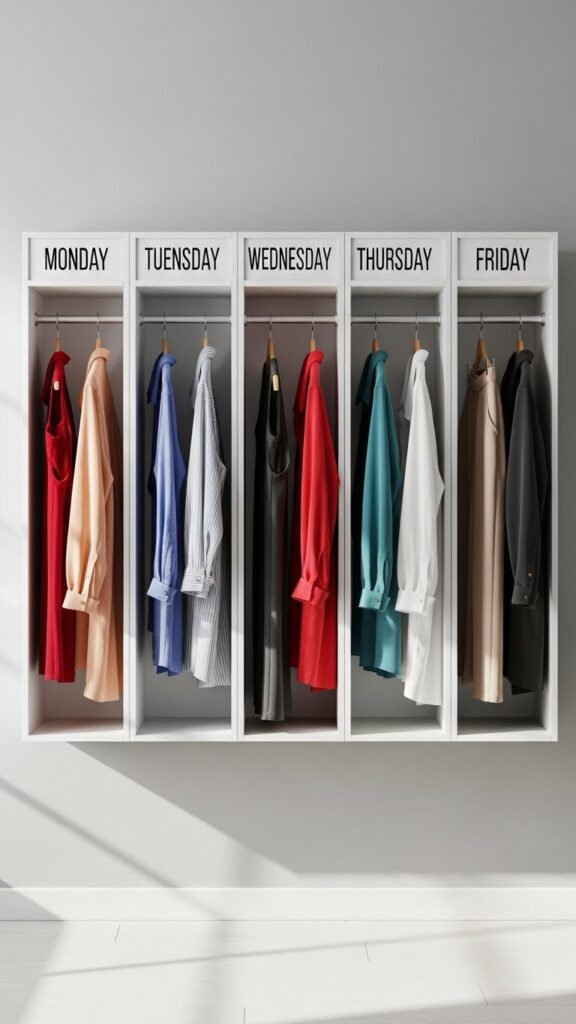
Set up five separate sections in your wardrobe, one for each school day. Each Sunday evening, pick out complete outfits including socks and accessories, then assign them to specific days. This system cuts morning decision-making down to zero and teaches kids planning skills. If your child resists, let them help choose outfits on the weekend so they feel involved. You can use hanging organizers, drawer dividers, or wall-mounted cubbies depending on your space. The visual clarity helps even young kids dress independently without asking for help. Trust me, those extra 15 minutes of sleep are worth the Sunday prep time!
2. Install a Low Double Hanging Rod for Maximum Access
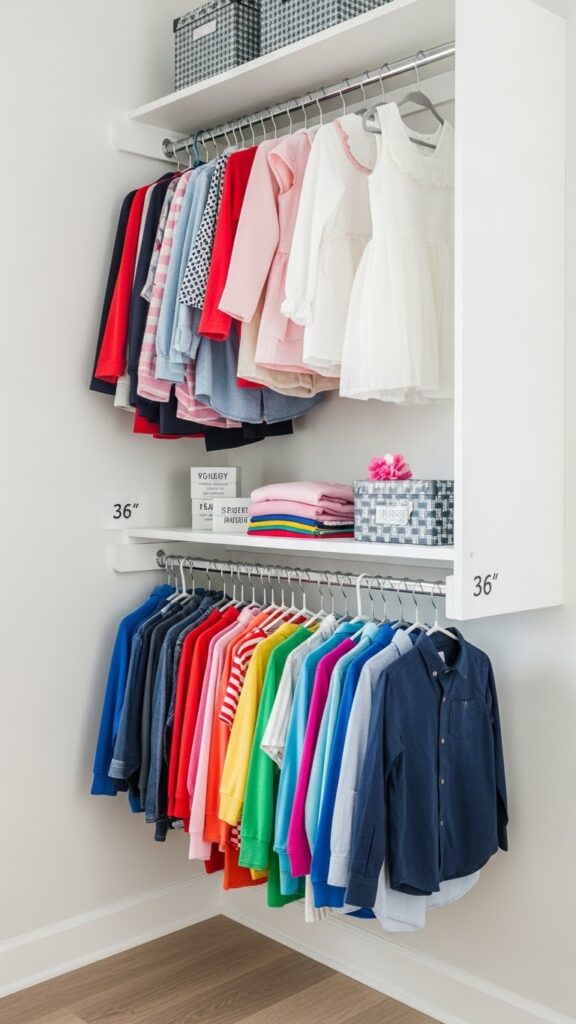
Double your hanging space by installing two rods instead of one. The lower rod sits at your child’s height for everyday clothes they need to grab quickly. The upper rod holds special occasion outfits or next-season clothes that don’t need daily access. This setup works brilliantly in standard closets without requiring expensive custom systems. Kids love being able to reach their own clothes without climbing on anything. For more space-saving strategies, check out our guide on vertical storage ideas for kids closets. Most hardware stores sell affordable double-rod kits that install in minutes!
3. Use Color-Coded Hangers for Different Clothing Types
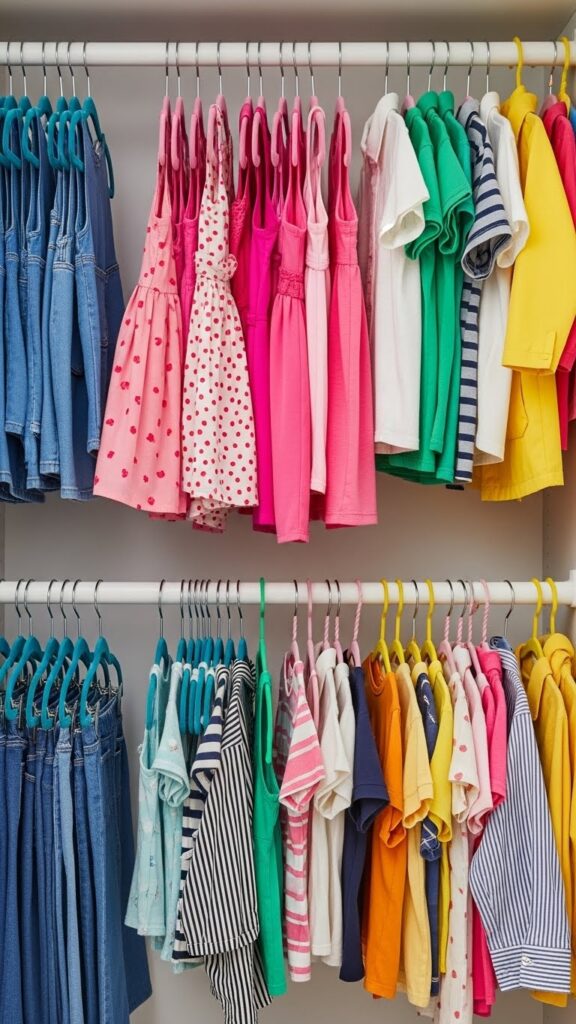
Assign each clothing type its own hanger color and watch your kids master their wardrobe. Blue hangers for pants, pink for dresses, green for everyday shirts, yellow for outerwear. This visual system helps kids return clothes to the right spot without reading labels. Even toddlers can follow color cues when they’re putting away clean laundry. If solid colors feel too strict, try patterned hangers with color accents instead. The consistency trains kids to think categorically about their clothes. Plus, velvet hangers prevent clothes from slipping off during morning rushes!
4. Add Drawer Labels with Pictures and Words

Combine pictures with words on your drawer labels so non-readers can still find everything. A sock icon next to the word “socks” works for kindergarteners and helps early readers build vocabulary. Print these on a label maker or create laminated tags that attach with adhesive velcro. This dual-coding system grows with your child from toddler years through elementary school. You’ll spend way less time answering “where are my socks” every single morning. For comprehensive organizational strategies, check out our kids closet organization ideas guide. Update photos as your child grows to keep the system relevant and engaging!
5. Install a Morning Routine Checklist Board Inside the Door
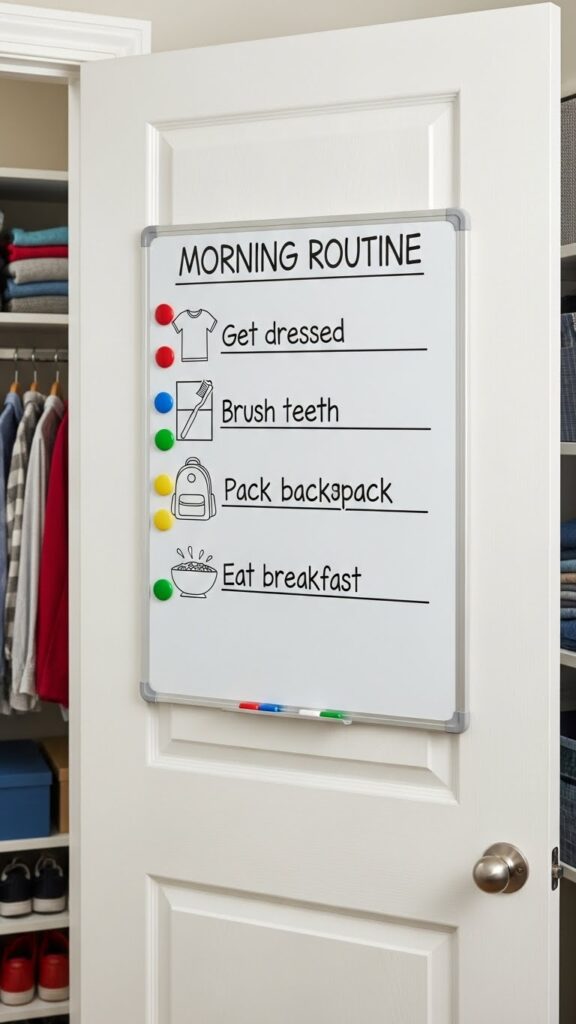
Mount a small whiteboard or checklist on the inside of your closet door where kids see it first thing. List the morning routine steps with checkboxes or movable magnets they can slide as they complete each task. This visual reminder keeps kids on track without you having to nag repeatedly. Laminated checklists with dry-erase markers work great and last for years. Kids love the satisfaction of checking off tasks, and it builds independence and time management skills. You can customize it for weekday versus weekend routines too. Who knew a simple board could save so much morning stress?
6. Create a Shoes and Accessories Command Center
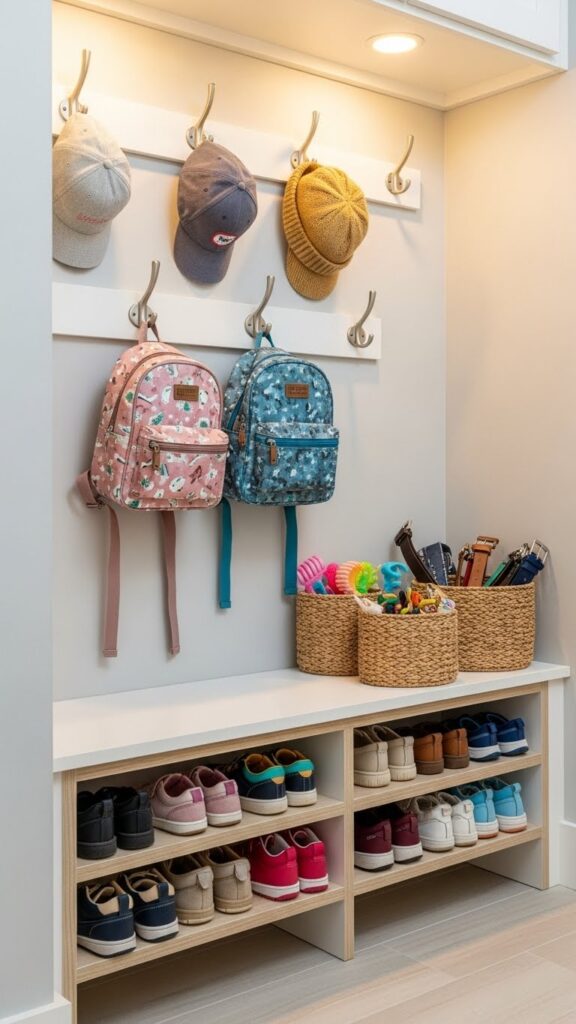
Dedicate one closet section to shoes, backpacks, and accessories at your child’s reach. A low shoe rack prevents the pile-up on the floor, while hooks above hold bags and jackets. Small baskets or bins corral hair ties, belts, and jewelry in one visible spot. This command center approach means everything needed for leaving the house lives in one place. Kids can grab what they need without tearing apart the whole room. If closet space is tight, explore small kids closet organization ideas for compact solutions. The key is keeping it simple enough that kids actually use the system!
7. Use Clear Bins for Seasonal Rotation Storage
![[Image Here] Image Prompt:File Name: .jpg Alt Text:](https://homedecoredge.com/wp-content/uploads/2026/01/clear-bins-seasonal-clothes-rotation-kids-576x1024.jpg)
Store off-season clothes in clear bins on upper shelves so you can see what’s inside. Label each bin by season or occasion, then swap them out quarterly to keep current clothes accessible. This rotation prevents overcrowding and makes mornings faster since kids aren’t digging through winter sweaters in July. Clear containers beat cardboard boxes because you can identify contents without opening anything. Stack them neatly on closet shelves or under beds if shelf space is limited. Involve kids in the seasonal swap to teach them about weather-appropriate dressing. Plus, it’s like shopping your own closet when forgotten favorites reappear each season!
8. Install Pull-Out Baskets for Pajamas and Lounge Wear
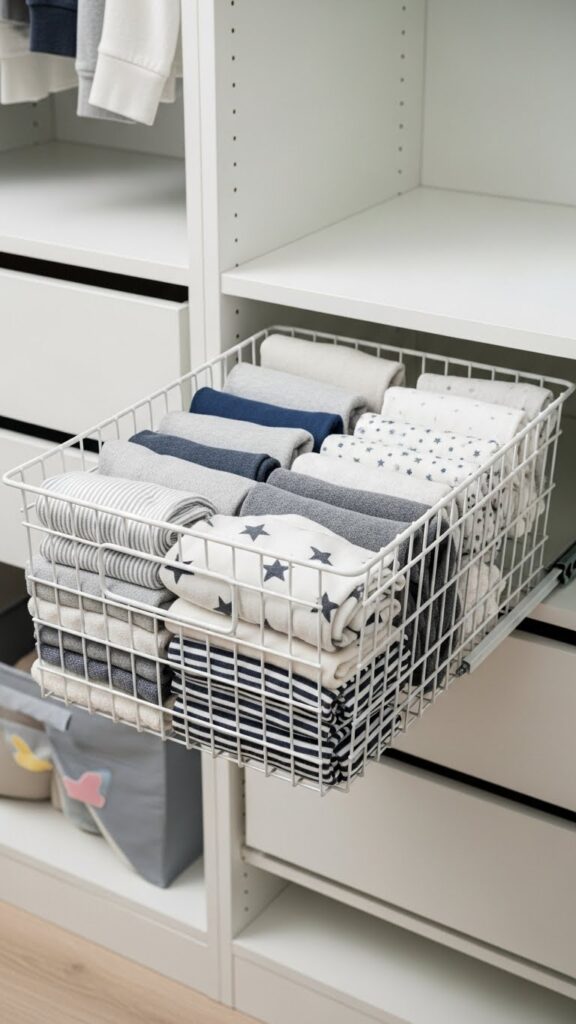
Add pull-out wire baskets for pajamas and loungewear so kids can easily grab them before bed. These baskets slide out like drawers but offer better visibility than solid drawer fronts. Group all sleep-related clothes together so the bedtime routine flows smoothly. Kids can toss PJs in the basket in the morning without perfect folding, keeping things tidy enough. If you’re working with apartment closets, check out space-saving kids closet storage ideas for compact options. Install baskets at heights your child can reach comfortably without assistance. This independence during both morning and evening routines is a total game-changer for busy parents!
9. Create a Uniform Station for School Clothes

If your child wears uniforms, dedicate one closet section exclusively to school clothes. Hang all uniform shirts together, pants together, and keep matching socks and belts in a bin below. This eliminates morning searches and helps kids lay out tomorrow’s outfit the night before. You’ll instantly spot when uniform pieces need washing or replacing. Keep a backup uniform set ready for those inevitable spill days. Non-uniform clothes live completely separately so weekday mornings stay simple and focused. This clear boundary between school and play clothes teaches kids to think ahead about their day!
10. Add a Full-Length Mirror for Independence Checks
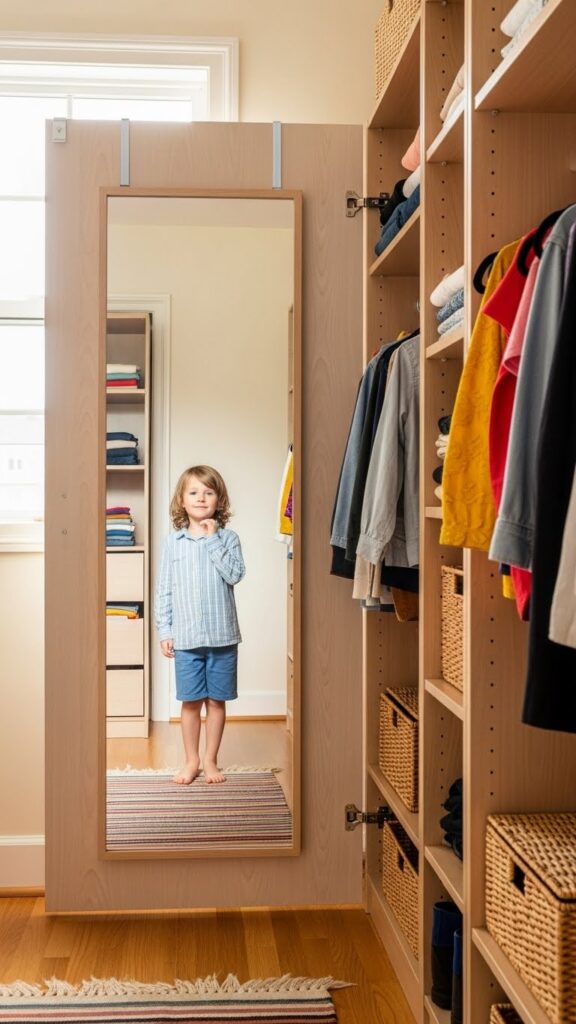
Mount a full-length mirror where kids can do a final outfit check before heading downstairs. This simple addition builds confidence and helps them catch backwards shirts or mismatched socks themselves. Kids love seeing their complete look and making adjustments independently. The mirror also encourages body awareness and self-care habits from an early age. Install it on the closet door, adjacent wall, or even inside the door if space allows. Make it a morning routine step: get dressed, check the mirror, head to breakfast. You’ll answer fewer “does this match?” questions when they can see for themselves!
11. Use Drawer Dividers for Small Items Organization
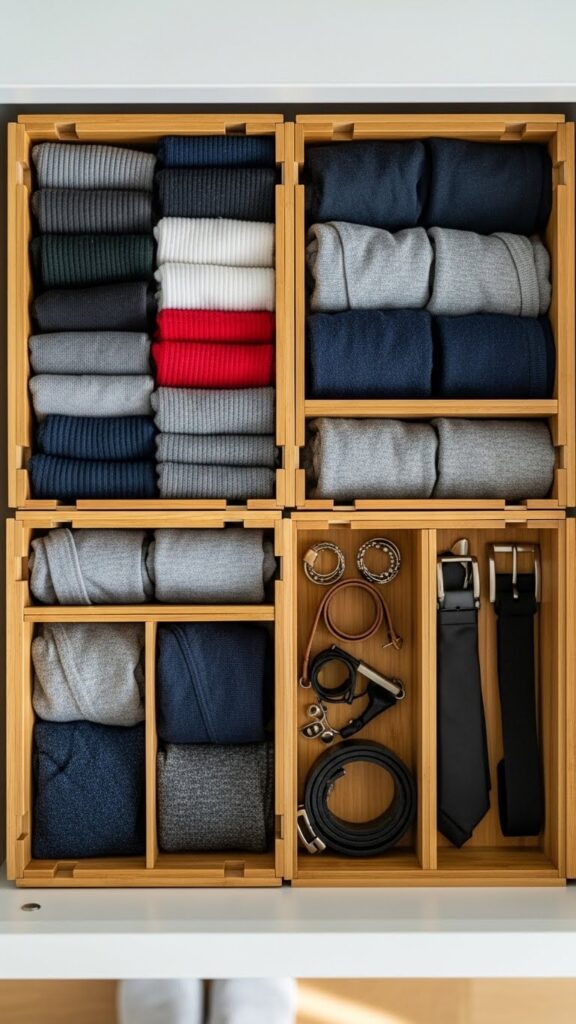
Install adjustable dividers in dresser drawers to create homes for socks, underwear, and accessories. These dividers prevent the jumbled mess that makes kids dump entire drawers searching for one item. Each category gets its own section, making morning grabbing quick and refolding easier. Bamboo or spring-loaded dividers adjust to any drawer size and move as your needs change. Kids can actually see what they have instead of wearing the same three pairs of socks repeatedly. This system works especially well in shared bedrooms where multiple kids share furniture. The visual organization helps even young kids put away laundry correctly!
12. Create a Laundry Hamper Station with Sorting Sections
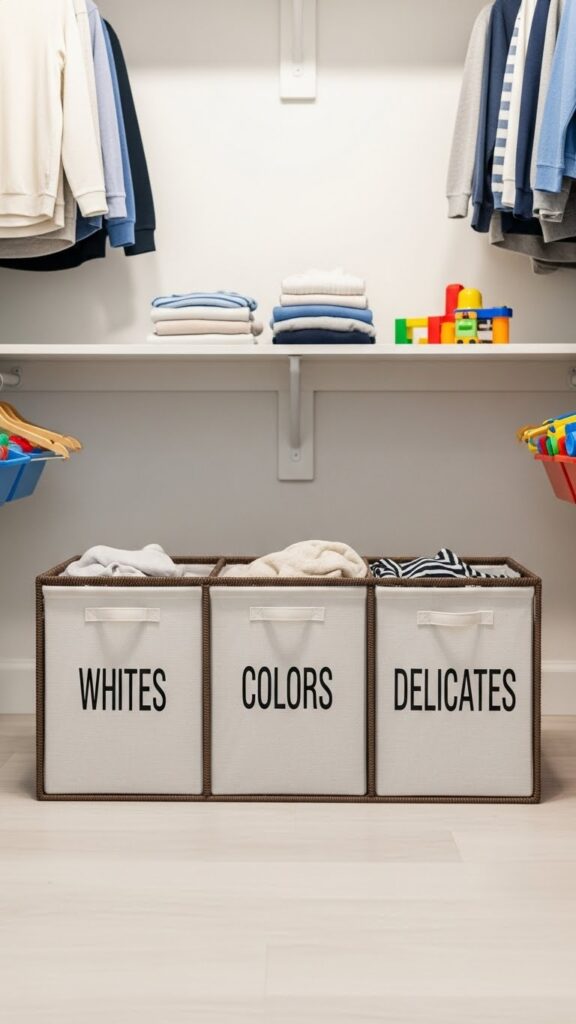
Set up a multi-section hamper so kids learn to sort laundry as they undress. One bin for lights, one for darks, maybe a third for delicates or heavily soiled items. This pre-sorting saves you time on laundry day and teaches kids responsibility. Choose hampers with labeled sections and make it part of the bedtime routine. Kids old enough to dress themselves are old enough to sort their dirty clothes. If space is tight, stackable hampers or wall-mounted bags work just as well. For more organizational inspiration, visit our kids organization ideas category. The earlier kids learn these habits, the easier your future becomes!
13. Install LED Motion-Sensor Lights for Early Risers
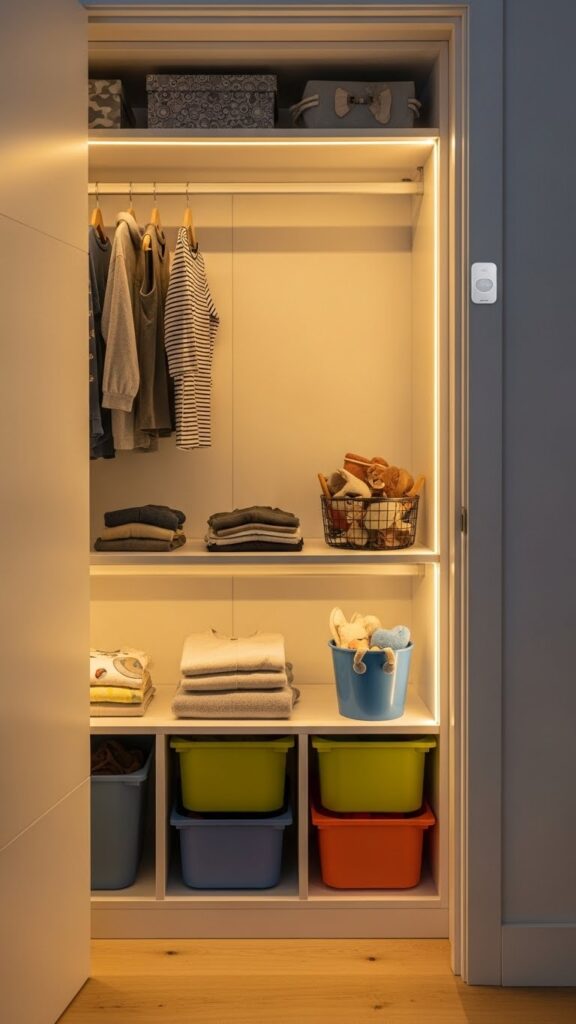
Add motion-sensor LED lights inside the closet so kids can get dressed without fumbling for switches. These battery-powered strips turn on automatically when little ones open the door, even during dark winter mornings. The automatic lighting encourages independence since kids don’t need help seeing their clothes. Choose warm white LEDs that won’t wake siblings in shared rooms. Installation takes minutes with adhesive backing, and batteries last months. This small upgrade makes early morning sports practices or school days so much smoother. Plus, the lights turn off automatically after a few minutes, saving energy and battery life!
14. Use Shelf Dividers for Folded Clothes Stacks
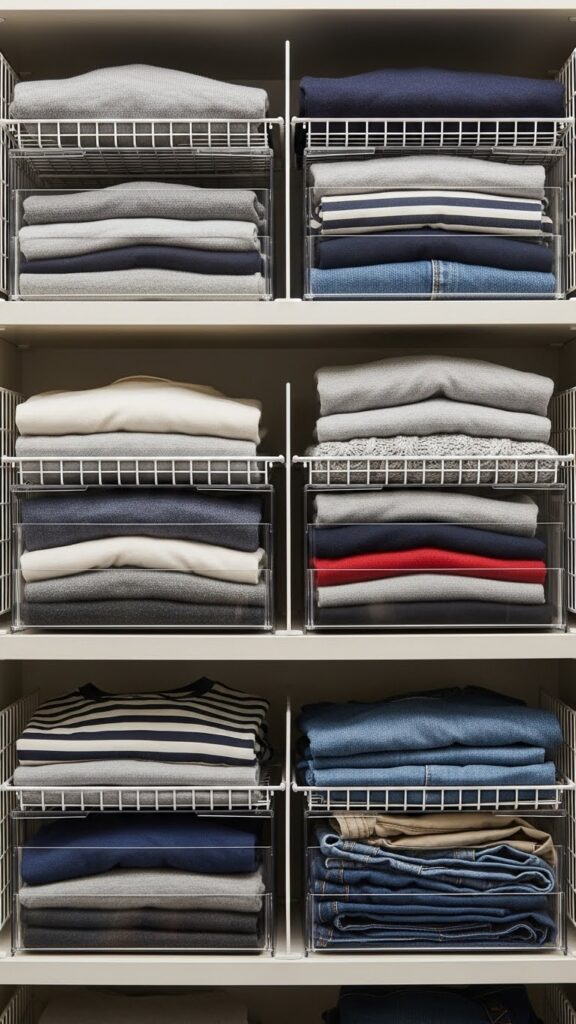
Install shelf dividers to keep stacks of folded clothes from toppling into each other. These vertical dividers create boundaries between t-shirt stacks, sweater piles, and folded pants. When kids pull one item, the divider prevents the whole stack from collapsing. This maintains organization between laundry days and looks much neater. Wire dividers work on standard shelves, while acrylic options look sleek in modern closets. You can adjust spacing as your child’s wardrobe changes seasonally. This simple fix eliminates the frustrating avalanche effect when kids grab their favorite shirt from the bottom of a stack!
15. Create a Grow-With-Me Adjustable System
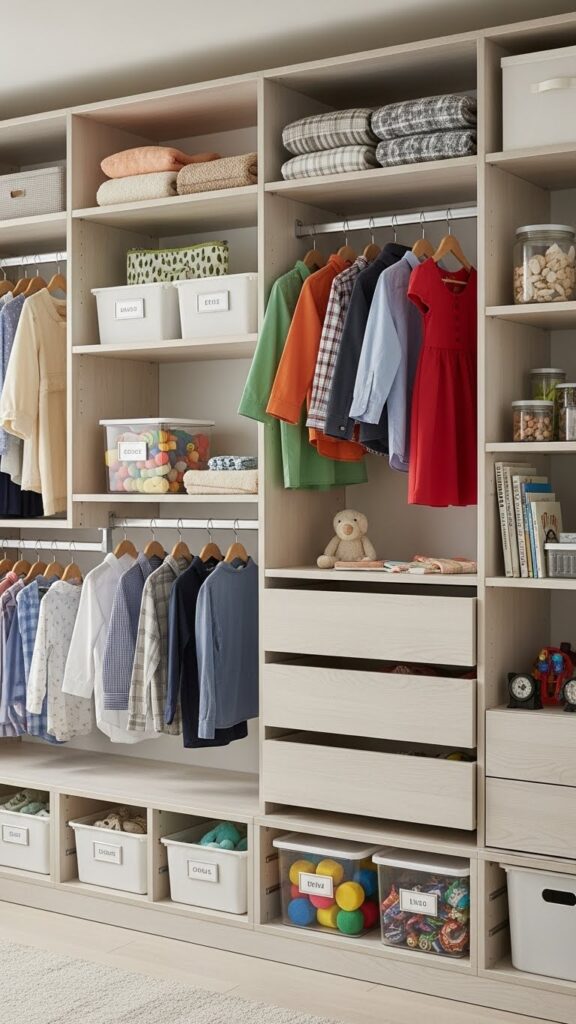
Choose adjustable closet systems that adapt as your child grows from toddler to teen. Movable hanging rods can start low for independence and rise higher as kids grow taller. Shelves on adjustable brackets accommodate changing storage needs without buying new furniture. This flexibility means you’re investing once instead of replacing systems every few years. Modular components let you reconfigure the space when needs change. The upfront cost pays off when the same system works for a 5-year-old and a 15-year-old. Look for quality systems with good reviews that genuinely last through multiple life stages!
16. Add a Donation Bin for Outgrown Clothes

Keep a designated donation bin in the closet so outgrown items don’t clutter current clothes. When pants get too short or shirts get tight, kids can toss them directly in this bin. This ongoing system beats the overwhelming closet purge twice a year. Teaching kids to regularly evaluate what fits builds decision-making skills and generosity. Empty the bin quarterly to donation centers, keeping the closet current and manageable. Label it clearly so kids know exactly what it’s for. This habit also helps with organizing supplies and belongings across their entire room. Plus, you’ll always have donation items ready when the charity truck comes around!
17. Install Hooks for Tomorrow’s Outfit Prep
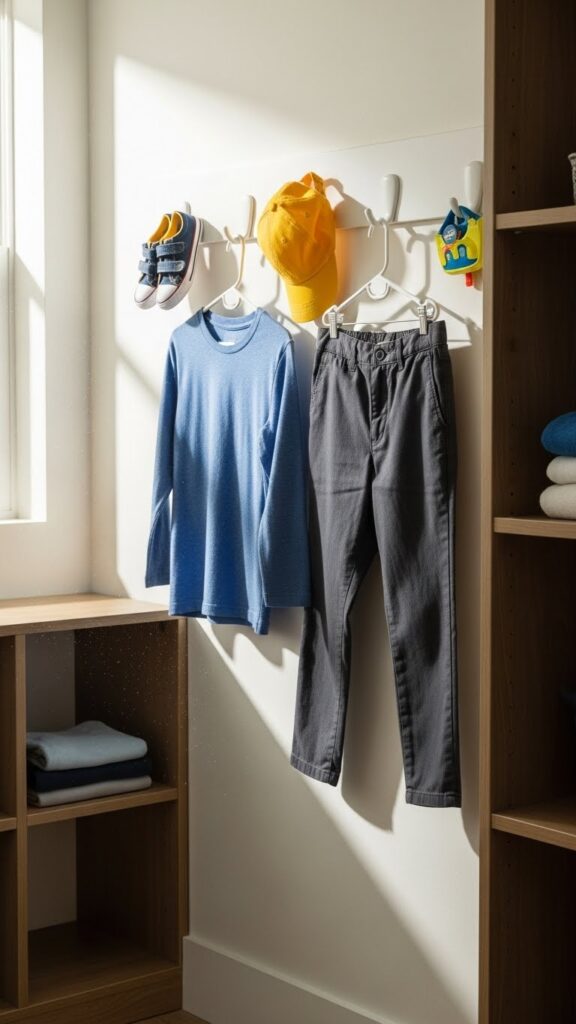
Mount hooks at kid height for hanging tomorrow’s complete outfit the night before. This prep-ahead strategy makes mornings exponentially smoother when everyone’s rushing. Kids can independently grab their pre-selected outfit without decisions or searching. Include a small basket below the hooks for underwear, socks, and accessories. Make laying out tomorrow’s clothes part of the bedtime routine, maybe right after bath time. Even young kids can participate in choosing and hanging their outfit. This reduces morning resistance because they already agreed to the outfit choice. It’s amazing how this one habit can transform your entire morning flow!
18. Use Packing Cubes for Sports and Activity Gear

Store activity-specific outfits in labeled packing cubes to streamline after-school transitions. One cube for soccer practice gear, another for dance class, one for swim lessons. Kids grab the whole cube on activity days without searching for scattered pieces. This system works brilliantly when multiple kids have overlapping activities. The cubes keep shin guards with soccer clothes and goggles with swimsuits where they belong. You can prep cubes after laundry day so everything’s ready when needed. This organization trick saves those frantic 5-minutes-before-we-leave searches that make everyone late!
19. Create Height-Marked Growth Chart Storage Sections
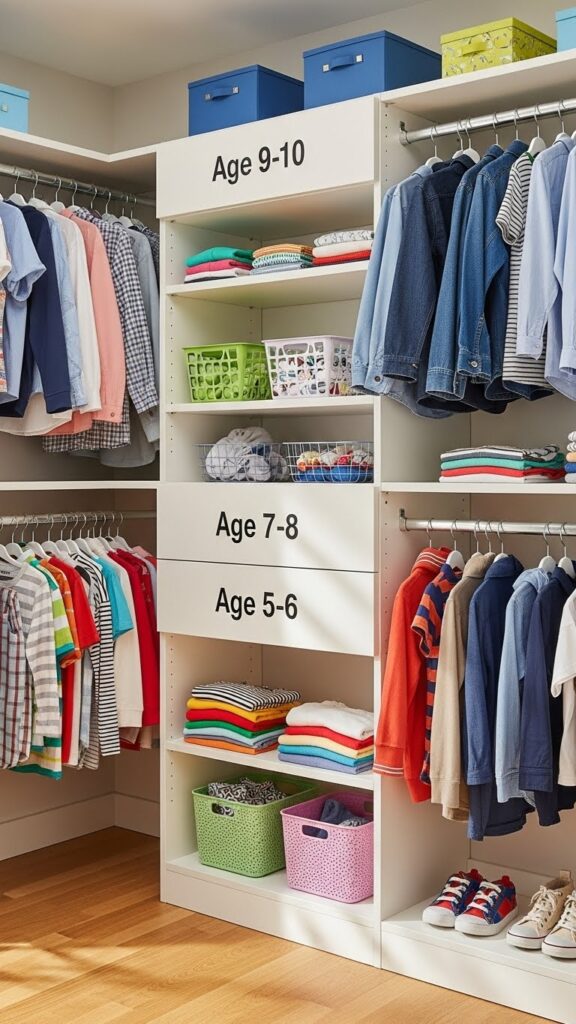
Organize clothes by size/age rather than type, creating zones for current, next-size-up, and hand-me-downs. Mark shelves or sections with age ranges so you know exactly where each size category lives. This makes seasonal rotations easier and helps you spot when it’s time to shop for larger sizes. When relatives ask what size your child wears, you can answer confidently. The visual organization also prevents accidentally donating clothes your child hasn’t grown into yet. This system shines for families with multiple kids where hand-me-downs move between siblings. You’ll save money and reduce waste by maximizing what you already own!
20. Install a Charging Station for Morning Electronics
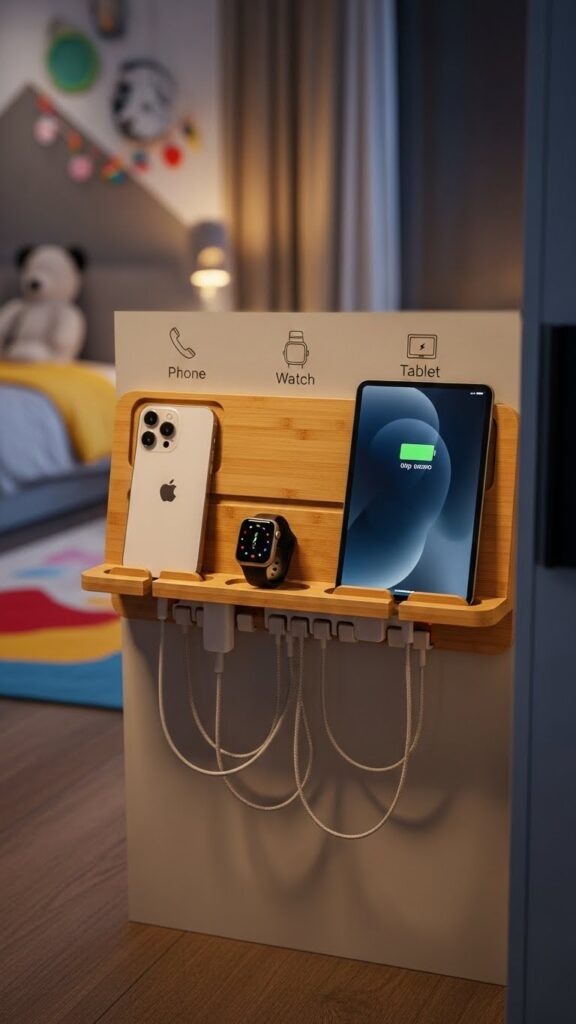
Set up a charging station near the closet where phones, tablets, and smartwatches charge overnight. In the morning, kids grab fully charged devices as part of getting ready. This dedicated spot prevents the “where’s my phone?” panic that derails morning routines. Use a small shelf or drawer with cable organizers to keep cords tidy. Make plugging in devices part of the bedtime routine, just like laying out clothes. Older kids especially benefit from this tech-integrated approach to morning prep. For more complete organizational strategies, explore our main kids closet organization ideas guide. Everything needed for school lives in one organized zone!
21. Add a Timer Display for Morning Routine Gamification
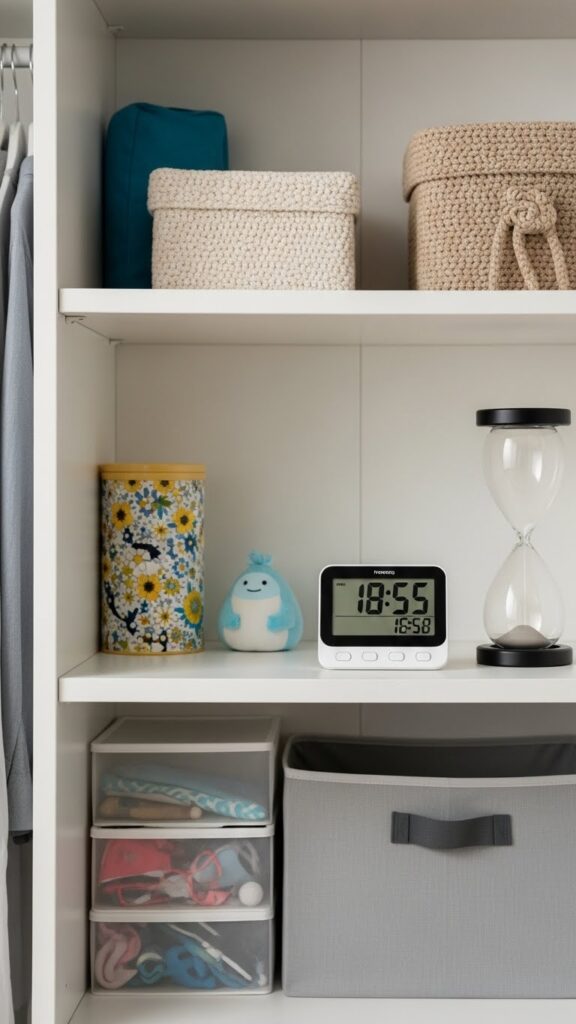
Place a timer where kids can see it to gamify the morning routine. Challenge them to beat yesterday’s time or earn rewards for getting ready before the timer dings. This turns routine into a fun game rather than a chore you’re nagging about. Visual timers with color zones work especially well for younger kids who can’t tell time yet. Set realistic time goals that reduce stress rather than create it. Kids develop time awareness and learn to pace themselves without constant prompting. You can adjust the challenge as they get faster and more independent. Who knew a simple timer could make mornings feel less like a battlefield?
Transform Your Mornings with Kids Wardrobe Organization Ideas
These kids wardrobe organization ideas turn chaotic mornings into smooth routines that work for your whole family. Start with one or two systems that address your biggest pain points, then build from there. You don’t need to implement everything at once to see results.
The key is creating systems your kids can actually use independently. When clothes have clear homes and routines are visual, even young children can participate in getting themselves ready. This builds confidence and life skills while giving you back precious morning time.
Ready to reclaim your mornings? Pick your favorite idea and set it up this weekend. Your future self will thank you every single morning when everyone gets out the door on time, dressed, and stress-free!

Amir Ali is the founder and site administrator of HomeDecorEdge, a modern home decor and interior design platform. Since starting the site, he has combined his passion for interior design, practical styling, and color coordination with hands-on content strategy and site management. He guides authors, curates high-quality articles, and ensures readers have access to actionable, visually inspiring, and user-focused home decor advice for apartments, small rooms, and family homes.