

For years my garden was a collection of plants I liked at the nursery, dotted around wherever there was space. Everything grew, but nothing looked like it belonged together.
Garden design is what fixes that. It is not about strict rules or a big budget. It is about choosing a style, giving the space some structure and planting with a plan.
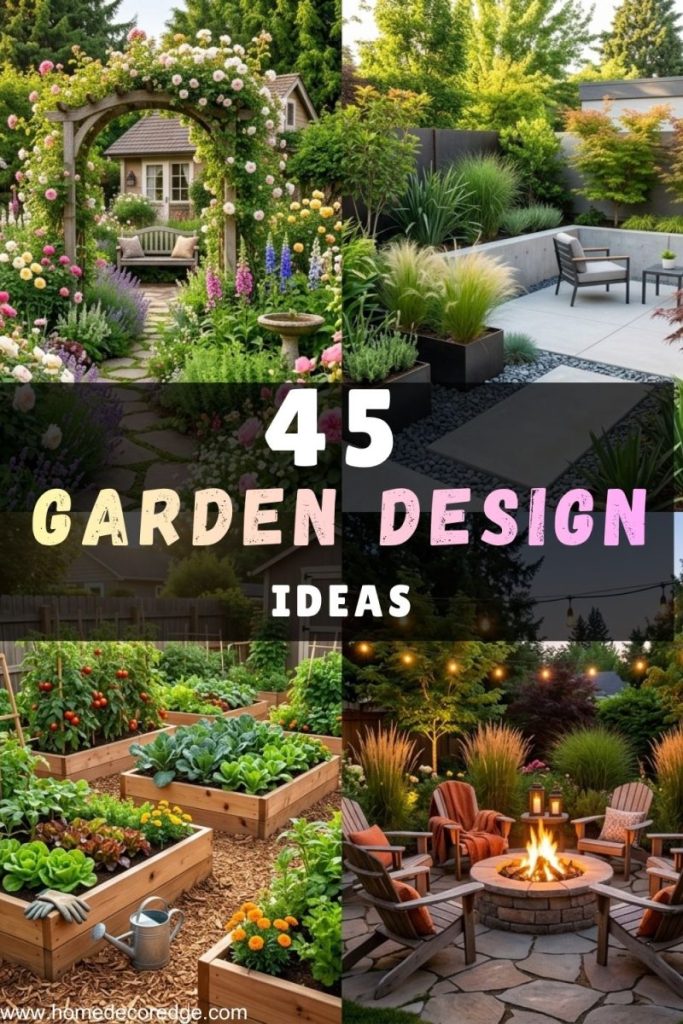
These 45 garden design ideas cover every style and space, from cottage and modern gardens to pollinator patches, raised beds, rain gardens and tiny courtyards.
1Curved Pathway Garden Design
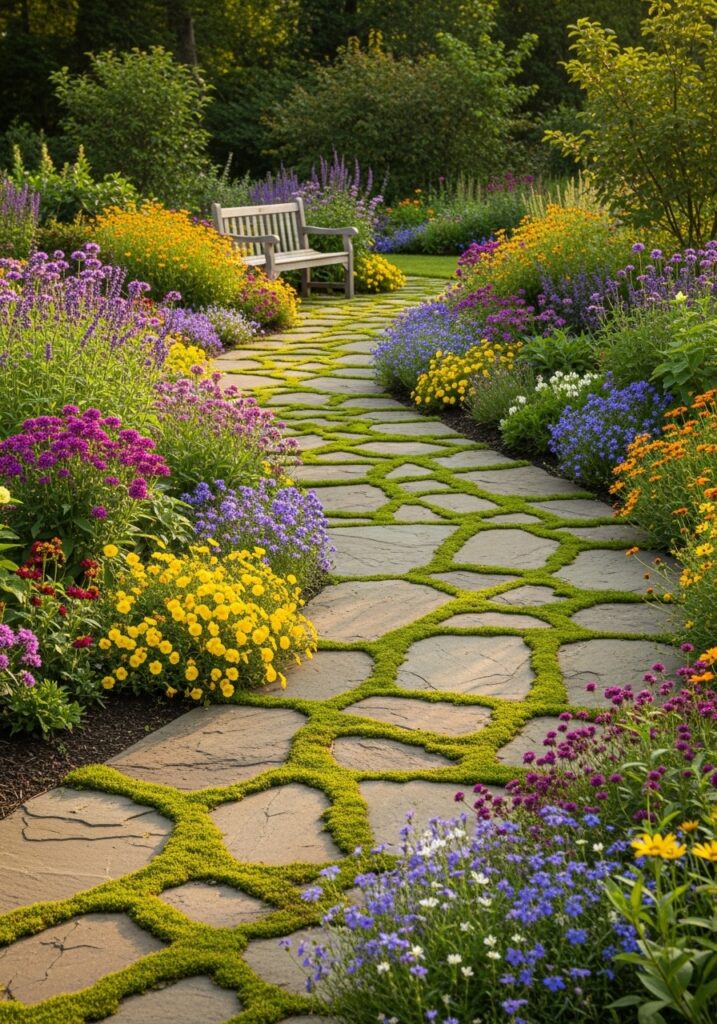
A gently curving path makes any garden feel bigger and more interesting, because you cannot see everything at once.
Flagstone stepping stones are an easy way to start. Space them for a natural walking stride, roughly 18 to 24 inches from center to center.
- Feels bigger
- Invites exploring
- Easy to lay
My Pick
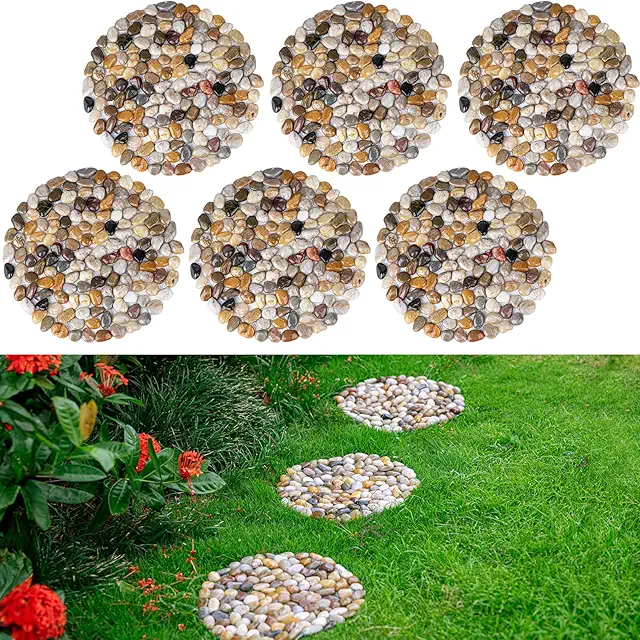
Flagstone Stepping Stones
Natural looking stones for a curving path you can lay in an afternoon.
2Layered Border Garden

A layered border puts tall plants at the back, medium in the middle and low growers at the front. Everything is visible and the bed looks full.
A perennial plants mix gives you plants that come back bigger every year. Repeat the same plant a few times along the border to tie it together.
- Full and lush
- Every plant visible
- Comes back yearly

My Pick
Perennial Garden Plants Mix
A mix of hardy perennials that come back bigger every year.
3Formal Symmetrical Layout

Formal gardens use mirror image beds, straight paths and clipped shapes. They feel calm, orderly and elegant.
Pick a center point, like a birdbath or urn, and make both sides match around it.
- Calm and elegant
- Clear structure
- Timeless style
4Cottage Garden Abundance
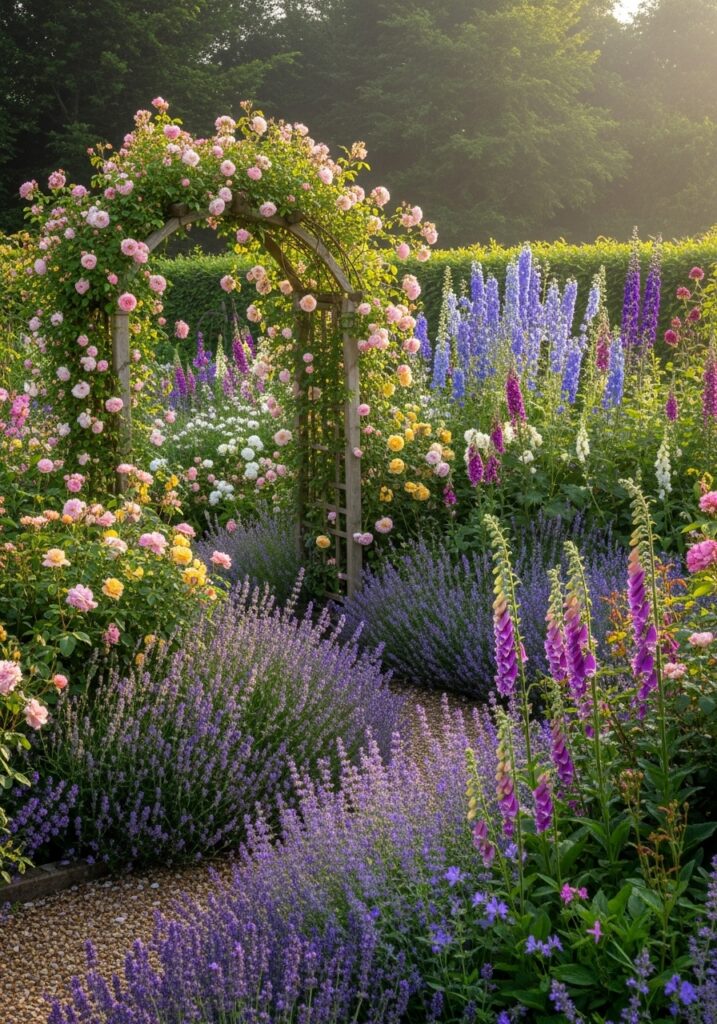
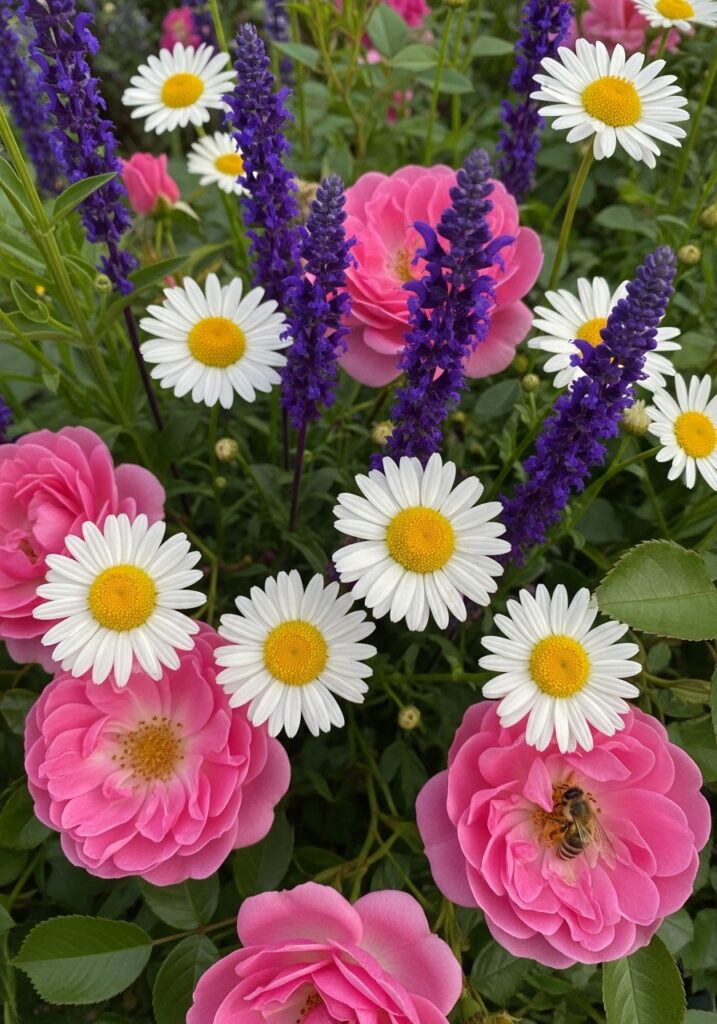
Cottage gardens are full, flowery and relaxed. Roses, foxgloves, daisies and herbs all mingle together.
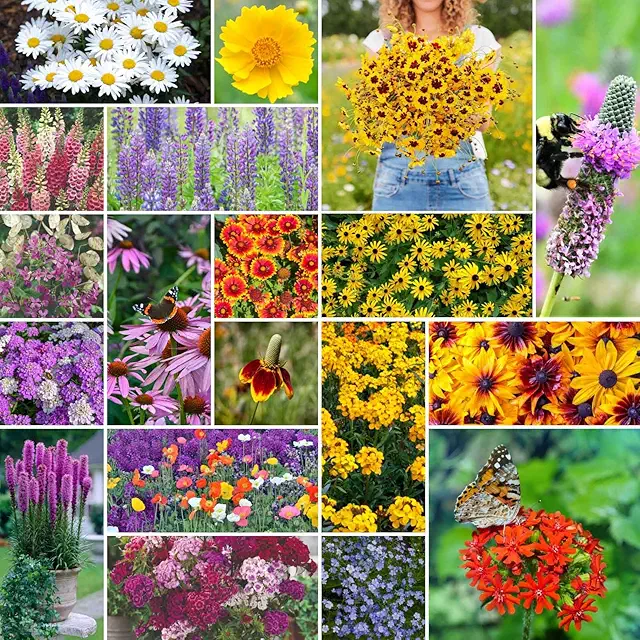
A cottage garden seed mix is the easiest way to get the look. Plant close together so there is no bare soil showing.
- Romantic and full
- Relaxed style
- Easy from seed
My Pick
Start Your 30-Day Home Reset
Stop waiting for a "perfect" free weekend. Grab the 30-day plan and start feeling lighter in your own home by tomorrow.
View the 30-Day Plan Printable PDF · Instant downloadCottage Garden Seed Mix
An easy way to get that full, flowery cottage look from seed.
5Modern Minimalist Garden
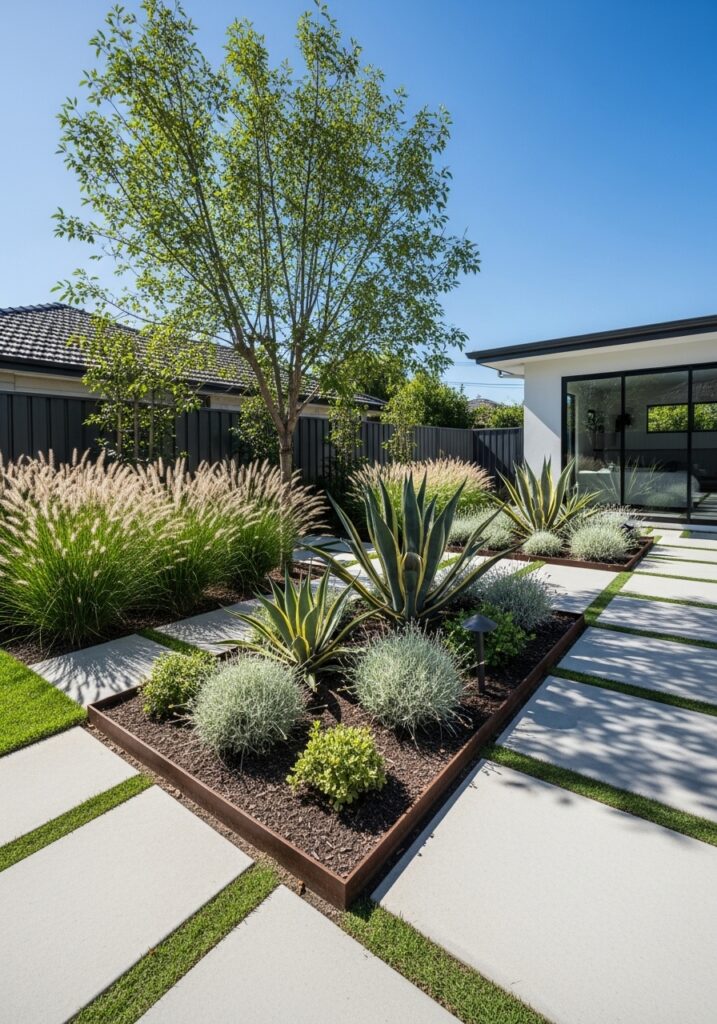
Modern gardens keep things simple: clean lines, a few repeated plants, gravel or concrete and lots of breathing room.
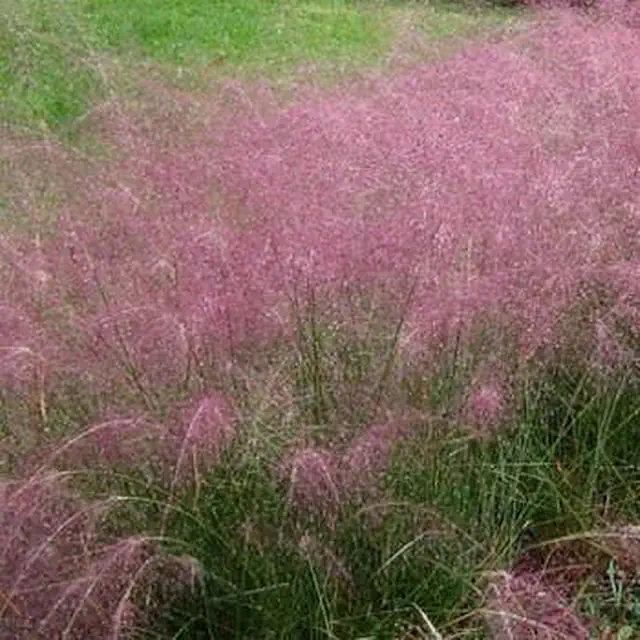
Ornamental grasses are perfect here. They add movement and soften hard edges without looking busy.
- Clean and calm
- Low maintenance
- Modern style
My Pick
Ornamental Grass Plants
Soft, swaying grasses that give modern gardens movement and texture.
6Wildlife Friendly Garden Layout
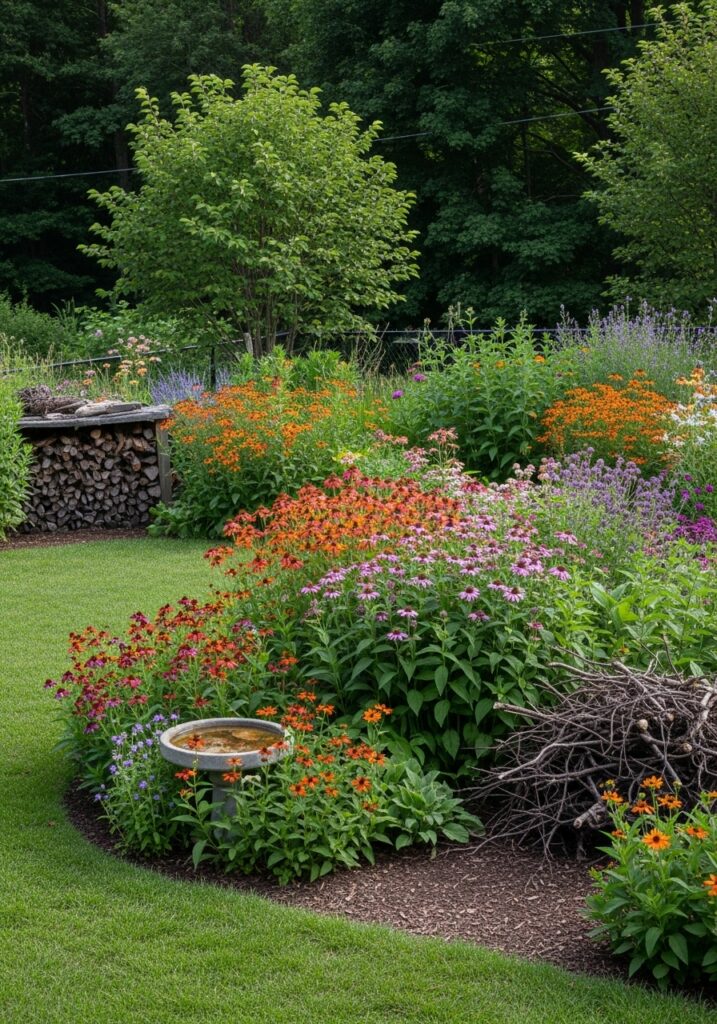
A wildlife garden welcomes birds, bees and butterflies with native plants, shelter and water.
A native wildflower pollinator mix is a great start. Leave some seed heads standing in fall, since birds love them in winter.
- Brings wildlife
- Native plants
- Lively all year
My Pick
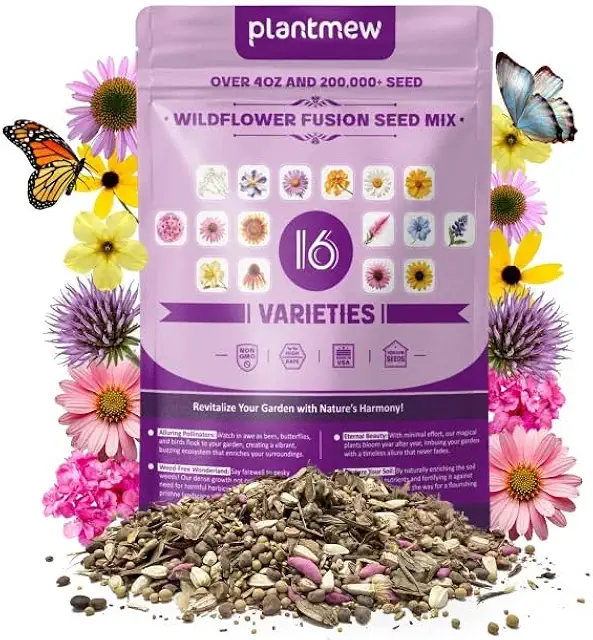
Native Wildflower Pollinator Seed Mix
Flowers that feed bees, butterflies and birds through the seasons.
7Raised Bed Kitchen Garden
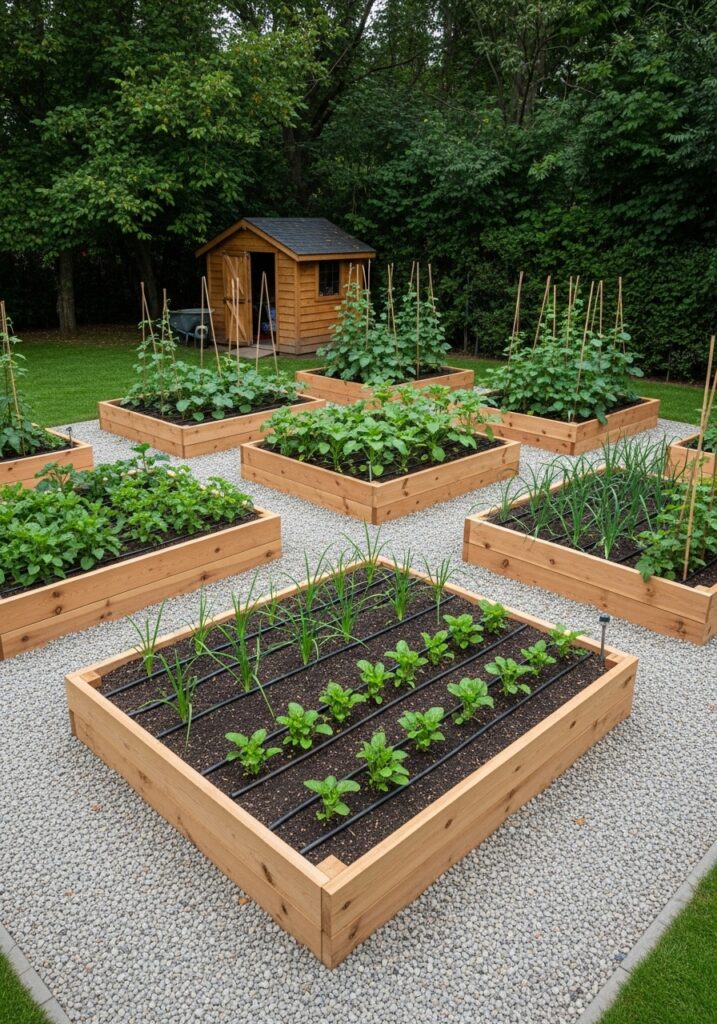
Raised beds make vegetable gardening easier on your back and give you great soil from day one.
You can build simple beds from boards in an afternoon. Here is a basic 4 by 8 foot bed.
- Better soil
- Easier on your back
- Neat and tidy
Project Card · 1 afternoon · Easy
Materials Needed
- Two 2×10 cedar boards at 8 feet
- One 2×10 cedar board at 8 feet cut into two 4 foot pieces
- Four 4×4 corner posts about 10 inches long
- Exterior screws and a drill
- Cardboard
- Soil and compost mix
How to Make It
- Screw the boards to the corner posts to make a 4 by 8 foot rectangle.
- Set the bed in a sunny spot and check it is level.
- Lay cardboard on the ground inside to smother grass and weeds.
- Fill with a mix of good topsoil and compost.
- Water well and plant, keeping the tallest crops on the north side.
PRO TIP Keep beds no wider than 4 feet. You should be able to reach the middle from either side without ever stepping on the soil.
Don’t want to DIY?
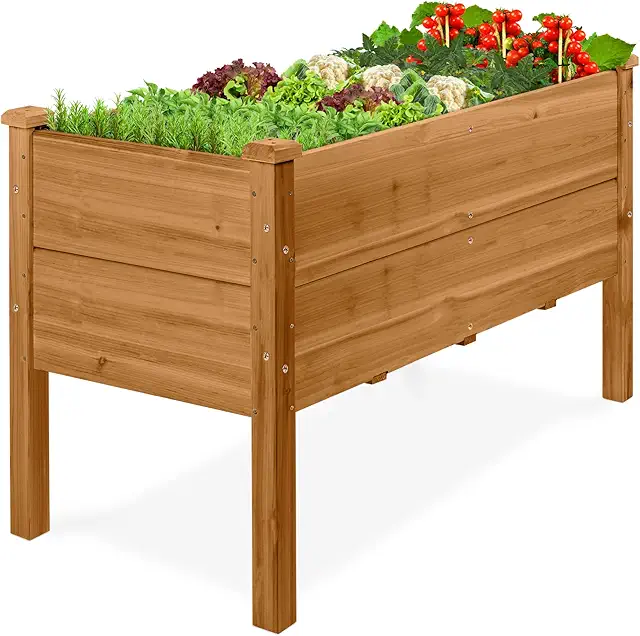
Cedar Raised Garden Bed Kit
Rot resistant cedar beds that snap together without power tools.
8Shade Garden Design
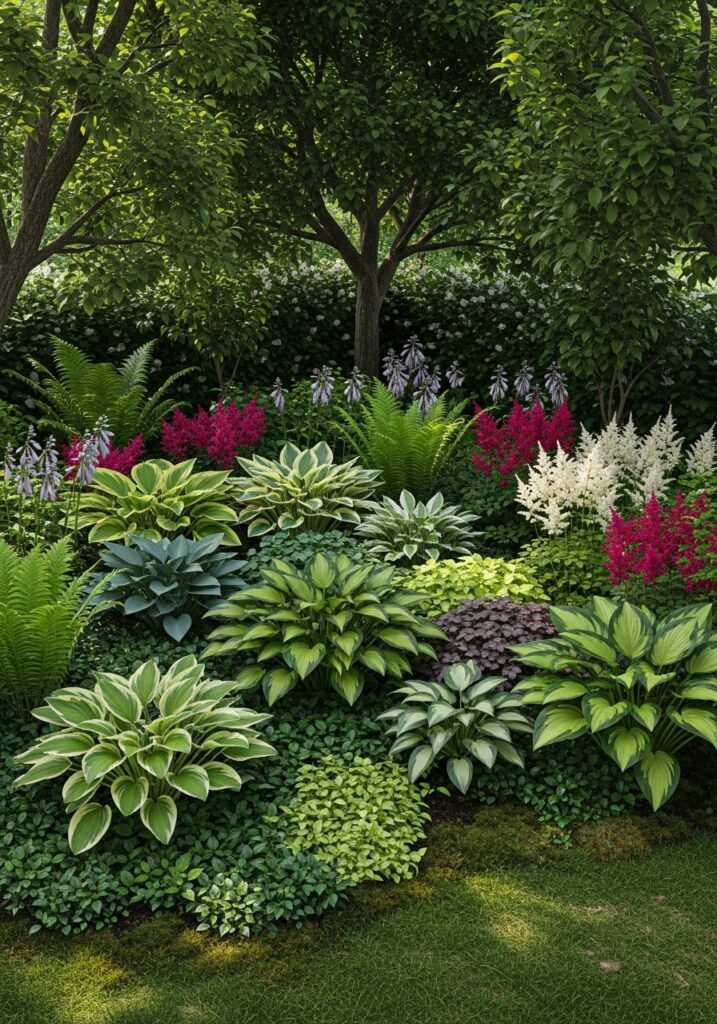
Shady spots can be beautiful. Hostas, ferns, hellebores and heucheras love the shade and bring texture and color.
Use plants with light colored or variegated leaves to brighten dark corners.
- Uses tricky spots
- Lush textures
- Cool retreat
9Mediterranean Gravel Garden

A gravel garden with lavender, rosemary and silvery plants feels warm and sunny. It needs very little water once established.
Lay decorative landscape gravel over a weed membrane, then plant through cuts in the fabric.
- Drought tolerant
- Warm sunny feel
- Low maintenance

My Pick
Decorative Landscape Gravel
Warm toned gravel for Mediterranean beds, paths and dry gardens.
10Circular Garden Design
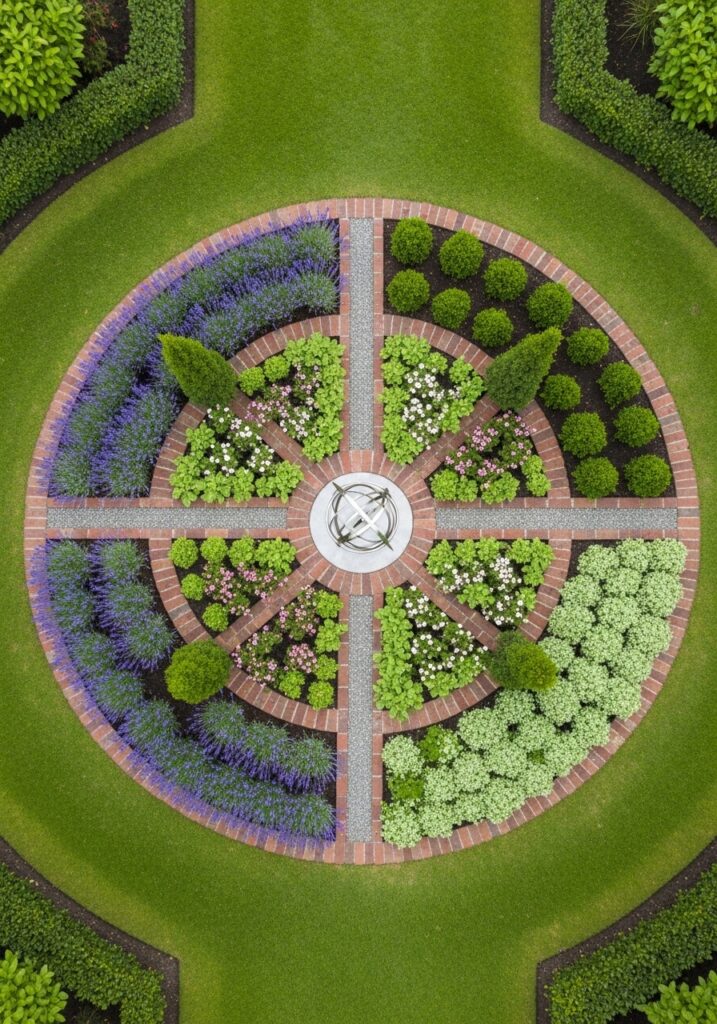
Circles soften a boxy yard. A round lawn, a circular patio or a ring of beds around a center feature all feel calm and welcoming.
Mark the circle with a stake, a string and a can of spray paint for a perfect shape.
- Softens square yards
- Calm feel
- Strong focal point
11Vertical Garden Wall
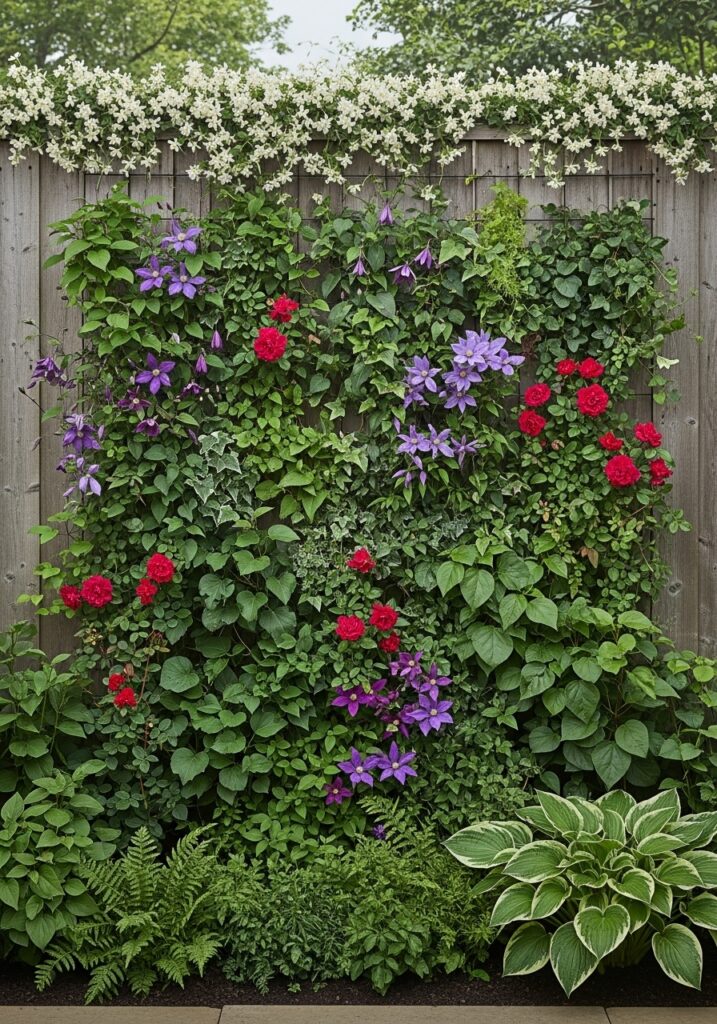
When you are short on ground, grow up. A vertical garden turns a fence or wall into a living display.
A vertical wall planter works well for herbs, strawberries and trailing flowers. Water often, since pockets dry out quickly.
- Saves ground space
- Living wall
- Great for patios
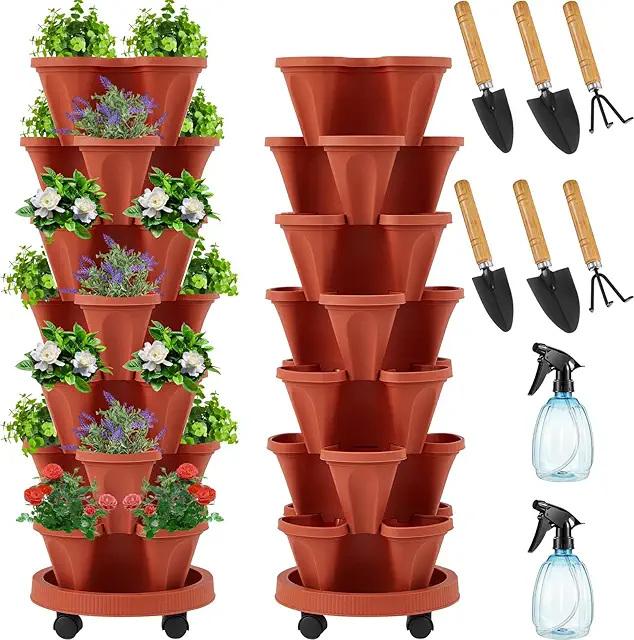
My Pick
Vertical Wall Planter
Turns a bare wall or fence into a living garden of herbs and flowers.
12Island Bed Design
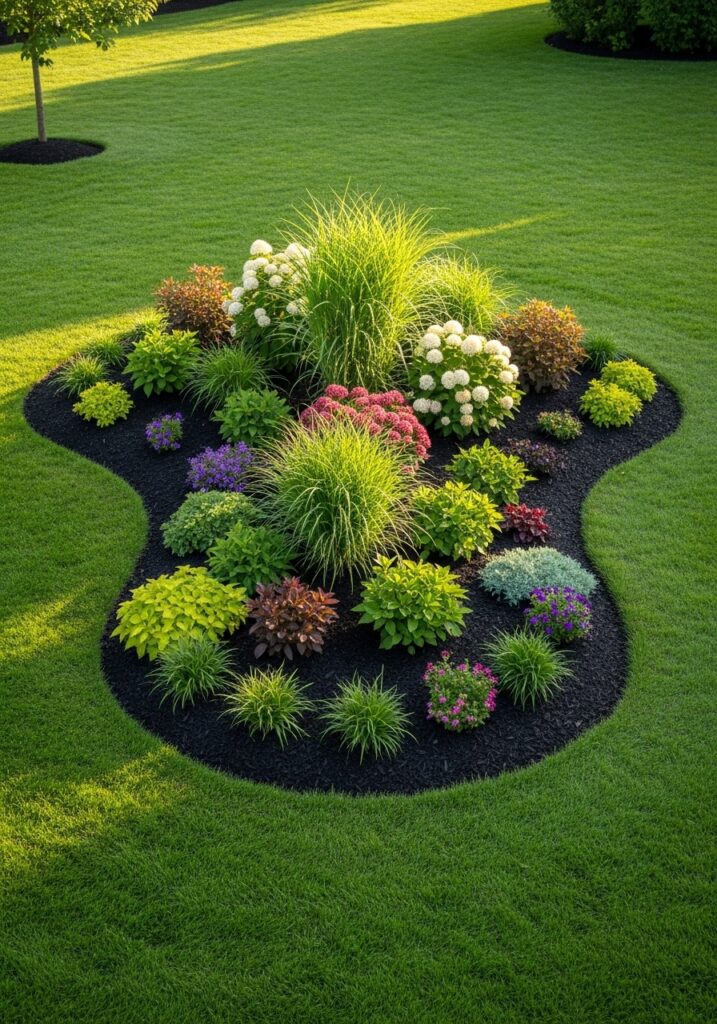
An island bed sits in the middle of a lawn and can be viewed from every side. Put the tallest plants in the center and shorter ones around the edges.
Gentle, curving shapes look more natural than perfect circles or squares.
- Viewed from all sides
- Breaks up lawn
- Big impact
13Xeriscape Garden Design
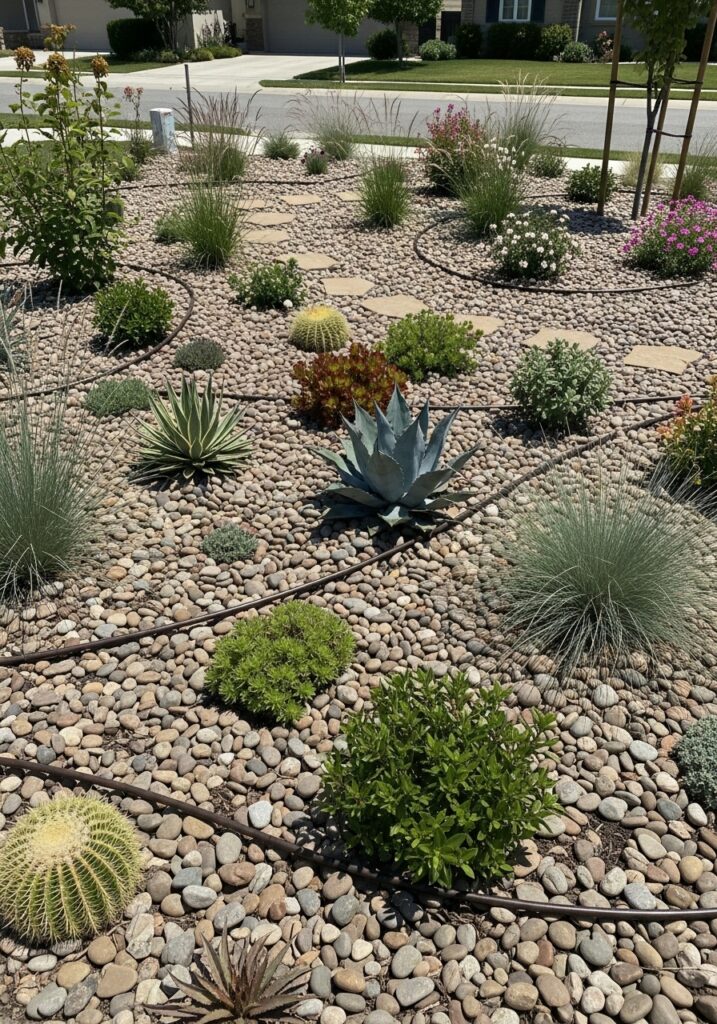
Xeriscaping uses drought tolerant plants, mulch and smart watering to create a garden that needs very little water.
Group plants by how much water they need, so thirsty plants are not wasting water on tough ones.
- Saves water
- Low maintenance
- Climate smart
14Japanese Inspired Garden

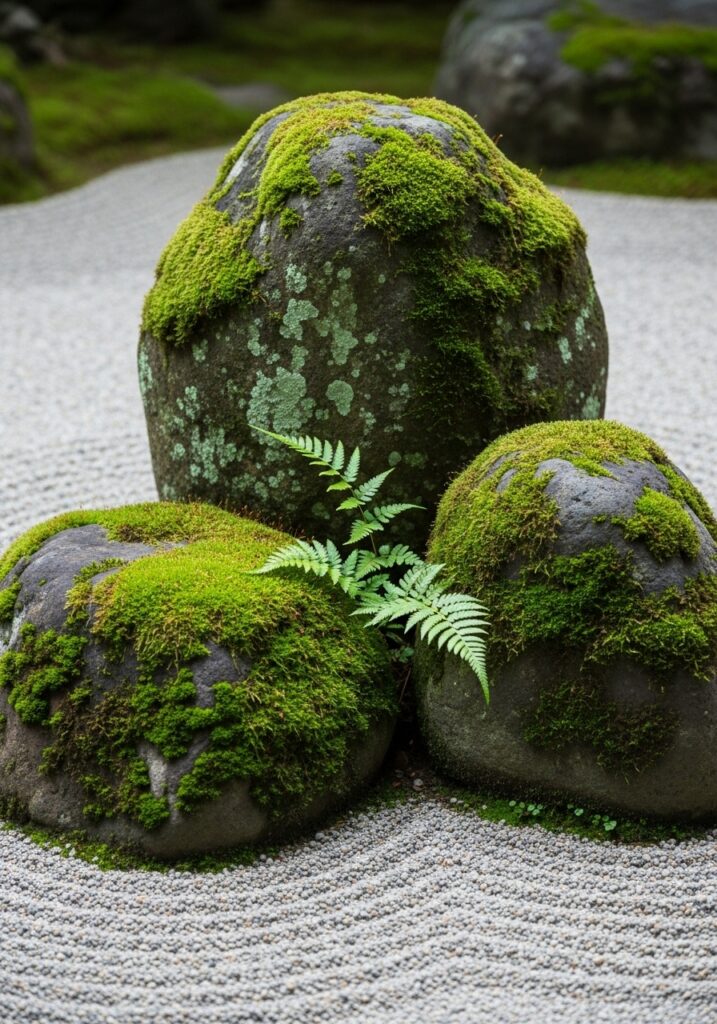
Japanese style gardens focus on calm: raked gravel, stones, moss, maples and simple water features.
Less is more here. Leave plenty of empty space so each element can be appreciated.
- Peaceful feel
- Simple elements
- Meditative
15Tropical Garden Design
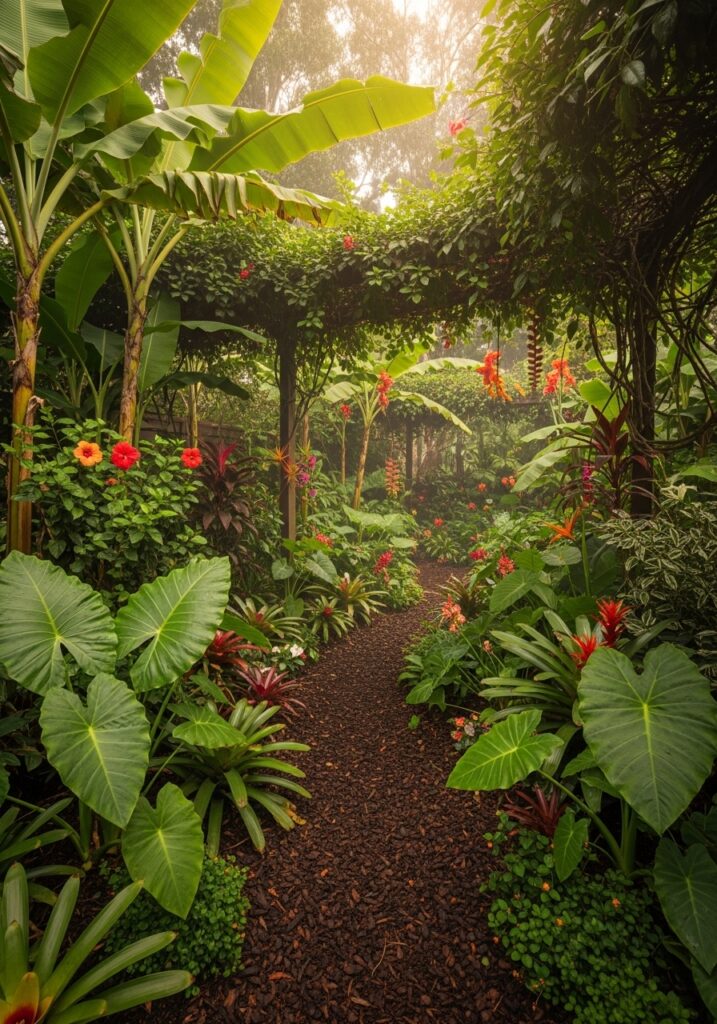
Big leaves, bright flowers and layered greenery make a tropical style garden feel like a holiday.
In cooler climates, use hardy lookalikes or grow tropical plants in pots and bring them indoors for winter.
- Bold and lush
- Holiday feel
- Dramatic leaves
16Rock Garden Alpine Design
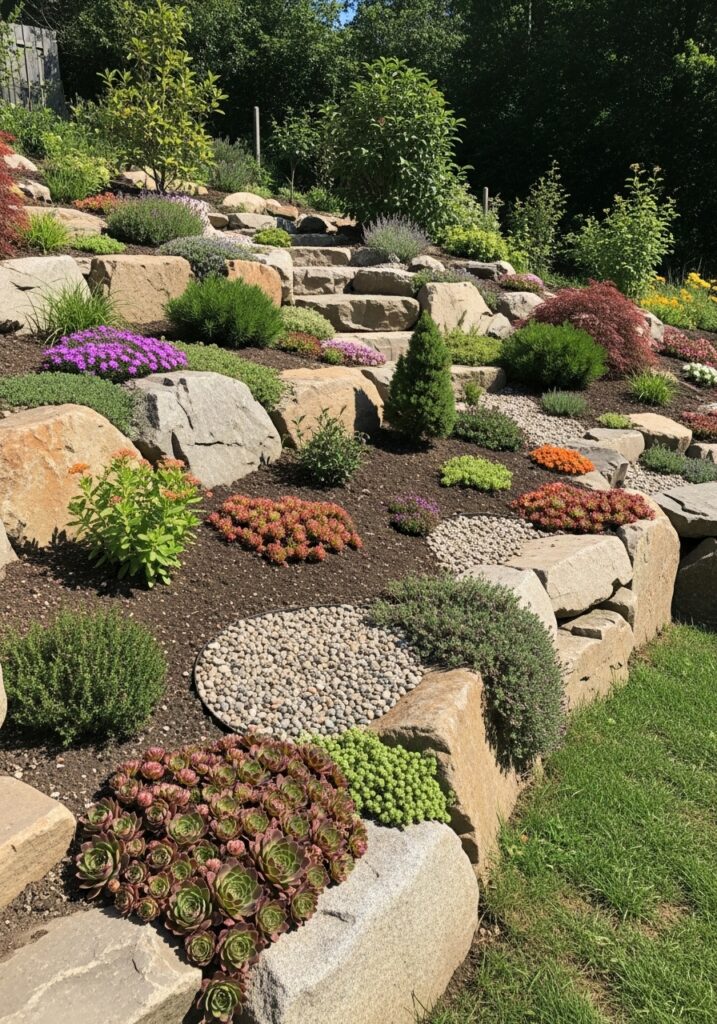
A rock garden with small alpine plants tucked between stones looks natural and needs little care.
Sedum rock garden plants spread into the gaps and handle heat and dry soil beautifully.
- Low maintenance
- Natural look
- Great on slopes

My Pick
Sedum Rock Garden Plants
Tough little succulents that thrive in the gaps between rocks.
17Pollinator Garden Layout
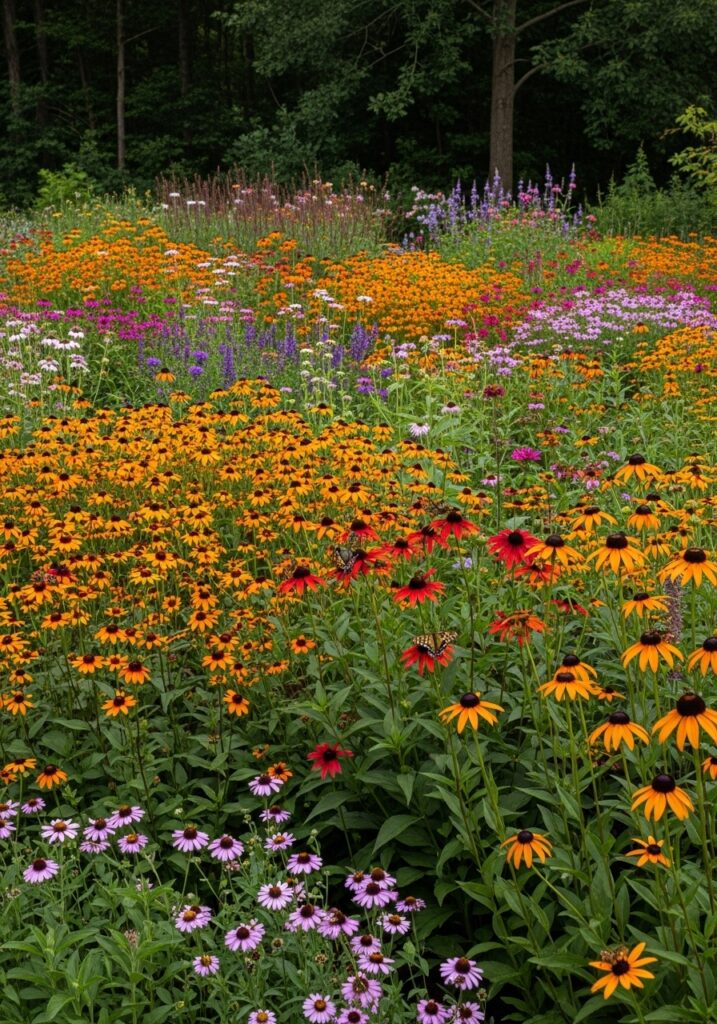
A pollinator garden is planted in big drifts of nectar rich flowers so bees and butterflies can find them easily.
Plant something that flowers in spring, summer and fall, so pollinators have food all season. A butterfly garden seed mix is a simple start.
- Feeds pollinators
- Color all season
- Buzzing with life
18Container Garden Design
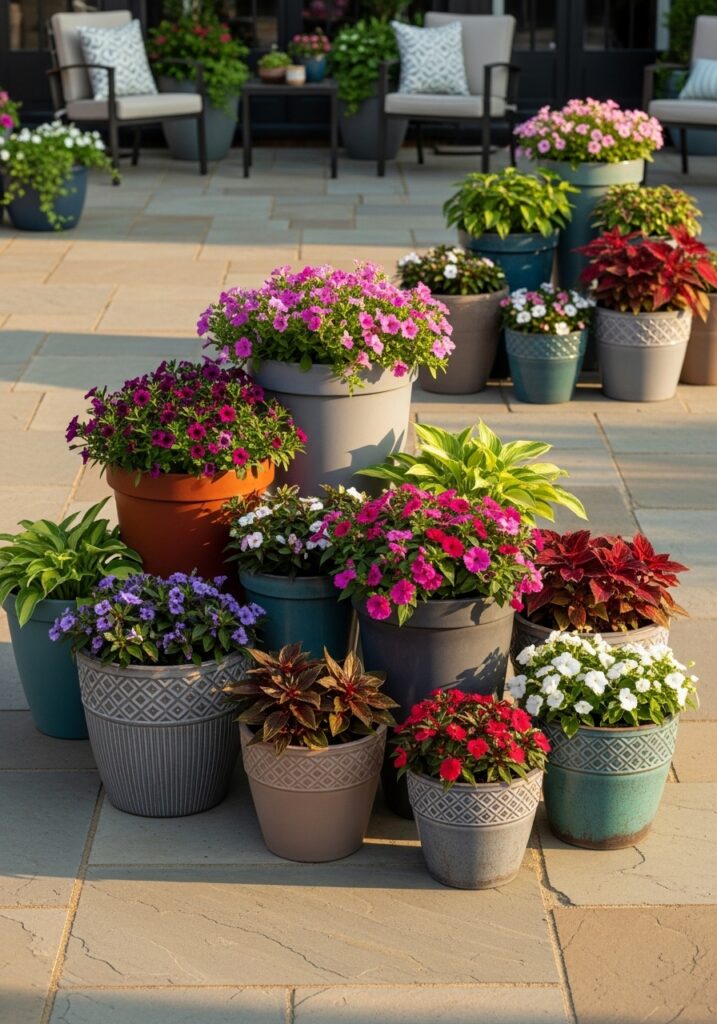
Container gardens are perfect for patios, balconies and renters. Group pots of different heights for a layered look.
Large terracotta pots look classic and breathe well. Bigger pots dry out more slowly, so they need less watering.
- Renter friendly
- Easy to move
- Great for patios

My Pick
Large Terracotta Garden Pots
Classic, breathable pots for patio and container gardens.
19Herb Garden Design
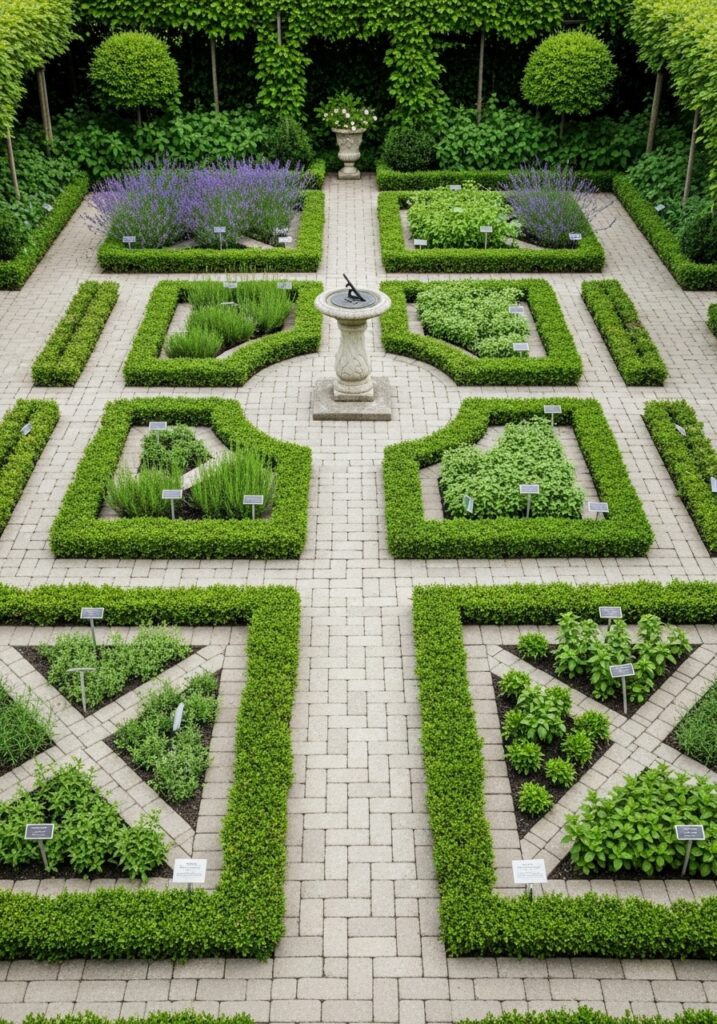
A small herb garden near the kitchen door is one of the most useful things you can plant. Fresh herbs taste so much better than dried.
A herb garden planter box keeps everything tidy. Put mint in its own pot, since it spreads fast.
- Fresh flavor
- Useful and pretty
- Smells amazing

My Pick
Herb Garden Planter Box
A tidy planter for growing herbs right outside the kitchen door.
20Prairie Style Garden
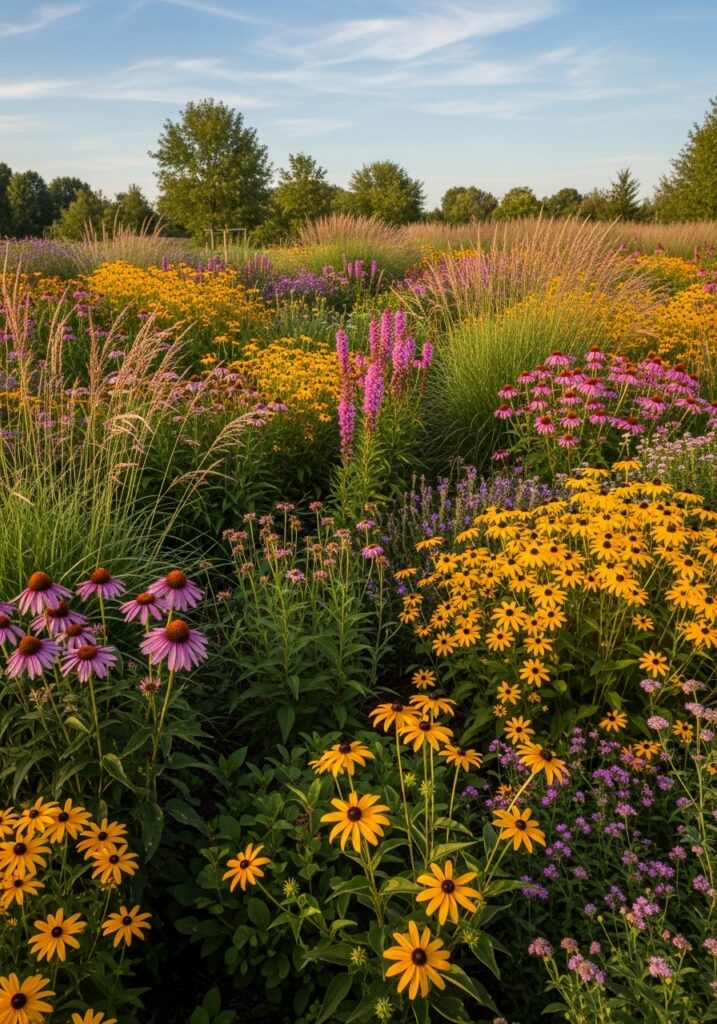
Prairie gardens use grasses and tall flowers like coneflowers in big, flowing drifts. They look wild but are carefully planned.
Cut everything back once in late winter. That is most of the maintenance.
- Natural movement
- Low maintenance
- Wildlife friendly
21Edible Landscape Design
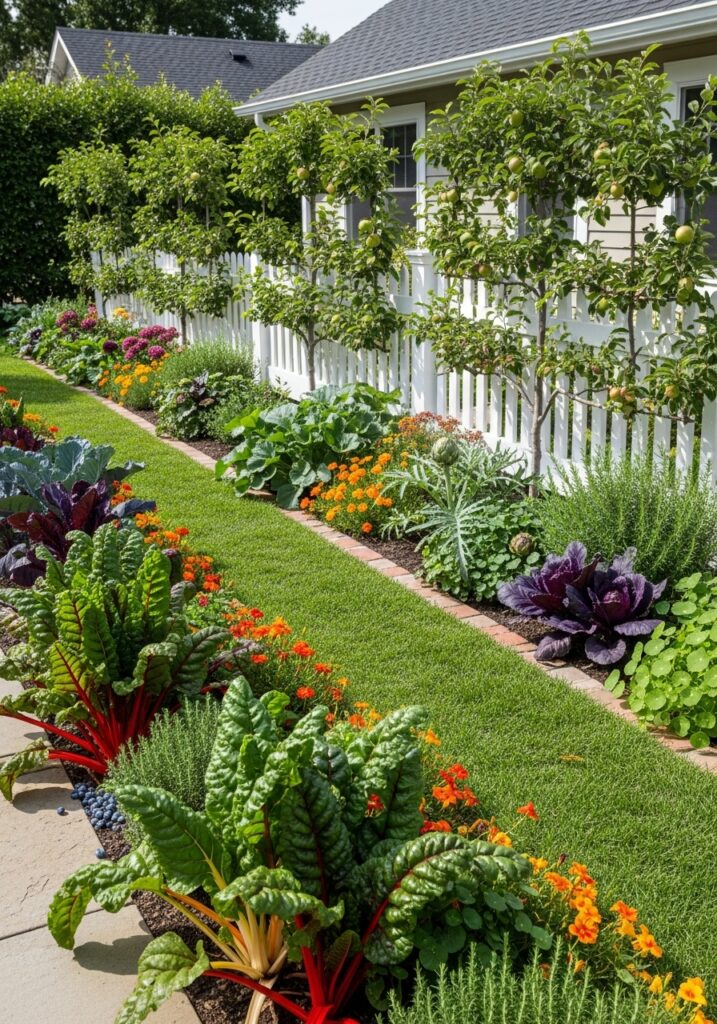
An edible landscape mixes fruit, vegetables and herbs right into ornamental beds. Rainbow chard, kale and strawberries look as good as flowers.
Blueberries make beautiful shrubs with great fall color and fruit in summer.
- Pretty and productive
- Saves space
- Fresh food
22Formal Parterre Garden
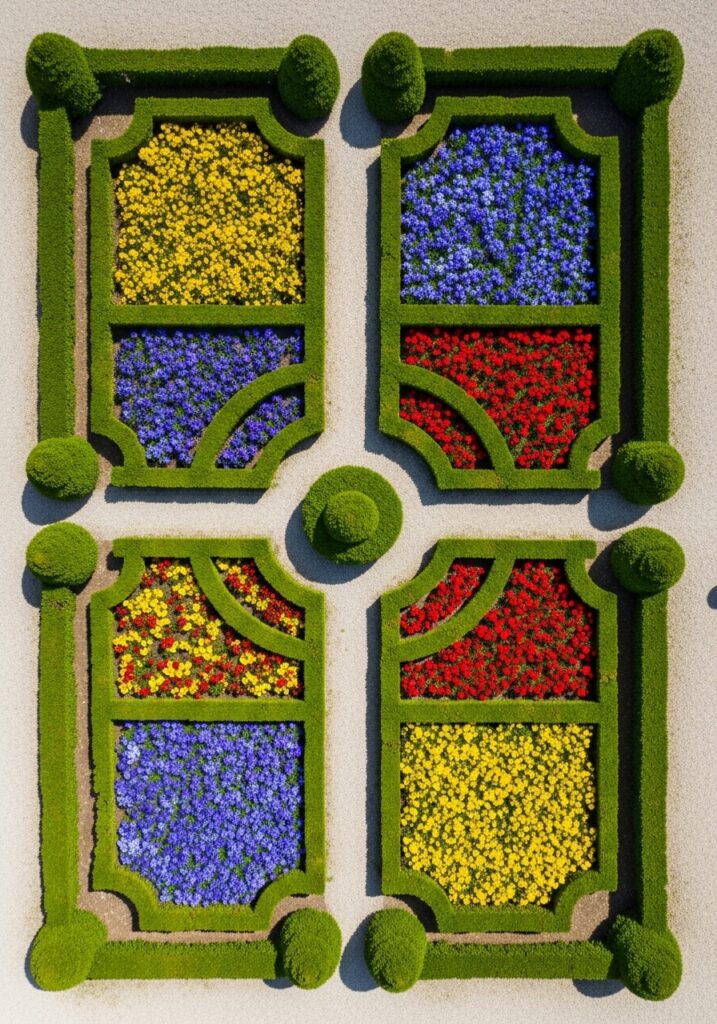
A parterre uses low clipped hedges in patterns, filled with flowers or gravel. It looks especially lovely from an upstairs window.
Start small with a simple square or knot pattern before trying anything complex.
- Elegant patterns
- Classic style
- Year round structure
23Naturalistic Woodland Garden
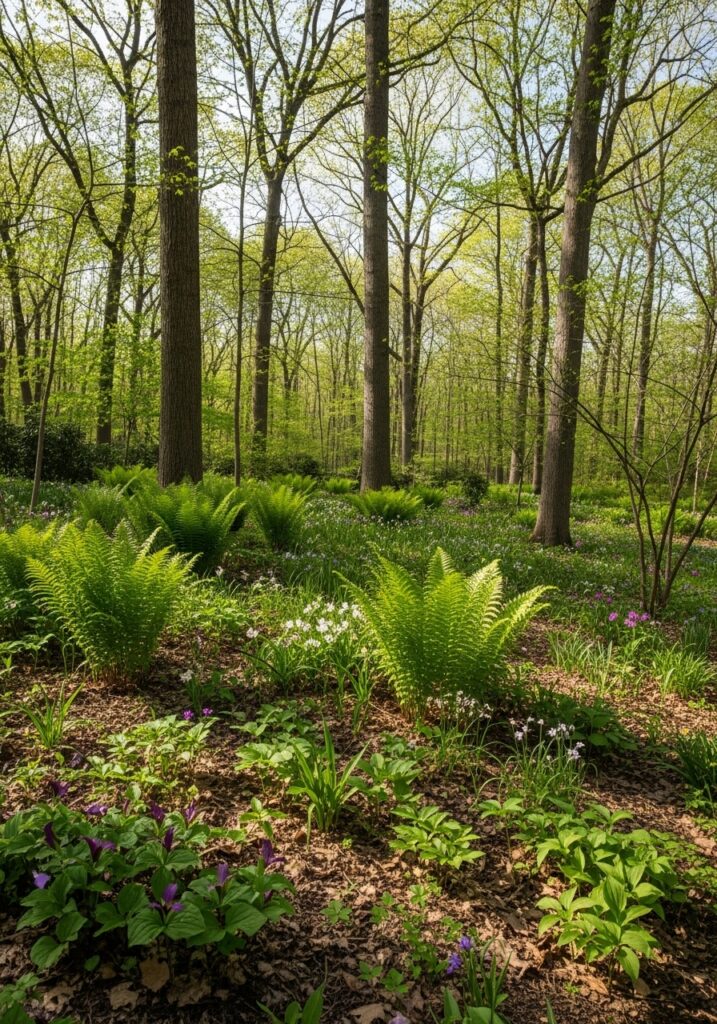
Woodland gardens layer trees, shrubs and shade loving plants like ferns and bulbs for a soft, natural feel.
Leave leaf litter under shrubs. It feeds the soil and shelters wildlife.
- Natural layers
- Shade friendly
- Wildlife haven
24Contemporary Concrete Garden
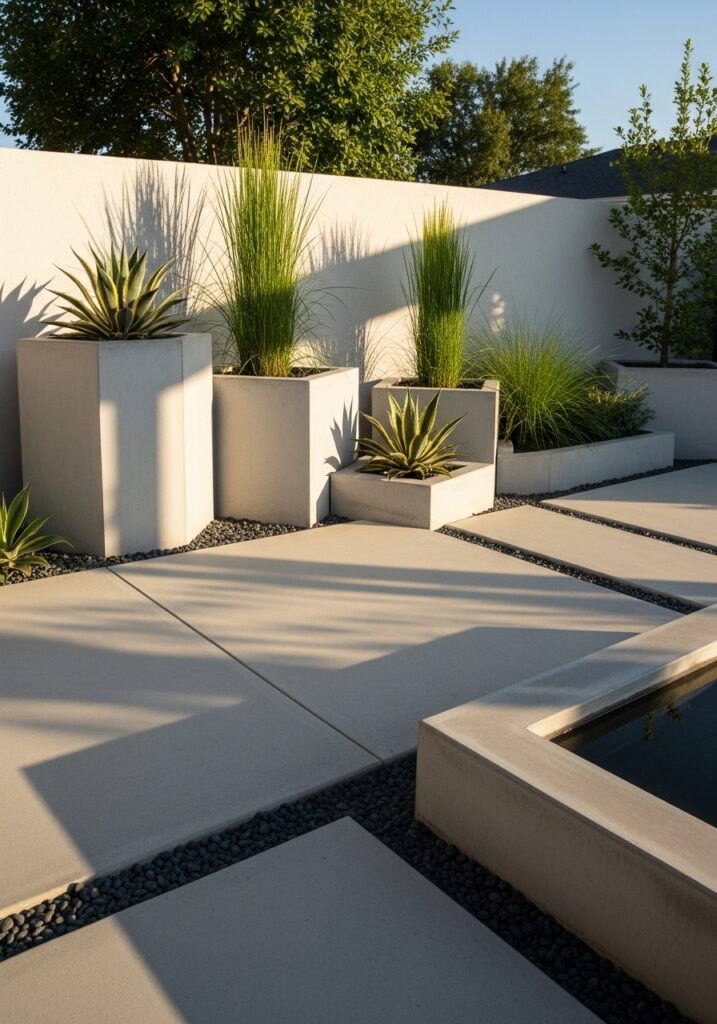
Concrete planters, steps and walls give a garden a sleek, architectural look. Soft grasses and simple plants keep it from feeling cold.
Repeat just a few plant types for a calm, modern feel.
- Architectural look
- Very modern
- Low maintenance
25Scree Garden Design
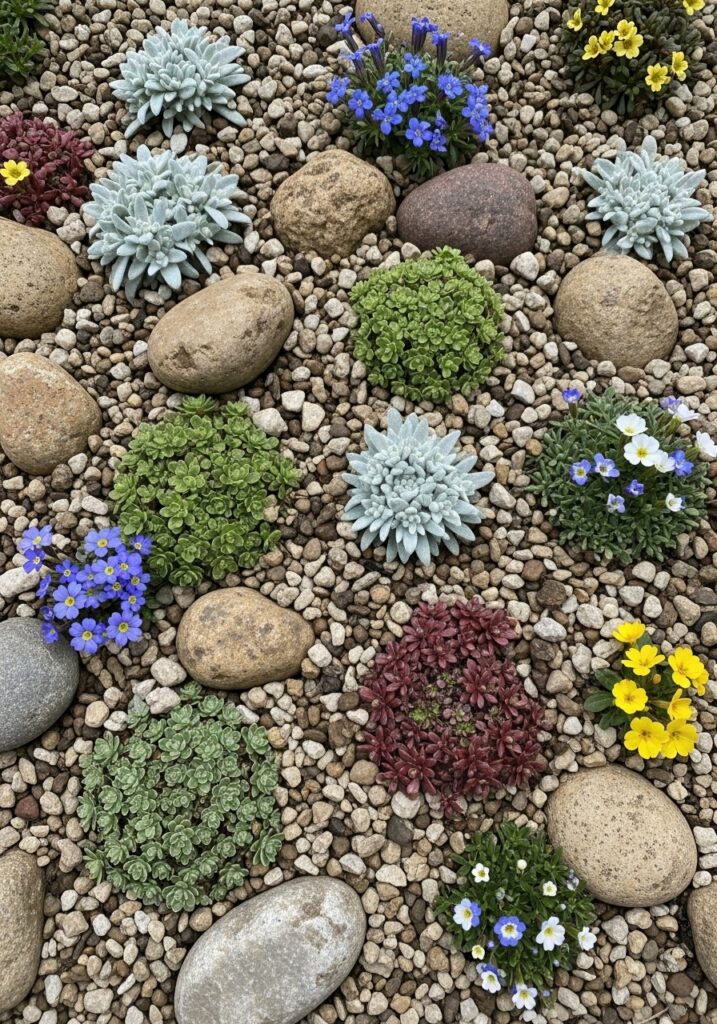
A scree garden copies a stony mountain slope with gravel and small rocks. Alpine plants love the sharp drainage.
It is perfect for dry, sunny spots where other plants struggle.
- Sharp drainage
- Unusual plants
- Sunny spot solution
26Cutting Garden Design
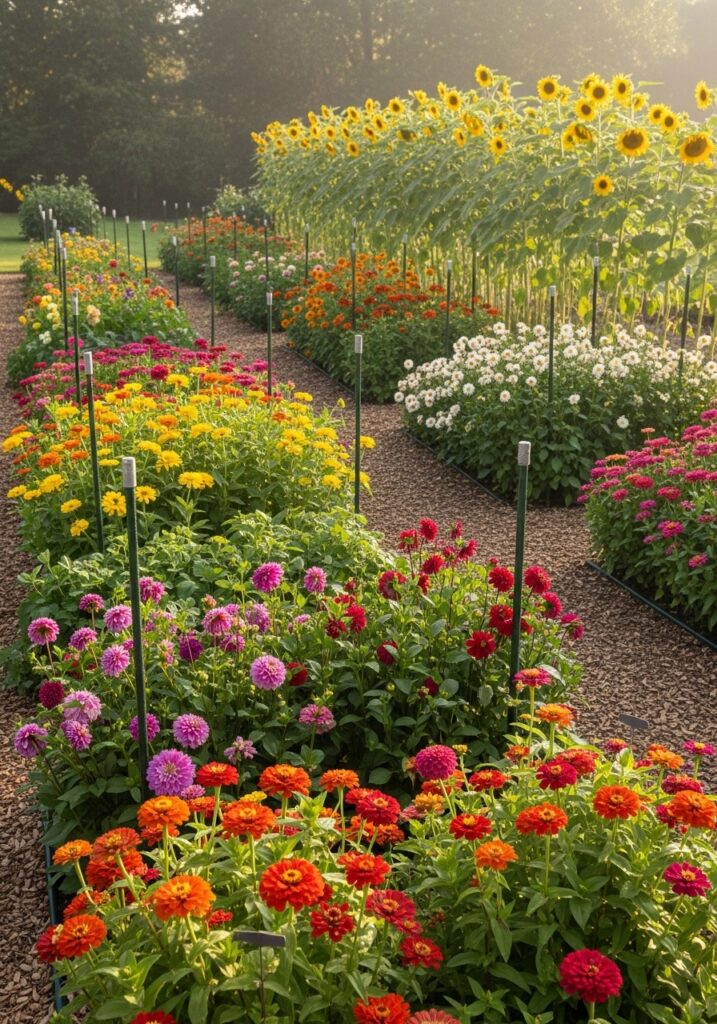
A cutting garden grows flowers just for picking. Zinnias, cosmos, dahlias and sweet peas give you bouquets all summer.
Plant in rows like vegetables. It is easier to cut and you do not mind taking flowers from it.
- Free bouquets
- Flowers all summer
- Easy rows
27Slope Terrace Garden
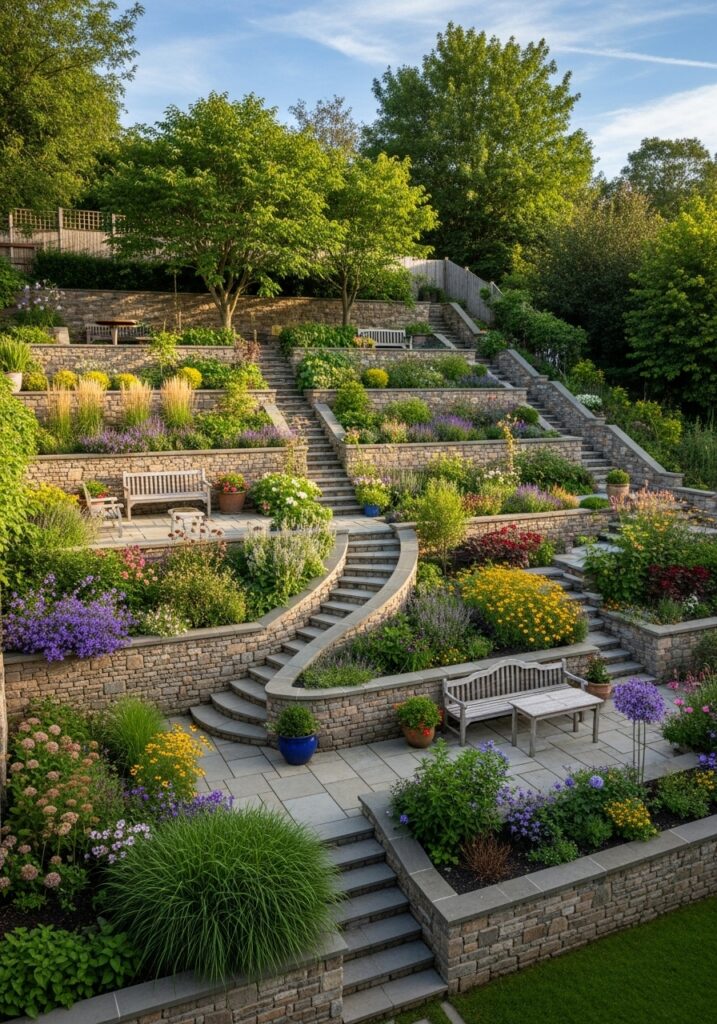
A steep slope becomes useful when you terrace it into flat levels with low walls. Each level becomes its own planting bed.
Tall retaining walls need proper engineering, so keep DIY walls low and get expert help for big slopes.
- Uses slopes
- Stops erosion
- Layered beds
28Fragrance Garden Design
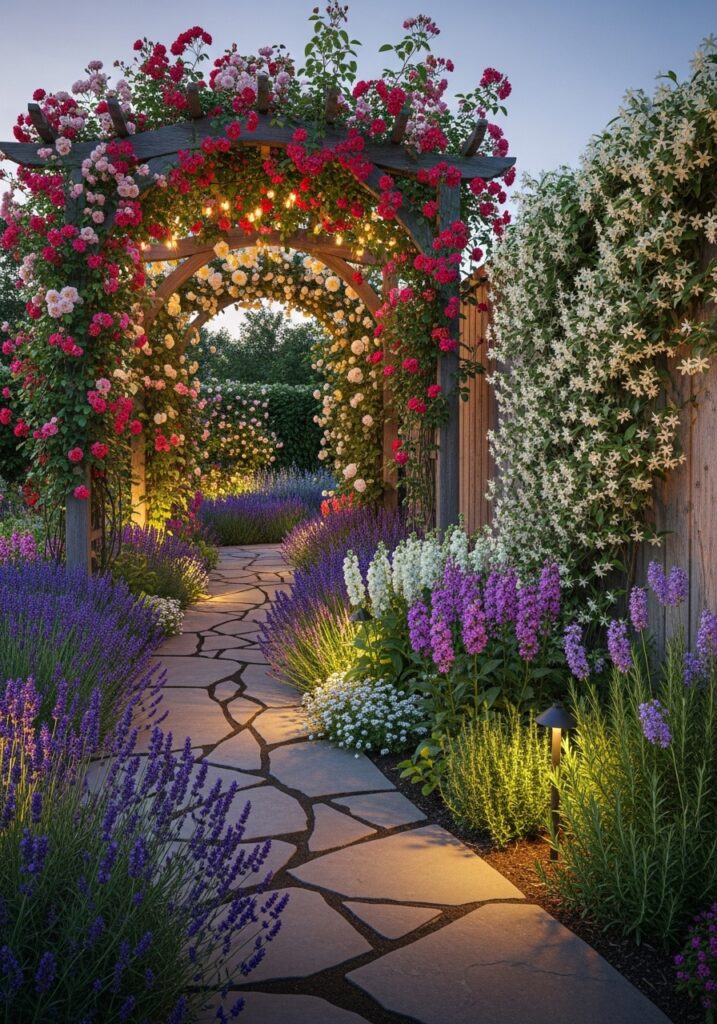
A fragrance garden puts scented plants where you will smell them: along paths, by seating and near open windows.
Lavender, roses, jasmine and night scented stock make evenings outside wonderful.
- Smells amazing
- Lovely evenings
- Sensory garden
29Gravel Path Garden
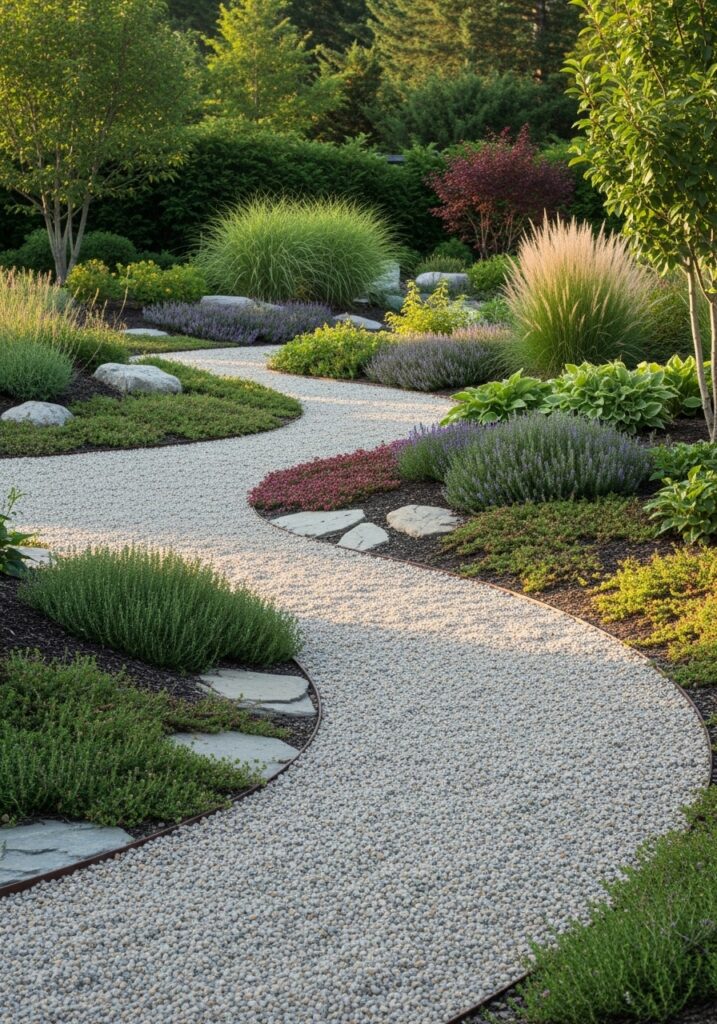
A gravel path is cheap, quick and looks good with almost any style. It also drains well and crunches pleasantly underfoot.
Here is how to make one that does not turn into a weedy mess.
- Budget friendly
- Good drainage
- Quick to install
Project Card · 1 weekend · Medium
Materials Needed
- Edging strips or bricks
- Landscape fabric
- Crushed stone for the base
- Pea gravel or decorative gravel for the top
- Shovel, rake and tamper
How to Make It
- Mark out the path and dig it out about 4 inches deep.
- Install edging along both sides so the gravel stays in place.
- Lay landscape fabric along the bottom.
- Add about 2 inches of crushed stone and tamp it firm.
- Top with 2 inches of decorative gravel and rake it smooth.
PRO TIP Use angular crushed stone for the base layer. It locks together far better than round pebbles and keeps the path firm underfoot.
30Four Season Garden
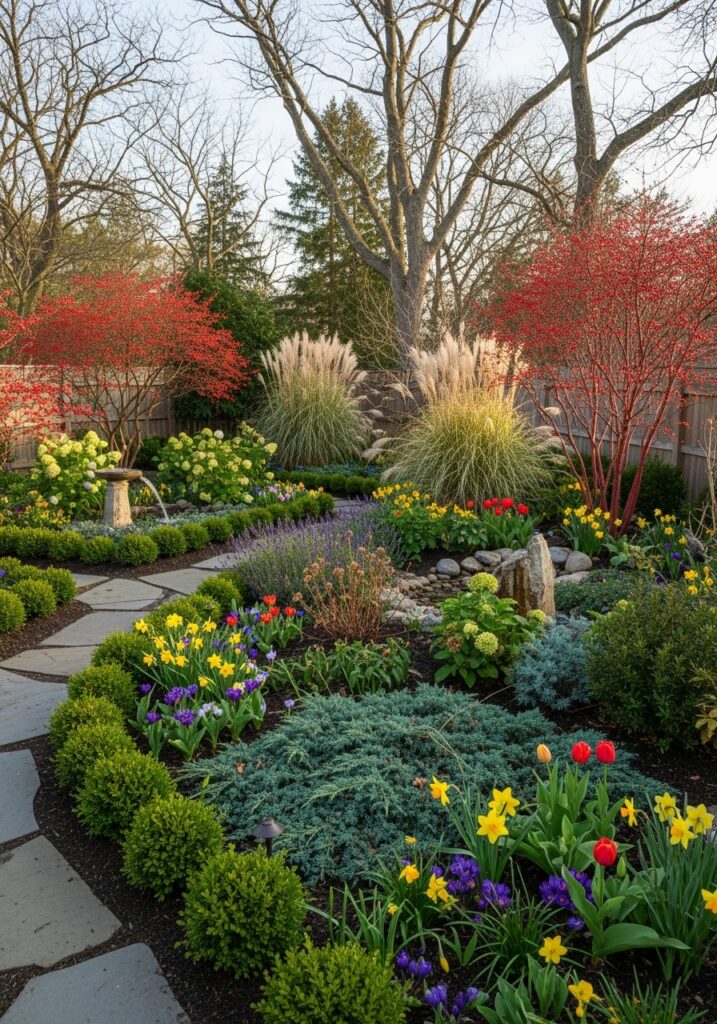
A four season garden has something interesting every month: spring bulbs, summer flowers, fall color and winter berries or bark.
Evergreens and grasses give structure through winter when flowers are gone.
- Interest all year
- Never bare
- Smart planning
31Moon Garden Design
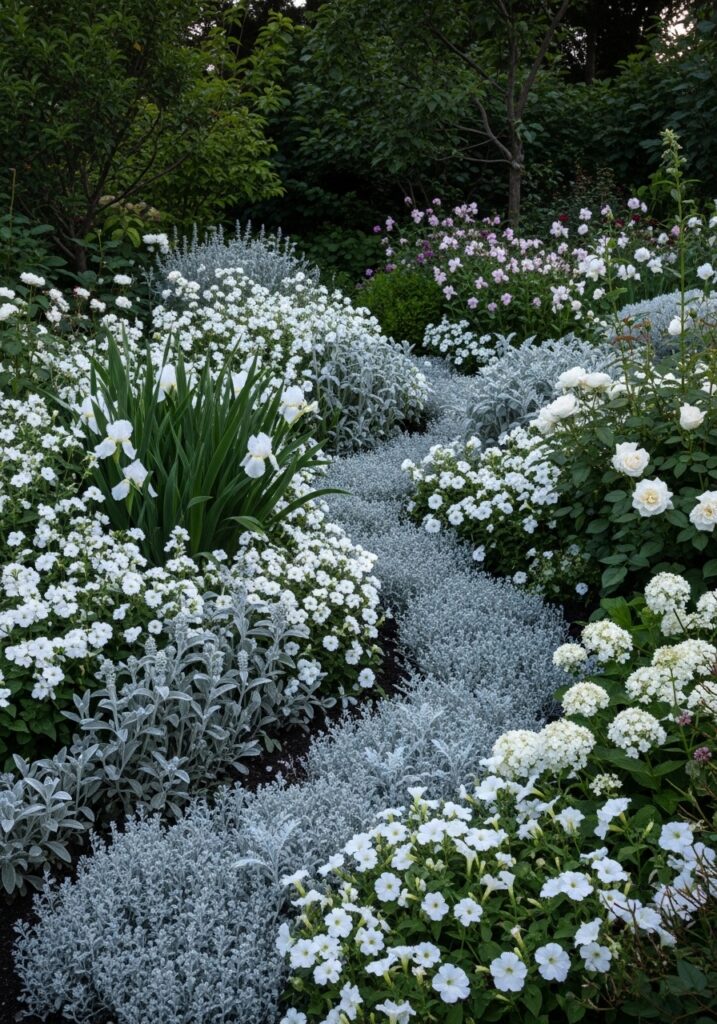
A moon garden is planted with white and silver plants that glow at dusk. Add evening scented flowers for magic after dark.
Place it near a patio or seating area where you relax in the evenings.
- Glows at dusk
- Evening scent
- Magical feel
32Succulent Garden Design
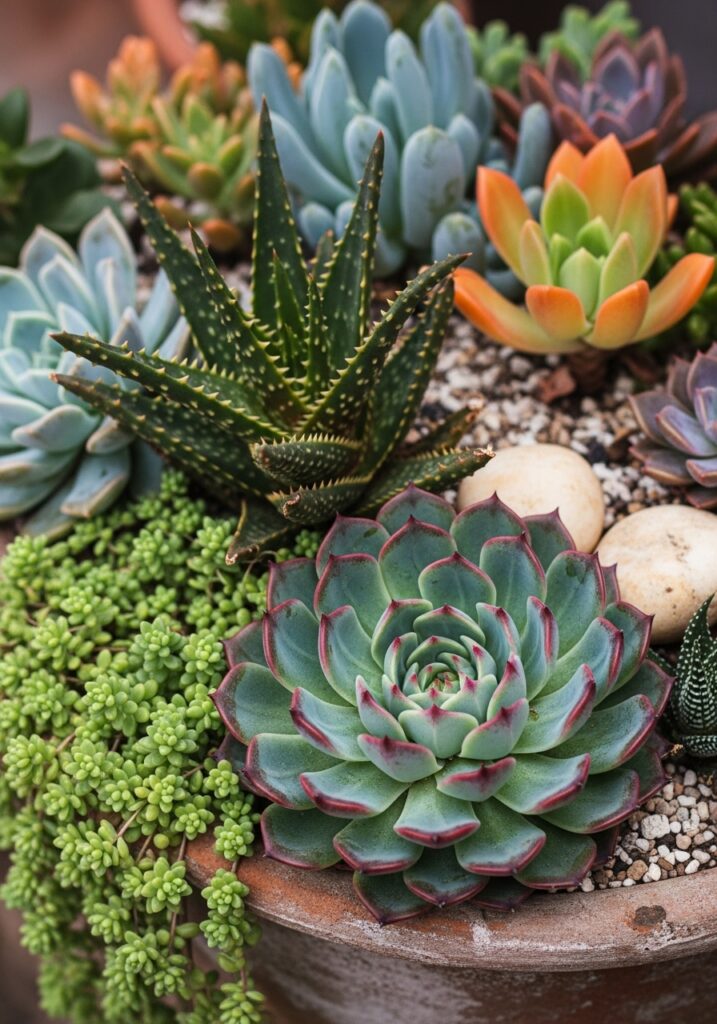
Succulent gardens are colorful, sculptural and need very little water. They thrive in sunny, well drained spots.
In cold climates, use hardy sedums and sempervivums outdoors and keep tender succulents in pots.
- Low water
- Sculptural shapes
- Colorful
33Coastal Garden Design
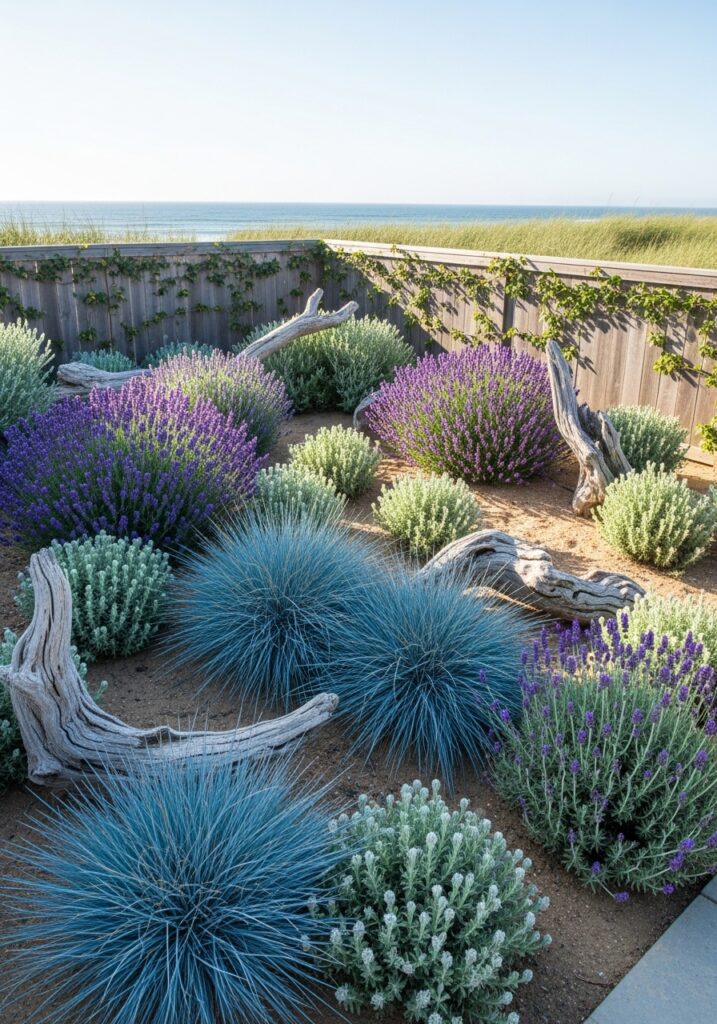
Coastal gardens use tough, salt tolerant plants, grasses and gravel to handle wind and sea air.
Driftwood, rope and pale stone add a relaxed seaside feel.
- Wind tough
- Relaxed style
- Salt tolerant
34Sunken Garden Design
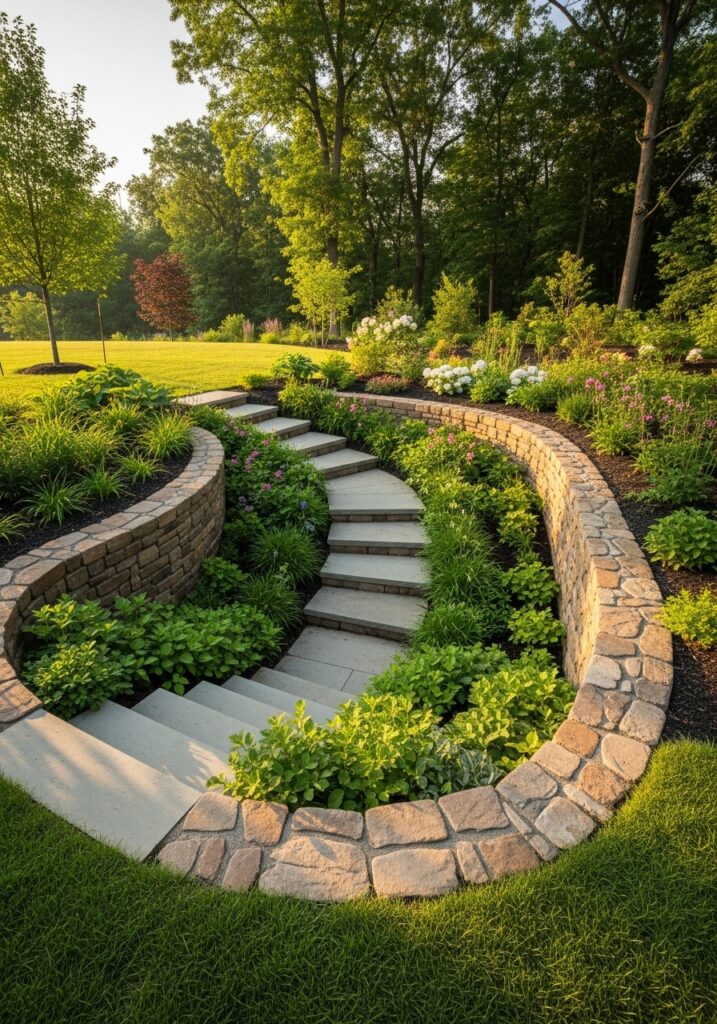
A sunken garden sits slightly below the surrounding ground, creating a sheltered, private room.
It needs good drainage, so plan where the water will go before you dig.
- Sheltered and private
- Unique feel
- Cozy seating
35Monochromatic Garden Design
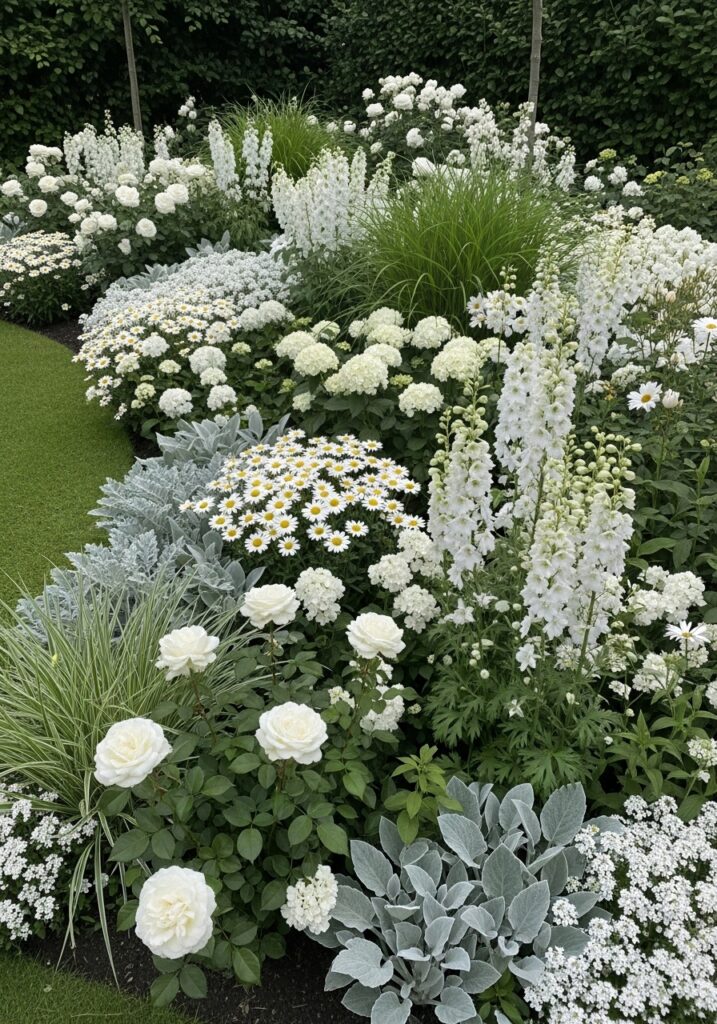
A one color garden, all white or all purple, looks calm and sophisticated. Variety comes from leaf shape and texture instead of color.
Use different shades of the same color to keep it interesting.
- Calm and stylish
- Easy to plan
- Strong look
36Therapeutic Garden Design
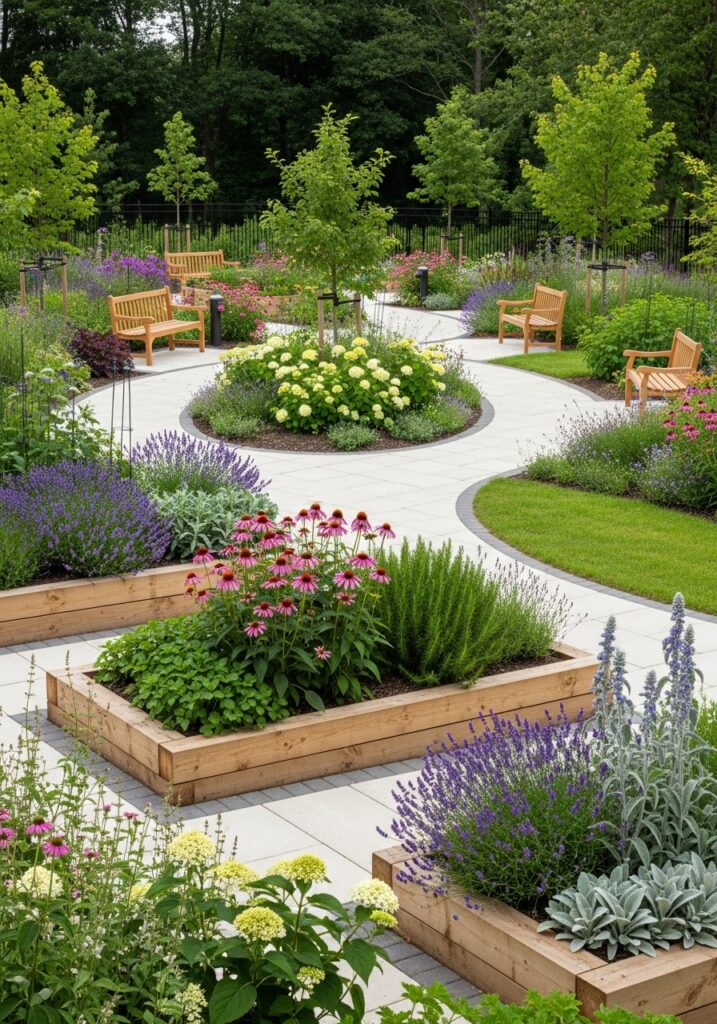
A therapeutic garden is designed for calm: soft textures, gentle sounds, comfortable seating and easy paths.
Raised beds at waist height make gardening easy for anyone with limited mobility.
- Calming space
- Accessible
- Good for wellbeing
37Rain Garden Design
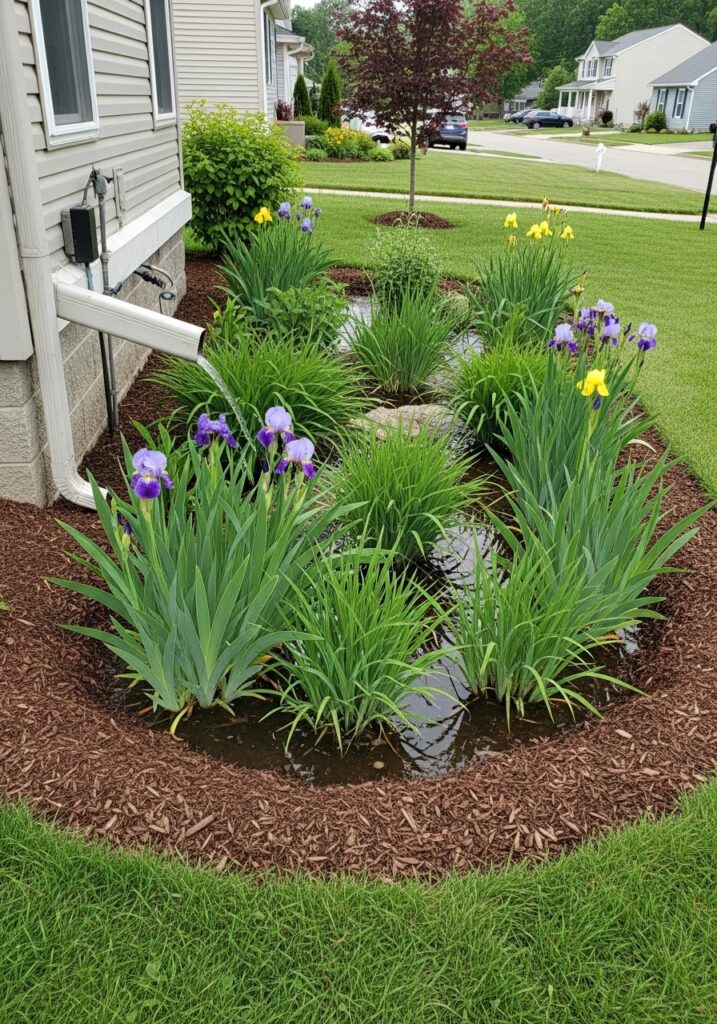
A rain garden is a shallow dip planted with water tolerant plants that soaks up runoff from roofs and driveways.
It helps the environment and stops puddles. Here is the basic method.
- Solves puddles
- Eco friendly
- Wildlife friendly
Project Card · 1 weekend · Medium
Materials Needed
- Shovel and rake
- String and stakes
- Compost
- Native plants that tolerate wet and dry spells
- Mulch
How to Make It
- Pick a low spot at least 10 feet from your house where water naturally flows.
- Mark the shape and dig it out about 6 inches deep with gently sloping sides.
- Use the dug soil to build a low berm on the downhill side.
- Mix compost into the bottom soil to help water soak in.
- Plant water loving plants in the middle and tougher plants around the edges, then mulch.
PRO TIP Do a simple drainage test first. Dig a hole, fill it with water and make sure it drains within a day before building your rain garden there.
38Formal Rose Garden
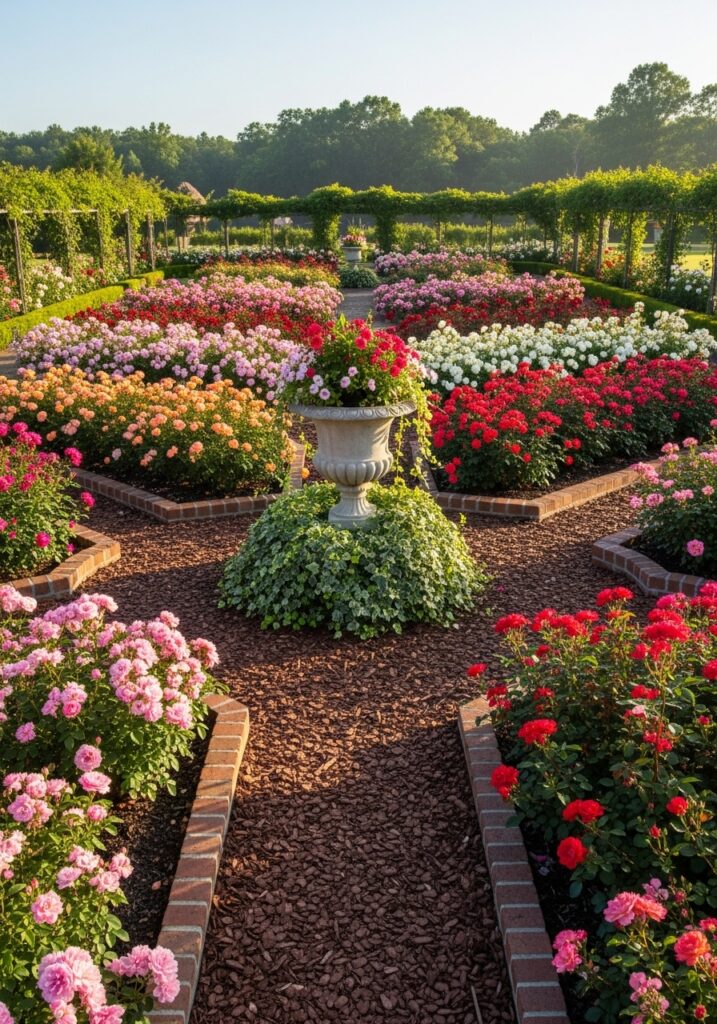
A rose garden with neat beds, a central path and an arch of climbers is a timeless classic.
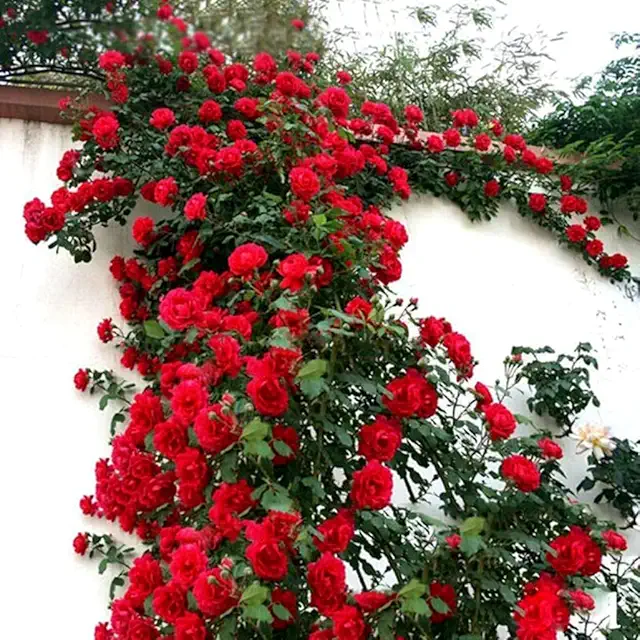
A climbing rose over an arch or trellis adds height and romance. Give roses at least six hours of sun.
- Timeless romance
- Lovely scent
- Classic structure
My Pick
Climbing Rose Bush
A classic climber that brings romance and scent to any rose garden.
39Permaculture Food Forest
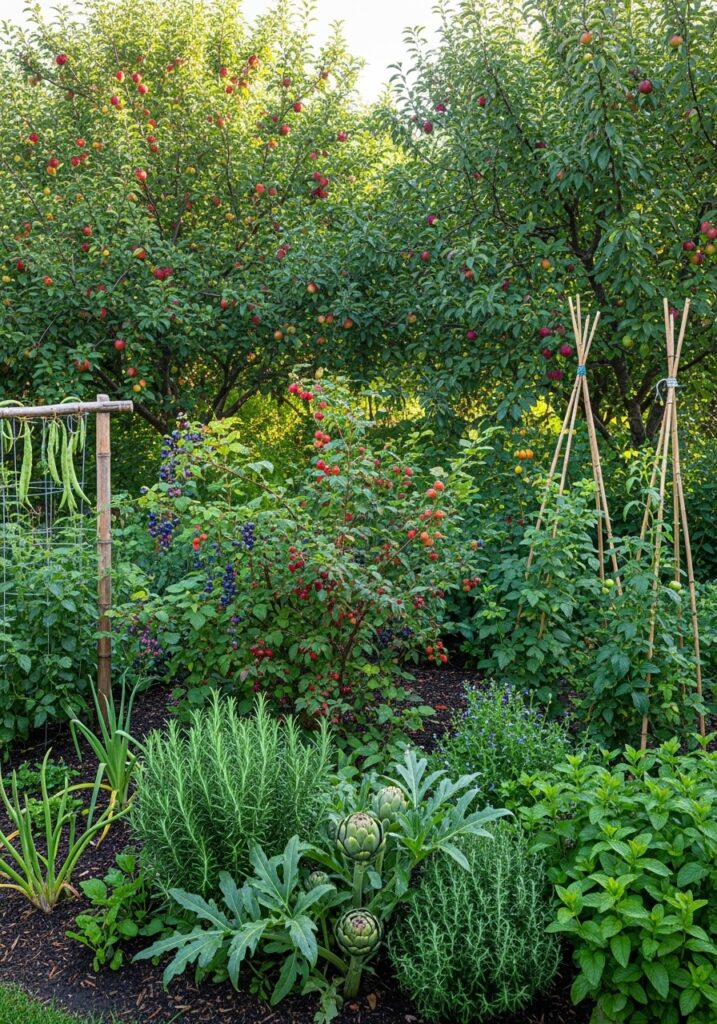
A food forest layers fruit trees, berry bushes, herbs and ground covers like a natural woodland, but everything is useful.
Start small with one fruit tree and build layers around it over time.
- Lots of food
- Low maintenance over time
- Eco friendly
40Contemporary Gravel Garden

A contemporary gravel garden pairs pale gravel with architectural plants like agave, grasses and clipped shrubs.
Keep the plant list short and repeat it for a clean, designed look.
- Clean lines
- Water wise
- Modern feel
41Enclosed Courtyard Garden
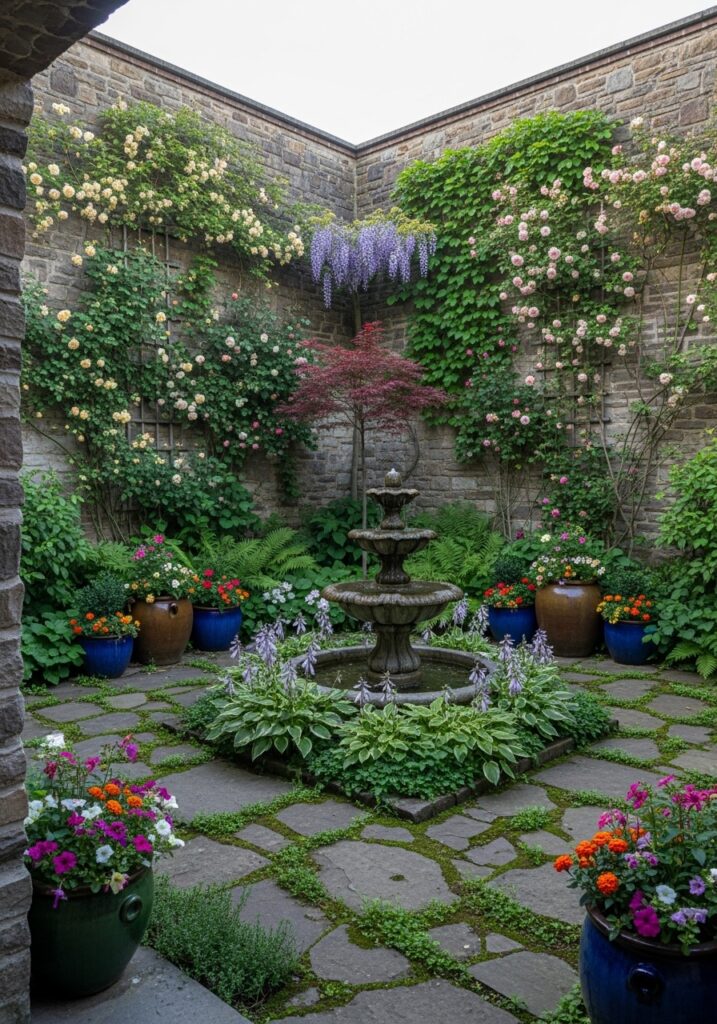
A small enclosed courtyard can feel like an outdoor room. Use walls for climbers, add a table and fill corners with pots.
Pale walls bounce light around and make the space feel bigger.
- Private outdoor room
- Great for small spaces
- Cozy
42Wildflower Meadow Design
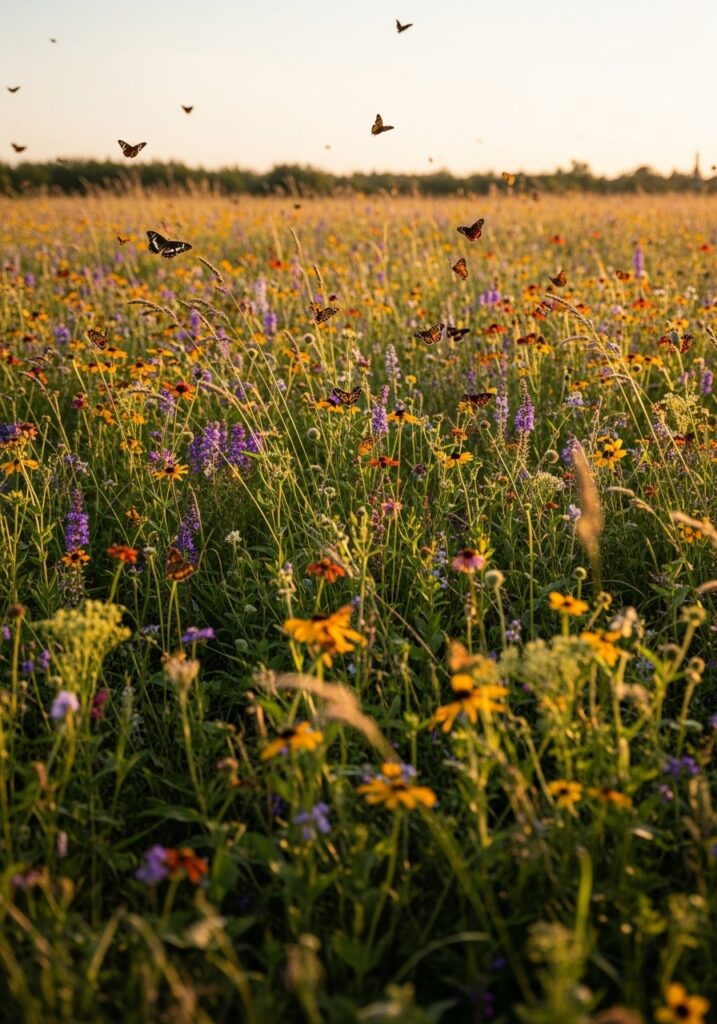
Even a small patch of lawn can become a mini meadow full of wildflowers and native grasses.
Native ornamental grass seeds give the meadow its soft backbone. Mow a path through it so it looks intentional.
- Wildlife haven
- Low mowing
- Beautiful movement

My Pick
Native Ornamental Grass Seeds
Native grasses that give a meadow its soft, natural backbone.
43Deck Container Garden
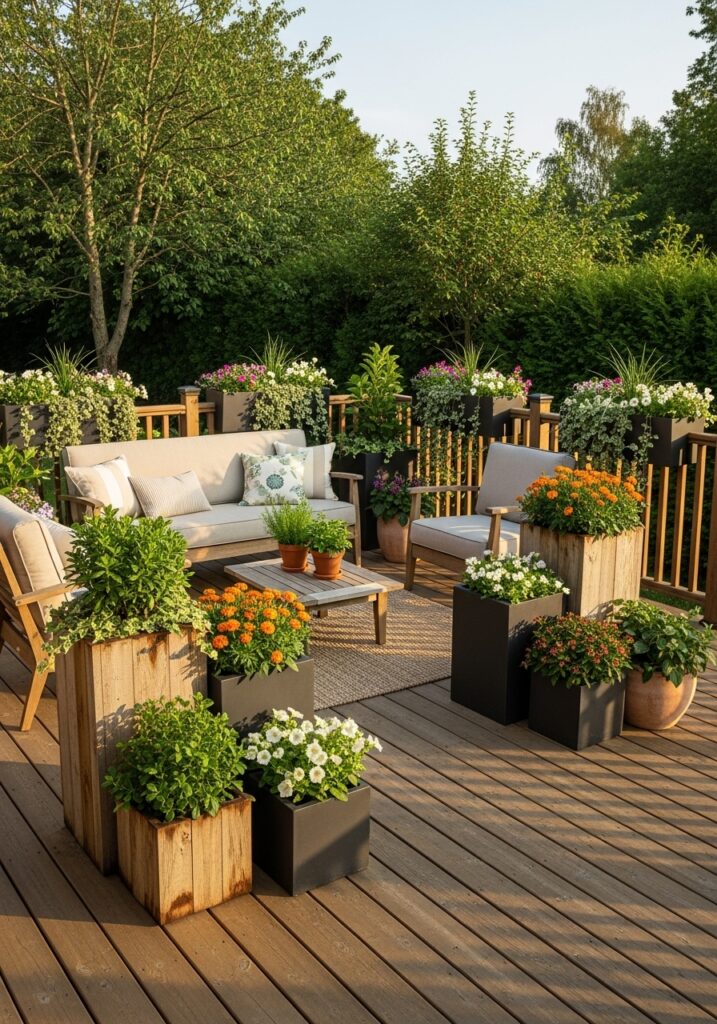
A deck garden uses pots, railing planters and hanging baskets to bring green right where you sit.
Check that your deck can take the weight of large, wet pots, and use saucers to protect the boards.
- Green where you sit
- Easy to change
- Great for small yards
44Biodiverse Native Garden

A native garden uses plants that naturally grow in your region. They support local wildlife and usually need less water and care.
Your local extension office or native plant society can tell you the best plants for your area.
- Supports local wildlife
- Less watering
- Naturally tough
45Evening Garden Design
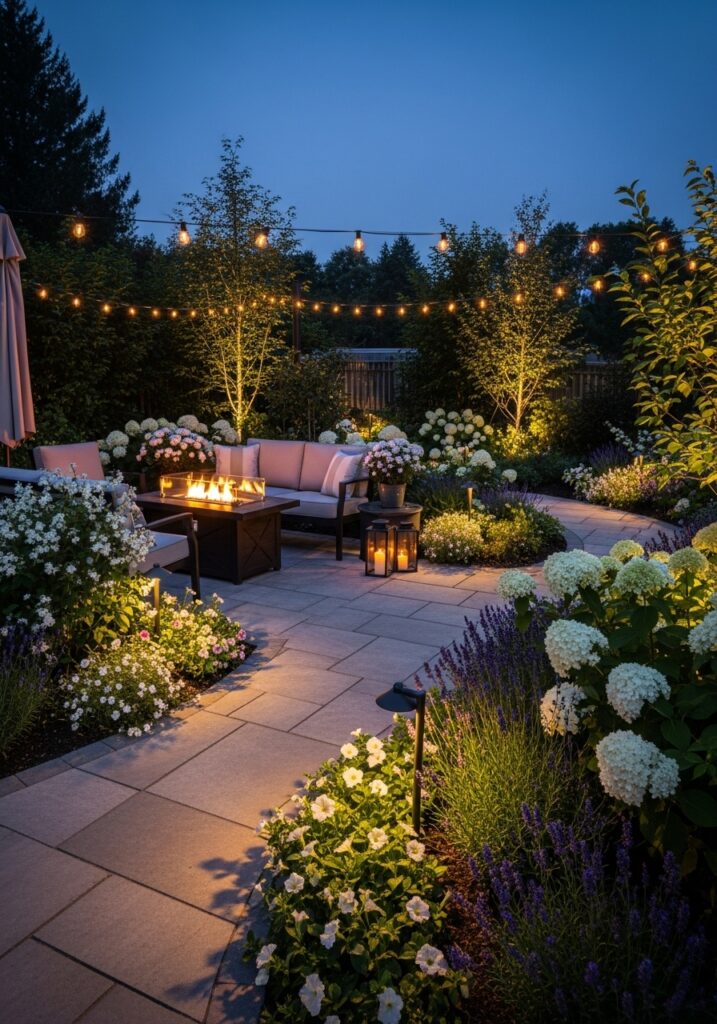
An evening garden is designed to be enjoyed after dark, with soft lighting, white flowers and scented plants.
Solar string lights add a warm glow with no wiring at all.
- Enjoy after dark
- Warm glow
- Relaxing evenings
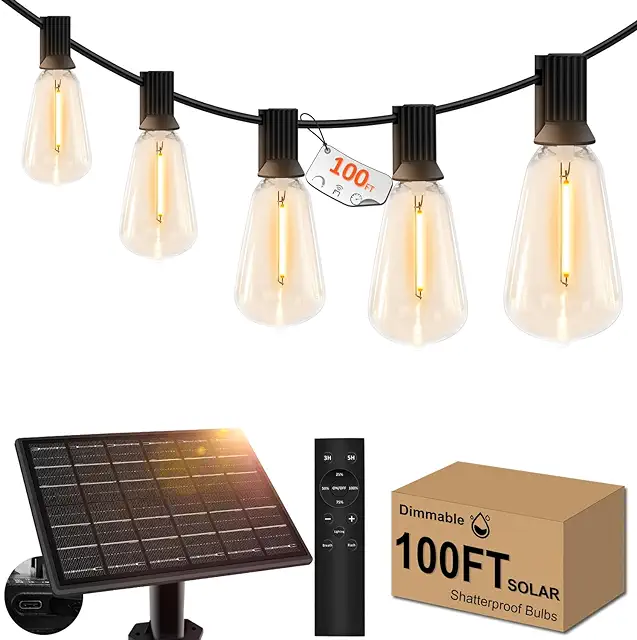
My Pick
Solar String Lights
Warm evening light with no wiring, so the garden works after dark.
Frequently Asked Questions
How do I start designing my garden?
Decide how you want to use the space, pick a style you love, note where the sun falls and sketch a simple plan before buying plants.
What is the easiest garden style for beginners?
Cottage, container and native gardens are forgiving and easy to start, because they do not depend on perfect layouts.
How do I make a small garden look bigger?
Use curving paths, vertical growing, mirrors or pale walls and keep a simple color palette.
How do I design a low maintenance garden?
Choose native and drought tolerant plants, use mulch or gravel, and plant densely so there is less room for weeds.
Final Thoughts on Garden Design Ideas
A well designed garden does not happen by accident, but it does not need to be complicated either. Pick a style, plan a little and plant with purpose.
Start with one area this season, maybe a curved path or a layered border. Honestly, once one corner looks right, the rest of the garden follows.


Amir Ali is the founder and site administrator of HomeDecorEdge, a modern home decor and interior design platform. Since starting the site, he has combined his passion for interior design, practical styling, and color coordination with hands-on content strategy and site management. He guides authors, curates high-quality articles, and ensures readers have access to actionable, visually inspiring, and user-focused home decor advice for apartments, small rooms, and family homes.