

Most people wrap up their vegetable garden the second summer heat starts fading, but that’s honestly the exact wrong moment to quit, since a whole range of crops actually prefer the cooler weather fall brings. Timing matters more here than with a spring garden, since the goal is getting everything established before the first real frost shows up. These 15 fall garden vegetables cover the crops, timing, and protection methods that make an autumn harvest genuinely worthwhile.
This post contains affiliate links. If you purchase through these links I may earn a small commission at no extra cost to you.
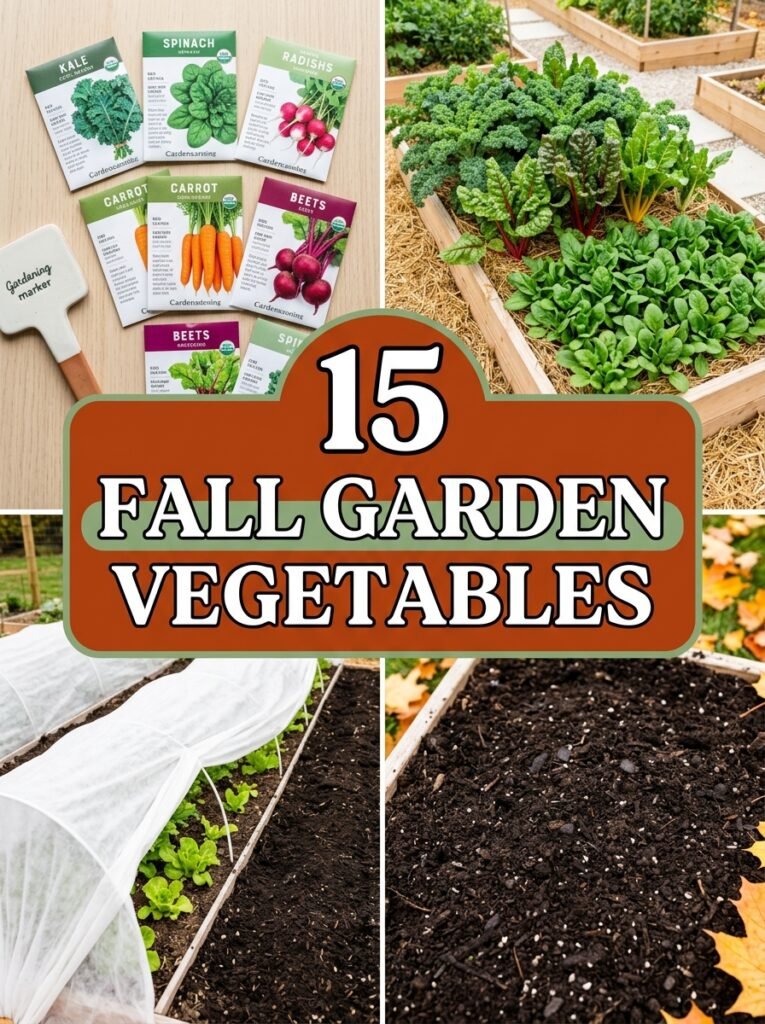
1. Start with a Cool Weather Seed Mix
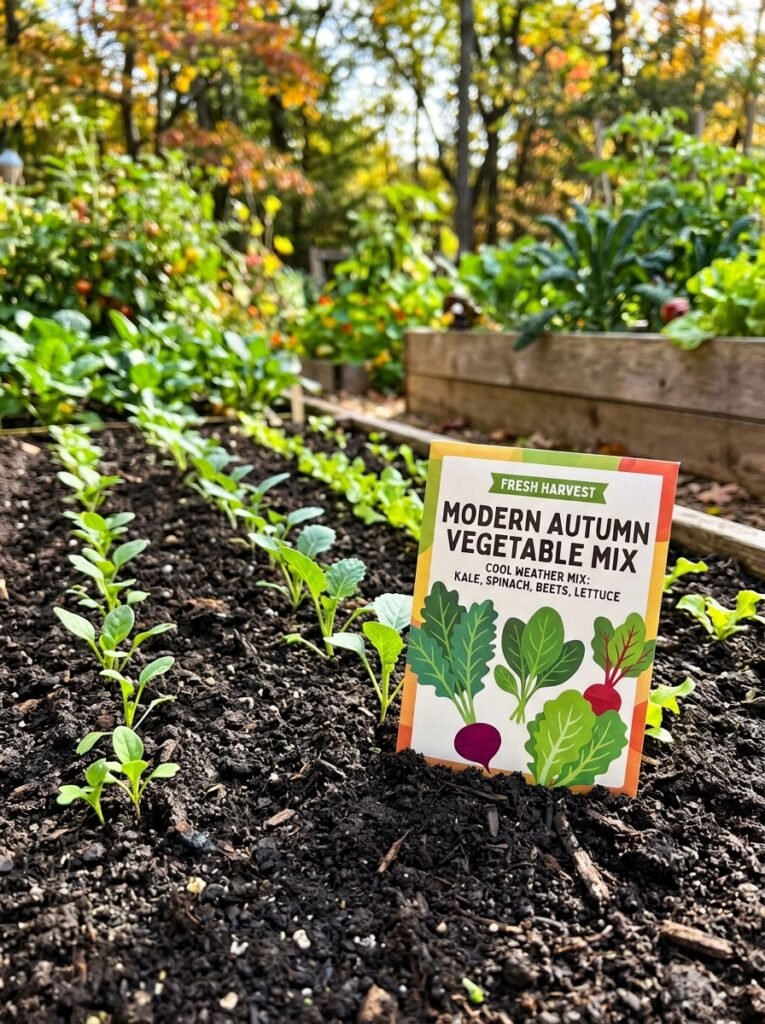
Starting with a seed mix specifically curated for fall planting takes the guesswork out of choosing crops that actually thrive as temperatures drop rather than fight against the season. This fall vegetable seeds mix includes varieties like kale, lettuce, and radishes that germinate well in cooler soil, giving a genuinely reliable starting point for a first fall garden.

Fall Vegetable Seeds Mix
Curated seed mix of cool weather crops for a reliable fall garden
Check Price on Amazon2. Build a Raised Bed for Better Drainage
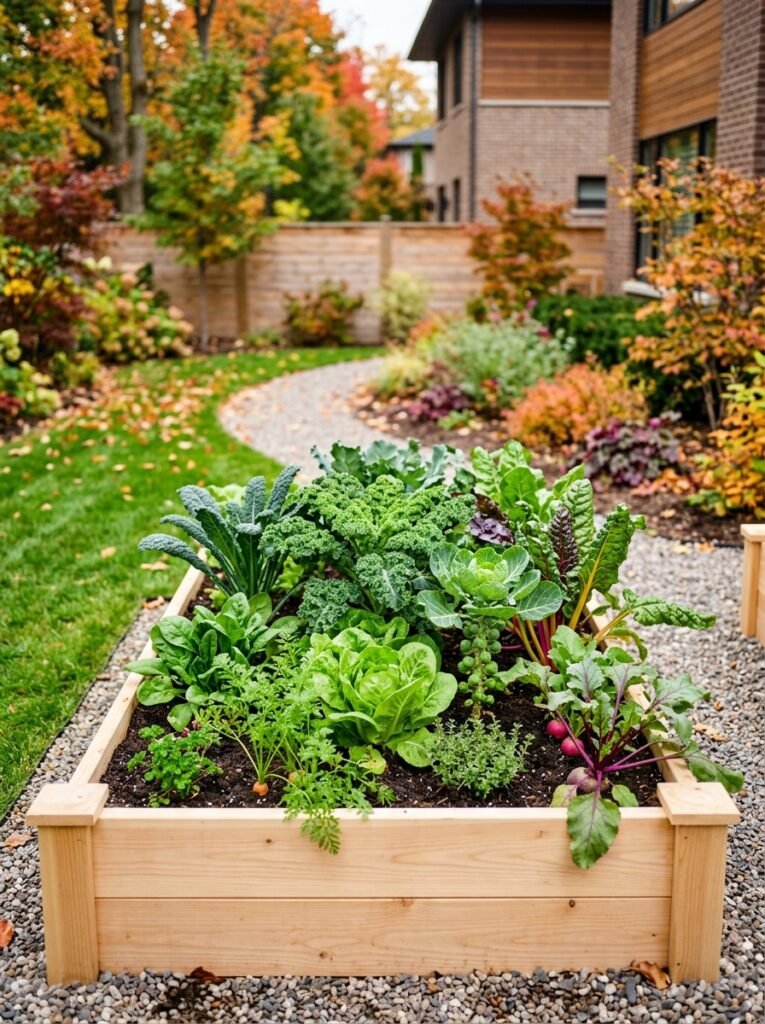
A raised bed warms up and drains faster than ground level soil, which genuinely matters for fall crops needing to establish quickly before the growing window closes. This raised garden bed kit assembles in an afternoon, giving fall vegetables the improved drainage and slightly warmer root zone that helps them get going despite dropping air temperatures.

Raised Garden Bed Kit
Raised bed kit for improved drainage and faster fall vegetable growth
Check Price on Amazon3. Protect Crops with Row Cover Fabric
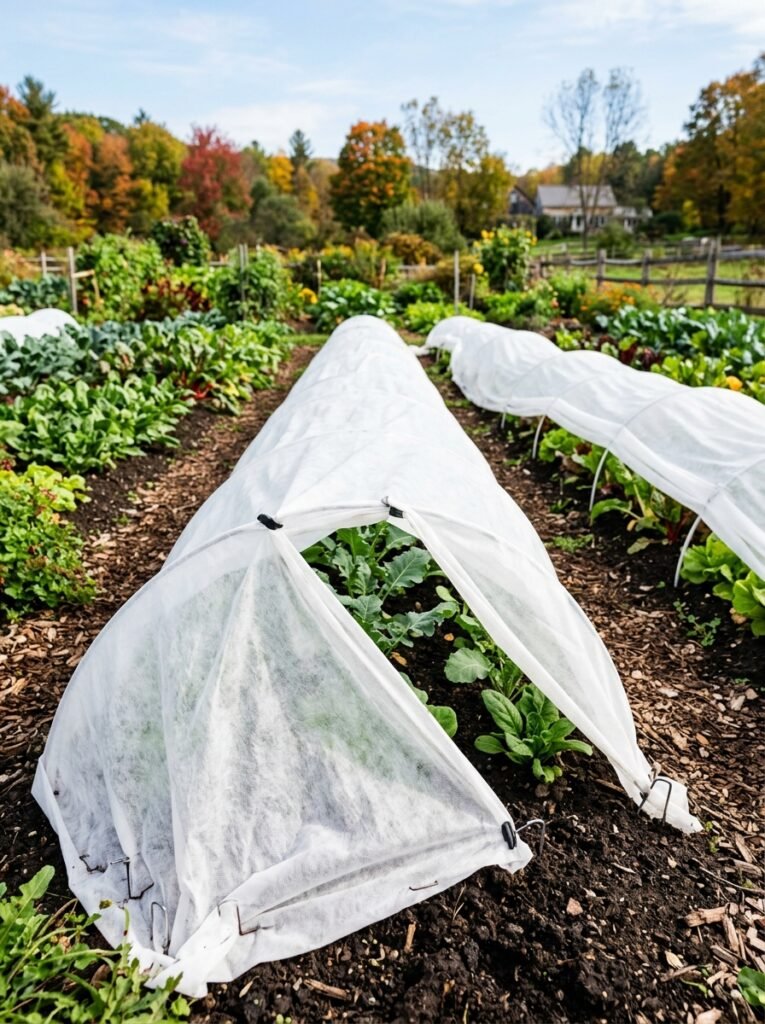
An unexpected early frost can wipe out weeks of fall growing progress overnight, and row cover fabric provides a genuinely reliable buffer against that risk. This garden row cover fabric drapes directly over crop rows, trapping a bit of ground heat while still letting light and water through underneath.

Garden Row Cover Fabric
Row cover fabric for protecting fall vegetables from early frost
Check Price on Amazon4. Refresh Soil with an Amendment
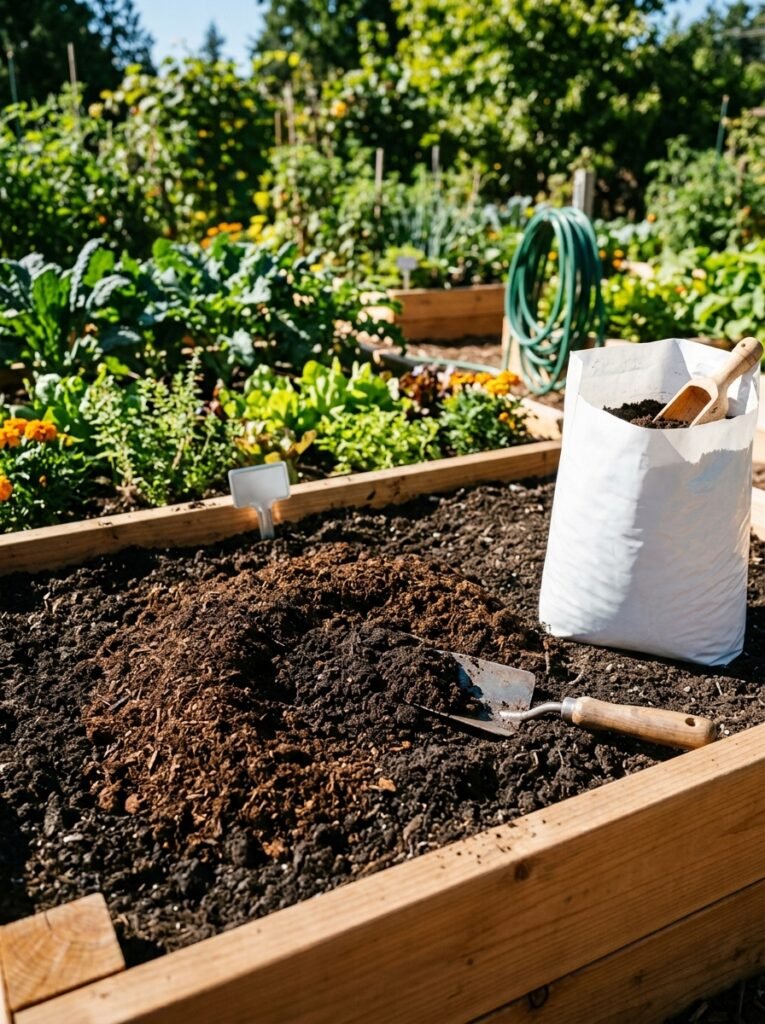
Soil that spent all summer feeding heat loving crops like tomatoes and peppers genuinely benefits from a nutrient boost before starting a new round of fall planting. This vegetable garden soil amendment replenishes nitrogen and organic matter that summer crops depleted, giving fall vegetables a genuinely fresh nutrient base to grow in.

Vegetable Garden Soil Amendment
Soil amendment for refreshing nutrients before fall vegetable planting
Check Price on Amazon5. Grow Kale for a Frost Sweetened Harvest
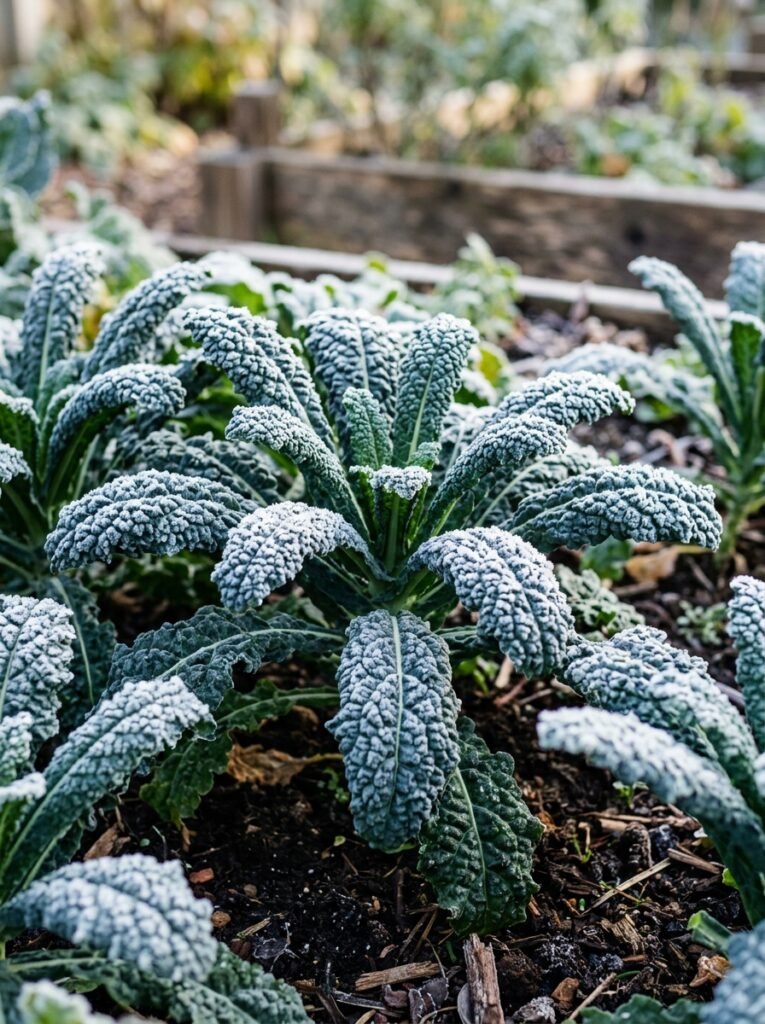
Kale genuinely improves in flavor after a light frost, converting starches into sugars that make the leaves noticeably sweeter than a summer harvest. This resilience makes kale one of the most forgiving fall crops, tolerating temperature swings that would stress out most other vegetables entirely.
6. Plant Lettuce for Quick Cool Season Growth
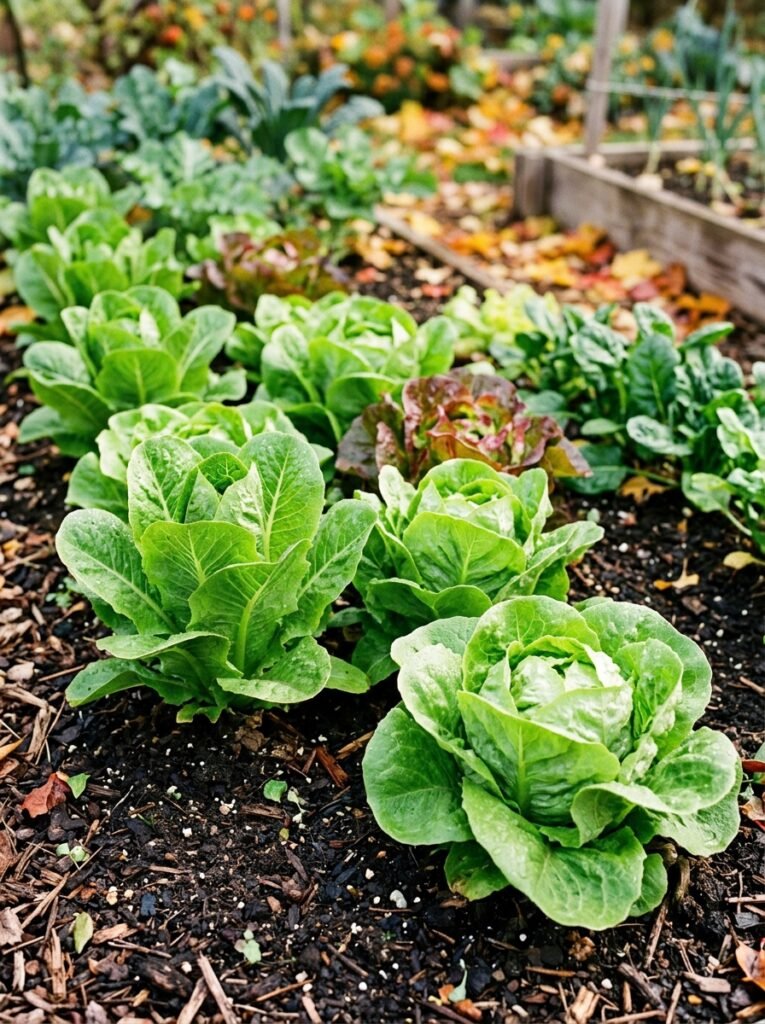
Lettuce bolts and turns bitter in summer heat, which makes fall its genuinely ideal growing window instead. The cooler temperatures slow bolting significantly, giving lettuce time to develop full, tender heads before eventually succumbing to a hard freeze.
7. Sow Radishes for a Fast Turnaround Crop
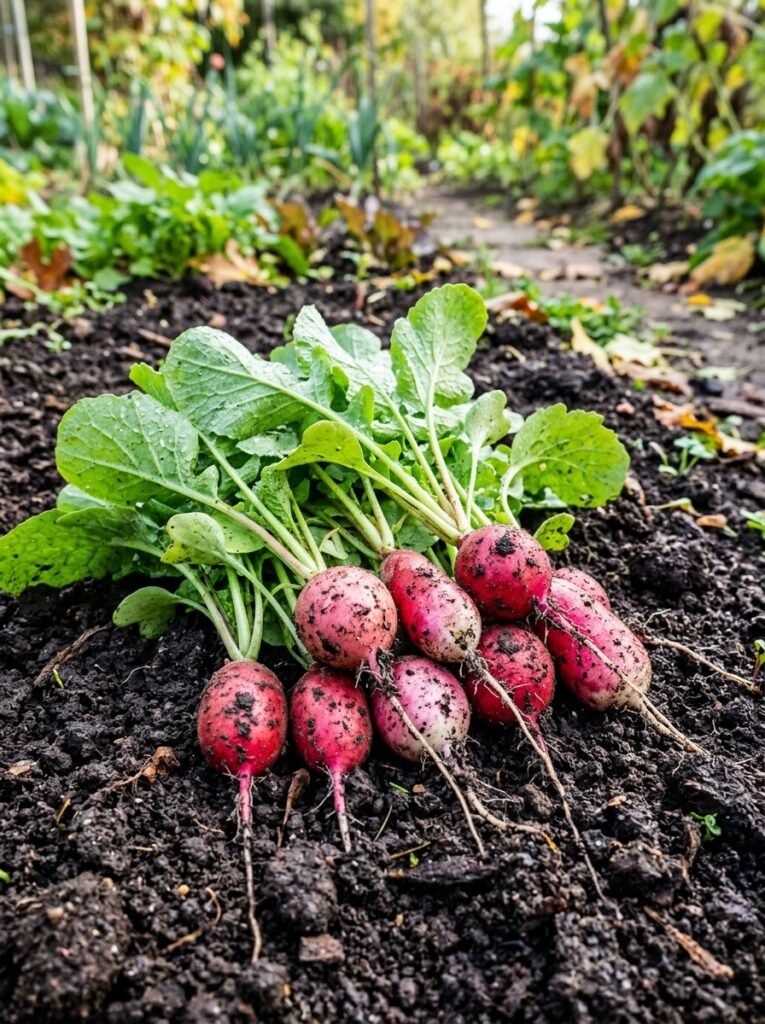
Radishes mature in as little as three to four weeks, making them one of the fastest fall crops available for anyone starting the season a bit later than ideal. This quick turnaround also makes radishes a genuinely satisfying crop for beginners who want to see results without a long wait.
8. Grow Spinach for Cold Hardy Greens
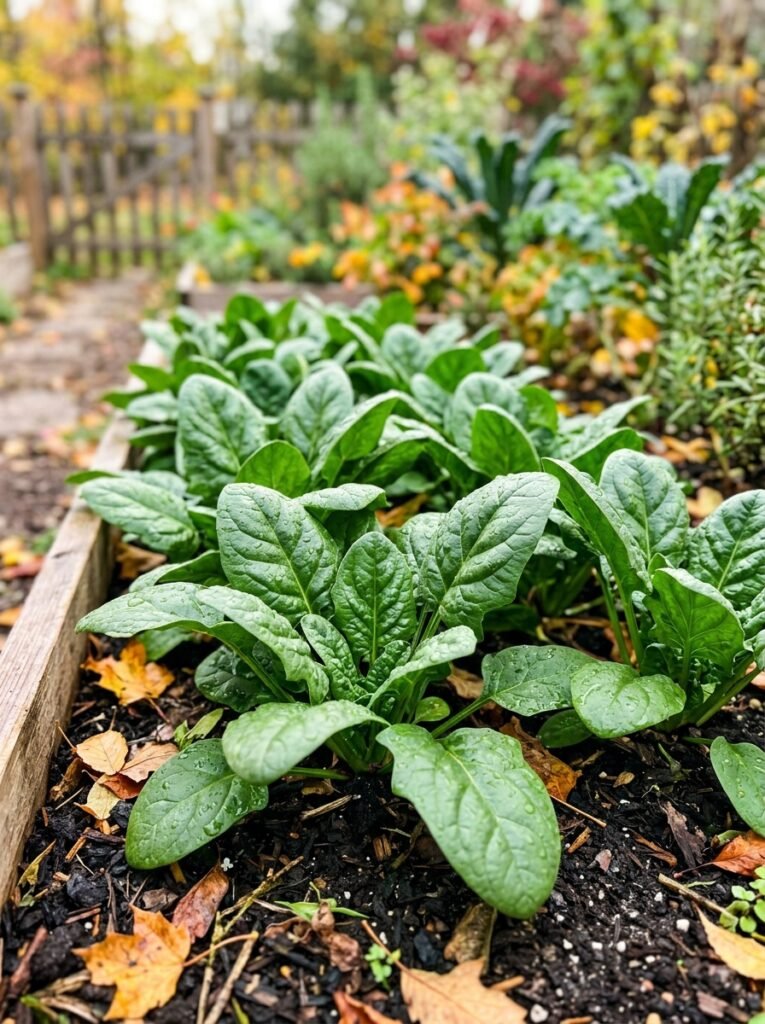
Spinach handles cold weather remarkably well, often surviving light frosts that would kill more tender greens outright. Planting a fall spinach crop timed correctly can sometimes even overwinter for an early spring harvest, depending on the severity of the local winter.
9. Plant Garlic for a Following Summer Harvest
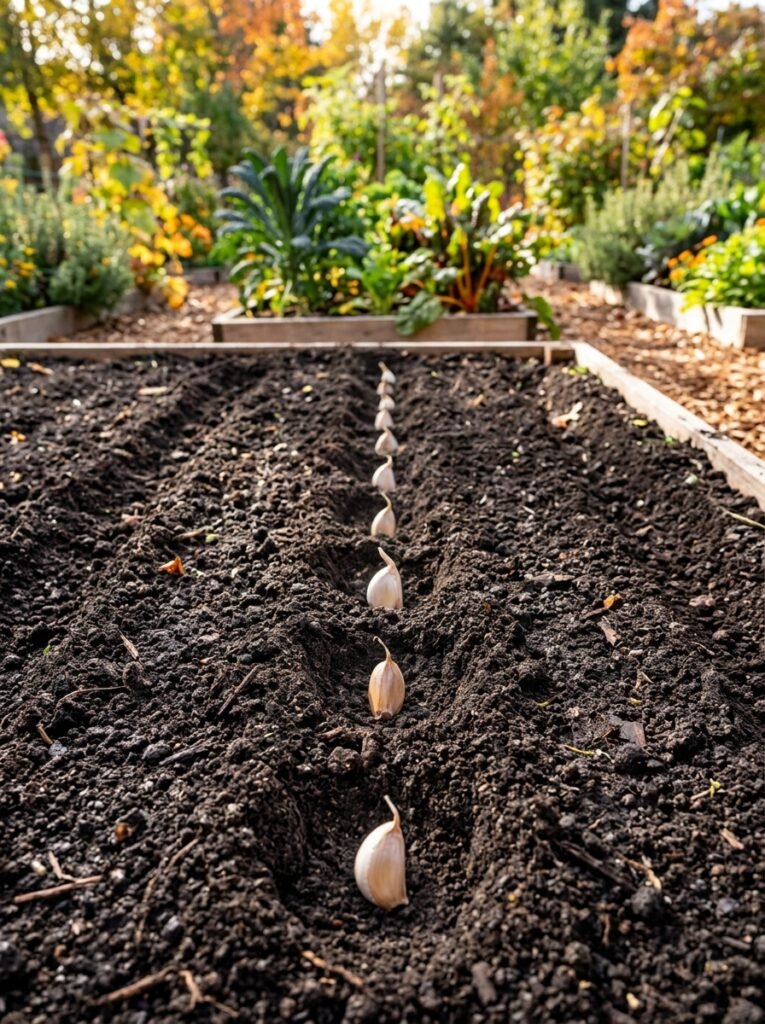
Garlic planted in fall spends winter establishing roots underground before putting on visible growth the following spring, ultimately harvesting the following summer rather than that same fall season. This long timeline makes garlic a genuinely different kind of fall planting project compared to the quicker crops on this list.
10. Grow Broccoli in Cooler Temperatures
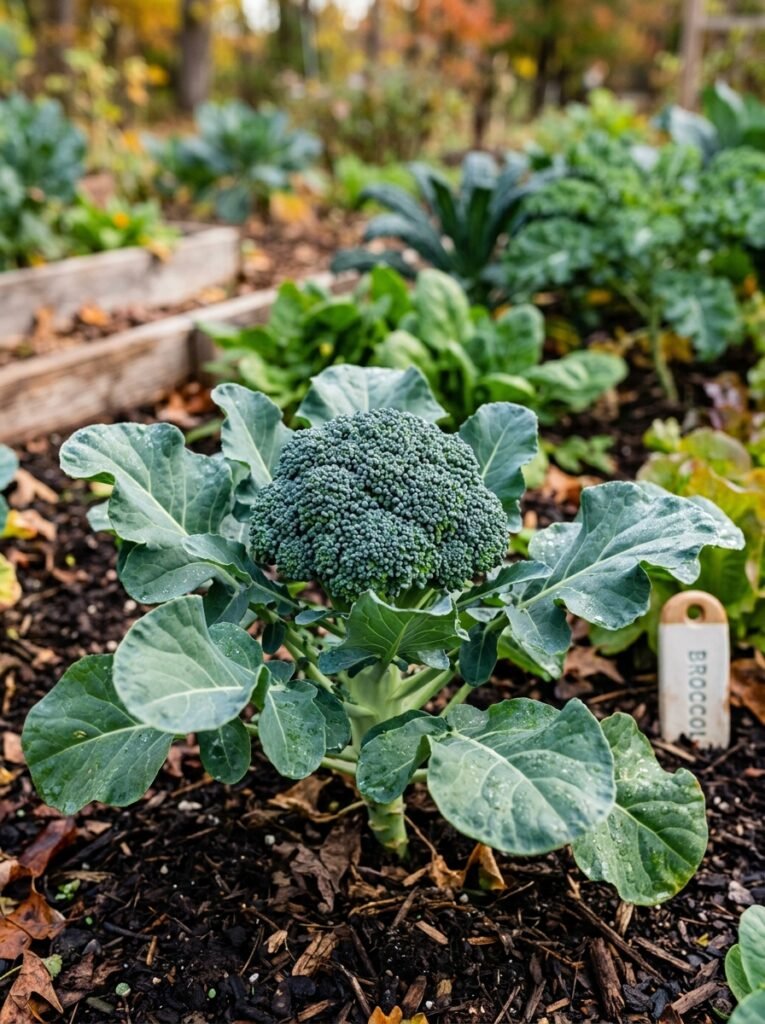
Broccoli genuinely prefers the steady cool temperatures fall provides over the inconsistent heat of summer, often producing tighter, more flavorful heads as a result. Timing the planting so heads mature before a hard freeze takes some planning, but the payoff in flavor makes it worth the effort.
11. Plant Carrots for Sweeter Roots
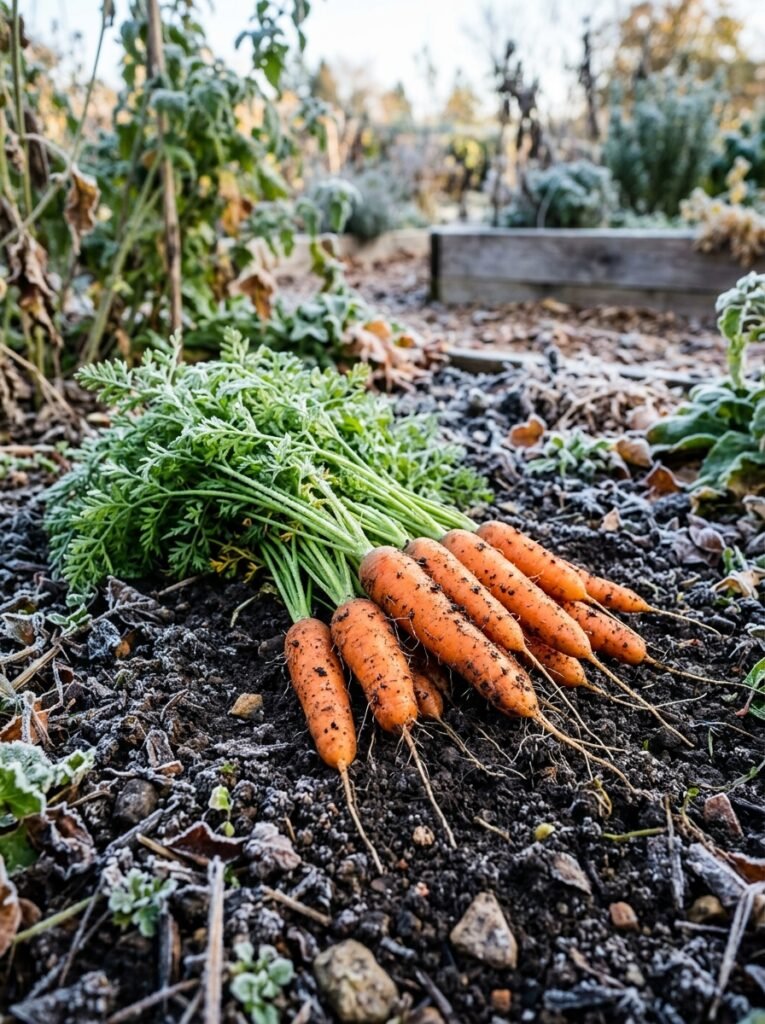
Similar to kale, carrots left in the ground through a light frost convert starches to sugar, resulting in genuinely sweeter roots than a summer harvest typically produces. This makes carrots one of the more rewarding fall crops for anyone patient enough to let them sit through the first cold snap.
12. Time Planting Around the First Frost Date
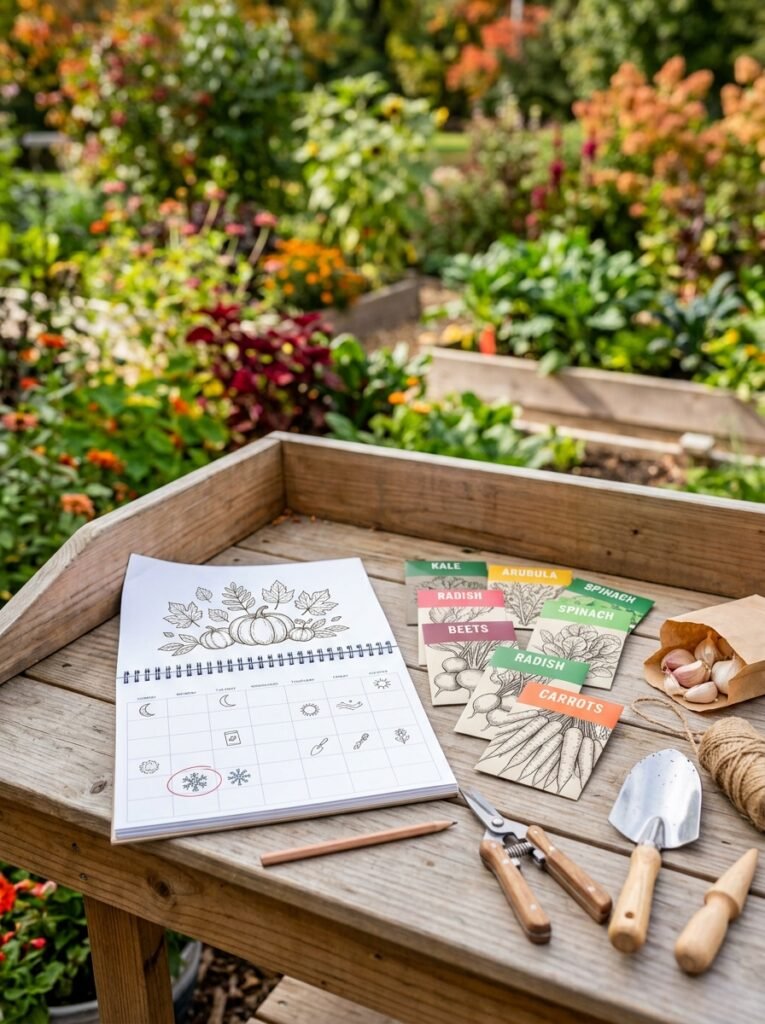
Working backward from the average first frost date for your specific region determines exactly when fall crops need to go into the ground to mature in time. This timing calculation matters more than almost anything else covered in this list, since even the hardiest crop needs enough growing time before winter genuinely sets in.
13. Adapt Timing for Warmer Zones
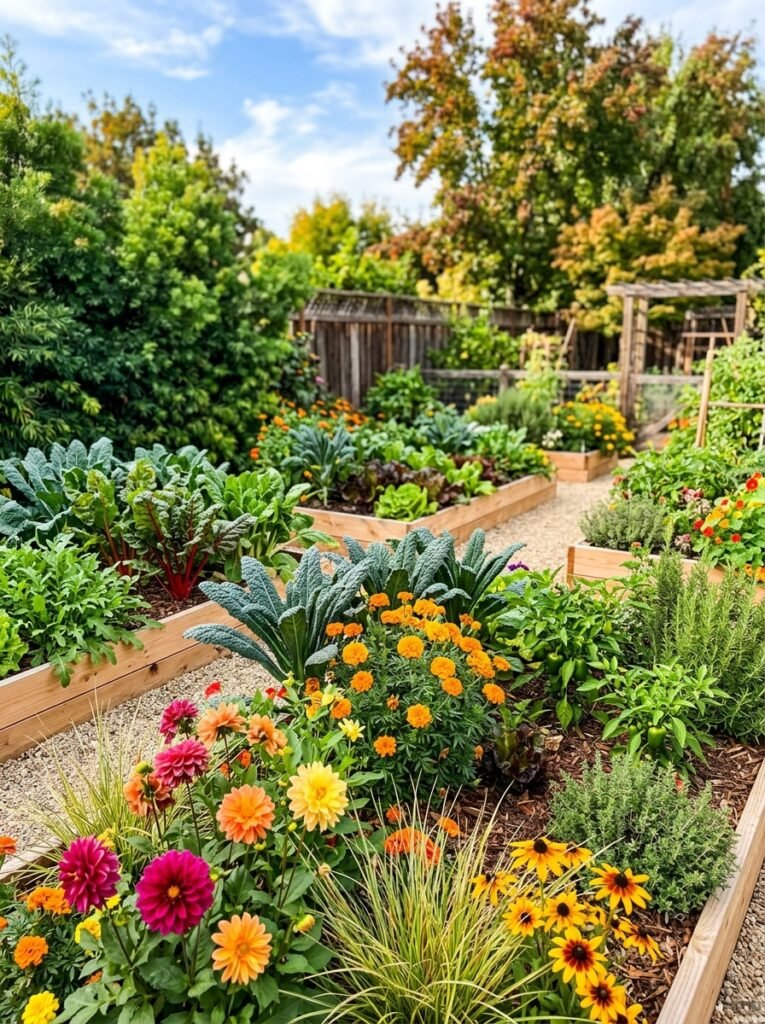
Gardeners in warmer regions, zones 8 and above, often have a much longer fall growing window than colder zones, sometimes extending planting well into what colder areas would already consider winter. This regional flexibility means checking local extension office guidelines matters more than following a generic national planting calendar.
14. Extend the Season with a Cold Frame
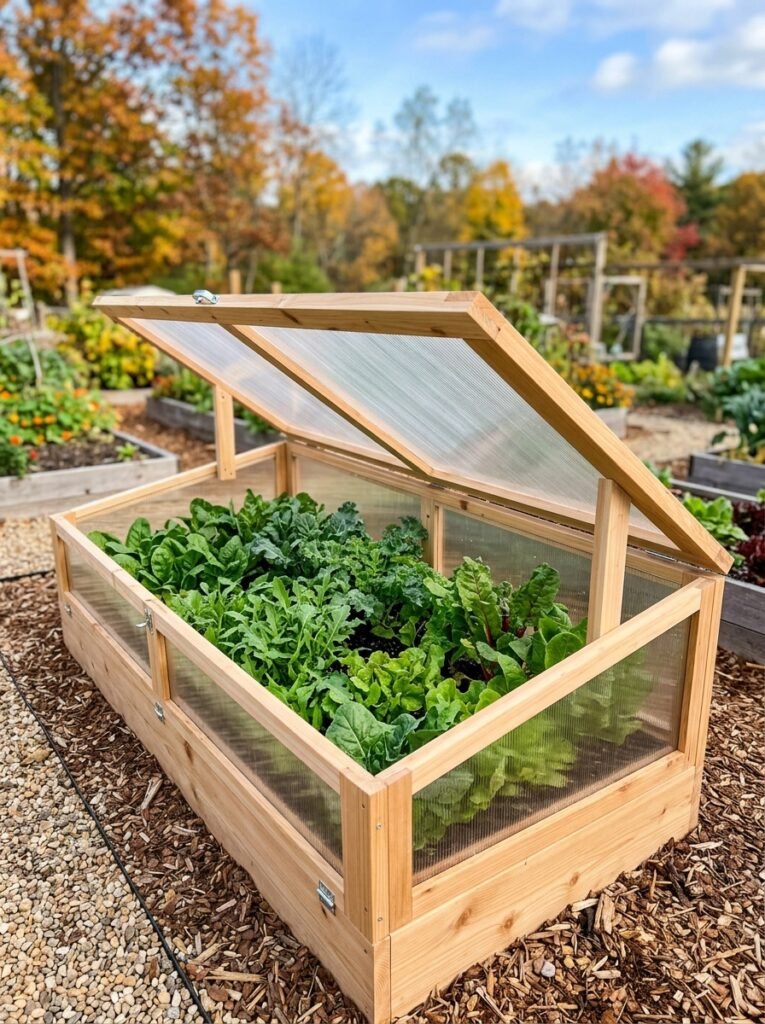
A simple cold frame built over an existing garden bed extends the fall growing season by trapping heat similar to a mini greenhouse, letting more cold sensitive crops survive longer into the season. This structure pairs well with the season extending thinking covered in greenhouse ideas for other ways to protect plants from dropping temperatures.
15. Pair Fall Vegetables with Garden Layout Planning
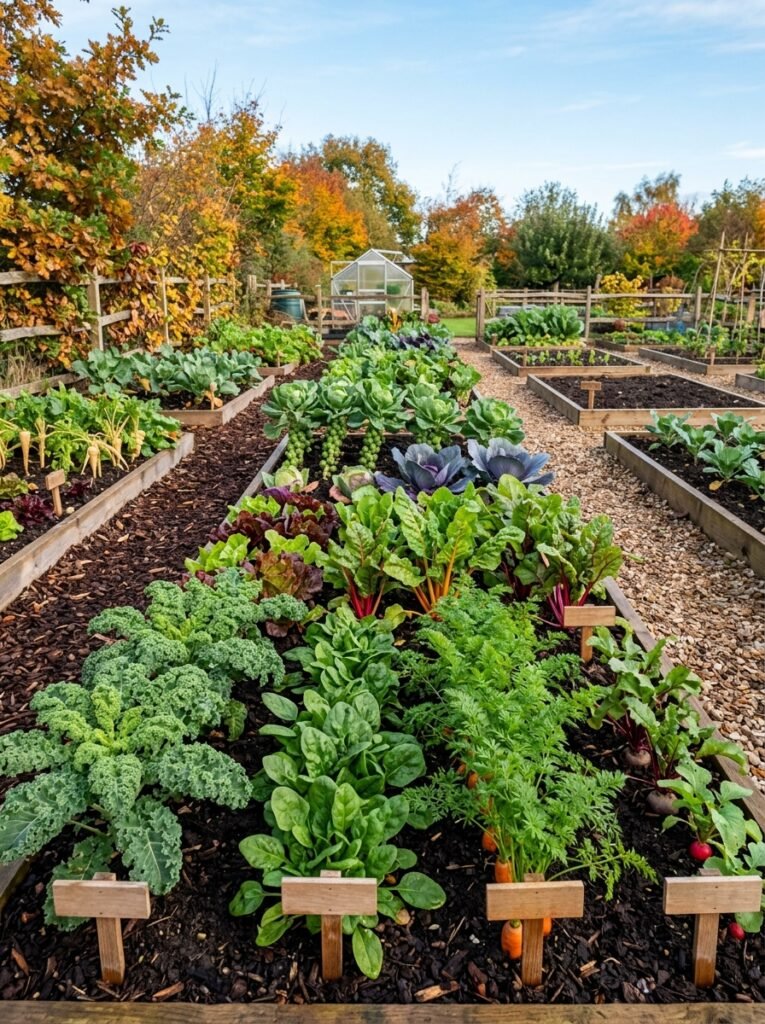
Positioning fall crops within the existing garden layout based on sun exposure and soil quality matters just as much in fall as it does during a spring planting season. This planning approach pairs well with the bed construction techniques covered in 41 raised garden bed ideas for setting up productive growing space season after season.
Final Thoughts on Fall Garden Vegetables
A successful fall vegetable garden really comes down to timing and choosing crops that genuinely thrive in cooler weather rather than fighting against it, since kale and carrots actually taste better after a frost while lettuce and spinach avoid the bolting summer heat causes. Working backward from the local first frost date and getting seeds in the ground with enough lead time makes the difference between a productive autumn harvest and crops that never quite reach maturity before winter arrives.


Amir Ali is the founder and site administrator of HomeDecorEdge, a modern home decor and interior design platform. Since starting the site, he has combined his passion for interior design, practical styling, and color coordination with hands-on content strategy and site management. He guides authors, curates high-quality articles, and ensures readers have access to actionable, visually inspiring, and user-focused home decor advice for apartments, small rooms, and family homes.