

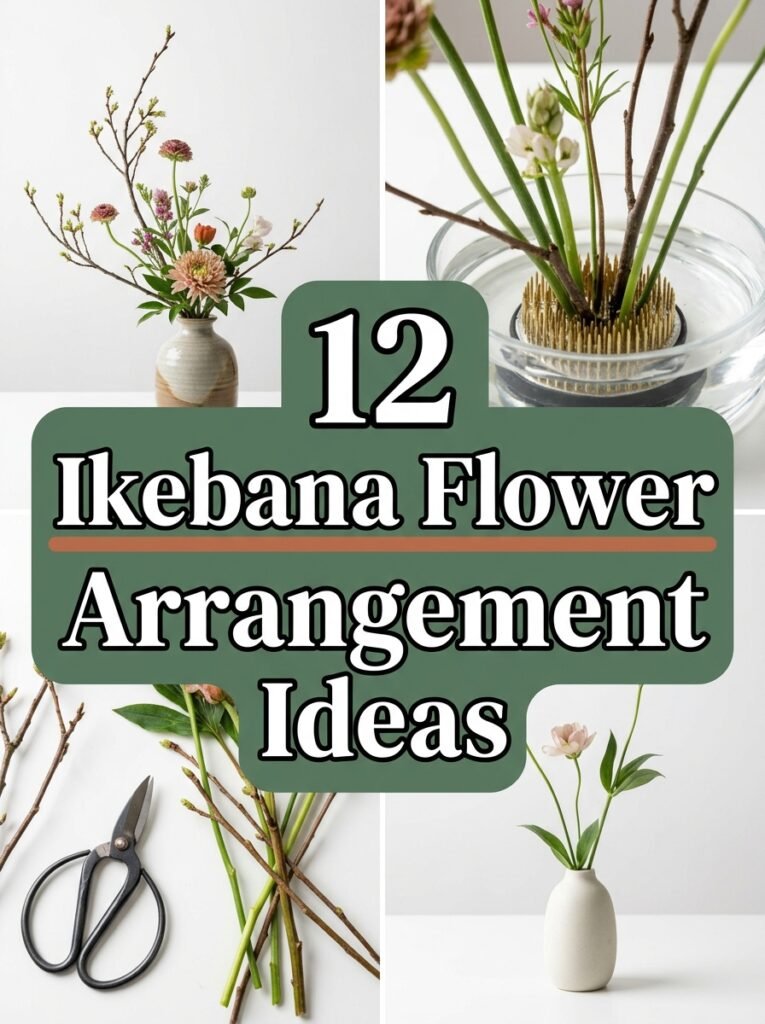
There’s a reason ikebana has stayed relevant for centuries while trend based floral styles come and go, the whole philosophy centers on restraint, using far fewer stems than a typical Western bouquet while giving each one genuine visual weight. A single branch, one bloom, and some open space can honestly say more than an overflowing vase ever could. These 12 ikebana flower arrangement ideas cover the essential tools, techniques, and styling approaches for bringing this minimalist art into a modern home.
This post contains affiliate links. If you purchase through these links I may earn a small commission at no extra cost to you.
1. Choose the Right Ceramic Vase
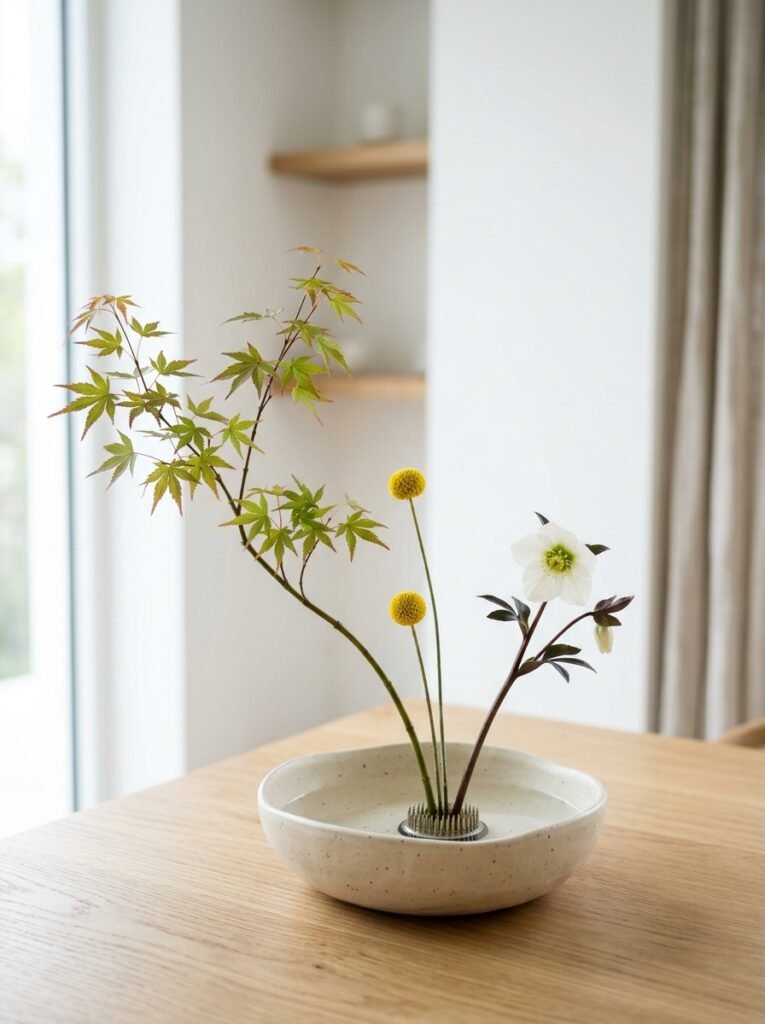
The vessel matters just as much as the flowers themselves in ikebana, since a wide, low ceramic vase supports the open, asymmetrical arrangements this style is known for. This ikebana vase ceramic piece provides the shallow water basin ikebana traditionally uses, giving stems the stability needed to hold dramatic angles.

Ikebana Vase Ceramic
Ceramic vase suited for traditional low water ikebana arrangements
Check Price on Amazon2. Master the Kenzan Pin Holder
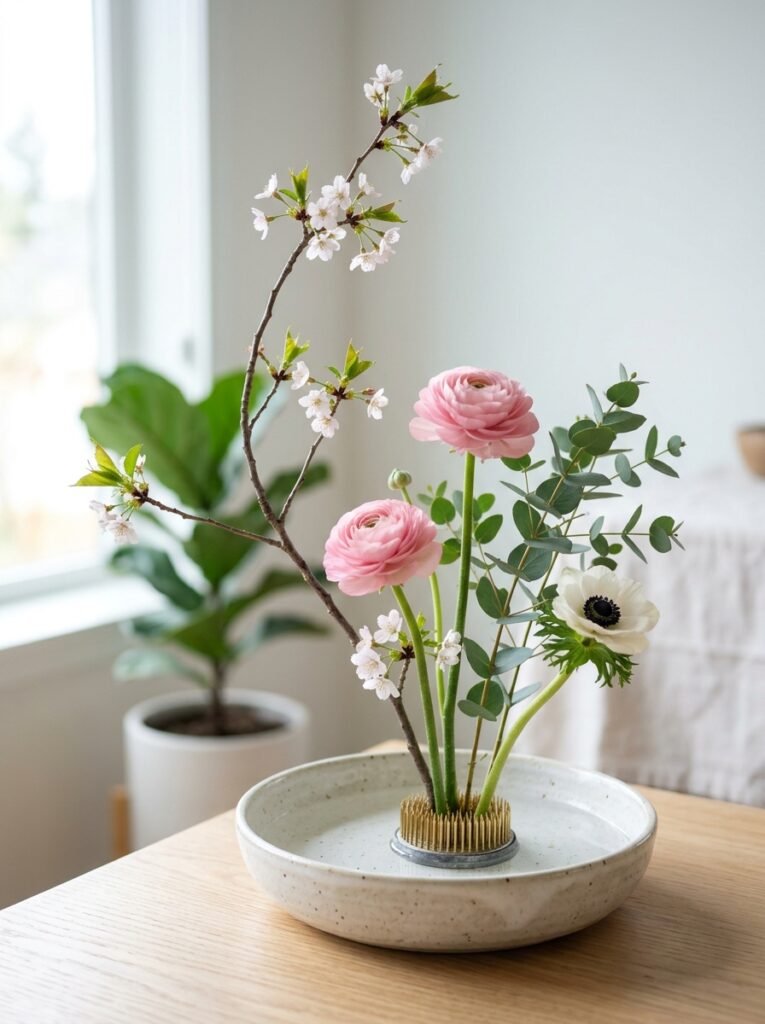
A kenzan, a heavy metal pin holder, is genuinely the tool that makes ikebana’s dramatic angles possible, anchoring each stem securely at whatever height and direction the arrangement calls for. This kenzan flower frog pin holder sits at the base of a shallow vase, hidden beneath the water line once the arrangement is complete.

Kenzan Flower Frog Pin Holder
Metal pin holder for anchoring stems at precise ikebana angles
Check Price on Amazon3. Cut Stems with Proper Floral Scissors
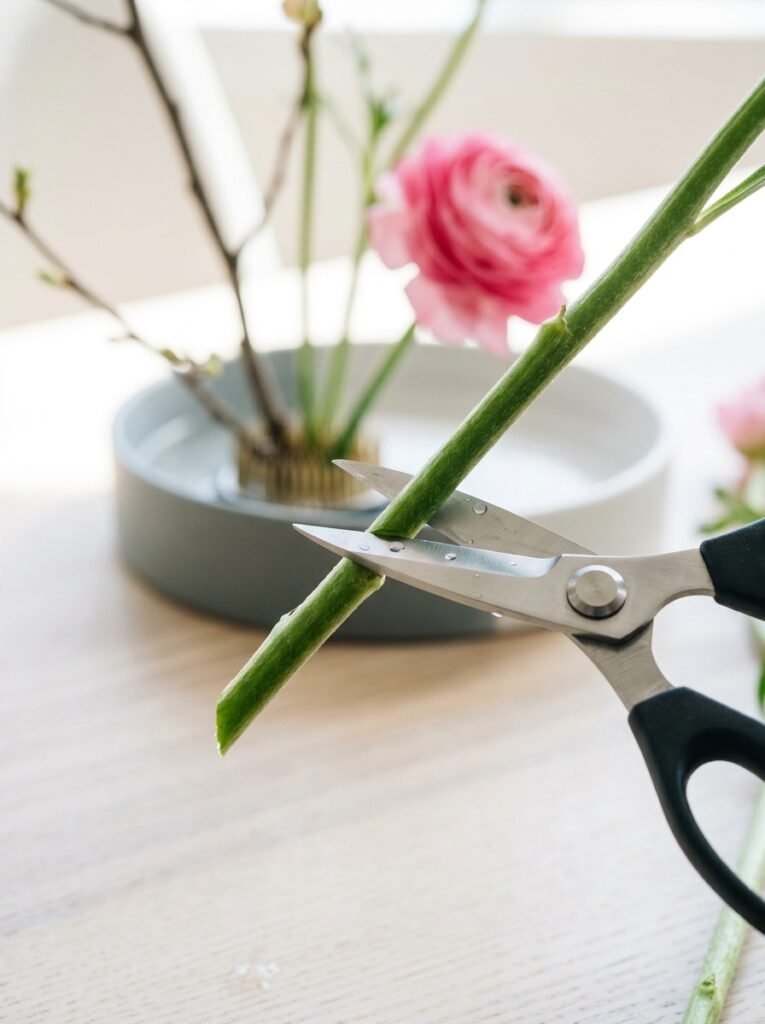
A clean, precise stem cut genuinely matters in ikebana, since every stem stays visible and exposed rather than hidden in a dense cluster of blooms. This floral scissors shears tool cuts through both delicate stems and thicker woody branches without crushing the fibers, which keeps flowers hydrated and lasting longer.

Floral Scissors Shears
Precision scissors for clean stem cuts on both delicate and woody stems
Check Price on Amazon4. Try a Minimalist Bud Vase Arrangement
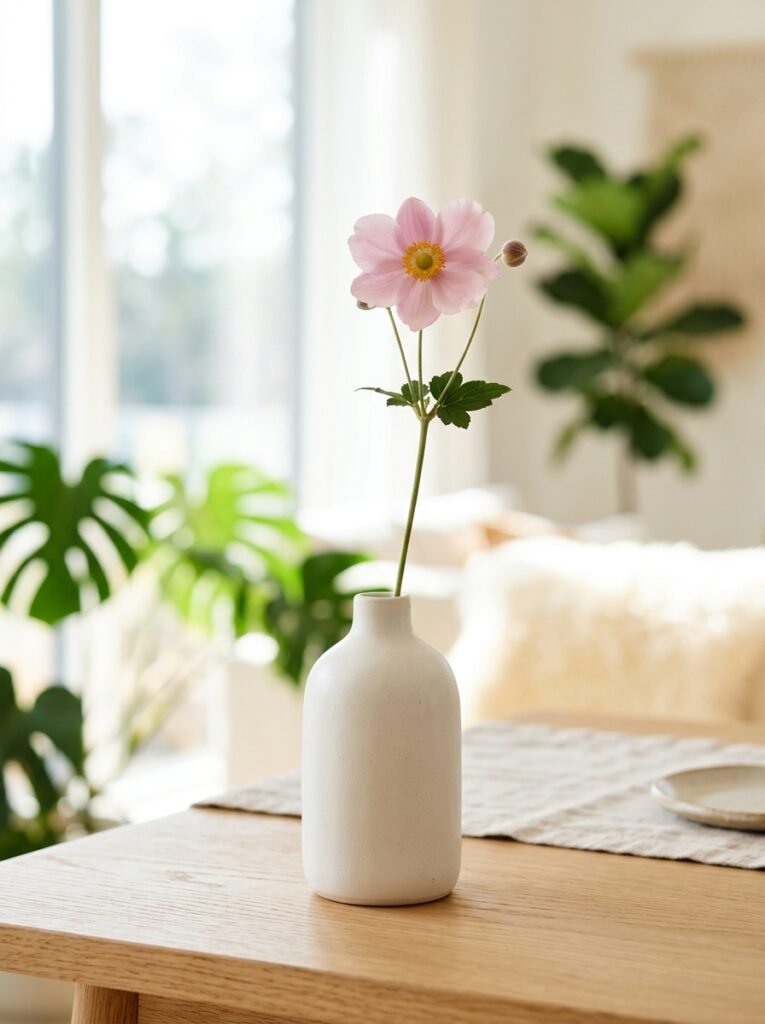
Sometimes the simplest ikebana approach is a single stem in a narrow vase, letting one flower’s natural shape carry the entire arrangement without any competing elements. This ceramic bud vase minimalist piece works beautifully for anyone just starting to learn ikebana’s core principle of restraint before that.
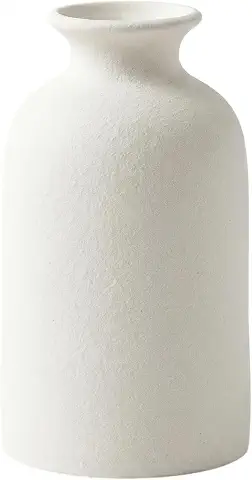
Ceramic Bud Vase Minimalist
Narrow bud vase for single stem minimalist arrangements
Check Price on AmazonStart Your 30-Day Home Reset
Stop waiting for a "perfect" free weekend. Grab the 30-day plan and start feeling lighter in your own home by tomorrow.
View the 30-Day Plan Printable PDF · Instant download5. Build a Simple Three Stem Arrangement
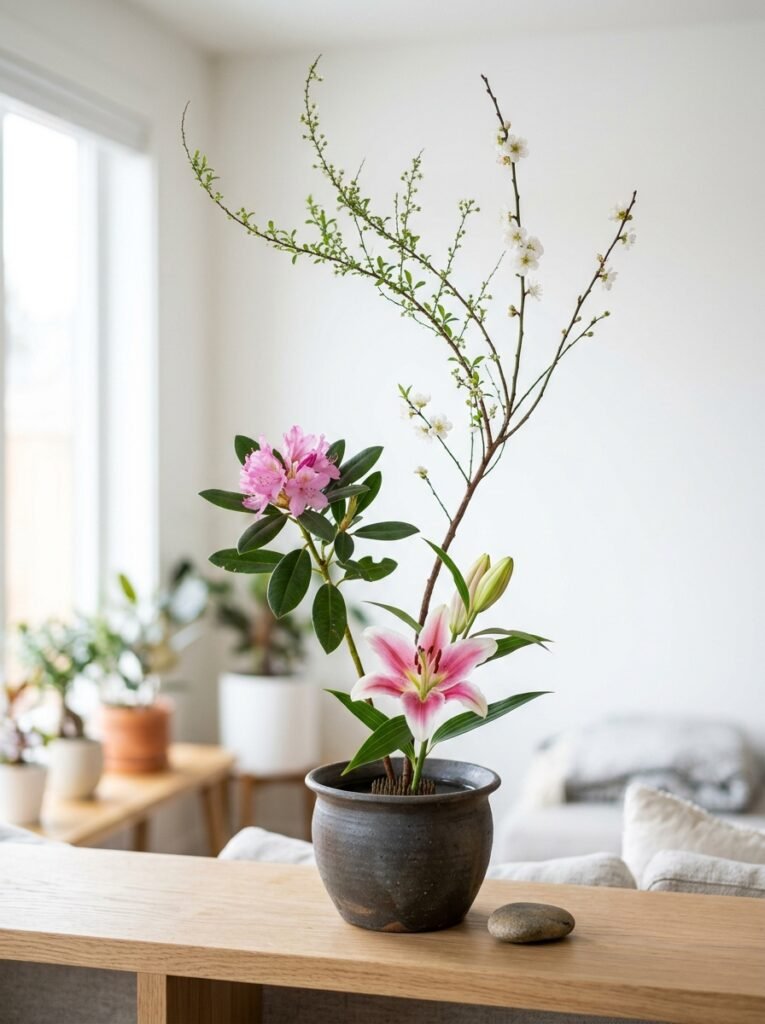
The classic three stem ikebana structure, one tall, one medium, one short, representing heaven, humanity, and earth, gives beginners a genuinely clear framework to follow rather than guessing at proportions. This foundational technique underlies nearly every more advanced ikebana style, making it worth mastering before branching into looser compositions.
6. Design a Modern Geometric Style
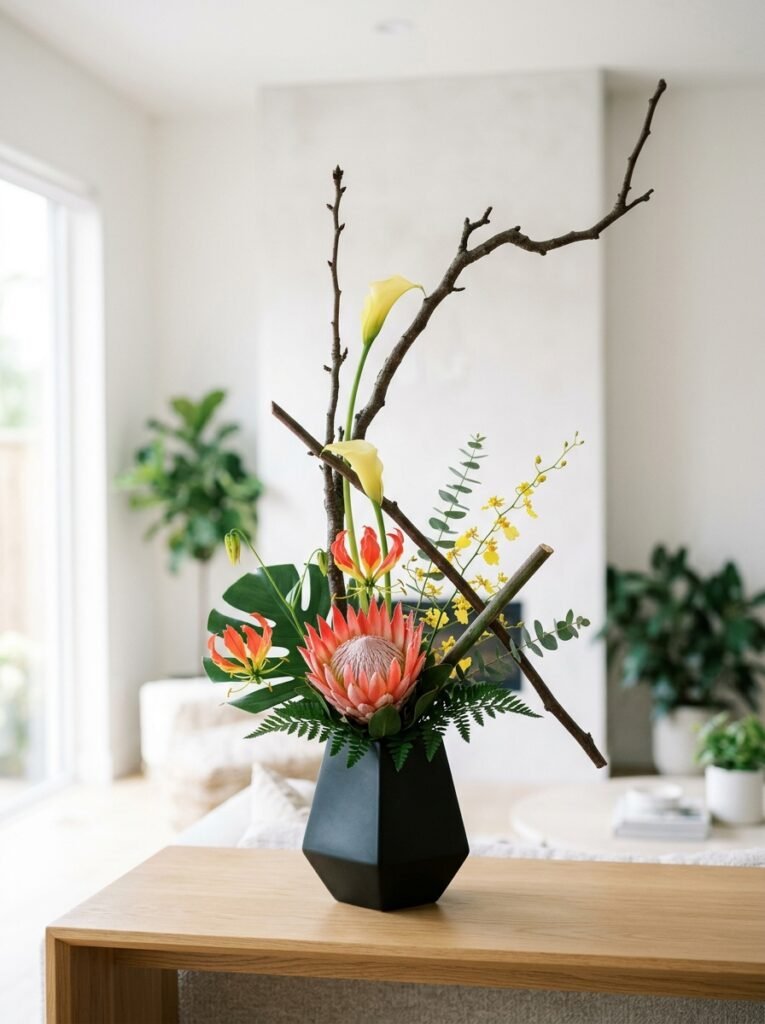
A modern ikebana approach leans into clean geometric lines and often incorporates non-traditional materials, painted branches, unusual foliage, alongside the classic floral elements. This contemporary interpretation works especially well in a minimalist home already leaning toward clean, uncluttered design throughout.
7. Arrange Tropical Elements
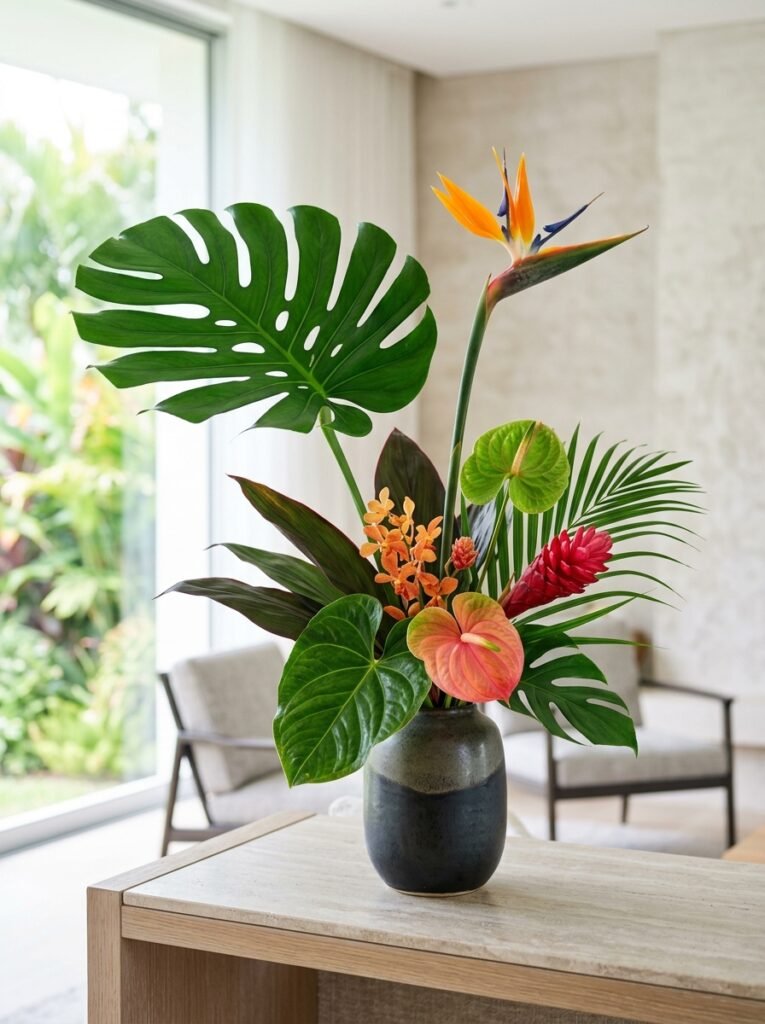
Bold tropical leaves and unusual textured blooms translate surprisingly well into ikebana’s structured approach, since the style’s emphasis on negative space actually highlights each individual leaf’s dramatic shape. This variation brings genuine visual interest without abandoning the core ikebana principle of using far fewer elements than a typical arrangement.
8. Create a Monochrome White Arrangement
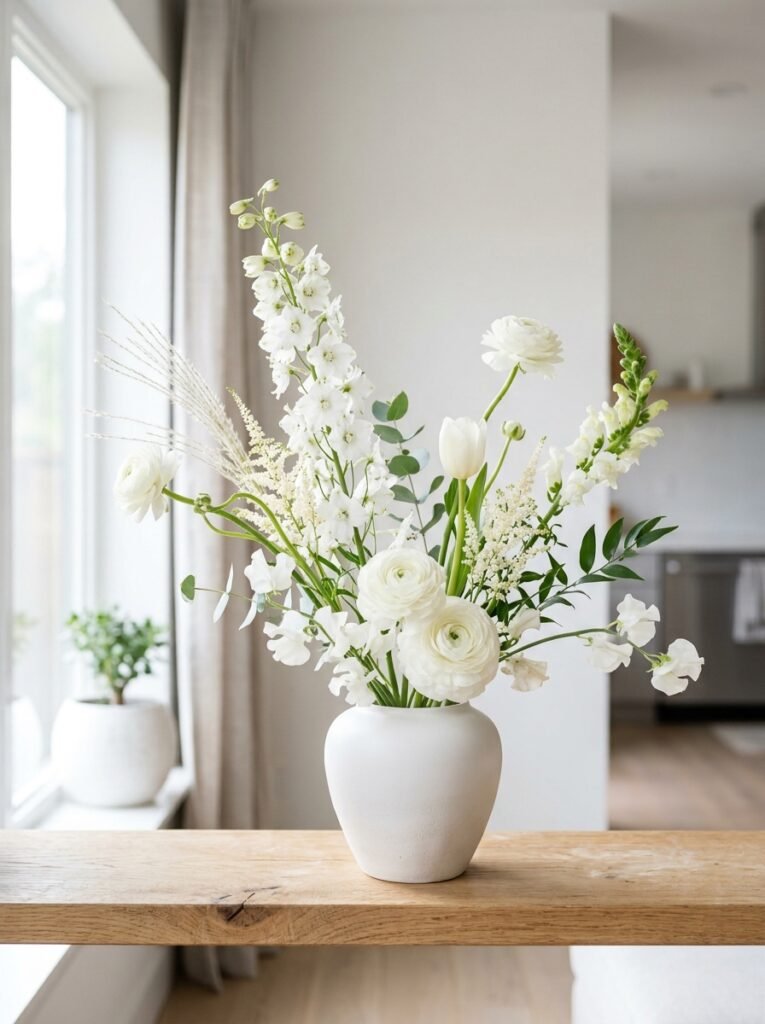
An all white arrangement, mixing different bloom shapes and textures within a single color, creates a genuinely serene, elegant look that photographs beautifully against nearly any backdrop. This restrained color approach forces more attention onto form and negative space, since color variation isn’t available to carry visual interest.
9. Style a Bold Red Statement Piece
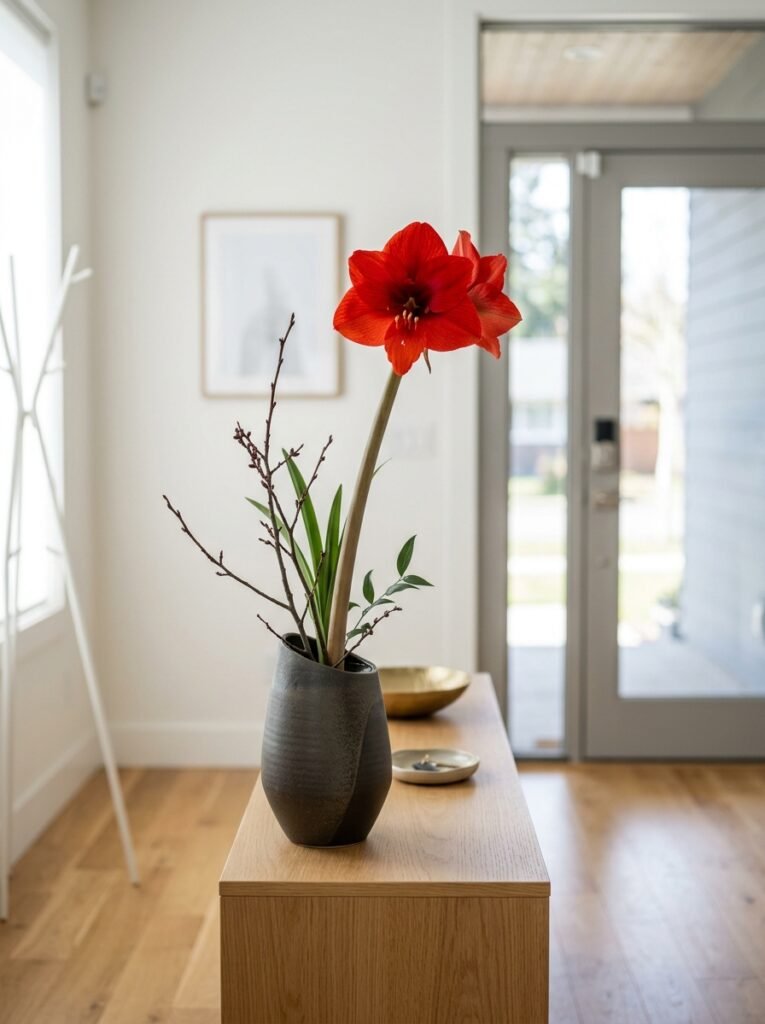
A single dramatic red bloom or branch, positioned according to ikebana’s angled principles, makes a genuinely striking statement piece for an entryway or dining table. This bold color choice works especially well paired with the same statement thinking used in 40 entryway ideas for other high impact decor moments.
10. Try a Calming Blue Palette
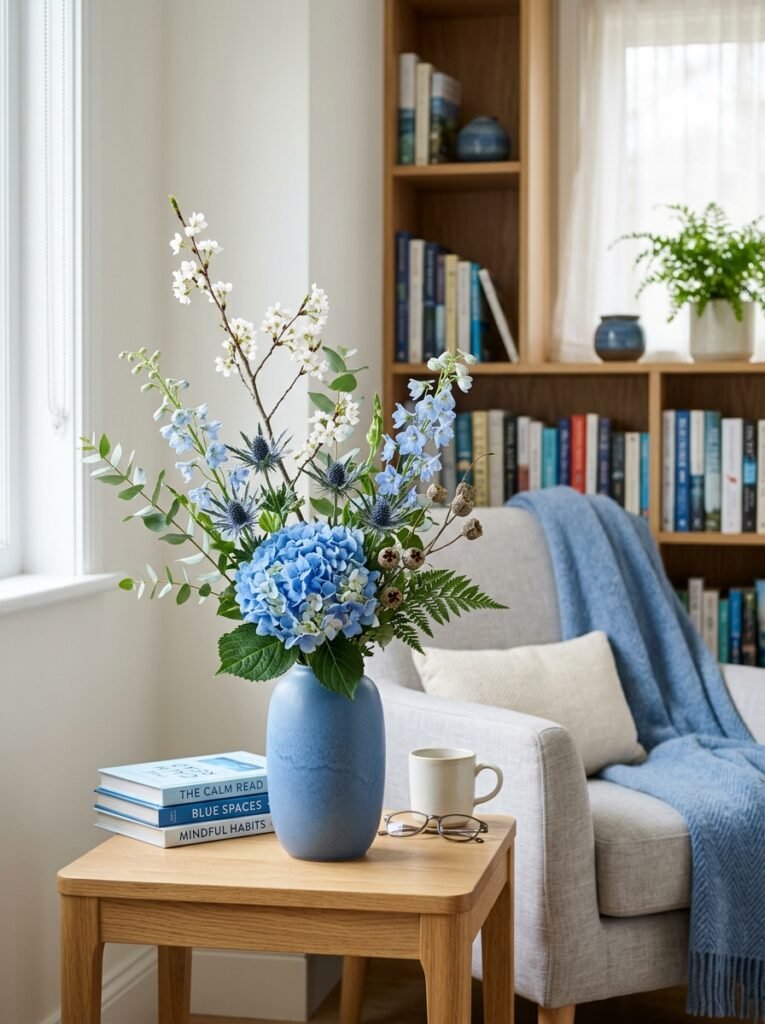
Blue toned flowers and foliage bring a genuinely calming quality to an ikebana arrangement, working especially well in a bedroom or reading nook where a softer mood matters more than a bold statement. This cooler palette pairs naturally with the relaxation focused styling covered in 35 cozy reading corner ideas for other calming home spaces.
11. Style an Ikebana Centerpiece
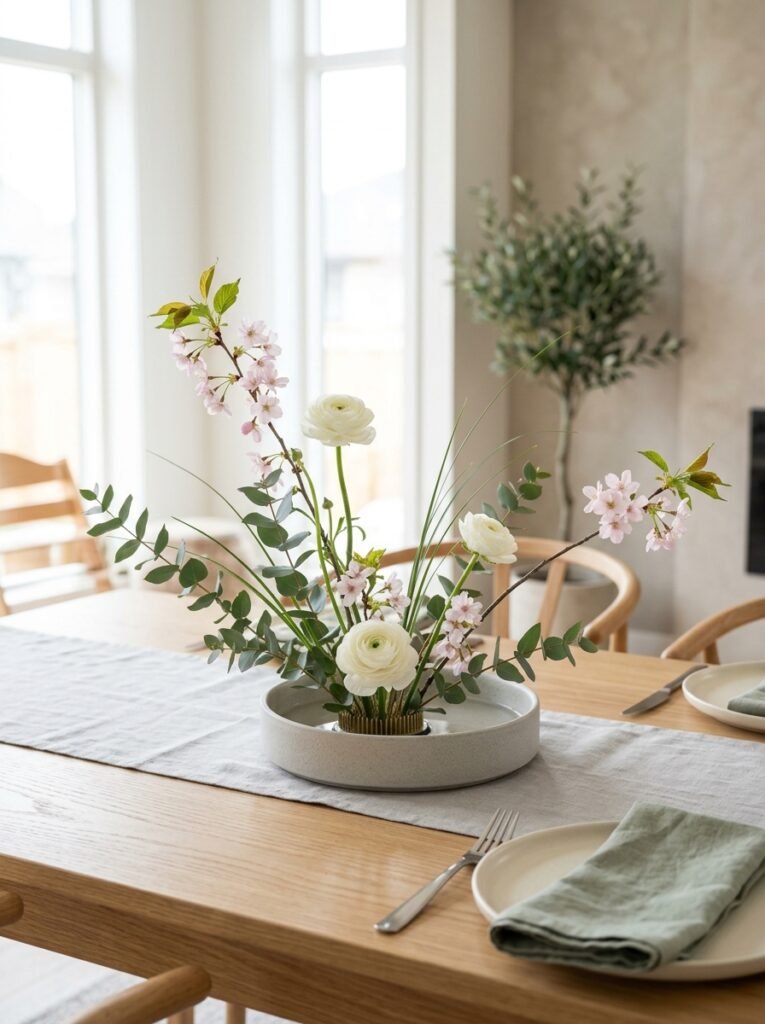
Positioning a low, wide ikebana arrangement at the center of a dining table keeps sightlines clear across the table while still providing genuine visual interest, unlike a tall bouquet that blocks conversation. This centerpiece approach respects ikebana’s emphasis on negative space even within a functional dining setting.
12. Choose Unique Vessel Alternatives
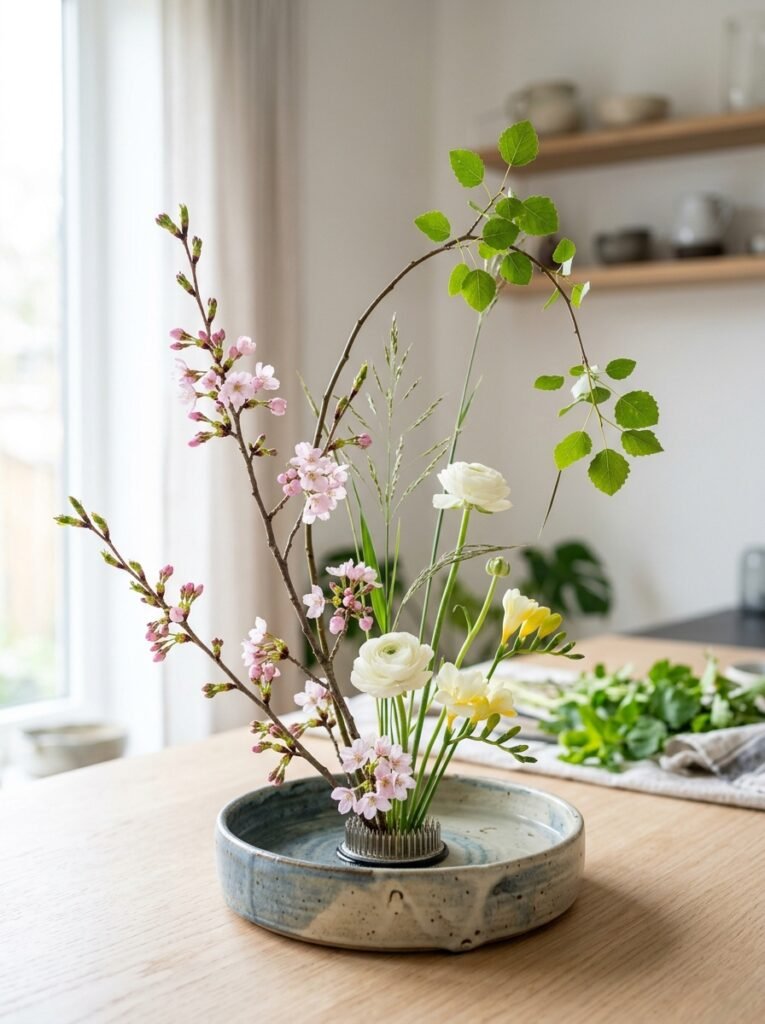
Moving beyond a traditional ceramic vase, repurposed vessels, a shallow bowl, an unexpected container, bring genuine personality into an ikebana practice once the basic technique feels comfortable. This experimental approach keeps the practice feeling fresh, similar to the creative reuse thinking covered in plastic bottle crafts for other unconventional vessel ideas.
Final Thoughts on Ikebana Flower Arrangement
Ikebana genuinely rewards patience and restraint over abundance, since a thoughtfully placed single stem often carries more visual weight than an overflowing bouquet ever could. Starting with the classic three stem structure and a proper kenzan builds the exact foundational skills needed to move on to bolder, more experimental arrangements down the line.


Amir Ali is the founder and site administrator of HomeDecorEdge, a modern home decor and interior design platform. Since starting the site, he has combined his passion for interior design, practical styling, and color coordination with hands-on content strategy and site management. He guides authors, curates high-quality articles, and ensures readers have access to actionable, visually inspiring, and user-focused home decor advice for apartments, small rooms, and family homes.