

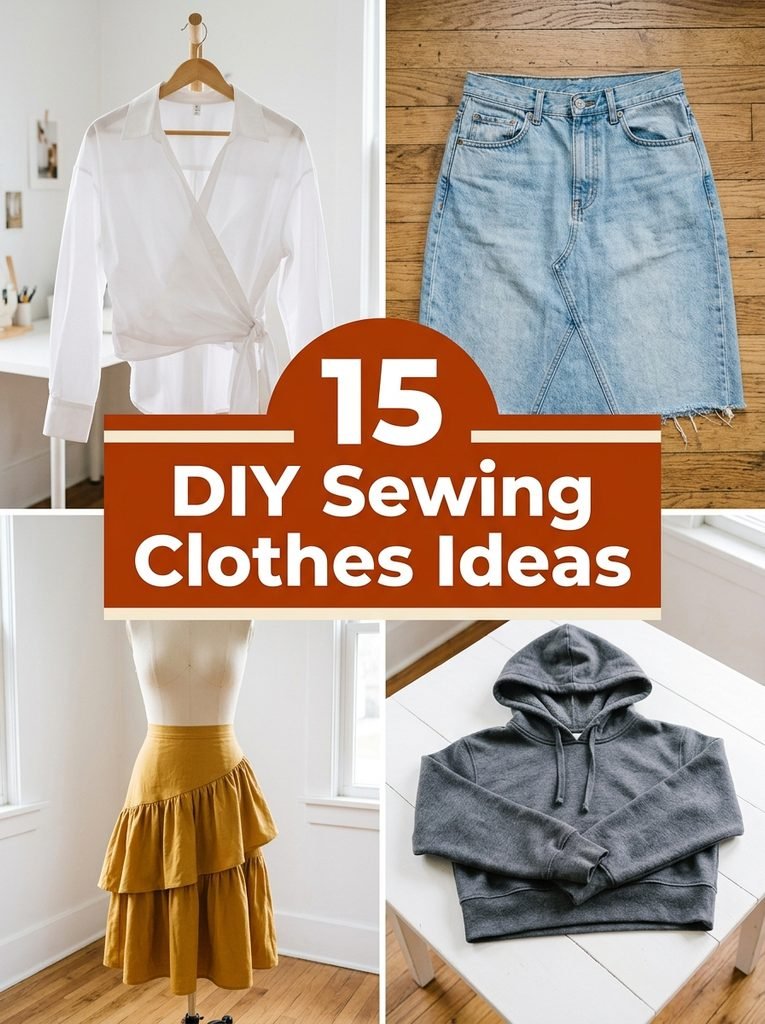
“Where did you buy that?” is my favourite question, because the answer is usually “I made it from an old shirt.” Sewing your own clothes doesn’t have to start with yards of new fabric and a complicated pattern. Some of my best pieces started as thrift store finds or things I’d stopped wearing. A few seams here, a new hem there, and suddenly they feel brand new. This list mixes easy upcycling ideas with a few simple pieces you can sew from scratch, and every one comes with a tip that’ll save you some frustration.
1. Oversized Shirt Into a Wrap Top
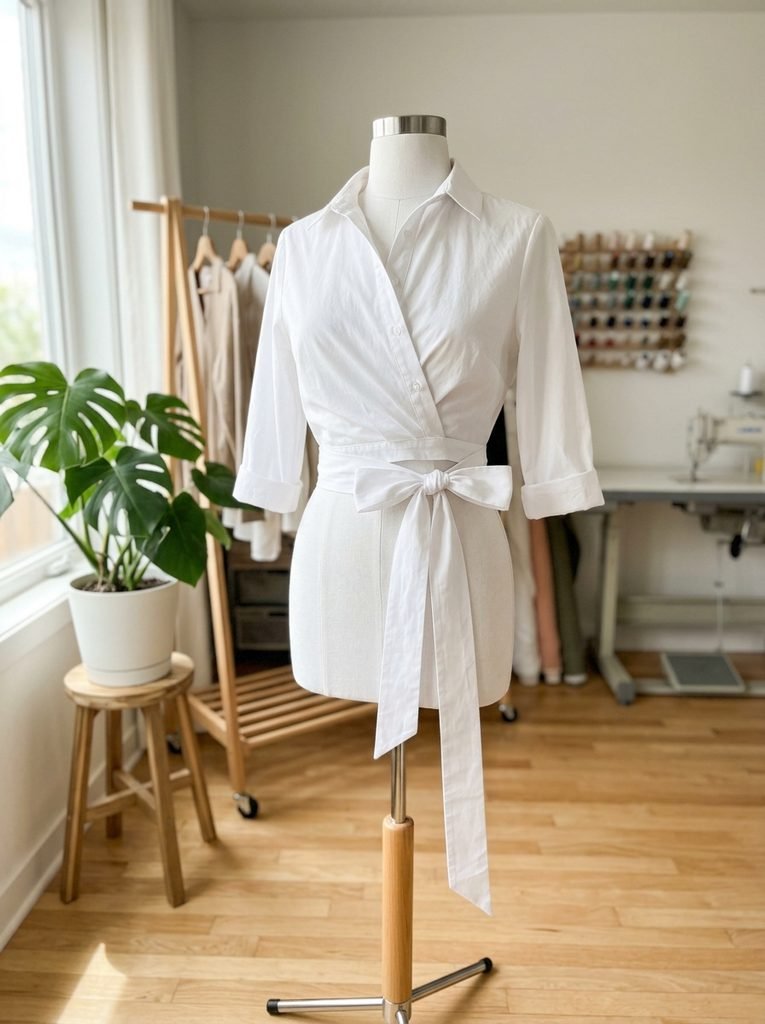
An oversized button shirt is one of the best things to upcycle, because there’s so much fabric to work with. Cut off the button placket area at the front, shape the front edges into long ties, and hem everything neatly. The result is a breezy wrap top that looks really current. Men’s shirts from the thrift store are perfect for this. A tip I picked up: keep the original collar and cuffs. They’re already beautifully finished and make the top look more polished.
2. Basic Tee Into a Crop Top
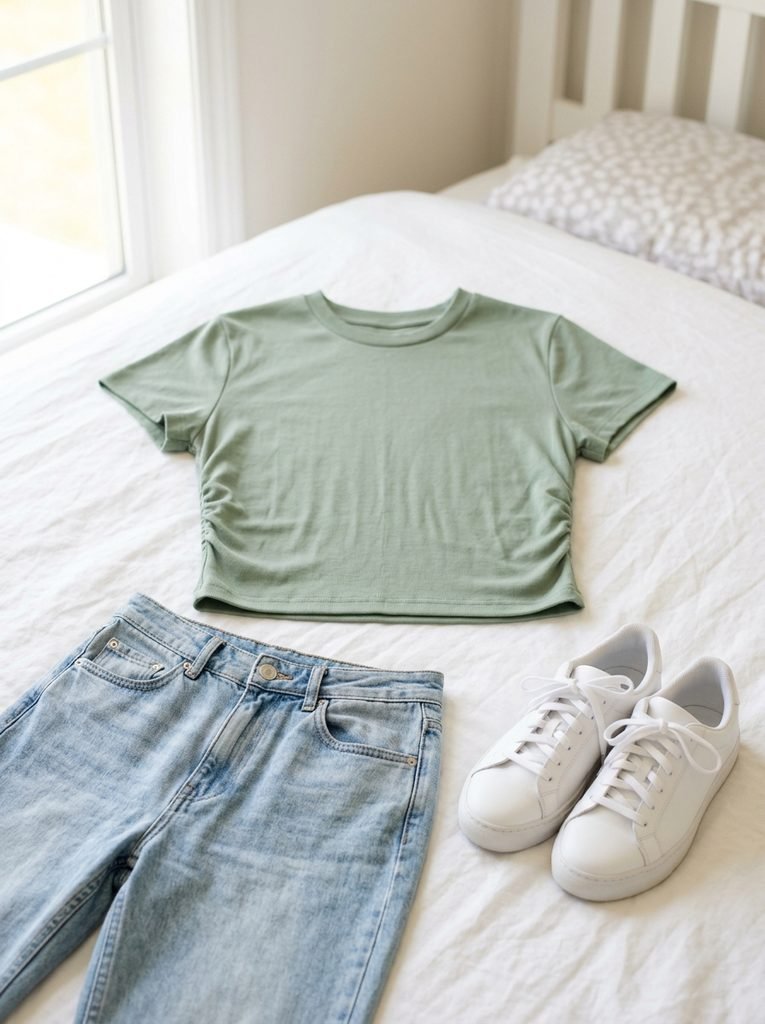
Turning a baggy tee into a fitted crop top is probably the quickest refashion out there. Take in the side seams, shorten the length, and finish the hem with a twin needle or a narrow zigzag. Honestly, you can do this in under an hour. I like adding a little ruching at the sides with a strip of elastic. It gives a flattering shape without needing perfect measurements.
3. Men’s Button Down Shirt Into a Dress
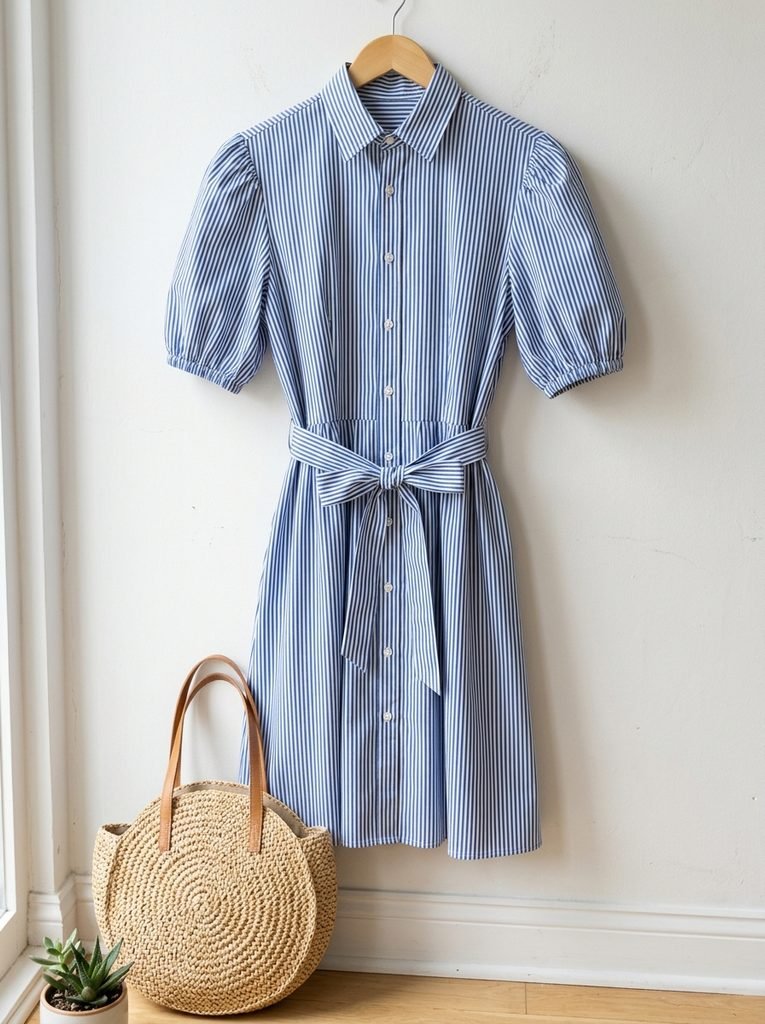
A large men’s shirt makes a surprisingly cute dress. The striped ones look especially fresh. Take in the sides to fit, add a waist tie using fabric from the sleeves, and turn the sleeves into short puff sleeves. In my experience, the bigger the shirt, the easier this is, so go a few sizes up when you thrift. Keep the buttons down the front. They become a pretty detail instead of something you have to work around.
4. Old Jeans Into a Denim Skirt
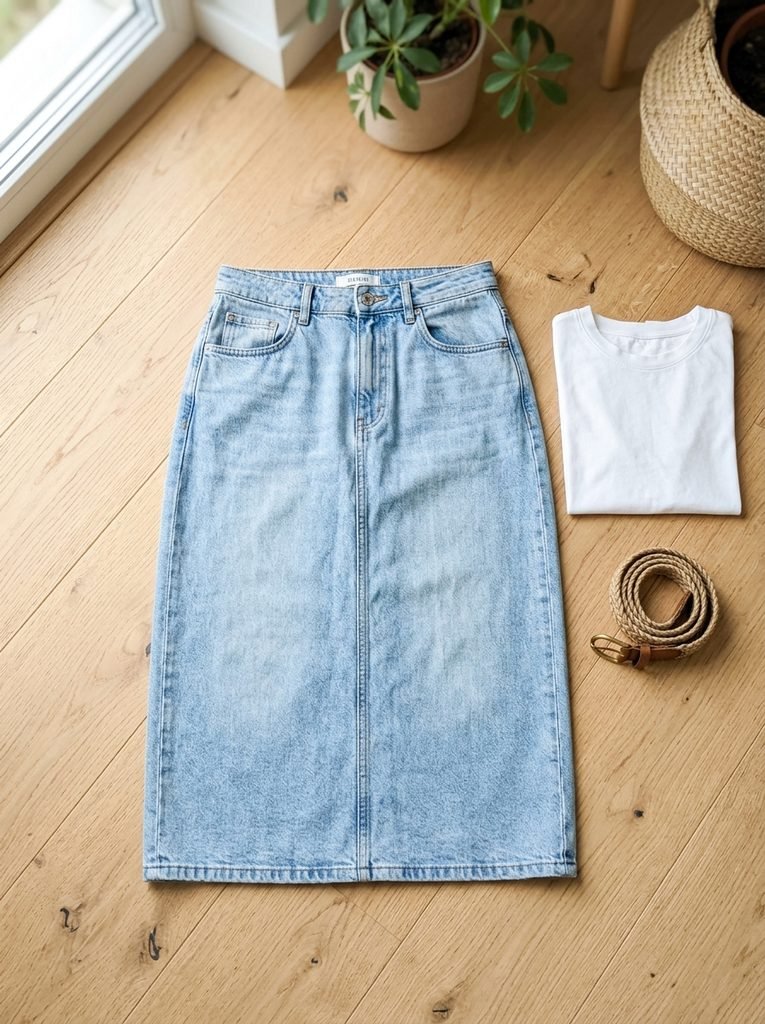
This is a classic refashion for a reason. Jeans that don’t fit anymore make a great skirt. Unpick the inner leg seams, open up the crotch area, and lay the front and back flat so they overlap. Fill any triangle gaps with leftover denim from the legs. A tip I picked up: use a denim needle and jeans thread. Regular needles break, and thicker thread makes your stitching look like the real factory finish.
5. Thrifted Dress Into a Two Piece Set
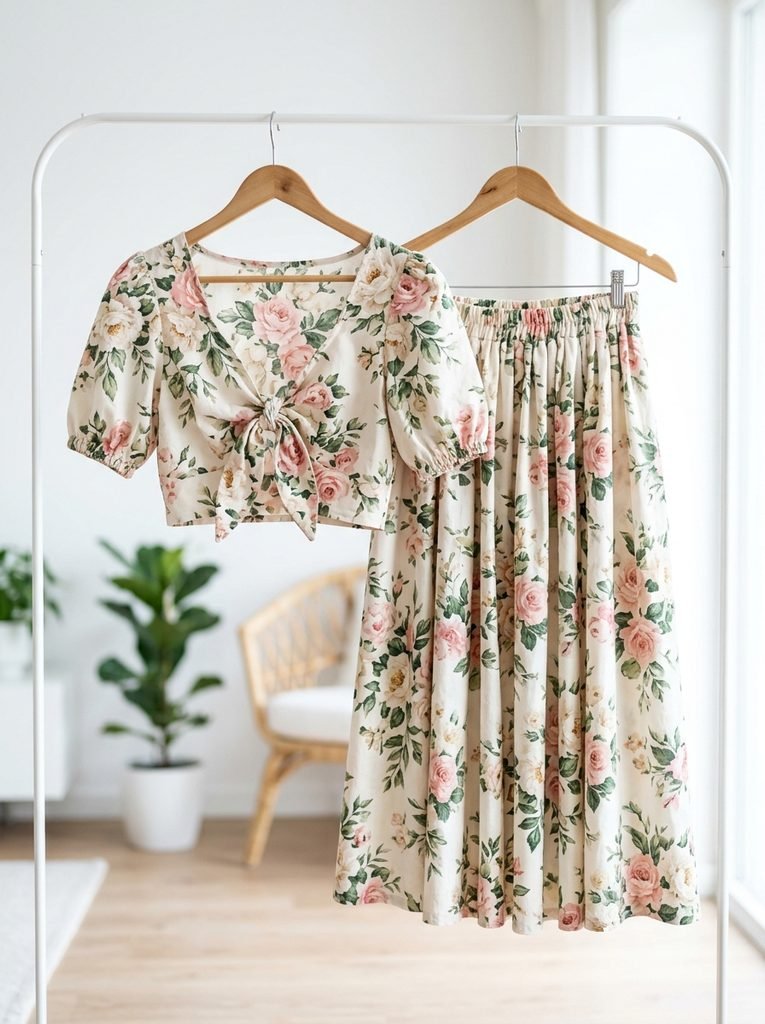
A long thrifted dress with a pretty print can become a matching top and skirt. That instantly makes it feel trendy. Cut across the waist, finish the bottom of the top with a hem or tie, and add an elastic waistband to the skirt. Honestly, this is one of my favourite thrift flips because you get two pieces that work together or separately. Look for dresses with plenty of length and a loose fit so you have fabric to play with.
6. Easy Elastic Waist Skirt
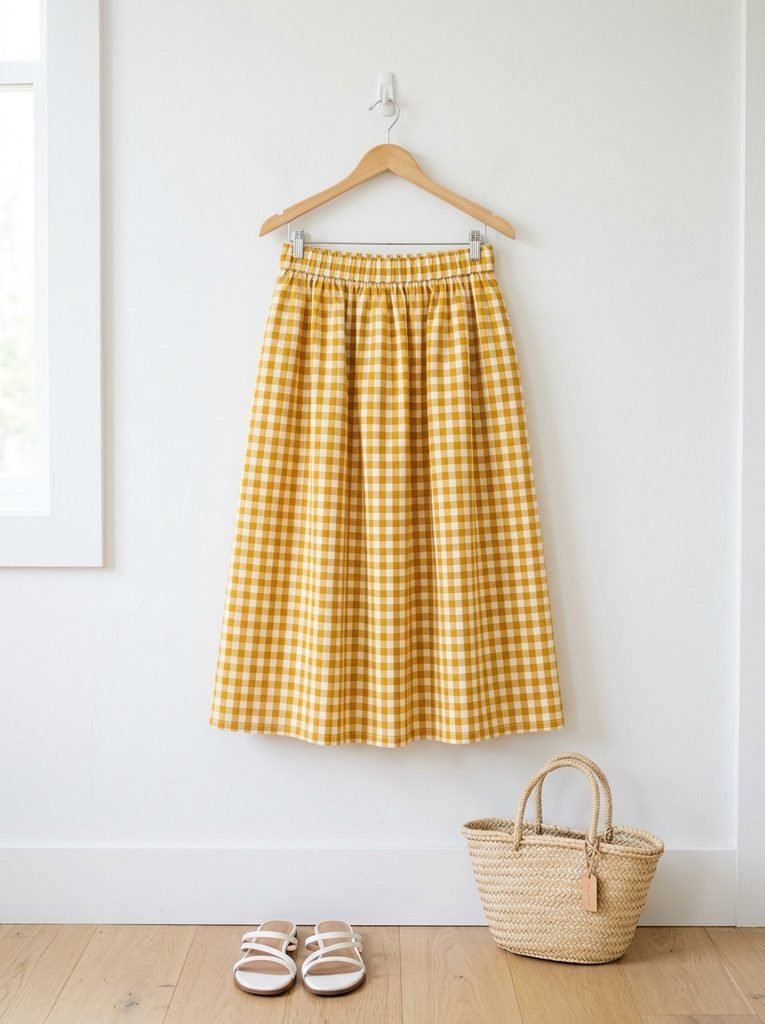
If you’re ready to sew a piece from scratch, an elastic waist skirt is the perfect place to start. There are no zippers and no complicated fitting.
Materials Needed: Woven cotton, linen or rayon fabric, 1 inch wide elastic, a safety pin, pins, scissors, a measuring tape, and thread.
How to Make It: Cut two rectangles. Each should be about one and a half times your hip measurement wide, divided in half, by your chosen length plus hem allowance. Sew the side seams. Fold the top edge down twice to make a casing slightly wider than your elastic and stitch it, leaving a small gap. Thread the elastic through with a safety pin, overlap the ends and stitch them together, then close the gap. Hem the bottom. A tip I picked up: stitch through the casing at each side seam so the elastic doesn’t twist inside.
7. Tiered Ruffle Skirt
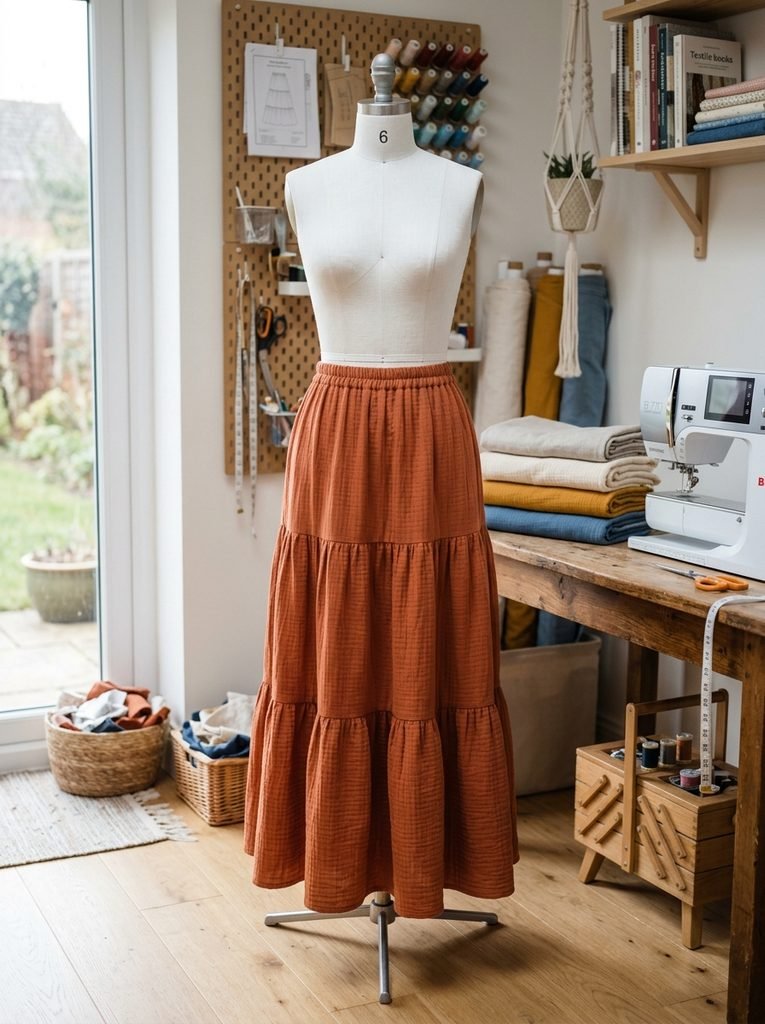
Once you’ve made a simple elastic skirt, a tiered skirt is the natural next step. Each tier is a rectangle, slightly wider than the one above it, gathered and sewn on. The result looks so romantic and flowy. Lightweight fabrics like cotton gauze or rayon work best because they drape beautifully. In my experience, the trick is to gather evenly. Use two rows of long basting stitches instead of one, and the gathers come out much neater.
8. Simple Boxy Top
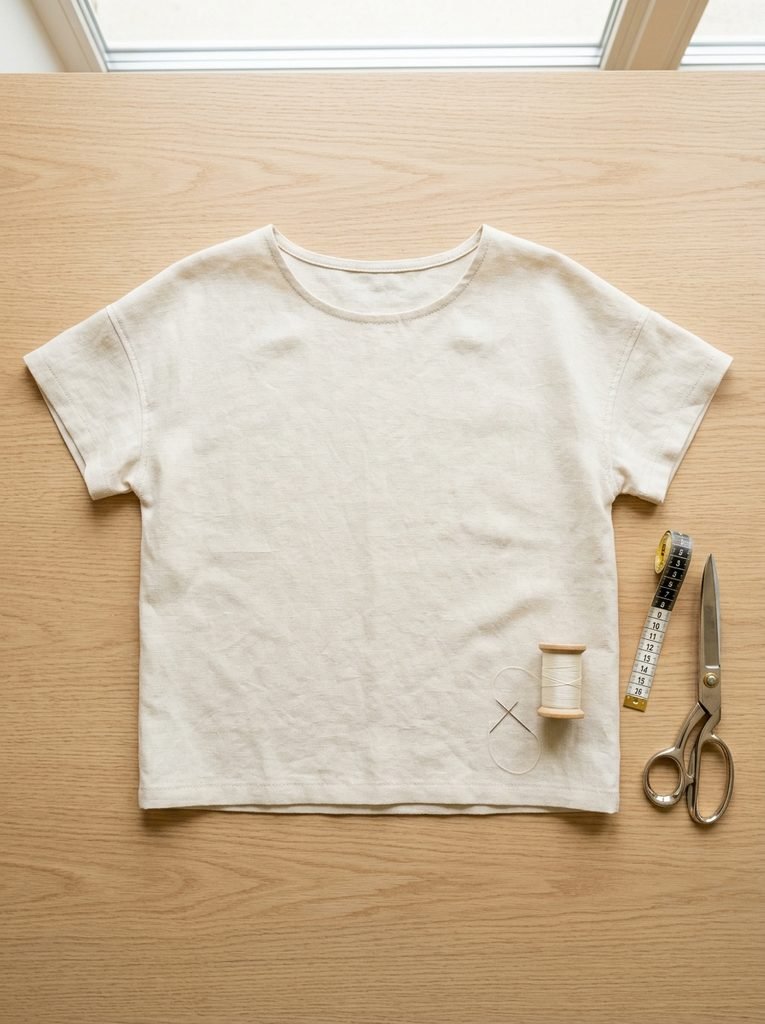
A boxy top is basically two rectangles and a neckline. It’s one of the easiest garments you can sew, and it looks effortlessly chic in linen.
Materials Needed: Linen or cotton fabric, a well fitting t shirt to trace from, chalk, pins, bias tape or fabric for a neck facing, scissors, and thread.
How to Make It: Fold your fabric and trace around a loose tee, extending the shoulders straight out to make cut on sleeves. Make the back neckline higher than the front. Cut a front and back piece, sew the shoulder seams, then finish the neckline with bias tape. Sew the side seams and hem the sleeves and bottom. A tip I picked up: prewash linen before cutting, because it shrinks noticeably the first time.
9. Sweatshirt Into a Cropped Hoodie
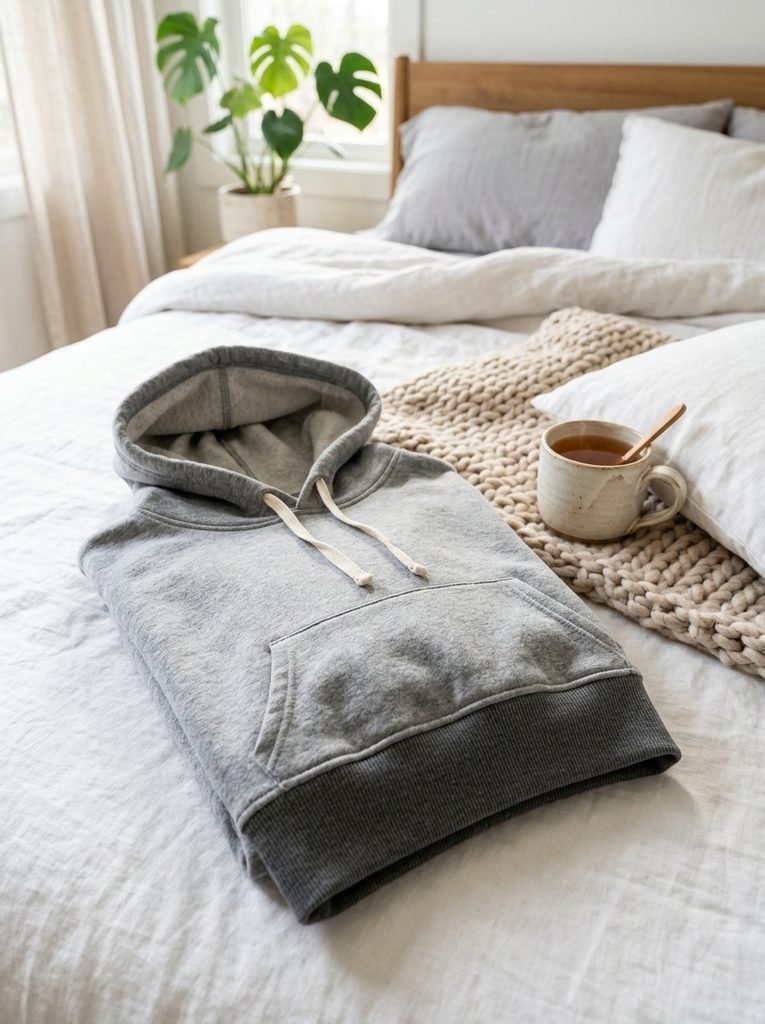
An oversized sweatshirt can easily become a cropped hoodie. Shorten the body and reattach the original ribbed band, then add a hood made from the leftover fabric or a second sweatshirt. Honestly, this is perfect for cooler weather. Use a ballpoint needle and a stretch stitch so the seams don’t pop. I’d suggest cutting the crop a little longer than you think. You can always take more off later.
10. Long Sleeve Tee With Puff Sleeves
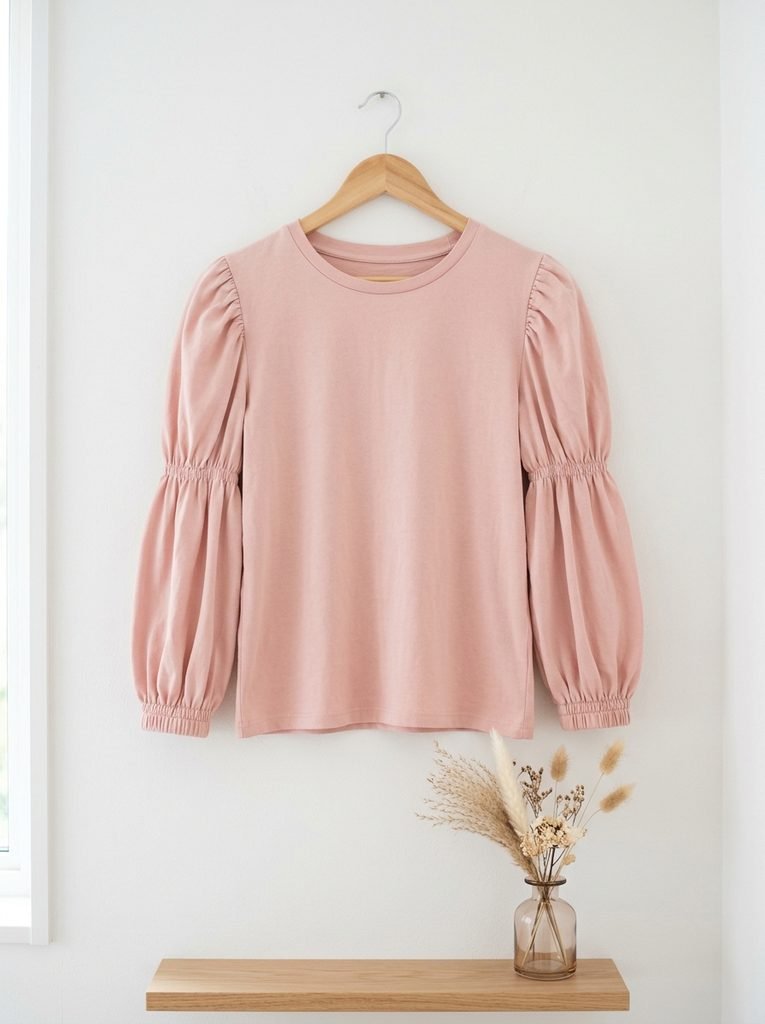
A plain long sleeve tee gets a whole new personality with puff sleeves. Remove the sleeves, cut wider replacements from new fabric or a second tee, gather the top of each sleeve and set it back in. Adding elastic at the cuffs completes the look. In my experience, a contrasting fabric like a soft floral can look really sweet here. Just make sure both fabrics have a similar weight and stretch.
11. Easy Shift Dress
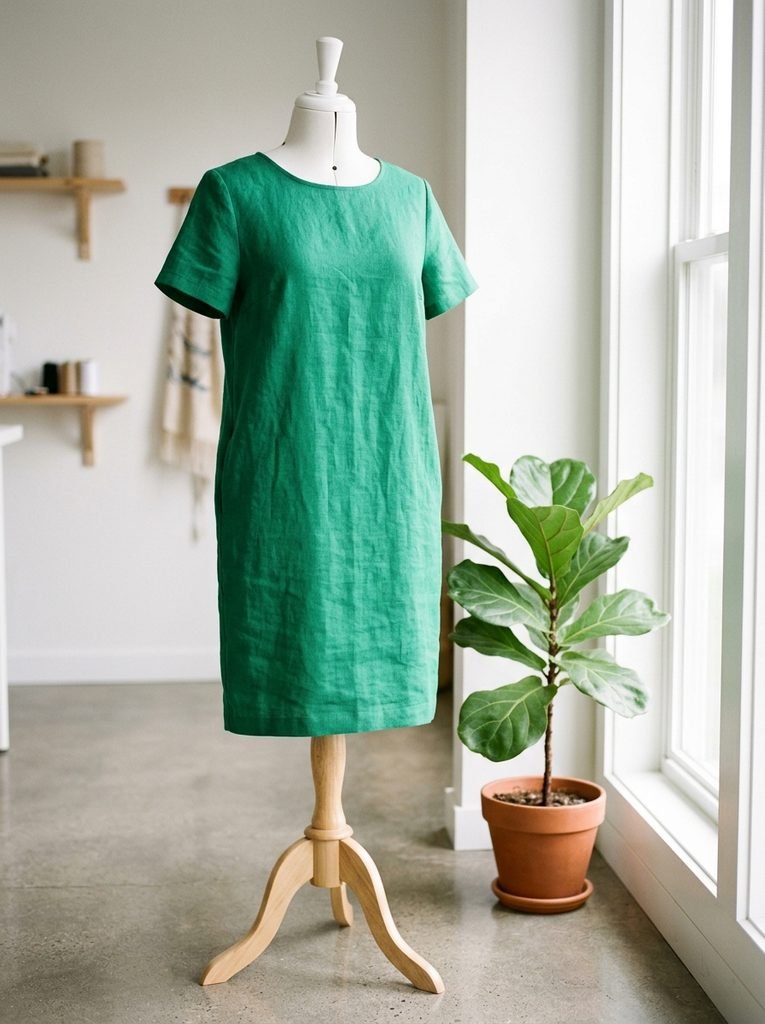
A shift dress is like a longer version of the boxy top, and it’s just as forgiving. There’s no waist seam and no fitted bodice, so it skims nicely without precise fitting. Linen or a cotton blend looks smart and stays comfortable all day. I’d suggest adding in seam pockets. Every time someone compliments the dress, you’ll get to say “and it has pockets!”
12. Patchwork Pockets on a Denim Jacket
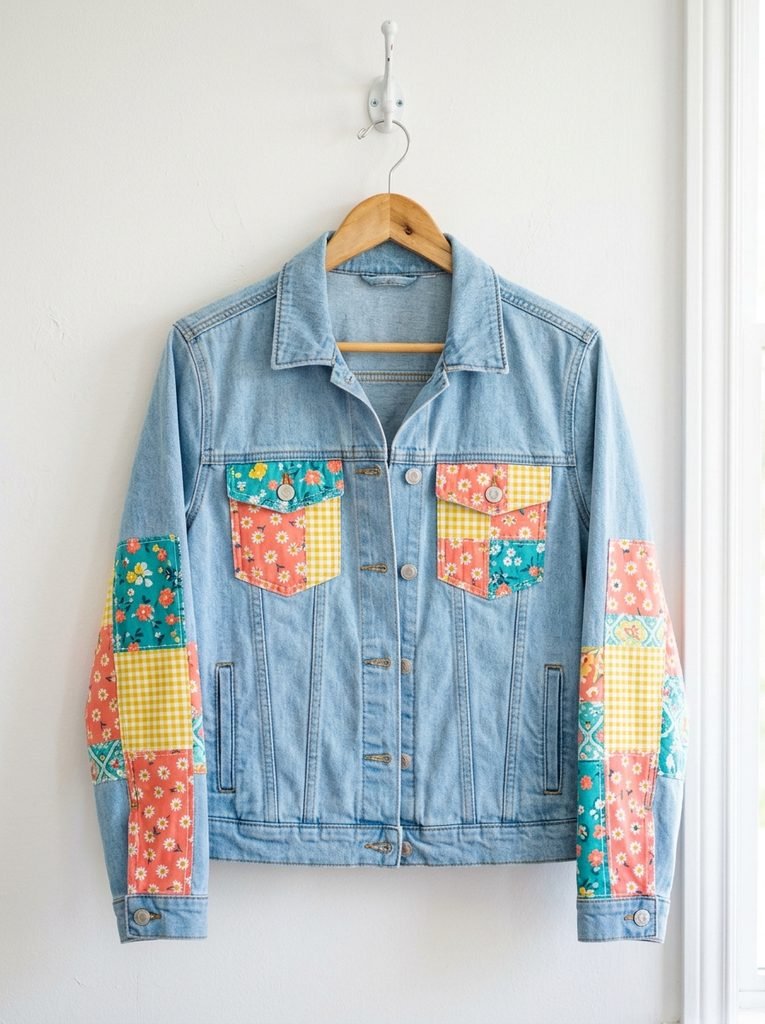
A plain denim jacket is the perfect canvas for patchwork. Sew bright fabric patches onto the pockets, back yoke or sleeves, and the jacket instantly looks one of a kind. It’s also a great way to use up your favourite scraps. Turn the edges of each patch under and press before stitching so they don’t fray. A tip I picked up: use a contrasting thread for the topstitching. It becomes part of the design instead of something you’re trying to hide.
13. Lace Trim Refresh on Old Tees
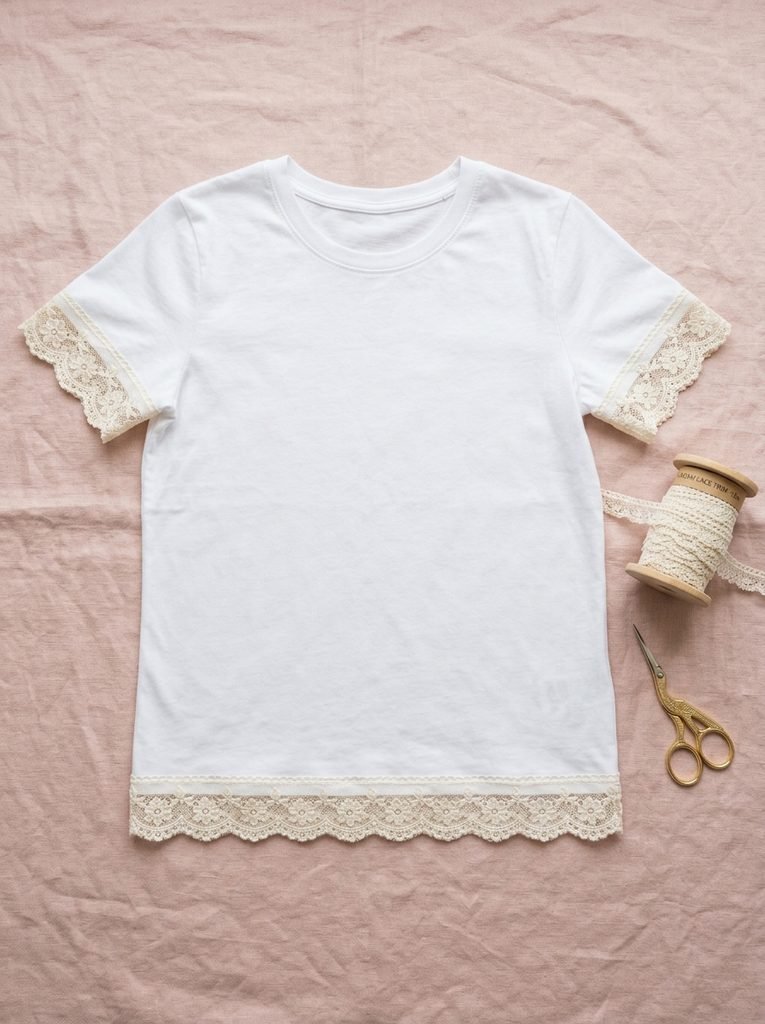
Sometimes a tee just needs a little something extra. Sewing lace trim along the hem, sleeves or neckline turns a basic into something romantic. It’s quick, and you can use leftover lace from other projects. Stretch lace is best for knit tees because it moves with the fabric. Honestly, this is one of my go to fixes for a tee with a slightly stained hem. Just cut the hem off and replace it with lace.
14. Two Flannels Into a Patchwork Shacket
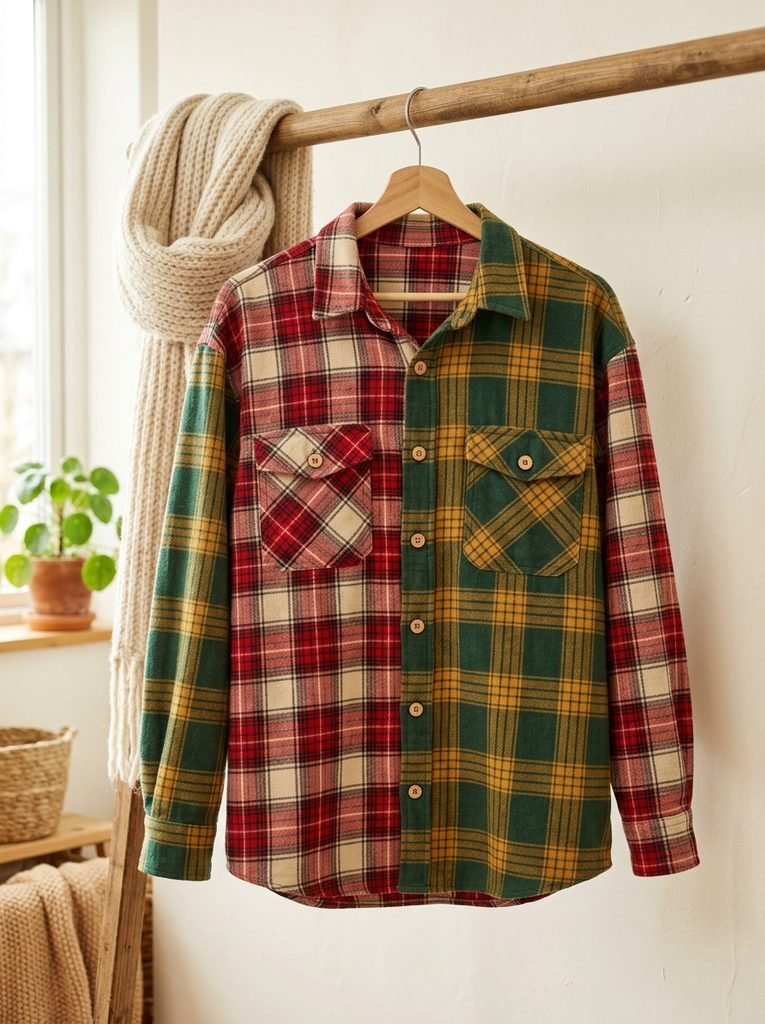
Two thrifted flannel shirts can become one very cool patchwork shacket. Cut both shirts apart at the seams and swap panels, so one sleeve comes from each shirt and the front panels contrast. The mix of plaids looks intentional and stylish. In my experience, this works best if both shirts are a similar size and fabric weight. It’s the perfect fall project, because you’ll be wearing it all season.
15. Comfy Pajama Shorts
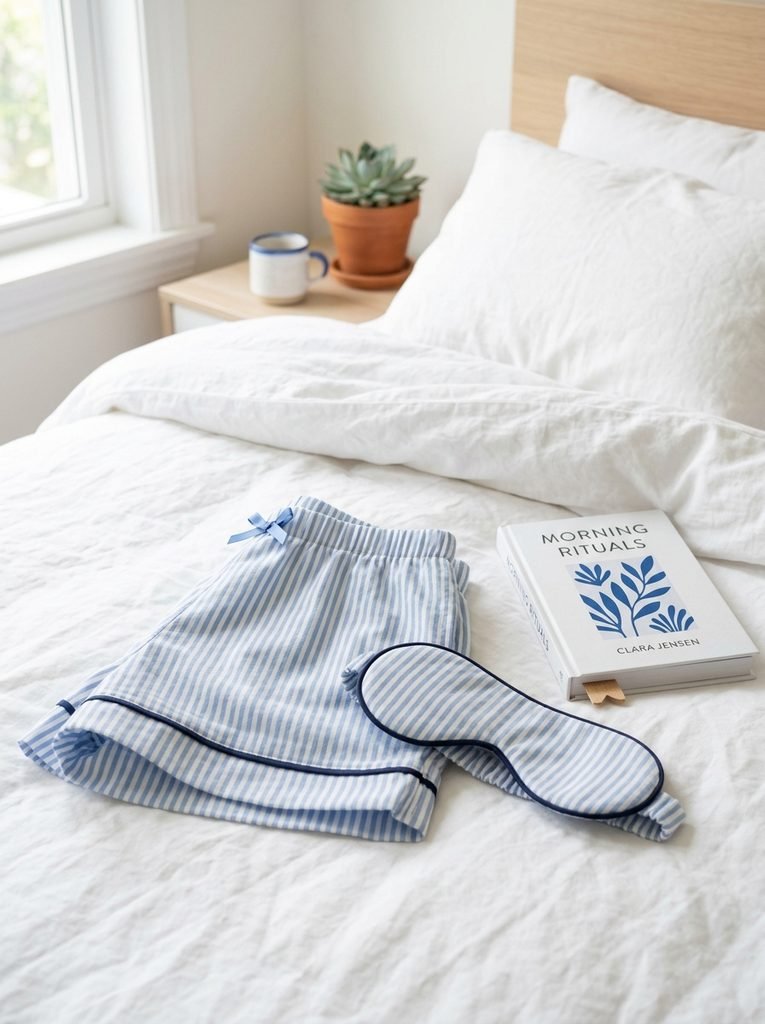
Pajama shorts are a lovely confidence builder, and you’ll actually wear them every week. They’re also a great way to use up fabric that’s too pretty to hide.
Materials Needed: Soft cotton, flannel or rayon fabric, a pair of comfy shorts to trace from, elastic for the waist, pins, a safety pin, scissors, and thread.
How to Make It: Fold your shorts in half and trace them onto folded fabric, adding seam allowance and extra at the top for an elastic casing. Cut two front and two back pieces. Sew the front crotch seam and the back crotch seam, then join front and back along the inner legs and sides. Fold over the waist to make a casing, thread the elastic through and close it up. Hem the legs. A tip I picked up: add contrast piping or a little bow at the front. It’s the small touch that makes them look store bought.
Final Thoughts on DIY Sewing Clothes
DIY sewing clothes is all about starting small and having fun with what you already have. Try an easy upcycle first, then move on to a simple skirt or top once you feel confident. Honestly, there’s nothing quite like wearing something you made and hearing someone ask where you got it.


Amir Ali is the founder and site administrator of HomeDecorEdge, a modern home decor and interior design platform. Since starting the site, he has combined his passion for interior design, practical styling, and color coordination with hands-on content strategy and site management. He guides authors, curates high-quality articles, and ensures readers have access to actionable, visually inspiring, and user-focused home decor advice for apartments, small rooms, and family homes.