

Honestly, the first time I put a harness on my cat, she flopped over like someone had switched off her legs. If yours does the famous harness flop too, welcome to the club.
In my experience, most cats can learn to love walks. The trick is a harness that fits right and feels like nothing. Store bought ones are fine, but a DIY cat harness lets you pick the exact material and the exact fit, and honestly it costs a fraction of the price.
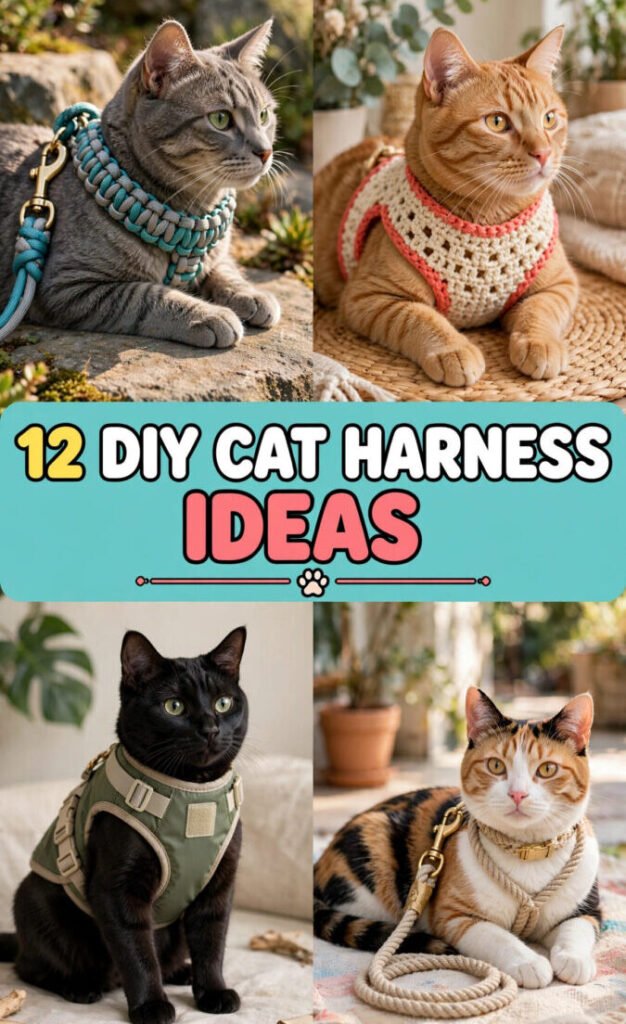
I picked 12 ideas from dead simple no sew wraps to braided paracord beauties. Every one comes with a safety note, because a harness is only as good as its weakest clip.
Quick Picks
- Easiest build: No Sew T Shirt Cat Harness (idea 6)
- Budget pick: H Style Rope Harness (idea 11)
- Prettiest: Macrame Rope Cat Harness (idea 4)
1. Easy Paracord Cat Harness
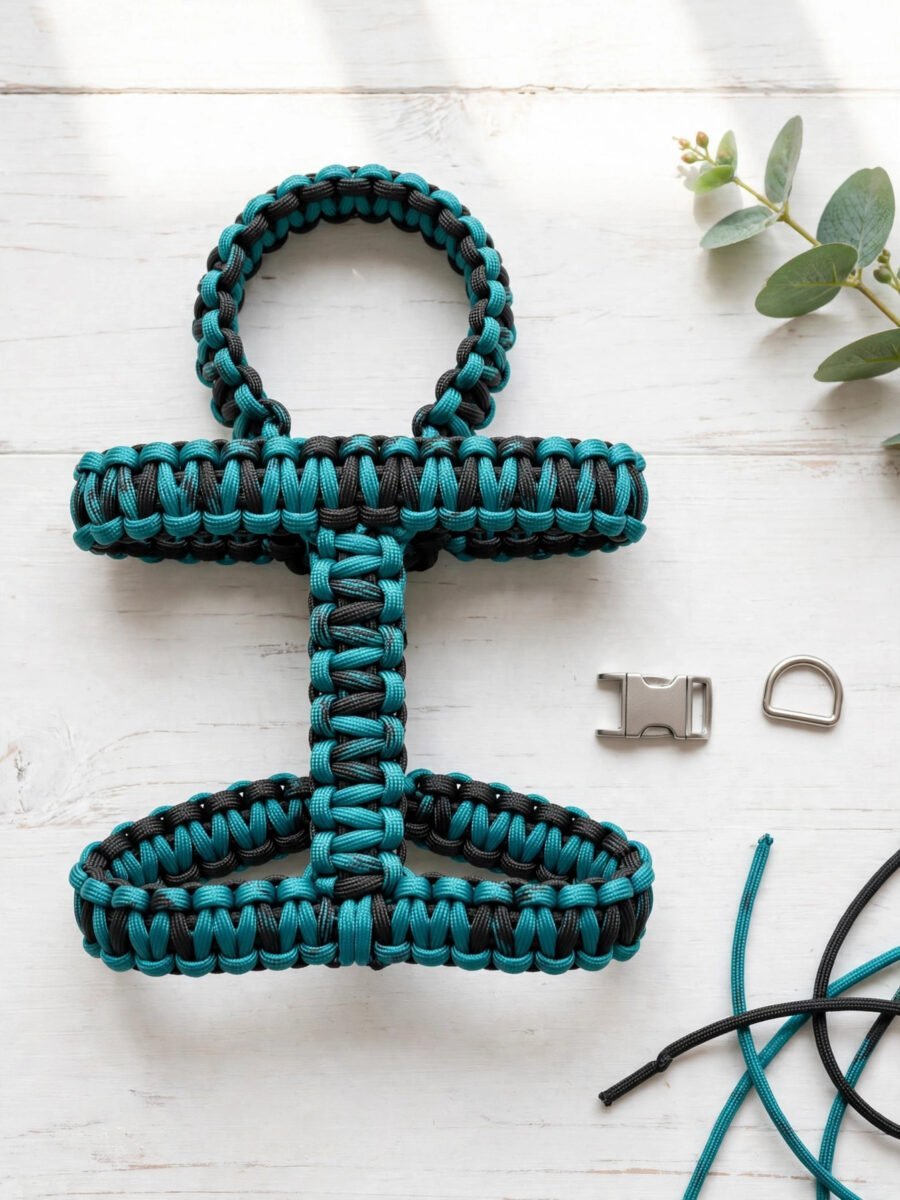
Paracord is my favorite harness material, honestly. It is strong, light, washable, and it comes in every color. A simple cobra weave makes a flat comfortable strap that sits nicely on a cat’s chest.
Measure your cat’s neck and chest first, then add two inches for comfort. The two finger rule is your best friend here. If you can slide two fingers under the strap, it is snug but not tight.
⏱ 1 to 2 hours💲 Low🛠 Easy
Materials Needed
- 550 paracord, 50 ft in your color
- Side release buckle, small size
- Metal D ring for the leash
- Lighter, scissors, measuring tape
How to Make It
- Measure neck and chest, then add two inches to each number.
- Cut paracord and weave a cobra braid for the neck loop.
- Weave a second longer braid for the chest loop.
- Attach the D ring to the chest loop for the leash clip.
- Melt all cord ends with a lighter and press them flat.
- Fit it on your cat and adjust until two fingers slide underneath.
Tip: Burn and flatten every cord end. Frayed paracord unravels fast and looks messy.
My Pick
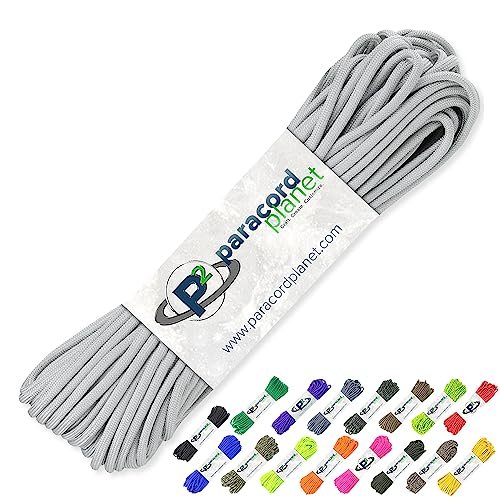
Paracord Planet 550lb Type III Paracord, 100 Feet
Strong 550 paracord in fun colors, perfect for braided harness straps.
2. Sewn Fabric Cat Harness

If you own a sewing machine, this is the most comfortable harness you can make. Soft cotton outside, light interfacing inside, and it looks like something from a pet boutique.
Use the pattern free method. Trace around a well fitting store harness, or measure neck and girth and draft two curved panels. I would suggest cotton over slippery fabrics since it grips fur gently instead of sliding.
⏱ 2 hours💲 Low🛠 Easy to medium
Materials Needed
- Cotton fabric, half yard
- Lightweight fusible interfacing
- 2 small side release buckles
- 1 metal D ring, thread, sewing machine
How to Make It
- Draft the pattern from measurements or trace an existing harness.
- Cut two fabric layers and one interfacing layer.
- Sew the layers together, right sides facing, leaving a small gap.
- Turn, press, and topstitch all around the edge.
- Attach the buckles to the straps and the D ring at the back.
Tip: Topstitch twice around the edge. Cats pull harder than their weight suggests.
Top Rated
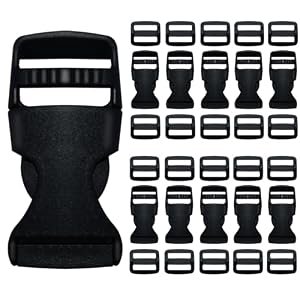
FULAIER Quick Side Release Buckle Clips, 10 Pack
Small sturdy buckles made for pet collars and harnesses, easy snap closure.
3. Crocheted Cat Harness

A crocheted harness is soft, stretchy, and honestly adorable. Work it in cotton yarn so it breathes, and keep the stitches tight so little claws do not snag.
The pattern free approach is simple. Crochet a wide band for the chest, a narrower band for the neck, and join them with a back strap where the D ring sits. Try it on your cat as you go. In my experience fitting beats following a rigid pattern.
You’ll need: cotton yarn, a 4 mm crochet hook, a small D ring
Best for: crocheters and sensitive cats who hate stiff straps
4. Macrame Rope Cat Harness

Macrame is not just for wall hangings. Square knots make a beautiful flat strap, and cotton cord is soft against fur. This one gets compliments on every walk.
Keep the knots snug and even, and finish every end with a tight wrap knot. A tip I picked up: make the chest strap slightly longer than you think. Cats breathe deep when they are excited outside.
⏱ 2 to 3 hours💲 Low🛠 Easy to medium
Materials Needed
- 4 mm cotton cord, 30 yards
- 2 small metal rings
- 1 D ring for the leash, scissors
How to Make It
- Cut 8 cords, each 3 yards long.
- Anchor them on a ring and tie square knots for 10 inches.
- Split into neck and chest sections and knot each to size.
- Join the sections with a back strap of knots.
- Attach the D ring and trim all ends neatly.
Tip: Dip the finished knots in water and let them dry to shape. Cotton tightens slightly as it dries.
Best Value
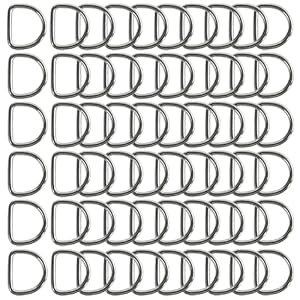
Ewparts 1 Inch Welded Heavy Duty Metal D Rings, 60 Pack
Welded metal D rings in bulk, perfect for harness straps and leash clips.
5. Escape Proof Vest Harness
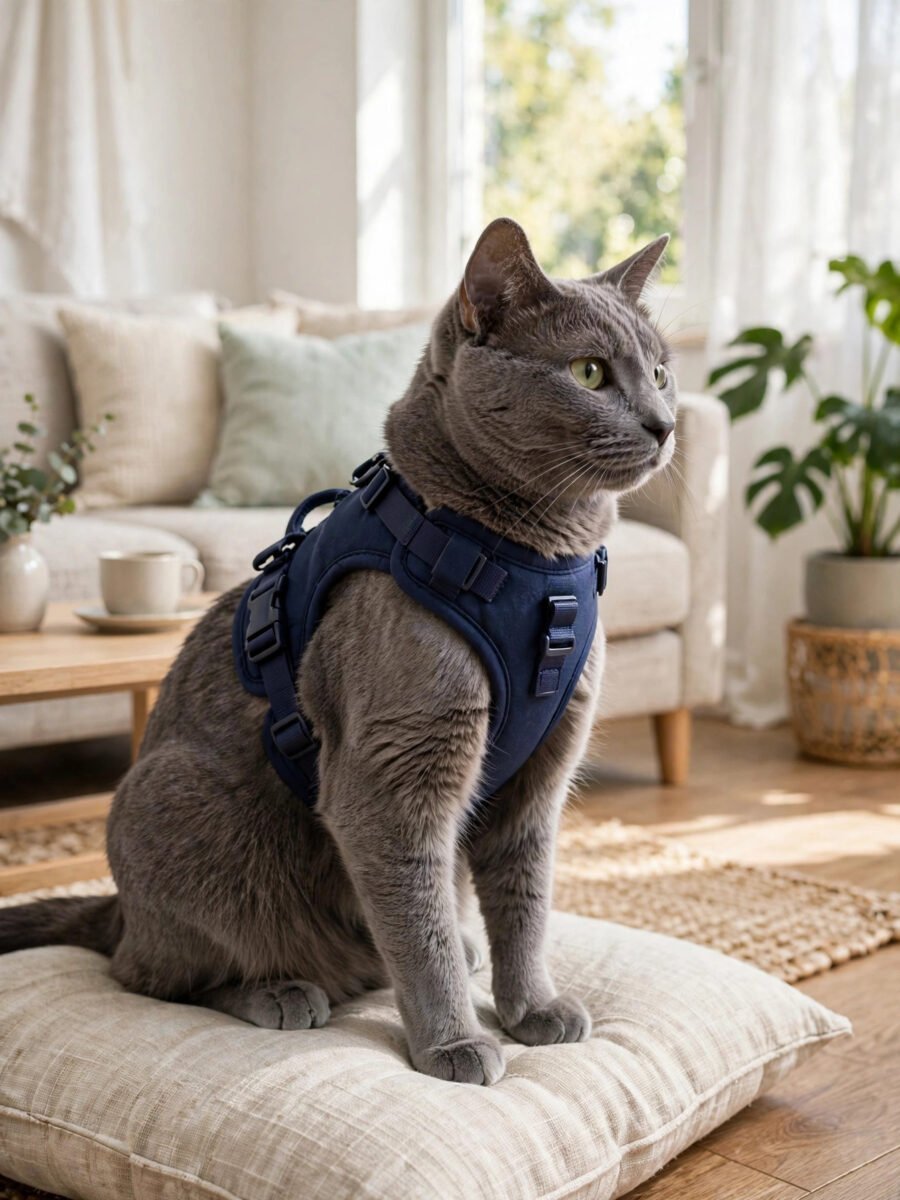
Some cats are furry little escape artists. A vest style harness wraps the torso so there is nothing to back out of. This is the design I trust for bold cats.
The secret is coverage plus snugness. The vest should sit behind the front legs with no gaps, and you should barely fit two fingers underneath. Test indoors first. Let your cat wear it around the house for a week before the first outdoor step.
You’ll need: sturdy fabric or an old vest to repurpose, Velcro or buckles, a D ring
Best for: escape artists and first time outdoor cats
Reader Favorite
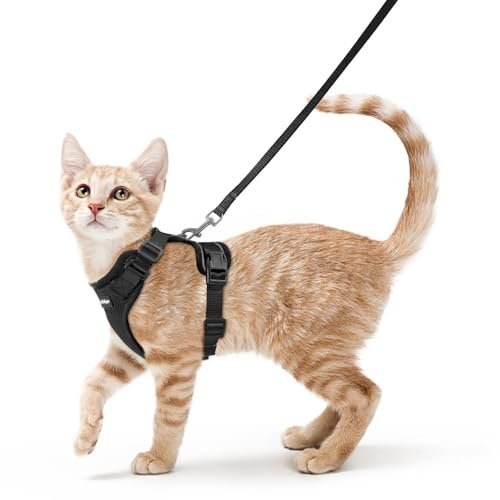
rabbitgoo Cat Harness and Leash Set, Escape Proof Vest
A snug vest style harness to study or use while you sew your own version.
6. No Sew T Shirt Cat Harness
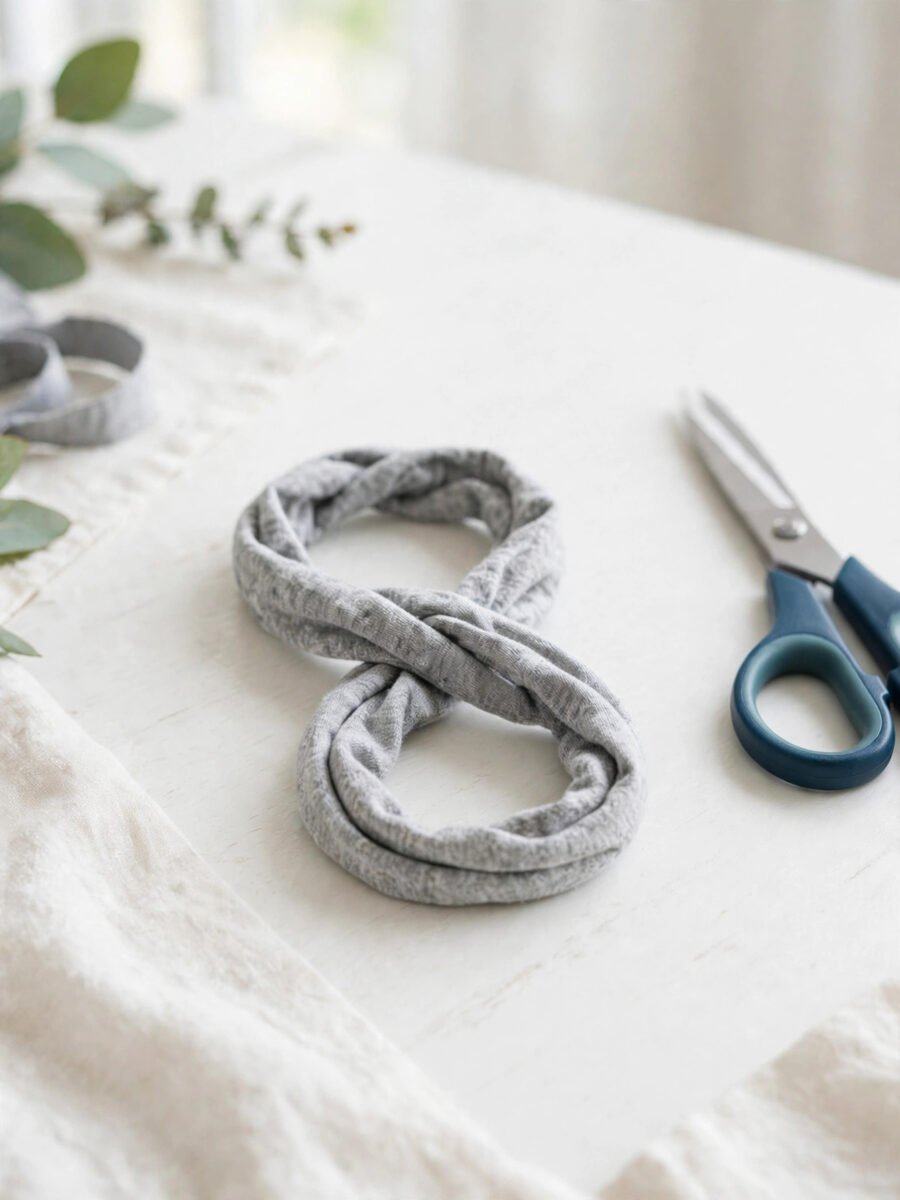
The five minute harness. Cut a wide strip from an old T shirt, loop it in a figure eight around neck and chest, and tie it off. No sewing, no hardware, no excuses.
Jersey stretches, which makes it forgiving on fit. Honestly this is perfect for kitten training or for testing whether your cat tolerates a harness at all before you invest time in a bigger build.
You’ll need: one old T shirt, scissors
Best for: beginners and kitten training
7. Rope Harness and Leash Set
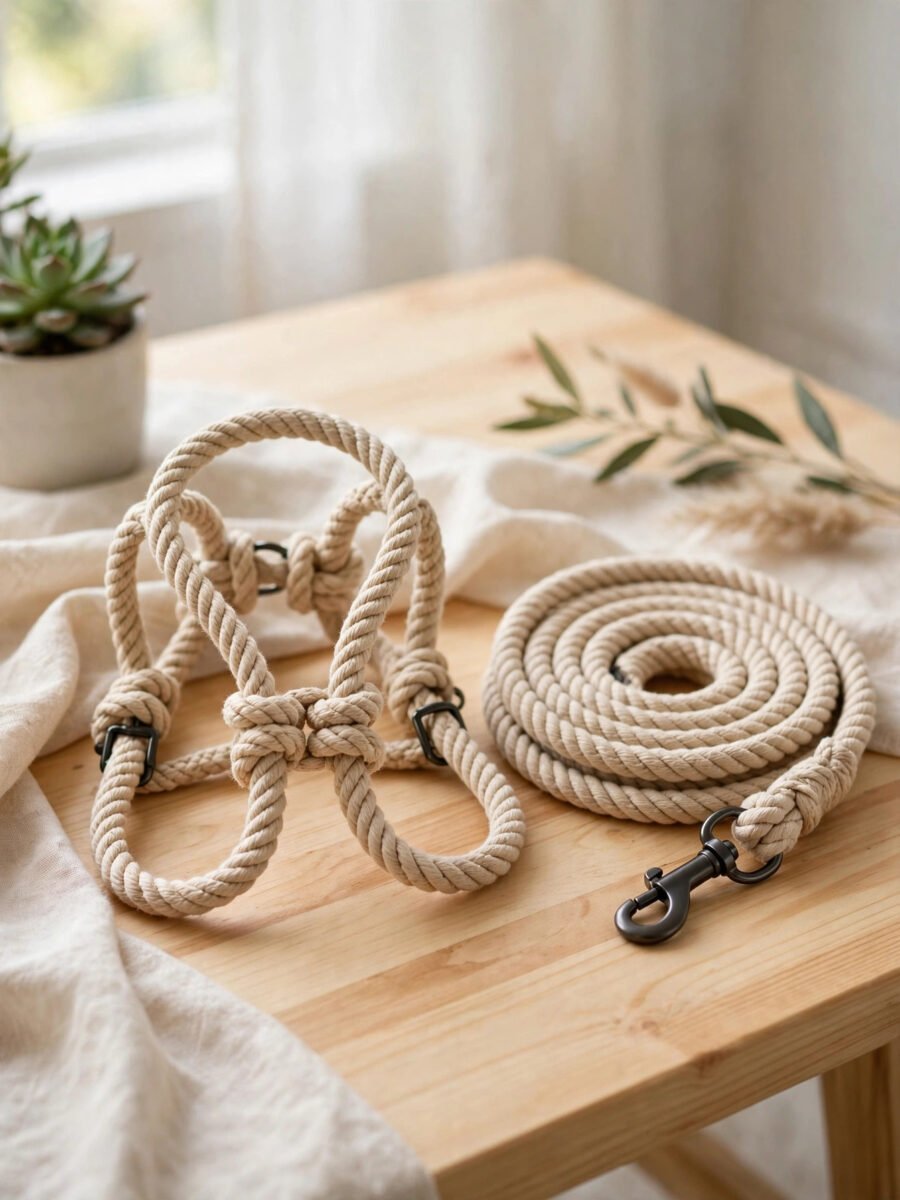
One continuous rope makes both the harness and the leash, which means zero hardware to buy. Climbers have used rope harnesses forever, and the same figure eight logic works beautifully on cats at their scale.
Use soft cotton rope, never stiff nylon. Tie a figure eight around the chest, leave a long tail for the leash, and finish with a bowline so nothing slips. I would suggest practicing the knots on a stuffed toy first.
You’ll need: soft cotton rope, 12 ft length
Best for: minimalists and knot lovers
Start Your 30-Day Home Reset
Stop waiting for a "perfect" free weekend. Grab the 30-day plan and start feeling lighter in your own home by tomorrow.
View the 30-Day Plan Printable PDF · Instant download8. Adjustable Webbing Harness

Nylon webbing with a slide adjuster is the most practical harness here. It adjusts as kittens grow, it dries fast after rain, and it costs almost nothing.
The trick is the tri glide slider. Thread the webbing through so it grips under tension but slides when relaxed. Add a D ring on the back strap and you have a harness that fits for years.
You’ll need: nylon webbing 1 inch wide, tri glide sliders, side release buckle, D ring
Best for: growing kittens and rainy climates
9. Braided Paracord Leash
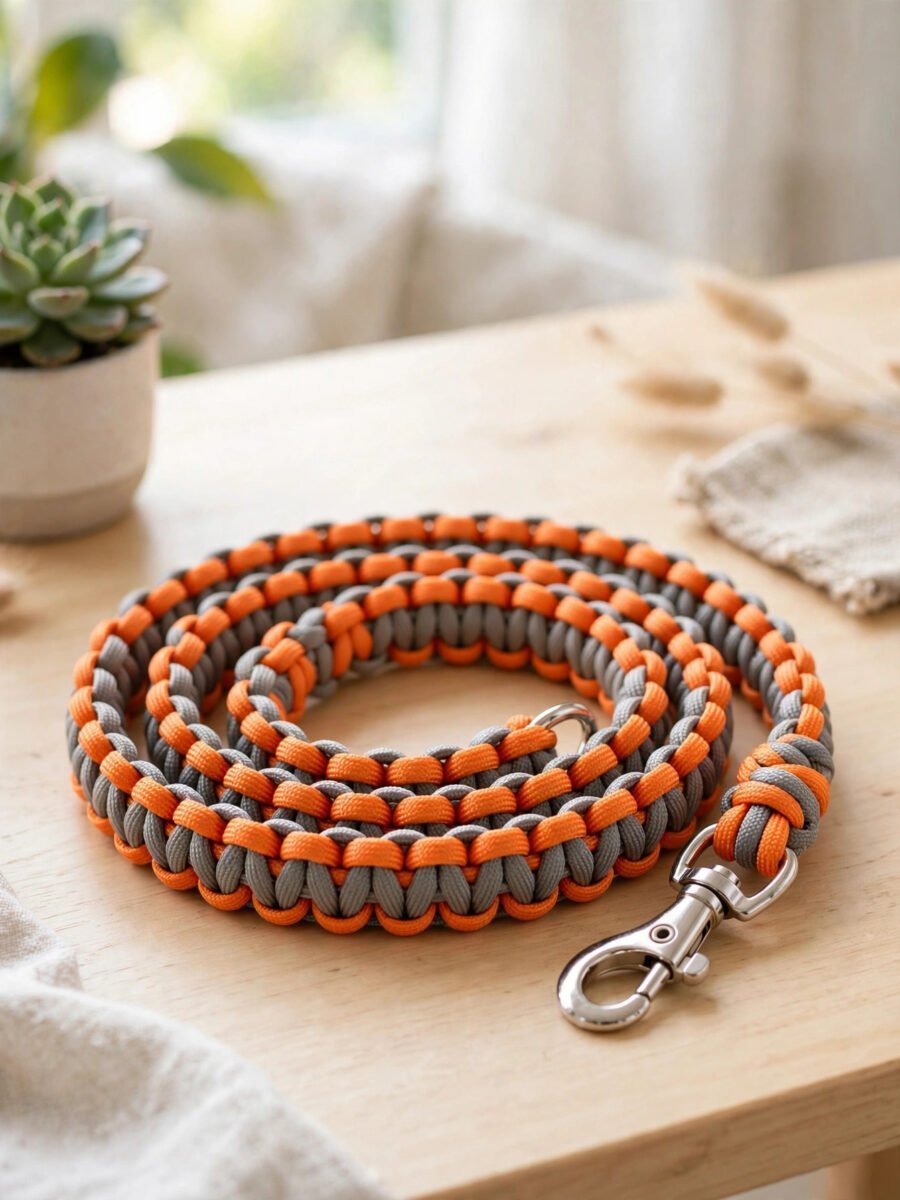
Pair any harness above with a matching braided leash and you have a set that looks store bought. A four strand round braid is strong, round in the hand, and oddly satisfying to make.
Keep cat leashes short, four to six feet. Cats do not heel like dogs, they wander and pounce, so a shorter leash keeps them out of trouble. Finish with a small swivel snap hook so the leash never twists.
You’ll need: 550 paracord, a small swivel snap hook
Best for: matching sets and gifts for cat lovers
10. Fleece Lined Winter Harness
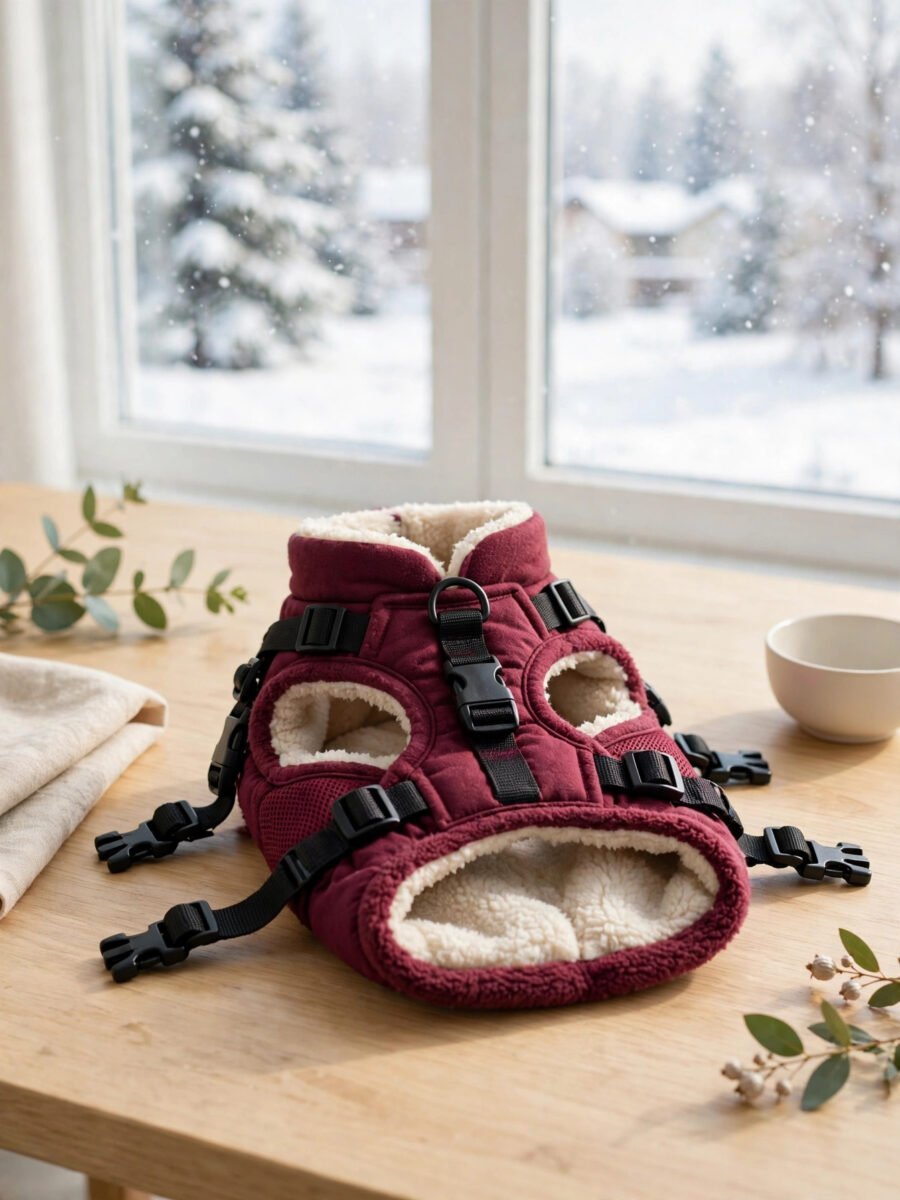
Cold weather walks need a warmer harness. A fleece lined vest keeps the chill off your cat’s chest while the outer layer blocks wind.
Sew fleece to the inside of any vest pattern, or glue it if you truly hate sewing. Honestly short haired cats appreciate this one the most. Keep walks short when it is properly cold. No harness fixes freezing paws.
You’ll need: fleece fabric, outer fabric, buckles
Best for: winter walks and short haired cats
11. H Style Rope Harness
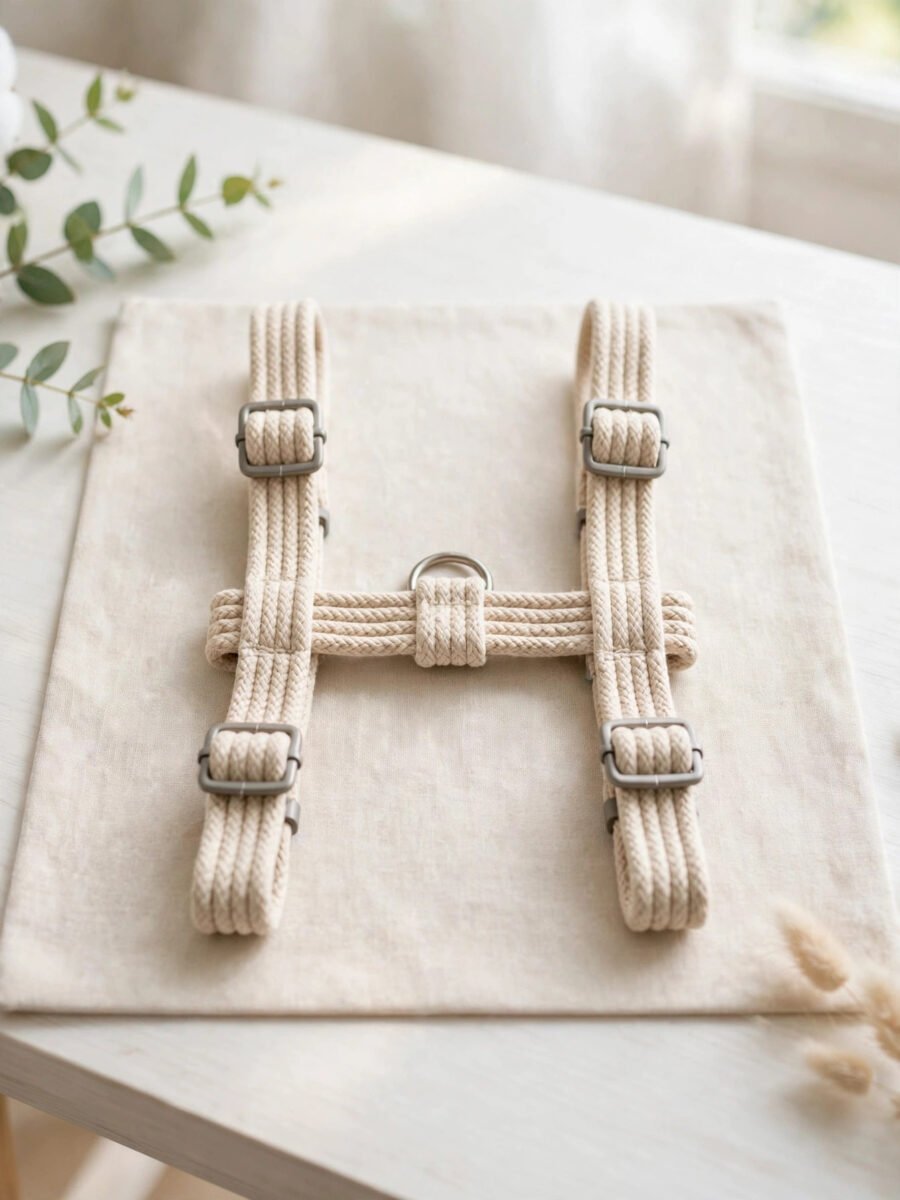
The classic H shape. One loop around the neck, one around the chest, joined by a back strap. It uses the least material of any harness here and takes twenty minutes.
This is my budget pick for a reason. Two loops and a connector strap, all from one length of soft rope. The H shape spreads pressure evenly so nothing digs into the throat.
You’ll need: soft rope or cord, 8 ft length
Best for: tight budgets and twenty minute builds
12. Kitten Training Harness Set
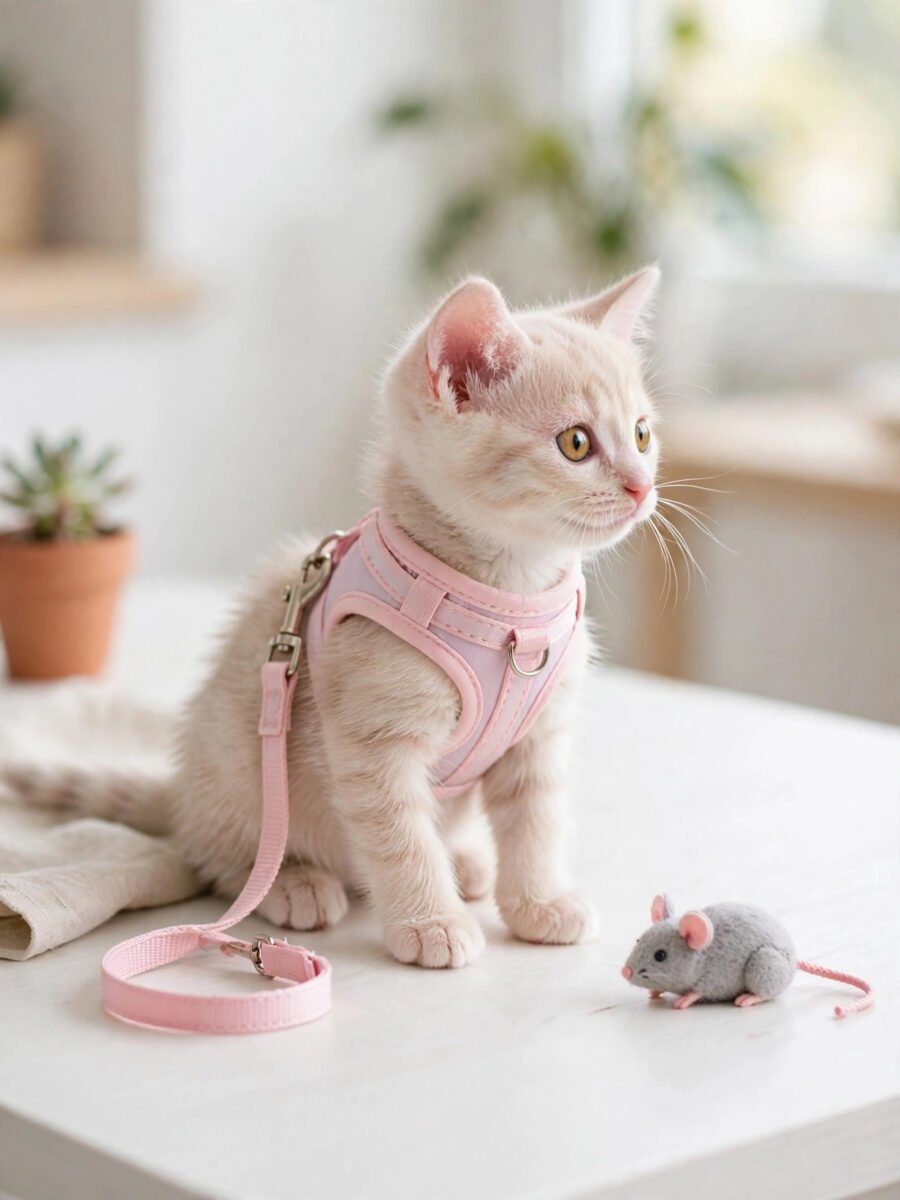
Start them young and most kittens accept a harness in days. Make it tiny, make it light, and keep the first sessions to five minutes indoors with treats.
In my experience the biggest mistake is rushing outside. Let the kitten wear the harness during play for a week, then add the leash indoors, then try the garden. Patience now means a walking companion for years.
You’ll need: soft lightweight fabric or yarn, tiny D ring, light leash
Best for: kittens under six months
FAQs About DIY Cat Harnesses
Will my cat actually walk on a leash?
Most cats will, just not like dogs. Expect wandering, sniffing, and sudden sprints after leaves. If your cat tolerates the harness indoors for a week, outdoor walks usually follow. Some cats never love it, and that is okay too.
How tight should a cat harness be?
Use the two finger rule. You should be able to slide two fingers under every strap. Tighter risks chafing and stress, looser invites escapes. Check the fit every few weeks since weight changes with the seasons.
Can I leave the harness on my cat unsupervised?
Never. A harness can snag on furniture and become a strangulation risk when nobody is watching. Put it on for walks and training sessions, then take it off. Supervised wear only, every single time.
What age can kittens start harness training?
Around eight to ten weeks is ideal. Young kittens adapt fast and treat the harness as normal. Keep early sessions short and full of treats, and always use a lightweight harness made for tiny bodies.
My cat freezes in the harness. What now?
Totally normal. The famous harness flop means your cat is processing a new feeling, not that you failed. Go back a step, offer treats, and try shorter sessions. Most cats unfreeze within a few days once the harness predicts good things.
Final Thoughts on diy cat harness
Start with the five minute T shirt harness and a pocket full of treats. If your cat takes to it, and honestly most young ones do, work your way up to the paracord beauty. I would love to hear which idea your cat picked.


Amir Ali is the founder and site administrator of HomeDecorEdge, a modern home decor and interior design platform. Since starting the site, he has combined his passion for interior design, practical styling, and color coordination with hands-on content strategy and site management. He guides authors, curates high-quality articles, and ensures readers have access to actionable, visually inspiring, and user-focused home decor advice for apartments, small rooms, and family homes.