

Your garden deserves more than just a few random plants scattered around. These 45 garden design ideas help you create outdoor spaces that feel intentional, beautiful, and totally you. Whether you’re working with a tiny backyard or a sprawling yard you’ll find inspiration that actually fits your style and space.
This post contains affiliate links. If you purchase through these links I may earn a small commission at no extra cost to you.
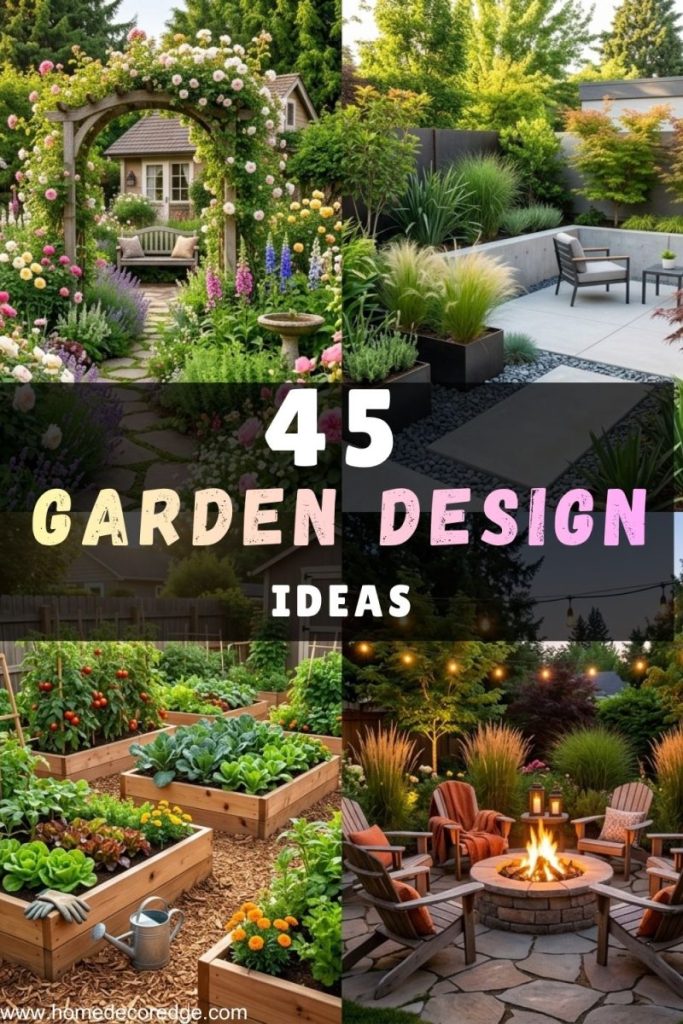
Garden design isn’t about following strict rules — it’s about creating outdoor spaces that make you actually want to spend time outside.
Explore stunning outdoor garden decor ideas that’ll elevate your entire landscape!
1. Curved Pathway Garden Design
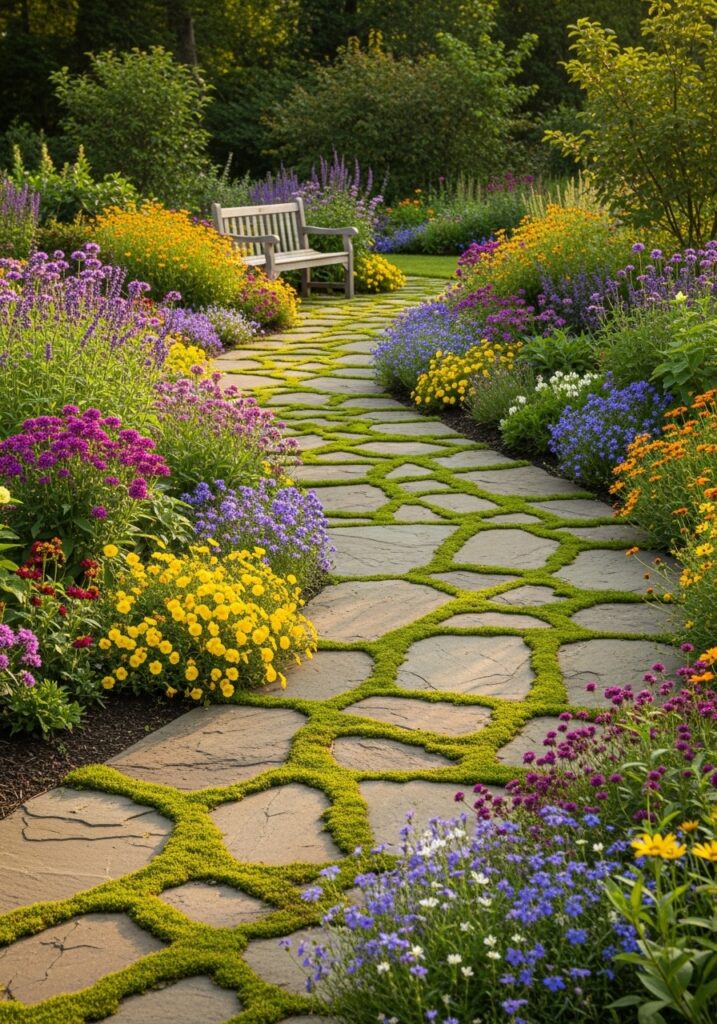
Straight paths feel too formal for most home gardens. A gently curved walkway creates natural flow and makes even small spaces feel larger because you can’t see where the path ends. Use these flagstone stepping stones with low-growing plants between them for that established look. The curve draws your eye through the garden and creates little surprise moments as you walk.
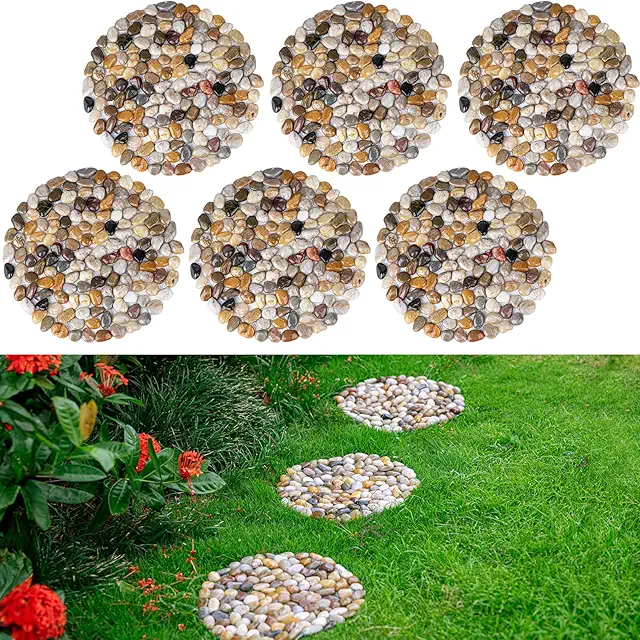
Flagstone Stepping Stones
Create natural curved pathways that give your garden flow and structure — let low-growing plants fill the gaps for that established cottage garden look.
Check Price on Amazon2. Layered Border Garden

Think of your garden beds in three heights — tall, medium, low. This layering creates depth that flat plantings never achieve. Place your tallest plants at the back or center, medium heights in the middle, and low growers along the edges. Start with these mixed perennial border plants — they come back every year and create that lush layered look designers use. Mix textures and bloom times so something always looks good.

Perennial Garden Plants Mixed Set
Come back every year and create that lush layered border look — mix textures and bloom times for a garden bed that always has something interesting to see.
Check Price on Amazon3. Formal Symmetrical Layout

Symmetry brings instant elegance to any garden space. Mirror your plantings on both sides of a central axis — your walkway, door, or main view. Use matching containers, identical plant choices, and geometric shapes for that classical garden feel. It works especially well for front yards where you want a polished first impression. The structure gives you a framework, but you can soften it with flowering plants that spill slightly out of bounds.
4. Cottage Garden Abundance
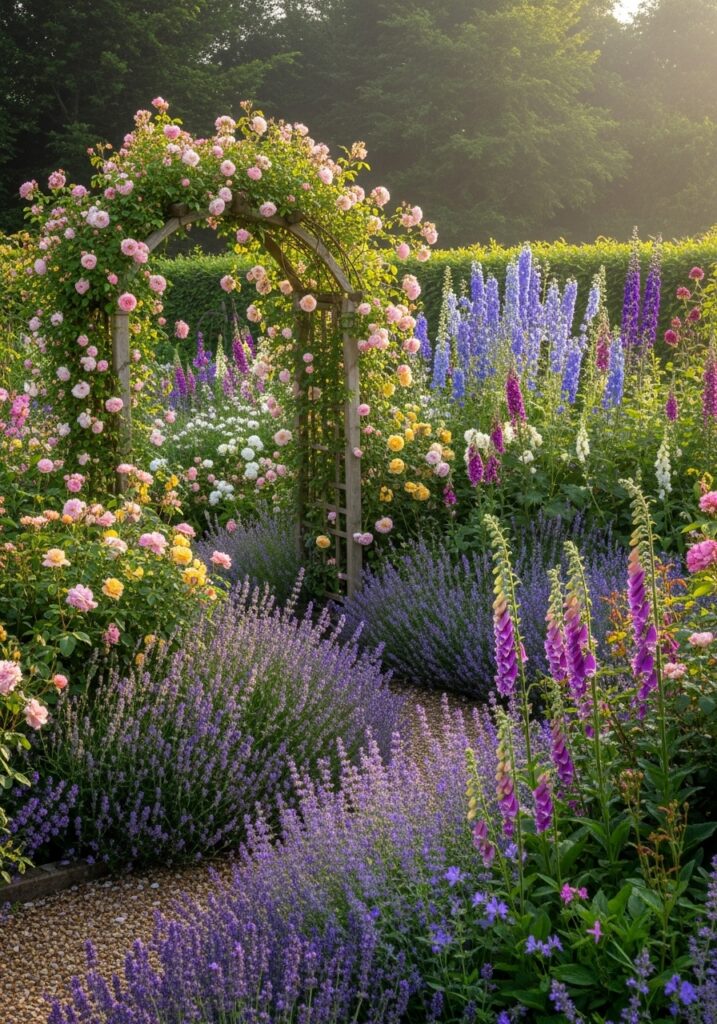
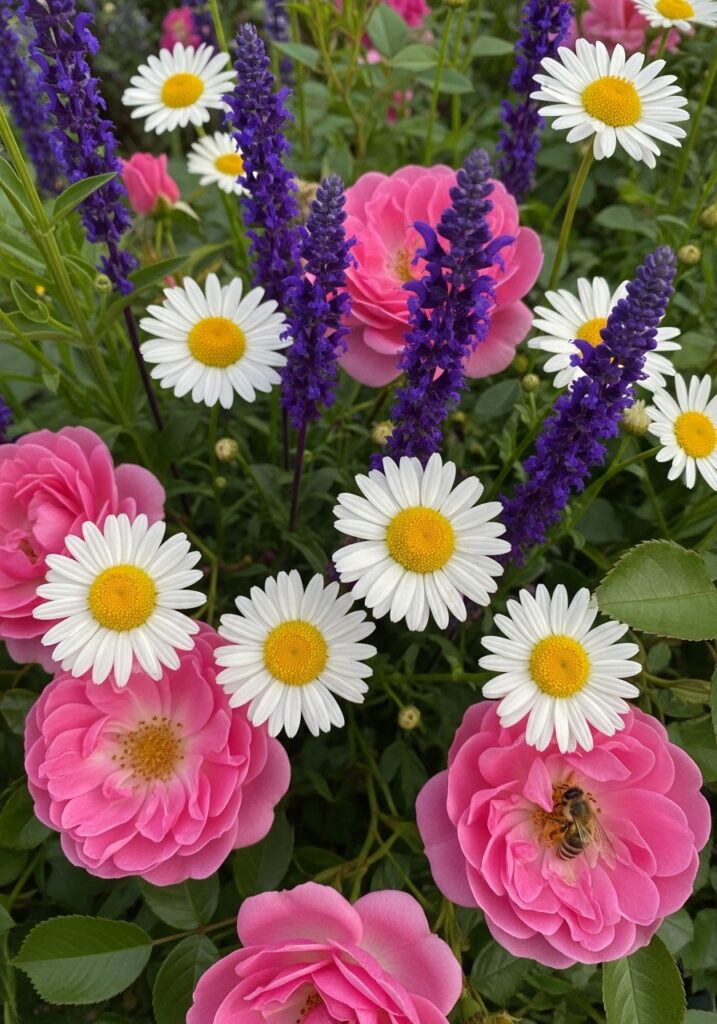
Cottage gardens reject minimalism completely. Pack in the plants until they’re touching, mixing colors and heights with joyful abandon. Let climbers scramble up supports, perennials self-seed between pavers, and everything grow together naturally. Scatter a cottage wildflower seed mix throughout — it self-seeds and fills every gap with that effortless overflowing look that makes cottage garden design so irresistible. If you love the charming aesthetic explore our garden flower ideas for more planting combinations that work.
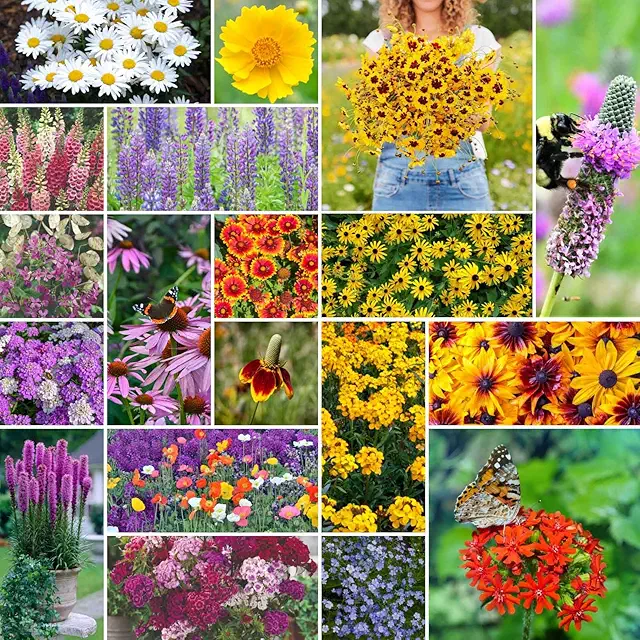
Cottage Wildflower Seed Mix
Self-seeding perennial cottage mix that fills every gap naturally — scatter once and enjoy that effortless overflowing cottage garden look year after year.
Check Price on Amazon5. Modern Minimalist Garden
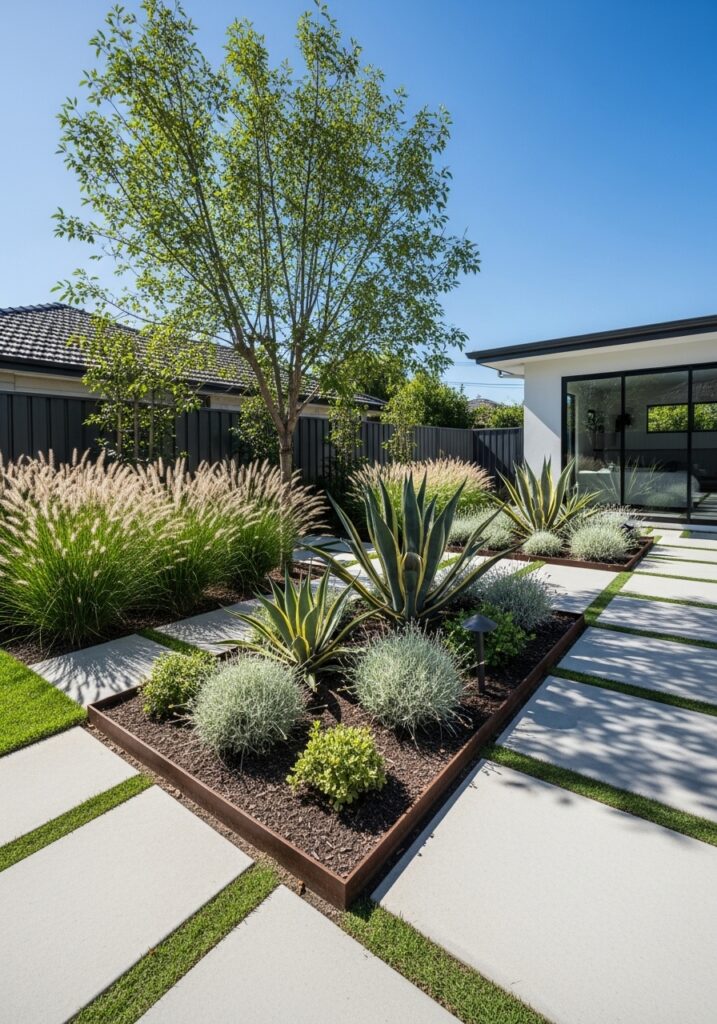
Less is definitely more in modern garden design. Choose a limited plant palette — maybe three to five species repeated throughout. Focus on form and texture rather than color chaos. These ornamental grass plants are perfect for modern minimalist garden design — architectural movement and texture without any fussiness. Clean edging, simple materials, and plenty of empty space let each plant be a statement. Incredibly low maintenance once established.
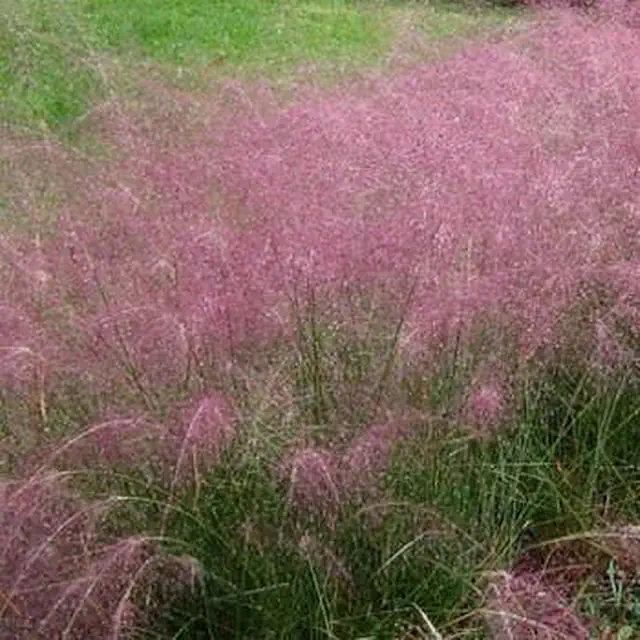
Ornamental Grass Plants
Architectural movement and texture without fussiness — perfect for modern minimalist garden design and incredibly low maintenance once established.
Check Price on Amazon6. Wildlife-Friendly Garden Layout
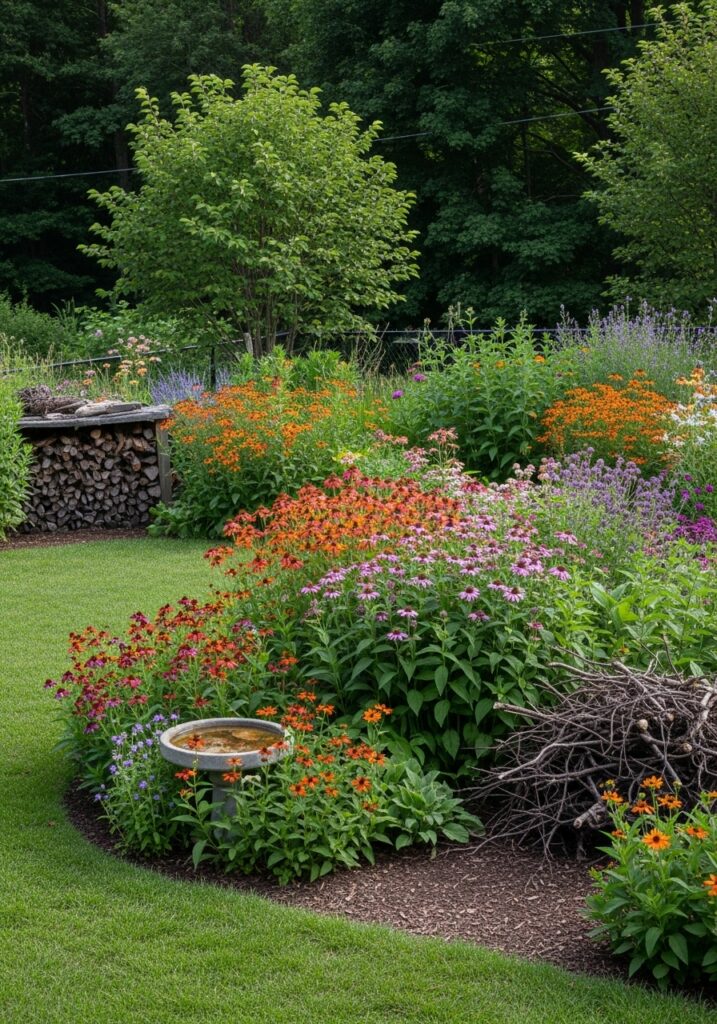
Design your garden as a habitat, not just decoration. Layer plants from ground covers to trees, creating different zones for different creatures. Include native wildflower pollinator plants that local wildlife actually recognize as food and shelter. Add water features, leave some messy areas like brush piles, and skip the pesticides entirely. You’ll see more butterflies, bees, and birds than you ever imagined.
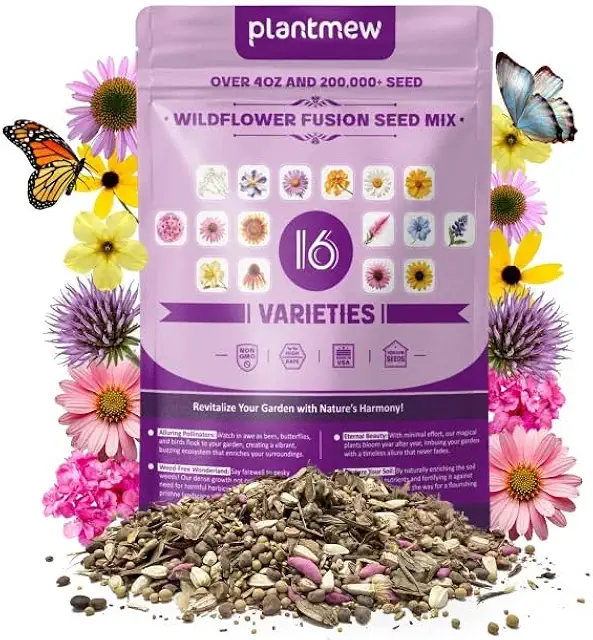
Native Wildflower Pollinator Mix
Native wildflowers that local wildlife actually recognizes — attracts butterflies bees and hummingbirds while creating a beautiful living ecosystem in your garden.
Check Price on Amazon7. Raised Bed Kitchen Garden
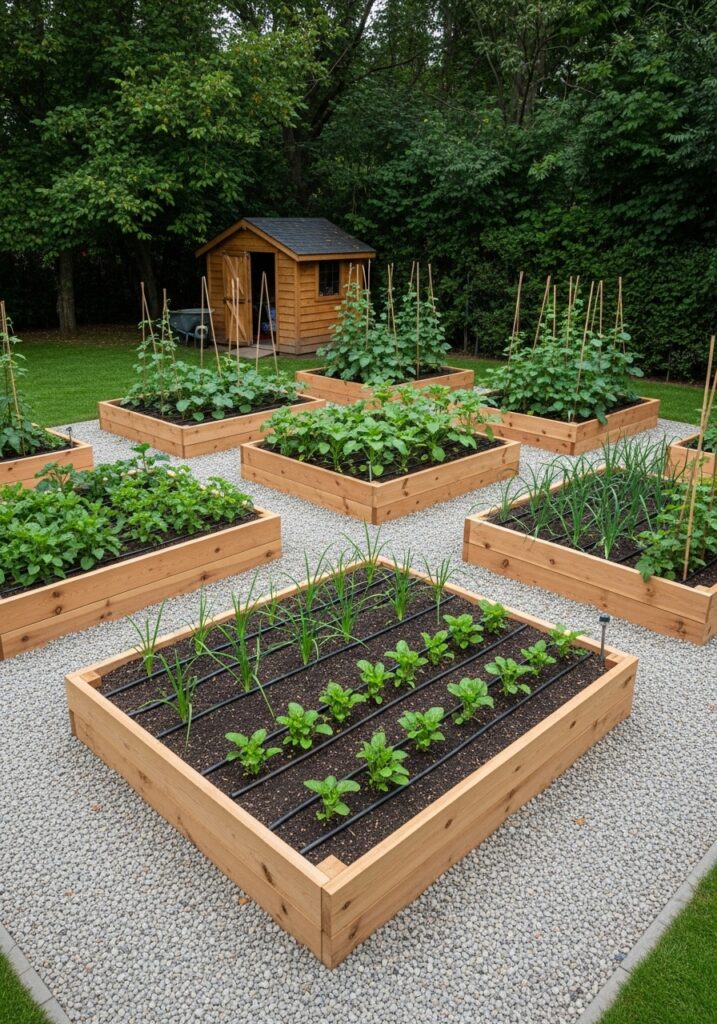
Raised beds transform vegetable gardening from backbreaking to actually enjoyable. Design them in a layout that’s functional — beds no wider than four feet so you can reach the center from both sides. This cedar raised garden bed kit assembles quickly and looks beautiful in any backyard vegetable garden design. Group beds by sun needs or watering requirements. The structure makes crop rotation easy and keeps everything organized.
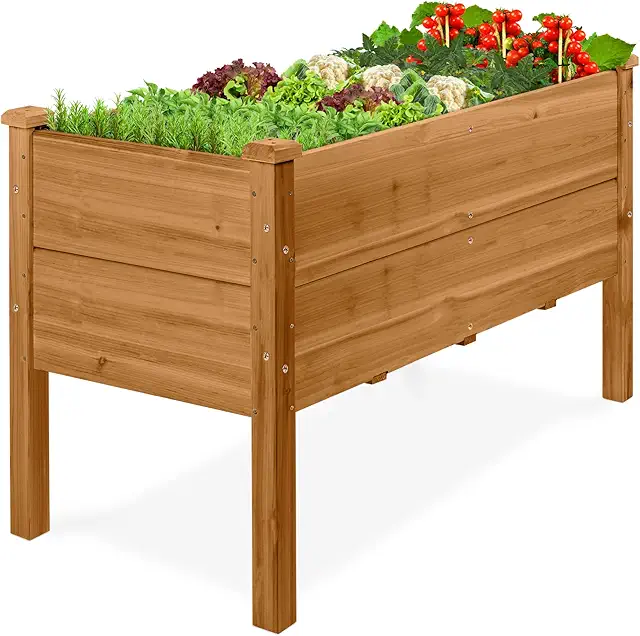
Cedar Raised Garden Bed Kit
Transforms vegetable gardening from backbreaking to enjoyable — natural cedar resists rot and looks beautiful while keeping your kitchen garden organized all season.
Check Price on Amazon8. Shade Garden Design
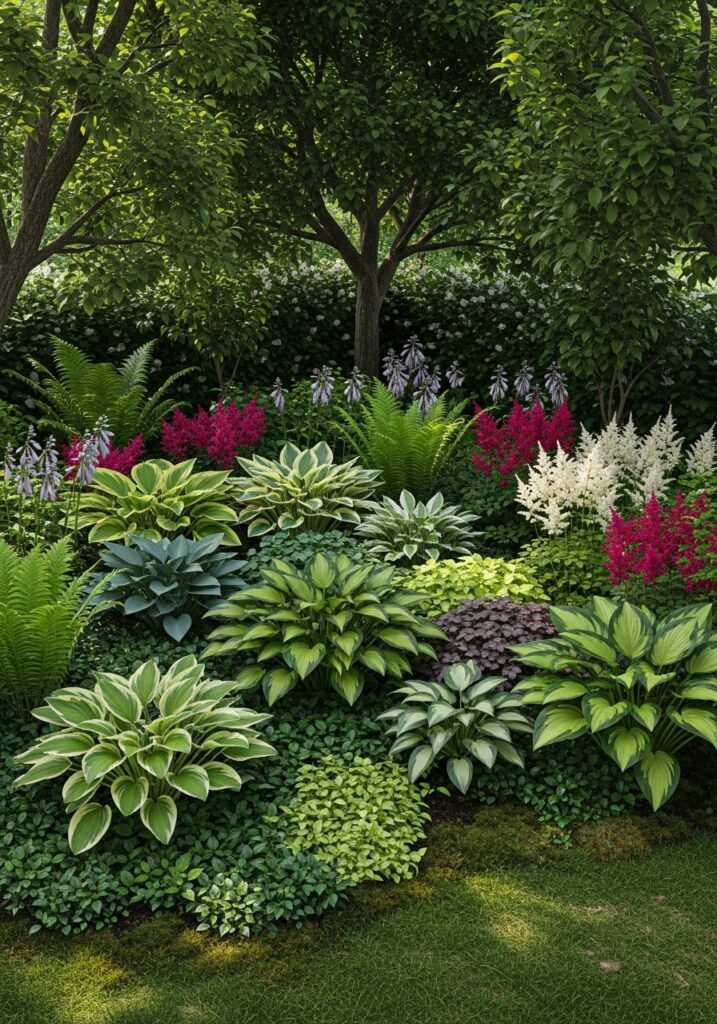
Shade doesn’t mean boring — it means working with foliage instead of flowers. Design with plants that have interesting leaves in different sizes, colors, and textures. Layer ferns with hostas, add astilbe or bleeding hearts for flower interest, use variegated plants to brighten dark corners. The garden feels lush and cool, perfect for those spots where nothing sunny ever worked. Embrace the shade instead of fighting it.
9. Gravel Garden Mediterranean Style

Gravel gardens are genius for hot, dry climates. Cover your beds with decorative landscape gravel and plant through it with drought-tolerant beauties for that casual Mediterranean garden design vibe. The gravel suppresses weeds, retains moisture, and creates a relaxed sun-drenched atmosphere. Choose plants with silver or grey foliage that won’t need constant watering once established. Low maintenance and honestly gorgeous.

Decorative Landscape Gravel
Suppresses weeds retains moisture and creates that relaxed Mediterranean garden atmosphere — plant drought-tolerant beauties through it for a low maintenance stunning result.
Check Price on Amazon10. Circular Garden Design
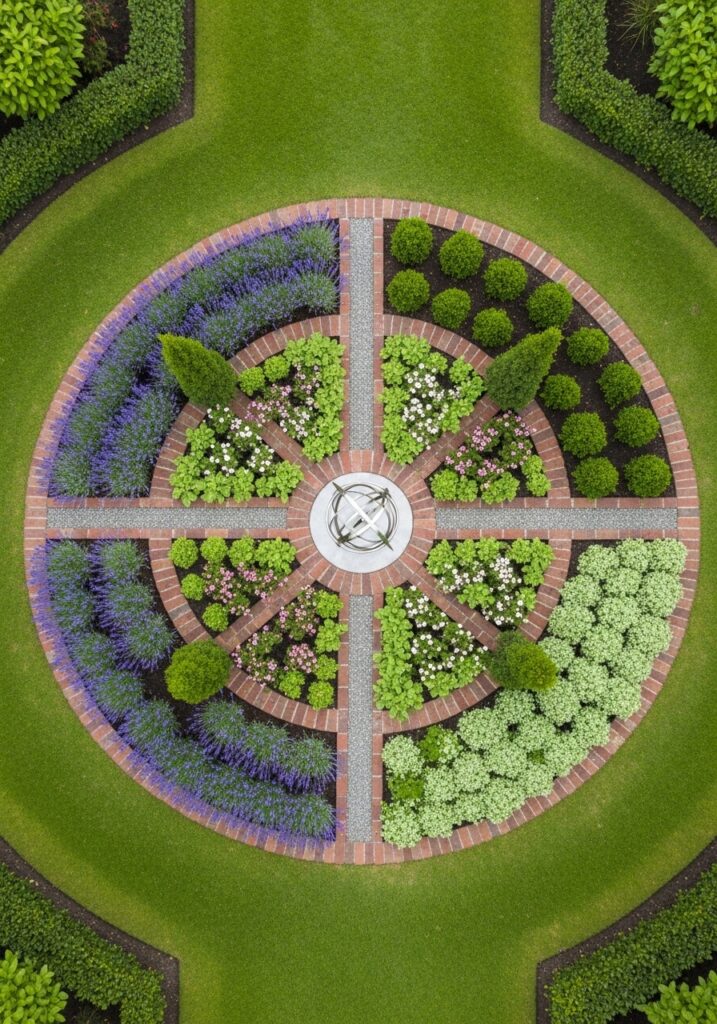
Circles create natural focal points that draw the eye immediately. Design a round bed in your lawn or patio area, plant in concentric circles from tall center to low edges. The geometry feels intentional and finished without being overly formal. You can repeat the circular theme with round pavers, curved paths, or circular seating areas. It works especially well in square or rectangular yards where you want to break up all those straight lines.
11. Vertical Garden Wall Design
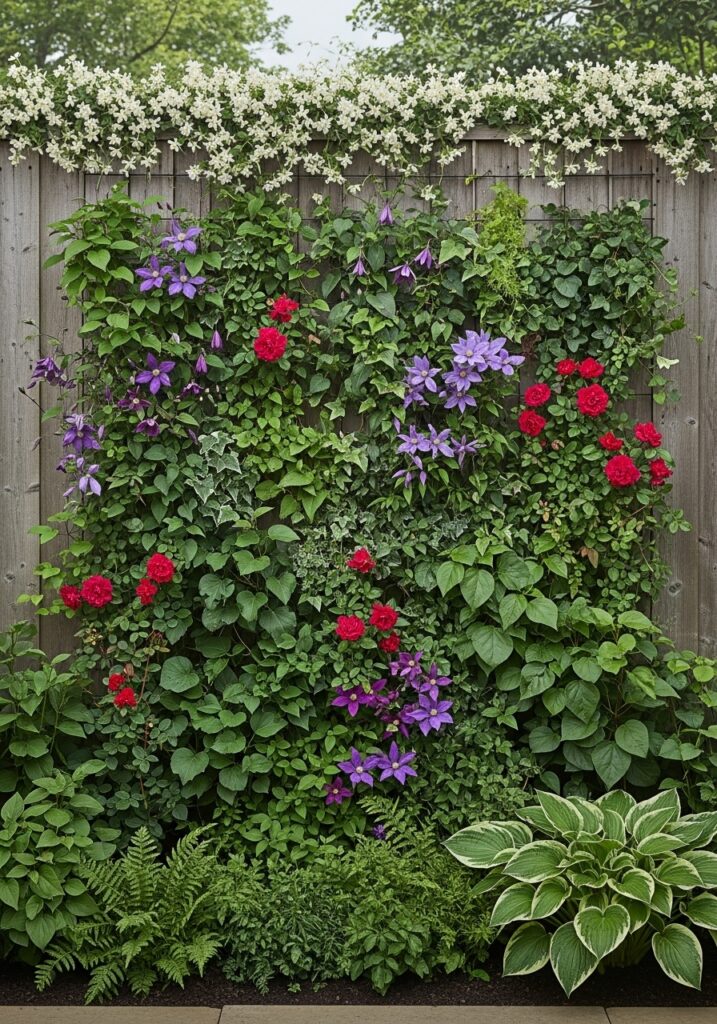
When you’re short on ground space, go vertical. These wall-mounted vertical planters mount on fences or walls instantly — you’re creating a living wall that adds privacy softens hard surfaces and maxes out your planting area. Choose climbers that suit your structure’s strength and mix different plant types for color and texture. The vertical dimension makes small garden designs feel way bigger. For more front yard impact explore our outdoor garden decor ideas.
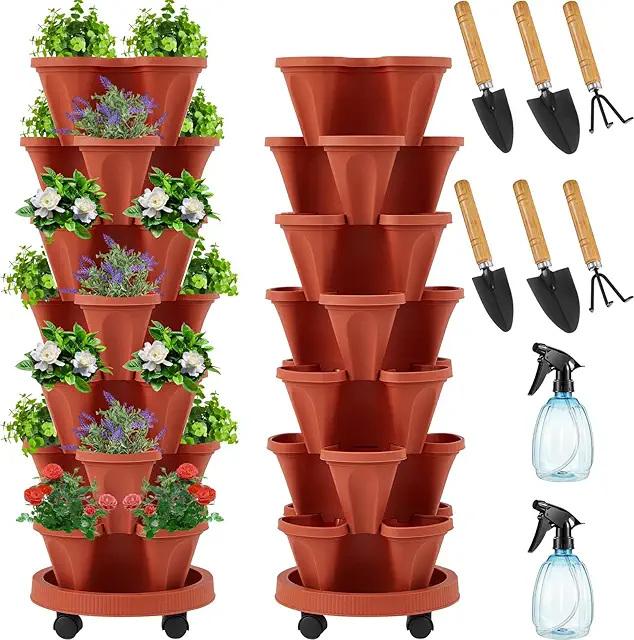
Vertical Wall Planter
Creates a living wall that adds privacy softens hard surfaces and maximizes planting area — makes small garden designs feel dramatically bigger instantly.
Check Price on Amazon12. Island Bed Design
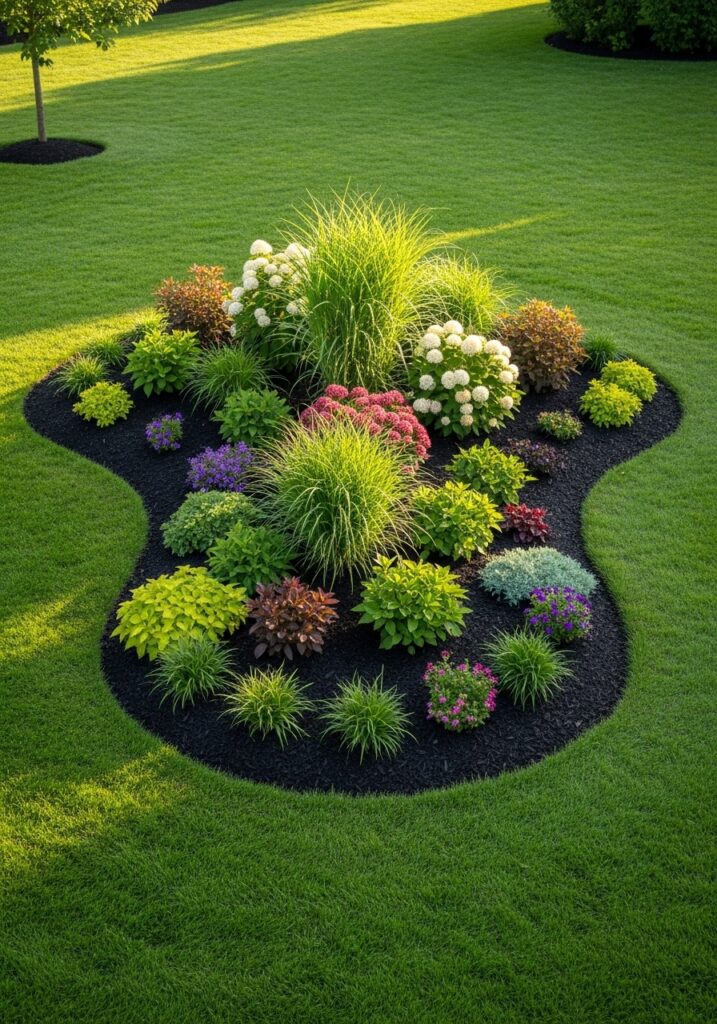
Island beds sit in the middle of lawn or paving, viewable from every angle. Design them with the tallest plants dead center, graduating down to the shortest at the edges. The shape should be irregular and flowing, not geometric. You’re creating a 3D sculpture with plants that looks good from every direction. It breaks up large lawn areas and gives you a reason to walk around and see the garden from different perspectives.
13. Xeriscaping Design
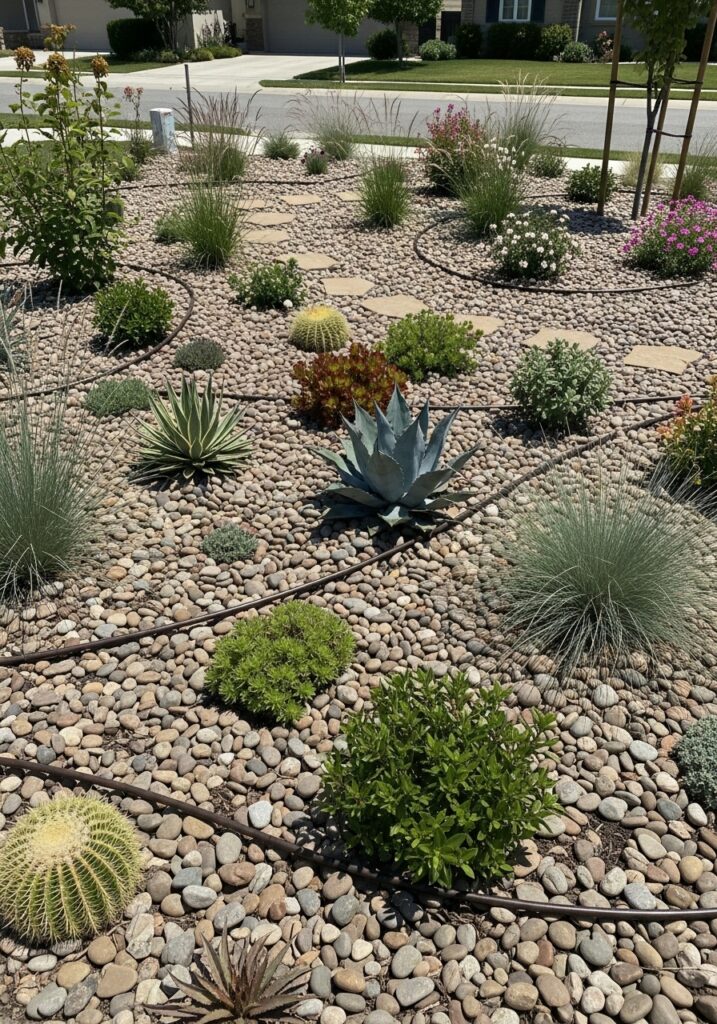
Xeriscaping isn’t about having a desert yard — it’s about being smart with water. Group plants by their watering needs into zones. Use natives and adapted plants that thrive without constant irrigation. Mulch heavily to retain moisture. Reduce or eliminate lawn. The design can be absolutely beautiful with the right plant choices, and you’ll cut your water bill dramatically. Responsible gardening that still looks lush and intentional.
14. Japanese-Inspired Garden

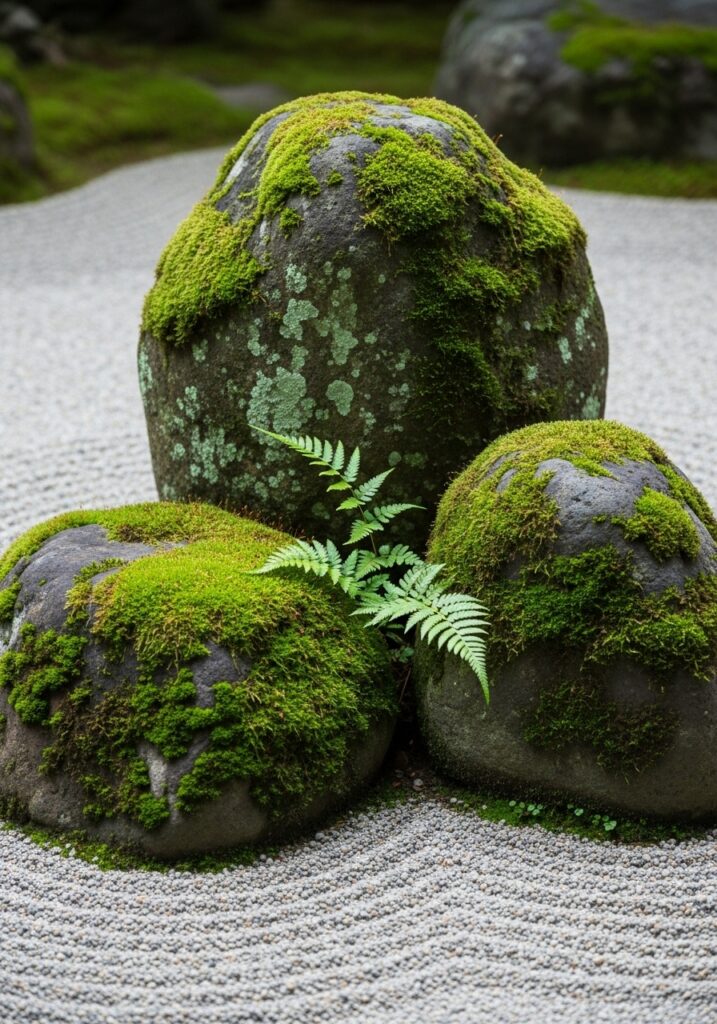
Japanese garden design layout is all about contemplation and natural harmony. Every element has meaning — rocks represent mountains, gravel represents water, carefully pruned plants show respect for nature’s form. Use odd numbers, create asymmetrical balance, and embrace negative space. The restraint creates incredible peace. It’s not about authenticity — it’s about borrowing principles that create calm beautiful spaces.
15. Tropical Garden Design
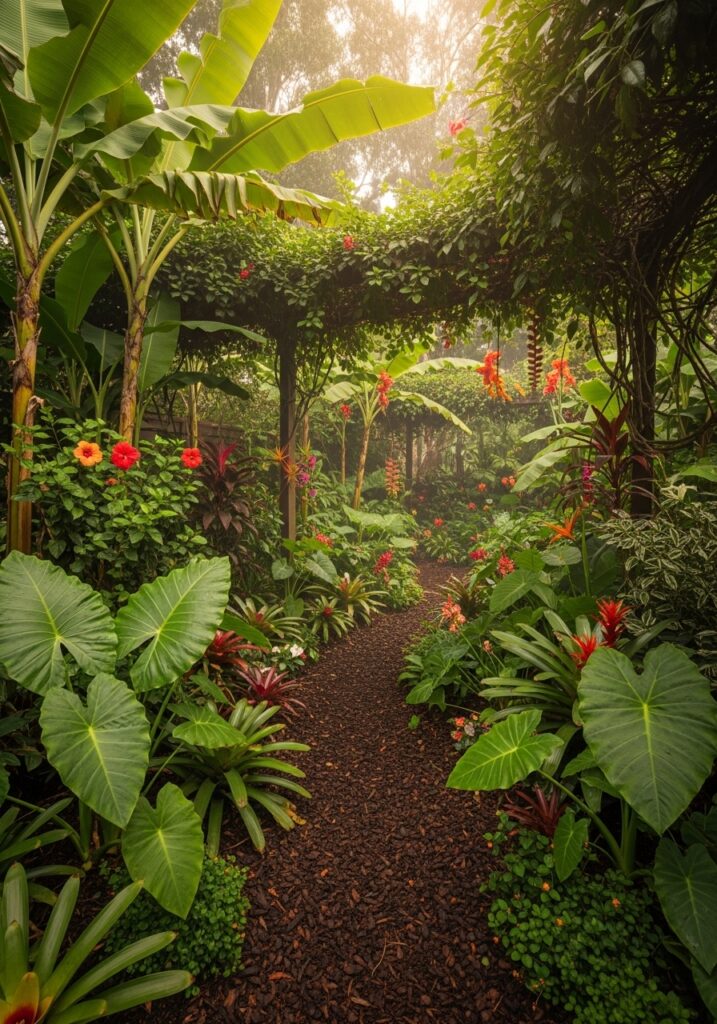
Even cold climates can have tropical summer gardens. Design with bold foliage plants that create that lush jungle vibe — bananas, cannas, elephant ears, coleus. Layer them densely with the biggest leaves at the back. Add bright flower colors and you’ve got instant vacation feels. In cold areas, treat tropicals as annuals or bring them inside. The drama is worth the extra effort.
16. Rock Garden Alpine Design
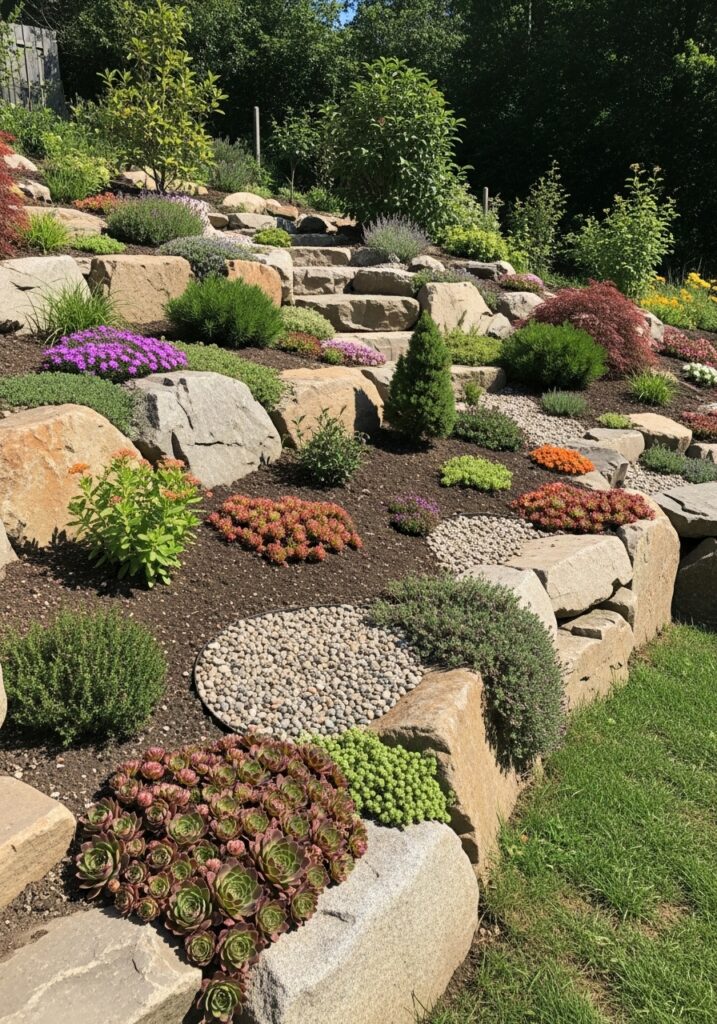
Rock gardens turn problem slopes into features. Nestle rocks into the hillside like they’ve always been there, creating pockets for sedum and alpine succulent plants that need perfect drainage. These tough little plants thrive in lean conditions and create that naturalistic rock garden design ideas look that improves every year. The rocks provide thermal mass and create microclimates. Low maintenance once established because alpines don’t want fertilizer or fussing.

Sedum Alpine Rock Garden Plants
Tough little plants that thrive in lean rocky conditions — perfect for rock garden design and need no fertilizer or fussing once established.
Check Price on Amazon17. Pollinator Garden Layout
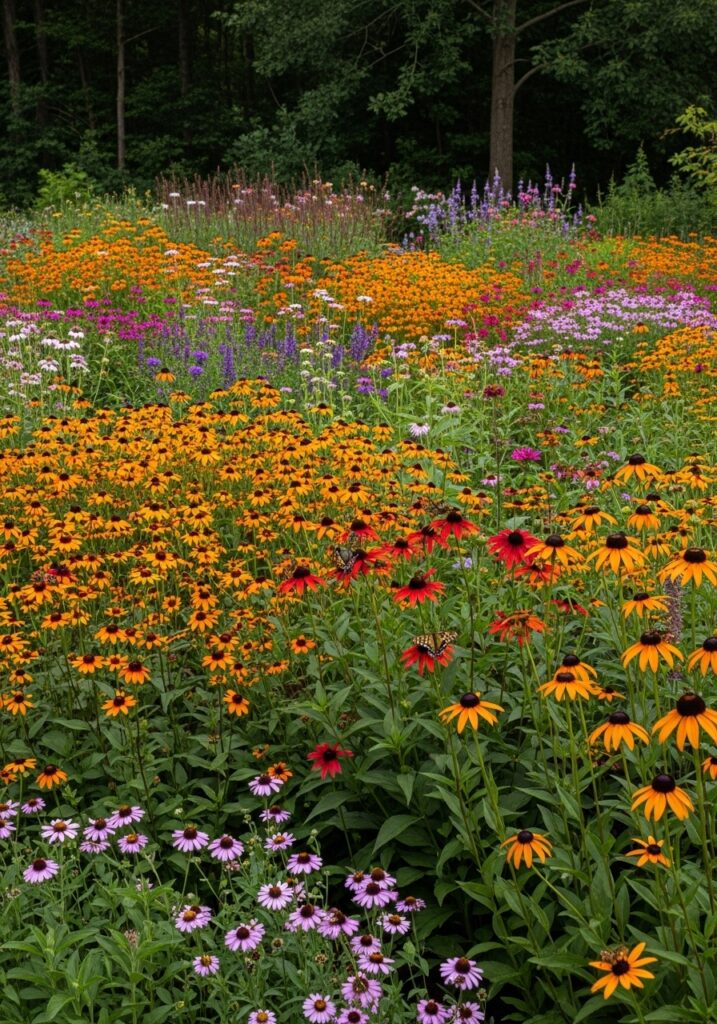
Design for pollinators by planting in large drifts rather than scattered singles. They need to see masses of color to find flowers worth visiting. Use this butterfly garden wildflower seed mix for continuous food sources from early spring through fall — include plants that bloom in succession so pollinators always have something. Skip hybrids and doubles that offer no food. The garden becomes this buzzing fluttering ecosystem that looks absolutely gorgeous.
Butterfly Garden Seed Mix
Plant in large drifts for maximum pollinator impact — continuous blooms from spring through fall that turn your garden into a buzzing fluttering living ecosystem.
Check Price on Amazon18. Container Garden Design
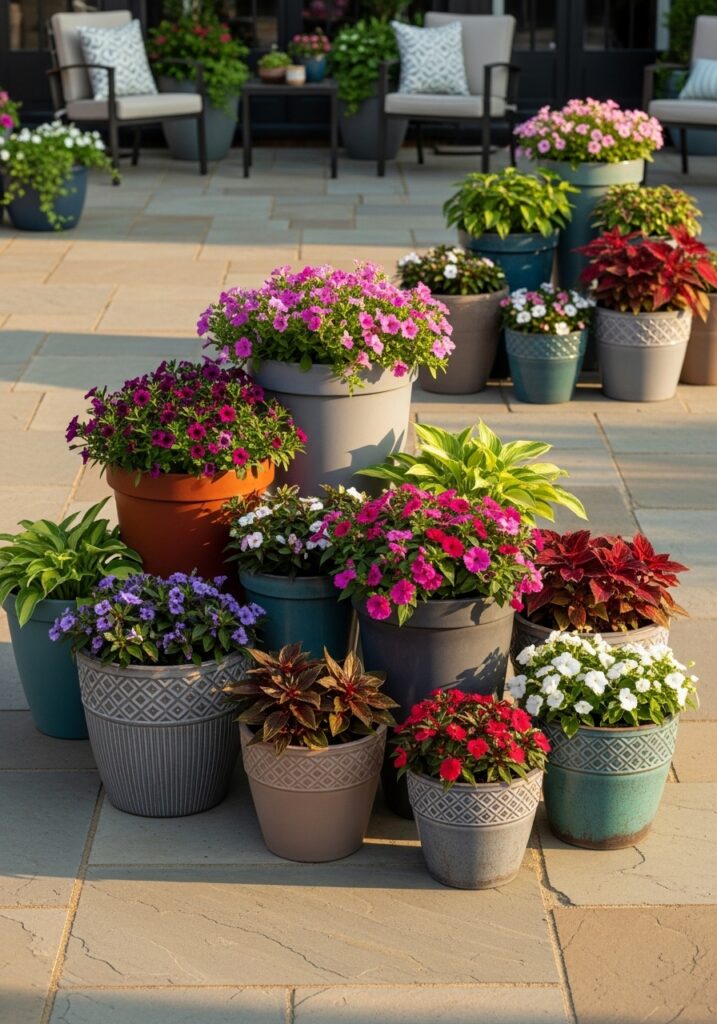
Container gardens need design thinking just like in-ground beds. Group these large terracotta pots in odd numbers and vary the heights — repeat colors across different containers for a cohesive look. Create thriller-filler-spiller combinations in individual pots. The arrangement should look intentional not random. You can change the whole look seasonally by swapping plants. It’s gardening for renters, small spaces, or anyone who wants flexibility.

Large Terracotta Garden Pots
Group in odd numbers at varying heights for instant design impact — swap plants seasonally for a container garden that looks fresh and intentional all year.
Check Price on Amazon19. Herb Garden Design
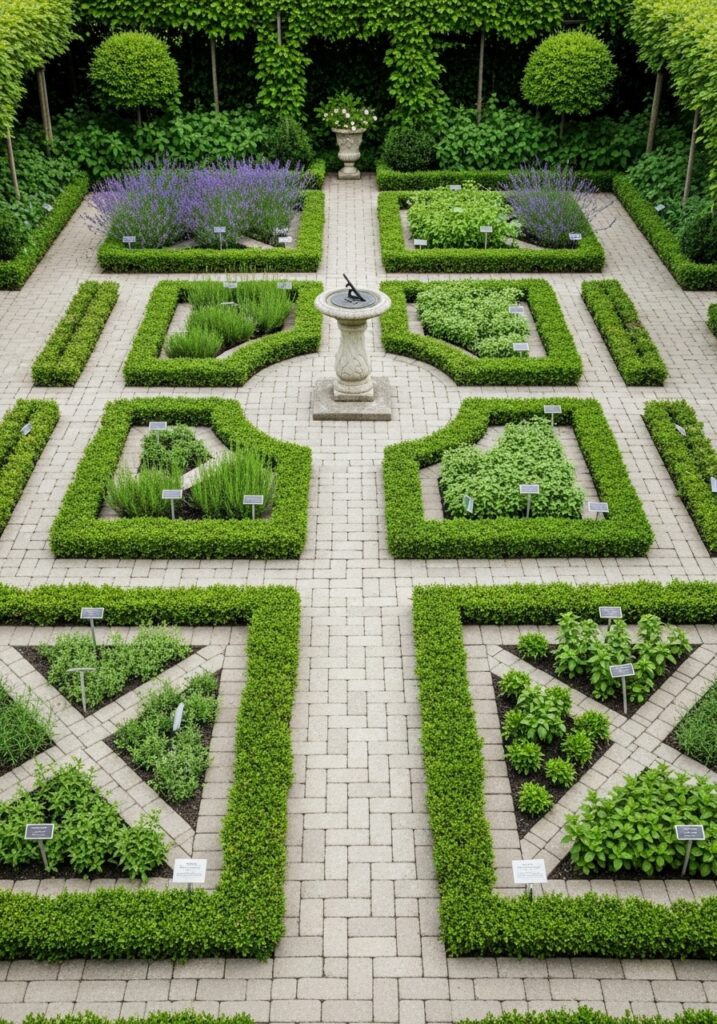
Herb gardens work best when they’re both beautiful and functional. Design in a classic pattern with paths between beds so you can reach everything without stepping on soil. This herb garden planter box sits right outside your kitchen door — you’ll actually use fresh herbs when they’re this convenient. Group herbs by use or water needs. The structure can be formal with geometric beds or casual with containers but accessibility is key.

Herb Garden Planter Box
Position right outside your kitchen door and you’ll actually use fresh herbs in daily cooking — beautiful functional and the most convenient herb garden design possible.
Check Price on Amazon20. Prairie-Style Garden
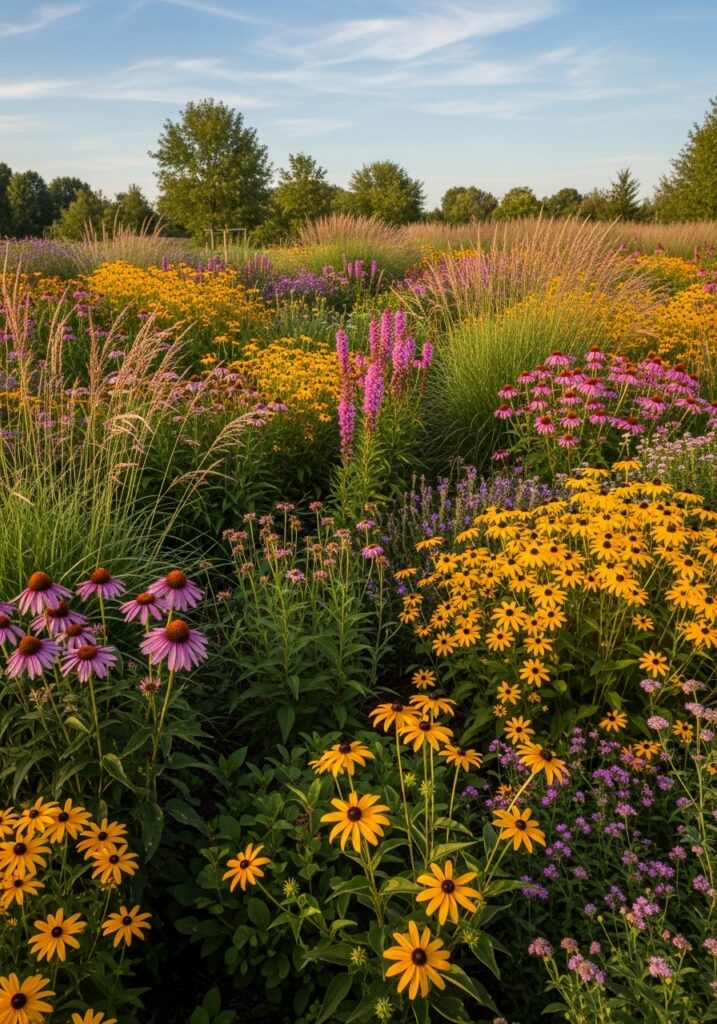
Prairie gardens capture that windswept grassland beauty. Plant native grasses and wildflowers in sweeping drifts that look naturally random but are actually carefully planned. Let plants go to seed for winter interest and wildlife food. The movement of grasses in wind brings gardens to life. It’s lower maintenance than traditional borders once established, drought-tolerant, and supports tons of wildlife.
21. Edible Landscape Design
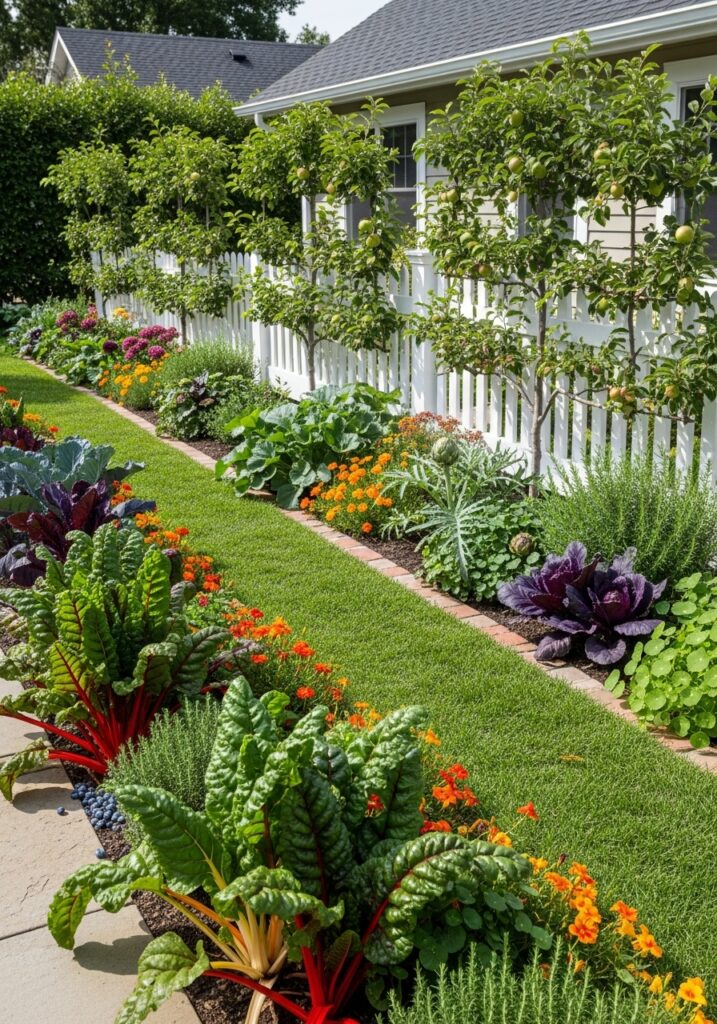
Why separate food from beauty? Design edibles right into your ornamental beds. Rainbow chard looks gorgeous as edging, blueberries work as foundation shrubs, fruit trees can be espaliered on fences. Choose varieties for appearance as well as taste. Nobody needs to know your landscape is also your salad garden. For more elegant front yard combinations browse our garden flower ideas.
22. Formal Parterre Garden
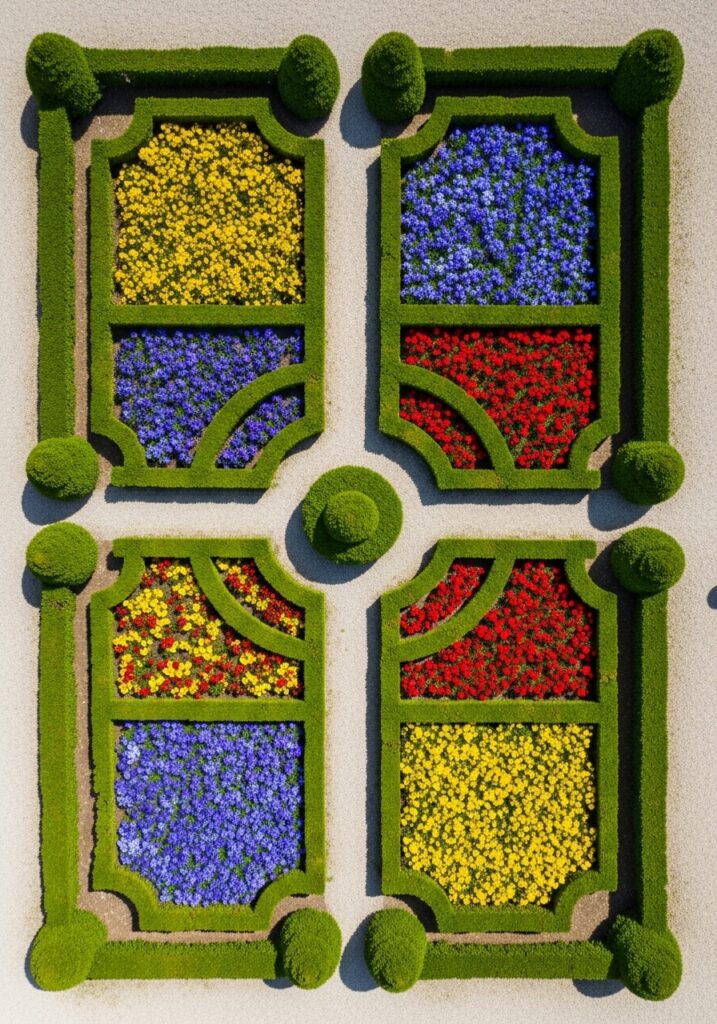
Parterres are the ultimate formal garden expression. Design intricate patterns with low hedges — usually boxwood — and fill the sections with flowers or colored gravel. The geometry creates a living artwork best viewed from above. It’s high maintenance with all that hedge trimming, but incredibly striking. The structure works year-round with seasonal color filling the spaces. Pure garden theater.
23. Naturalistic Woodland Garden
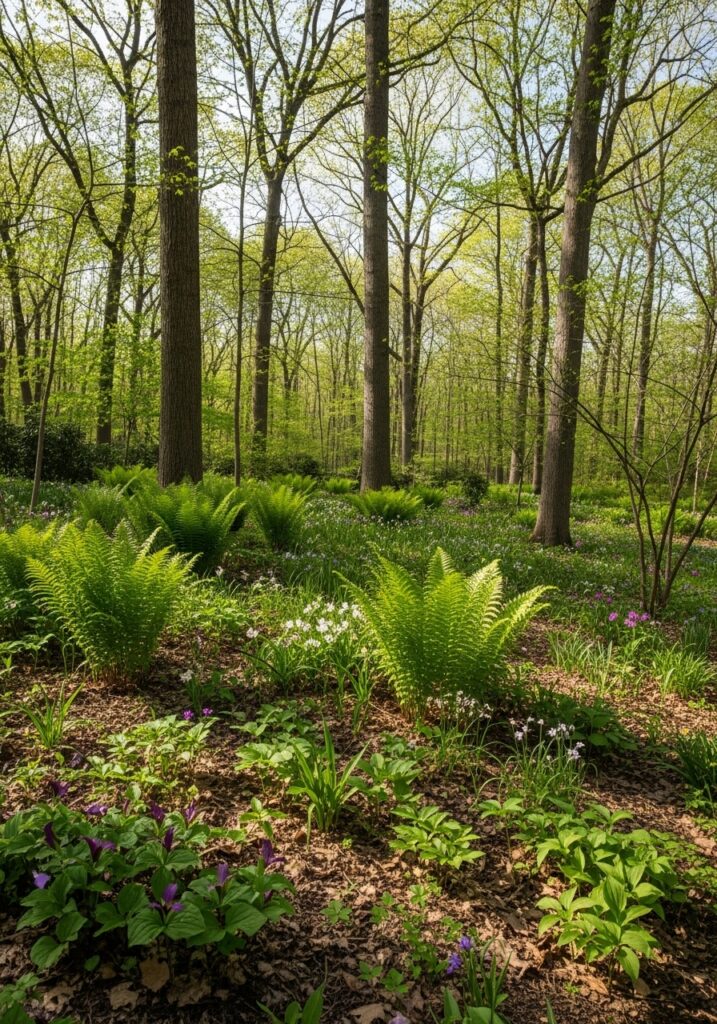
Woodland gardens work with nature instead of against it. Plant shade lovers in natural-looking drifts under your trees, let leaf litter stay as mulch, create winding paths. Include spring ephemerals that bloom before trees leaf out, then fade back. The design should feel discovered rather than constructed. It’s incredibly low maintenance once established — basically you’re creating forest floor conditions.
24. Contemporary Concrete Garden
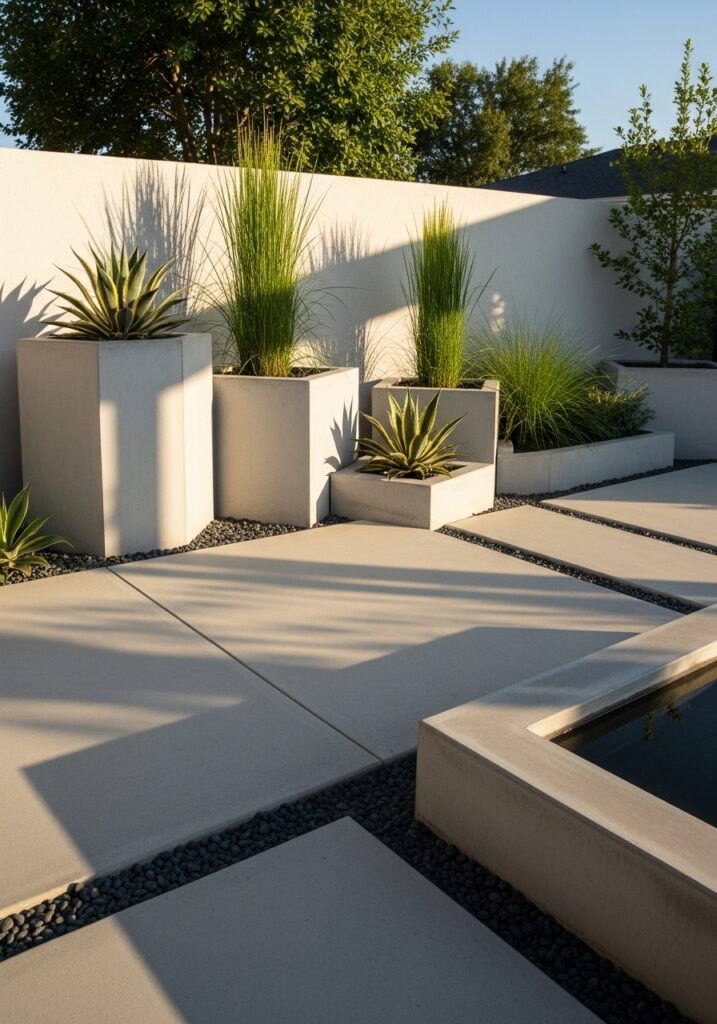
Concrete gardens embrace modern materials unapologetically. Pour custom planters in geometric shapes, use concrete pavers in interesting patterns, add concrete water features. The hardscape becomes the star with plants as accents. Choose sculptural specimens that hold their own against the strong materials. The look is urban, contemporary, and incredibly low maintenance.
25. Scree Garden Design
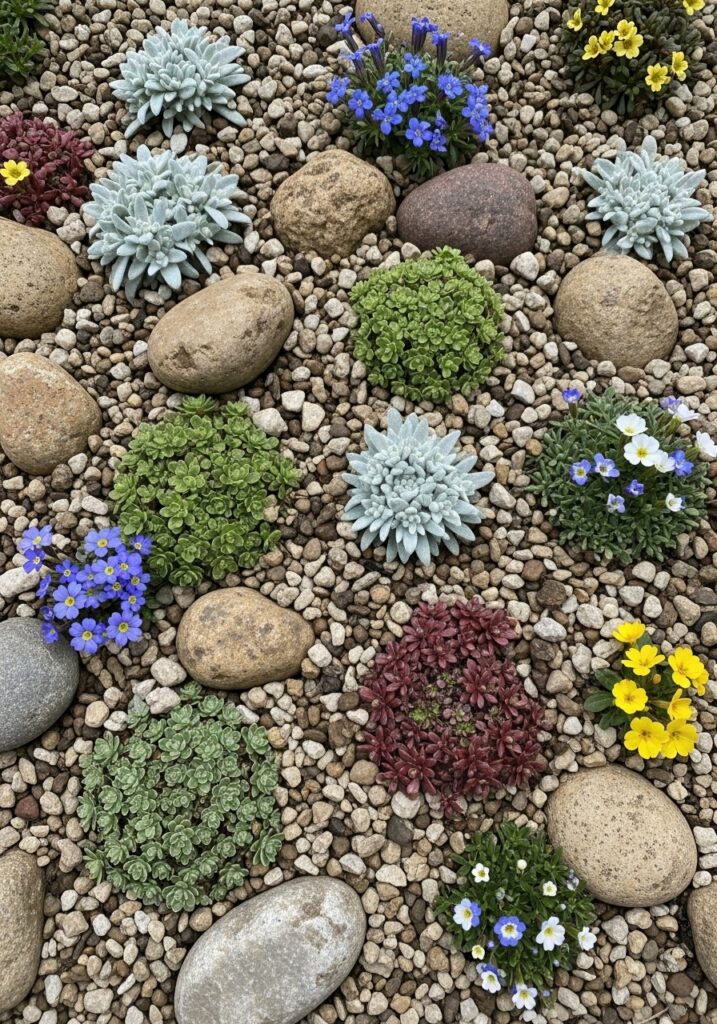
Scree gardens recreate mountain slope conditions. Mix gravel, sand, and small rocks as your planting medium with excellent drainage. Grow tiny alpine gems that would rot in regular soil. The effect is incredibly naturalistic — plants appear to grow straight from the rocks. It’s perfect for hot, dry areas or anywhere with drainage challenges.
26. Cutting Garden Design
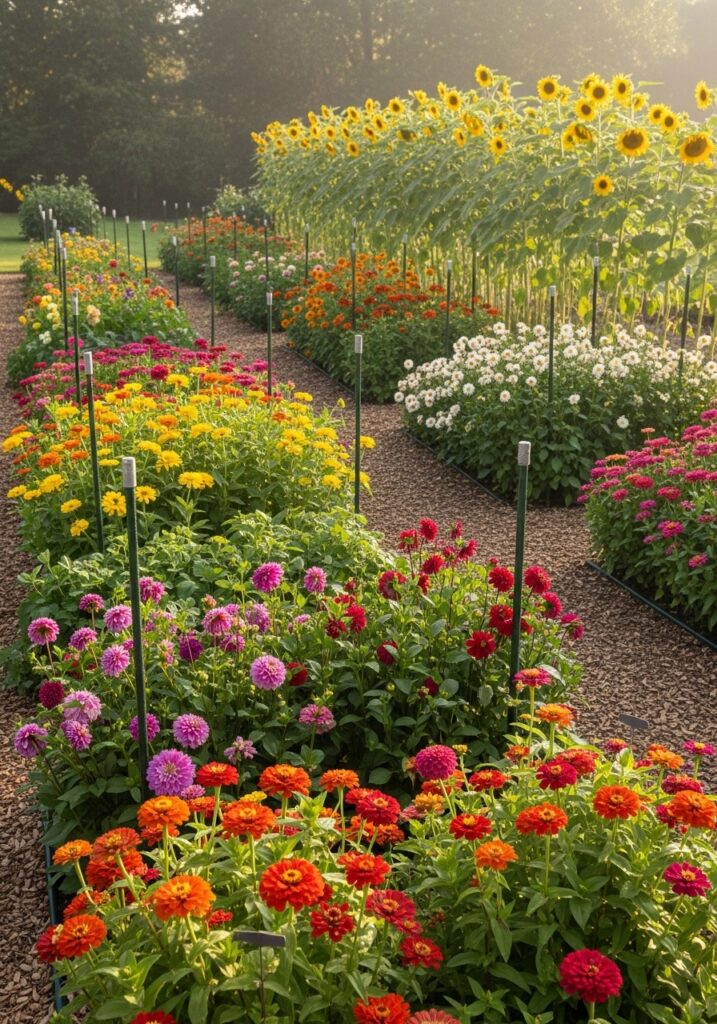
Design a dedicated cutting garden separate from ornamental beds. Plant in rows like a mini farm for easy access and harvesting. Include flowers at different heights, bloom times, and colors. You can cut freely without ruining display beds. Include plants specifically for foliage and texture, not just flowers. Fresh bouquets all season without guilt.
27. Slope Terrace Garden
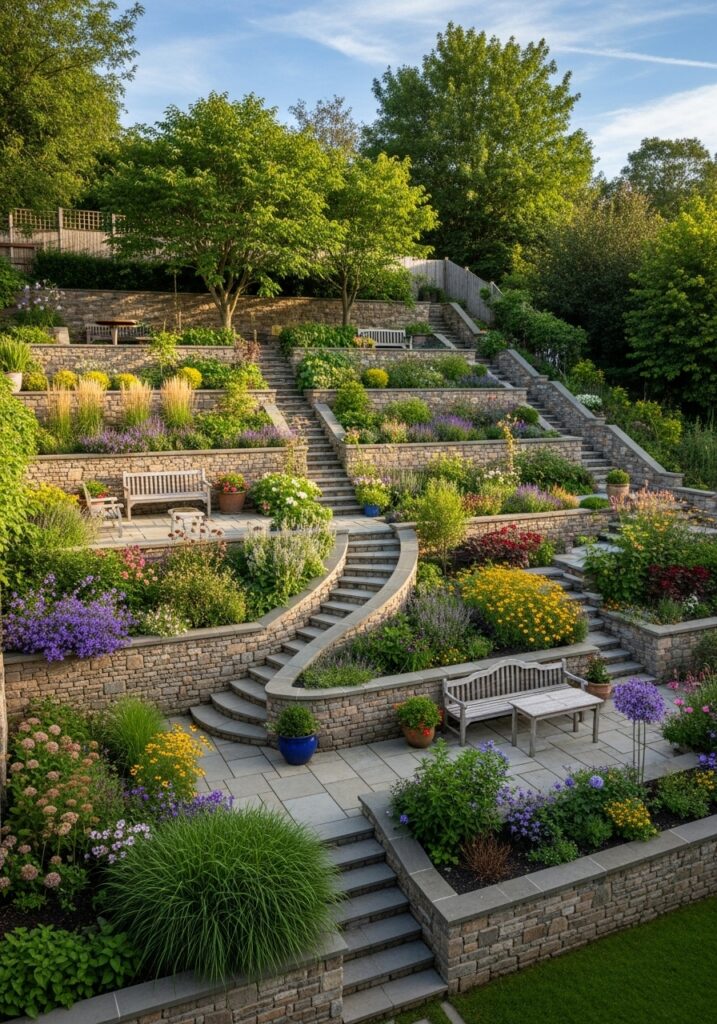
Turn impossible slopes into terraced garden rooms. Build retaining walls to create level planting areas at different heights. Each terrace becomes its own microclimate and garden zone. Steps connect the levels, making the whole slope accessible. The design solves drainage problems while adding dramatic vertical interest. It’s work upfront but transforms unusable space into prime gardening real estate.
28. Fragrance Garden Design
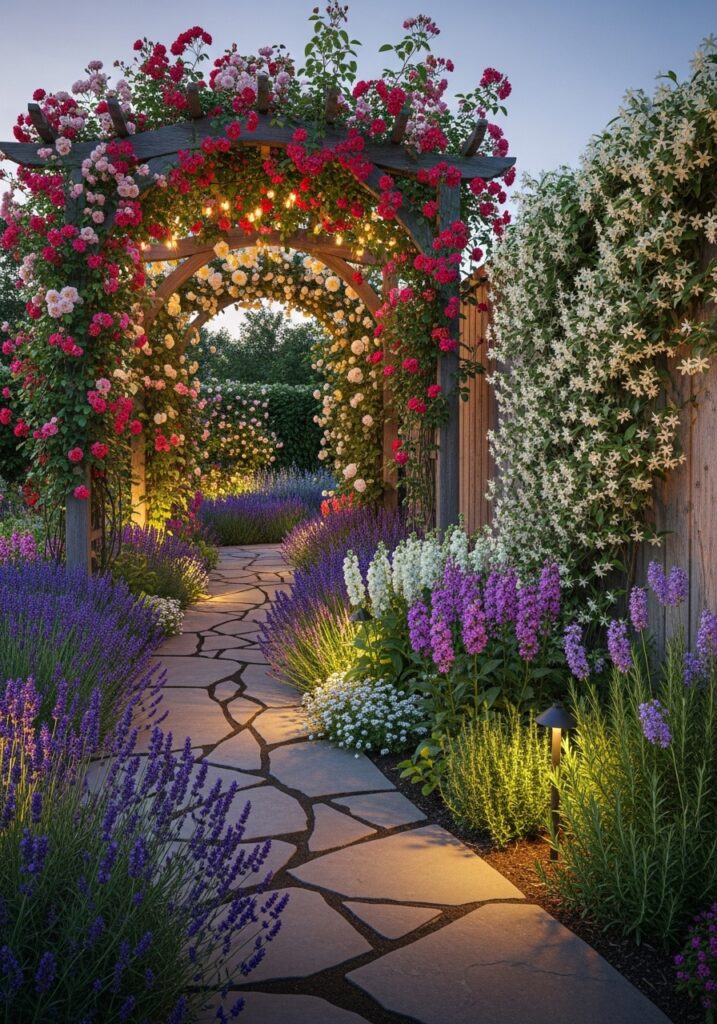
Design fragrance gardens along paths where you’ll brush against plants and release their scent. Place taller scented plants at nose height — roses on arbors, lilacs near seating. Include evening-scented plants near patios where you relax after work. Layer different fragrances so something’s always perfuming the air. Scent creates memories more powerfully than sight alone.
29. Gravel Path Garden
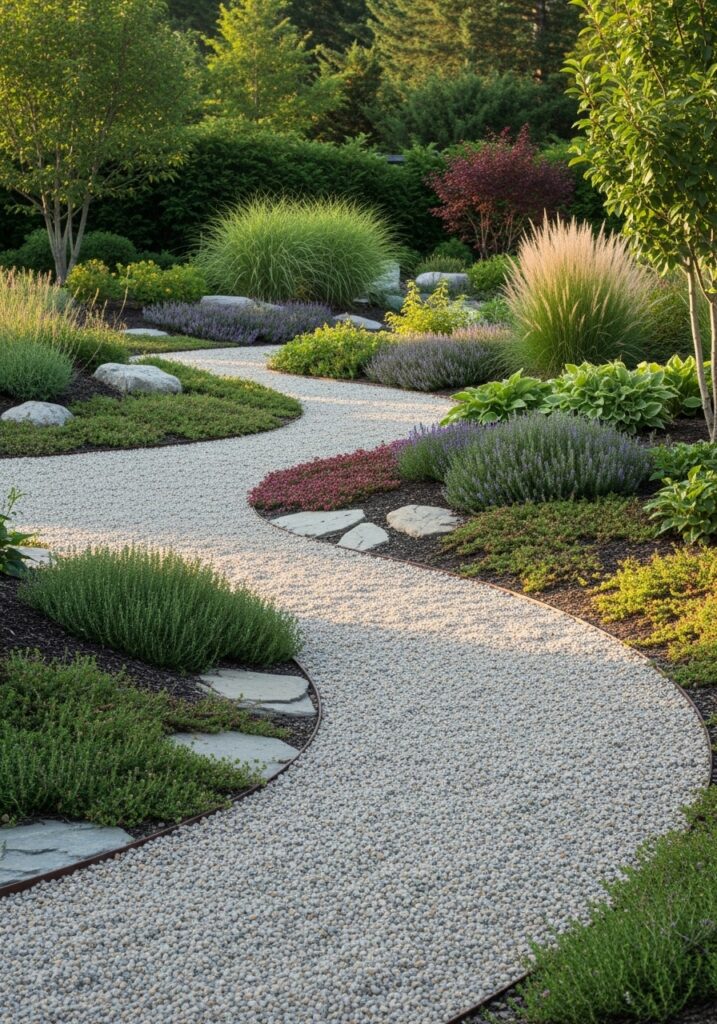
Gravel paths are practical and beautiful. They drain instantly, require no special base, and soften with plants growing into edges. Design the path to meander through beds, creating journey and discovery. The crunch underfoot is satisfying, and the neutral color works with any planting scheme. Gravel is affordable compared to pavers or concrete, making it perfect for longer paths.
30. Four-Season Garden
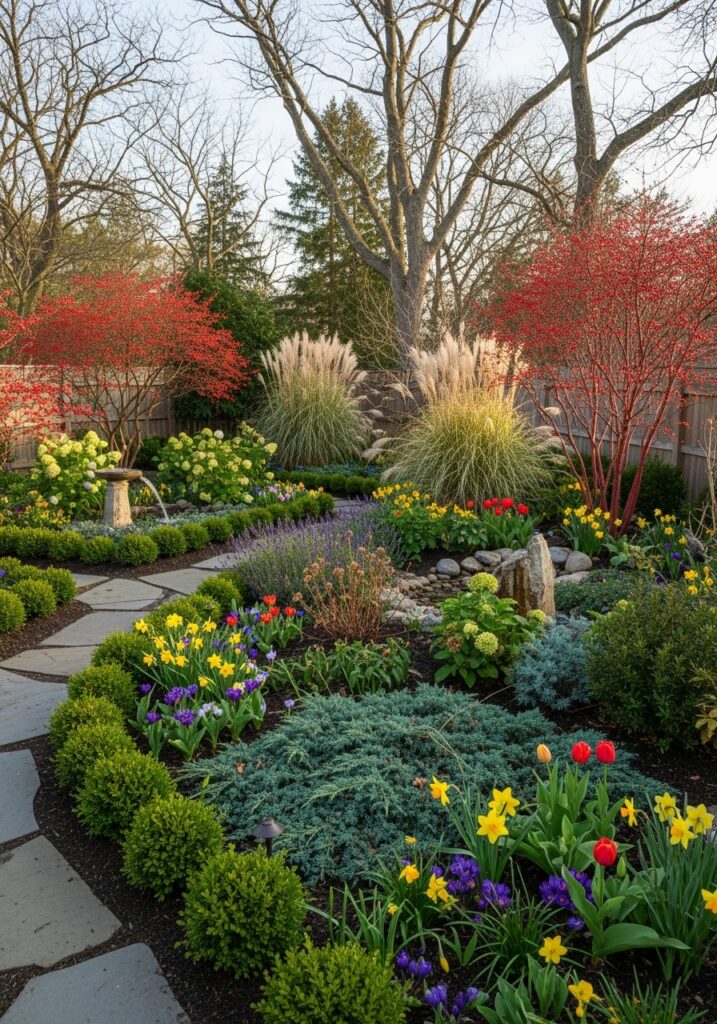
Design gardens that work every single month. Include spring bulbs, summer perennials, fall grasses and seed heads, winter evergreens and berries. Add plants with interesting bark for winter structure. Plan bloom succession so color moves through the garden across seasons. The garden never looks dead or boring because you’ve staggered interest throughout the year.
31. Moon Garden Design
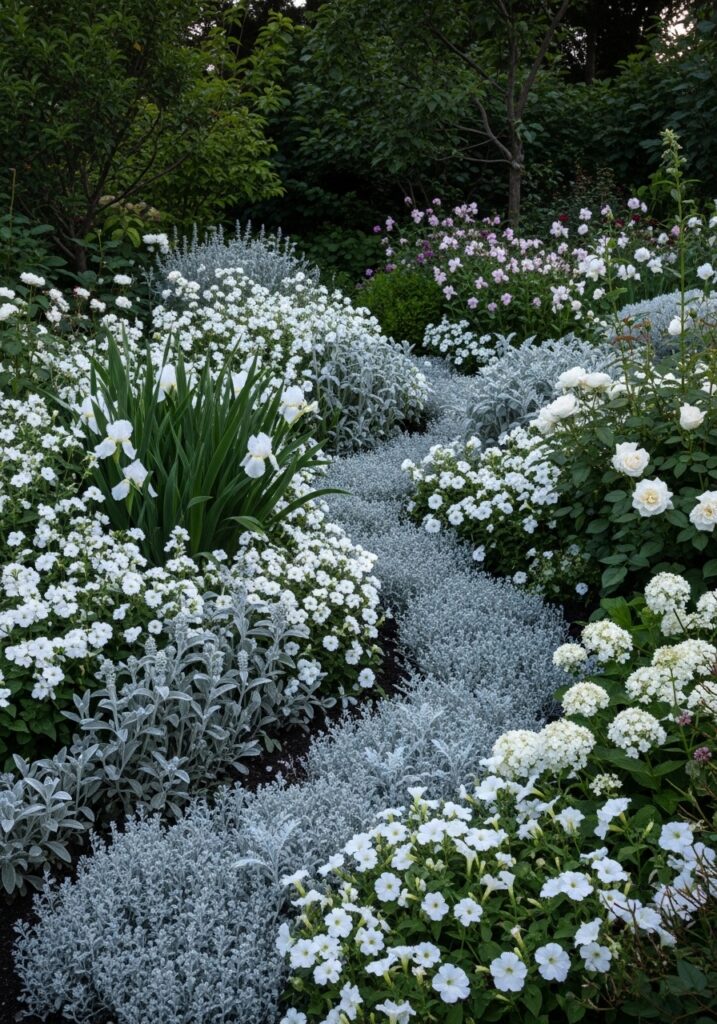
Moon gardens are designed for evening enjoyment. Plant white and pale flowers that glow in moonlight and twilight. Include silver or variegated foliage that reflects light. Add fragrant night-bloomers like moonflower and night phlox. The garden comes alive when sun-colored gardens fade to darkness. It’s magical to watch the transformation as daylight fades. Perfect for people who work all day and only enjoy their garden in evenings.
32. Succulent Garden Design
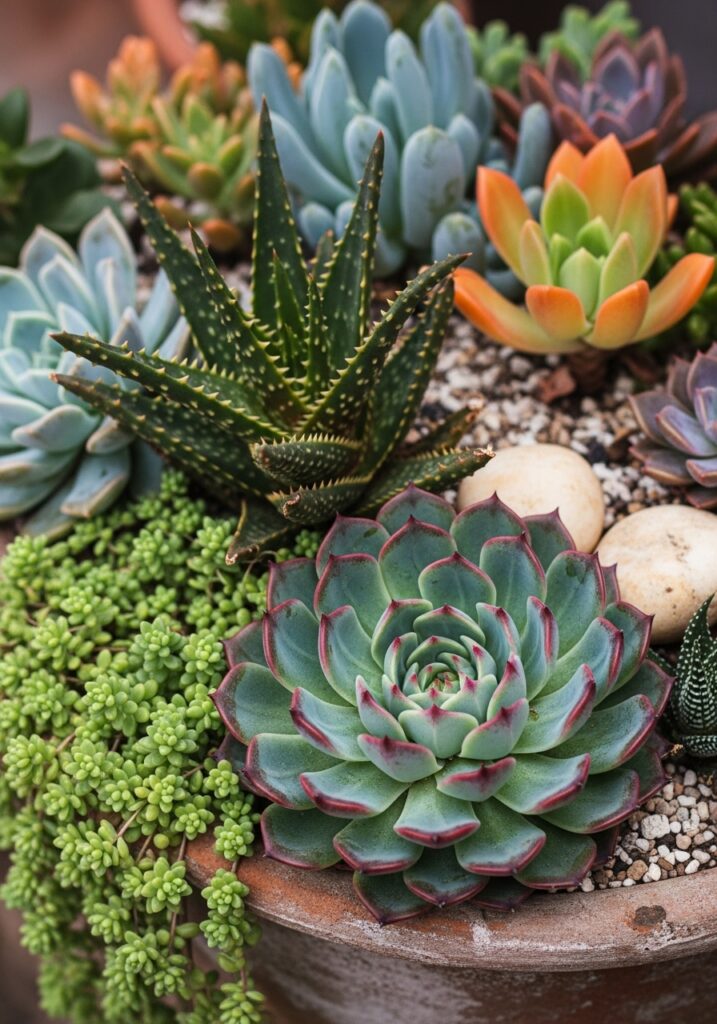
Succulent gardens play with form and texture since bloom isn’t the main event. Design with contrasting shapes—rosettes, trailing types, upright forms. The variety of foliage colors from blue to burgundy creates interest without flowers. Perfect drainage is essential, so mound beds or use containers. It’s the ultimate low-water, low-maintenance garden that still looks lush and intentional. Frost-free climates can keep them out year-round.
33. Coastal Garden Design
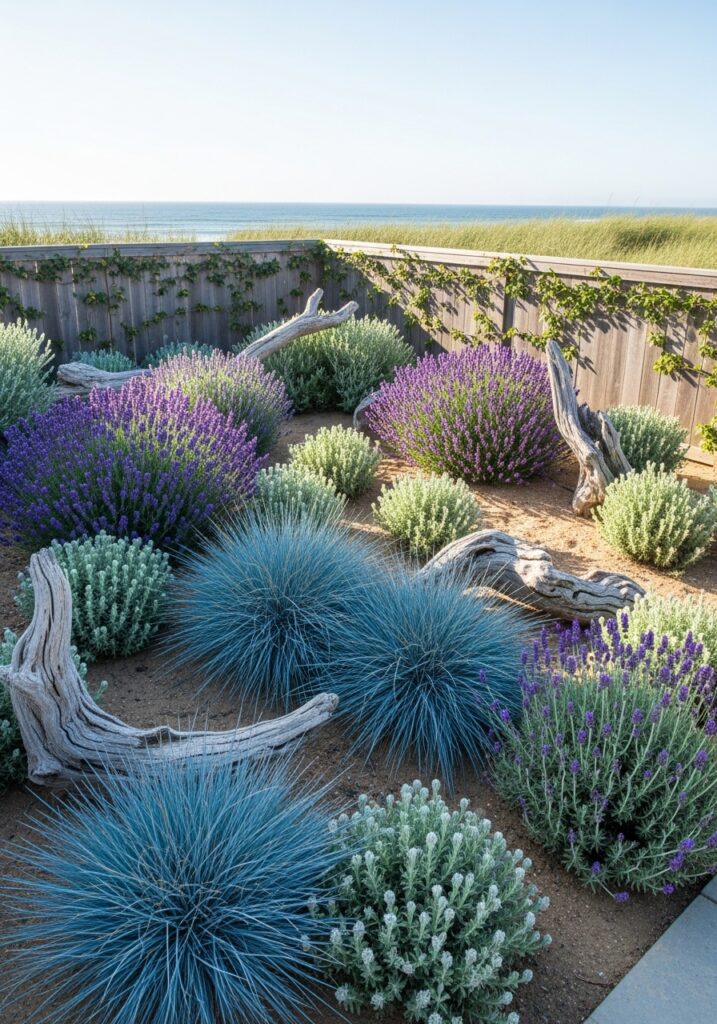
Coastal gardens need tough plants that handle salt spray, sandy soil, and constant wind. Design with low, mounding forms that won’t catch wind. Include grasses that sway gracefully rather than fighting the elements. The palette tends toward blues, silvers, and whites that echo beach colors. Incorporate found objects like driftwood as natural sculpture. The garden should feel relaxed and beachy, never formal or fussy.
34. Sunken Garden Design
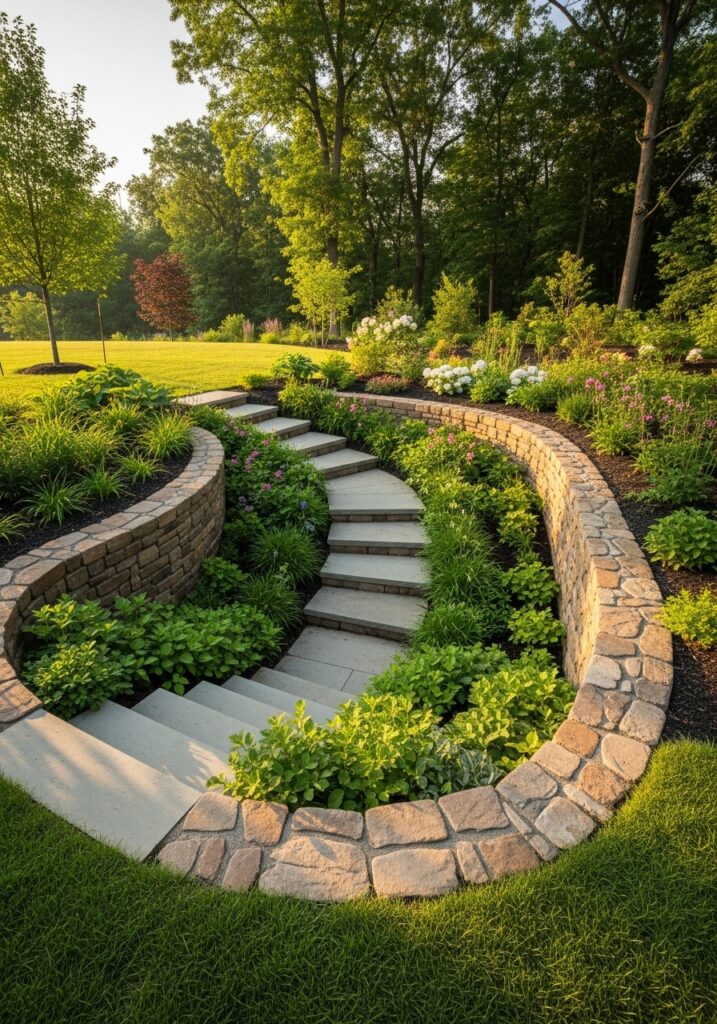
Sunken gardens create protected microclimates by going down instead of up. Lower than surrounding grade, they shelter plants from wind and create warmth. The enclosed feeling is incredibly intimate and special. Design with steps down into the space, making it feel like a secret garden. They work beautifully in flat landscapes where you want to add dimension. The extra excavation effort pays off with a unique garden room.
35. Monochromatic Garden Design
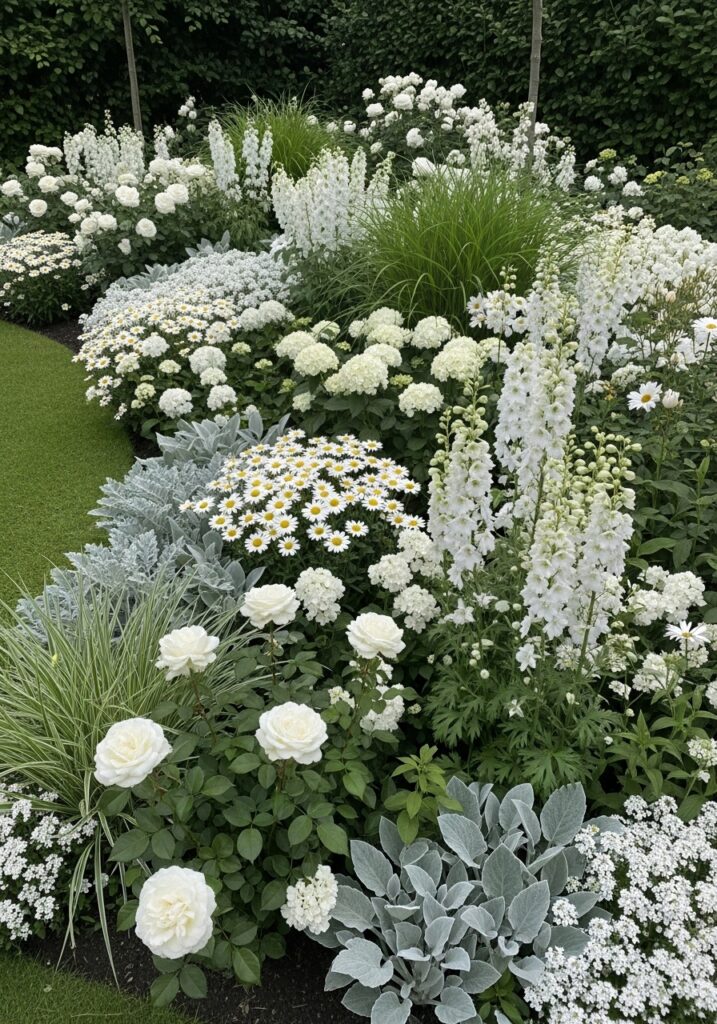
Monochromatic gardens focus on one color family for sophisticated impact. An all-white garden feels elegant and peaceful. A purple garden feels lush and romantic. The restraint forces you to think about texture and form instead of relying on color contrast. It’s surprisingly bold to choose just one color. The unified palette creates stronger impact than a rainbow mix. Different bloom times keep it interesting within your chosen color.
36. Therapeutic Garden Design
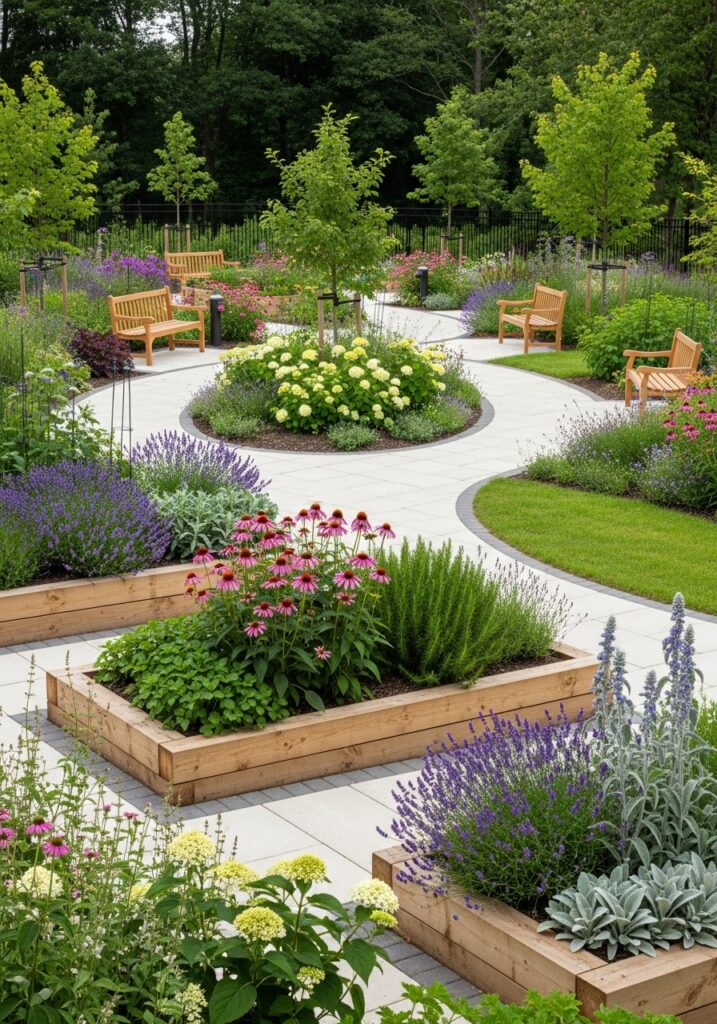
Therapeutic gardens prioritize accessibility and sensory engagement. Design wide, smooth paths that accommodate wheelchairs and walkers. Include raised beds at comfortable heights for seated gardening. Add fragrant plants, varied textures to touch, and soothing sounds like water features. Seating throughout lets people rest and enjoy. The garden becomes a healing space that engages all senses. Gardening as therapy works when the design removes barriers.
37. Rain Garden Design
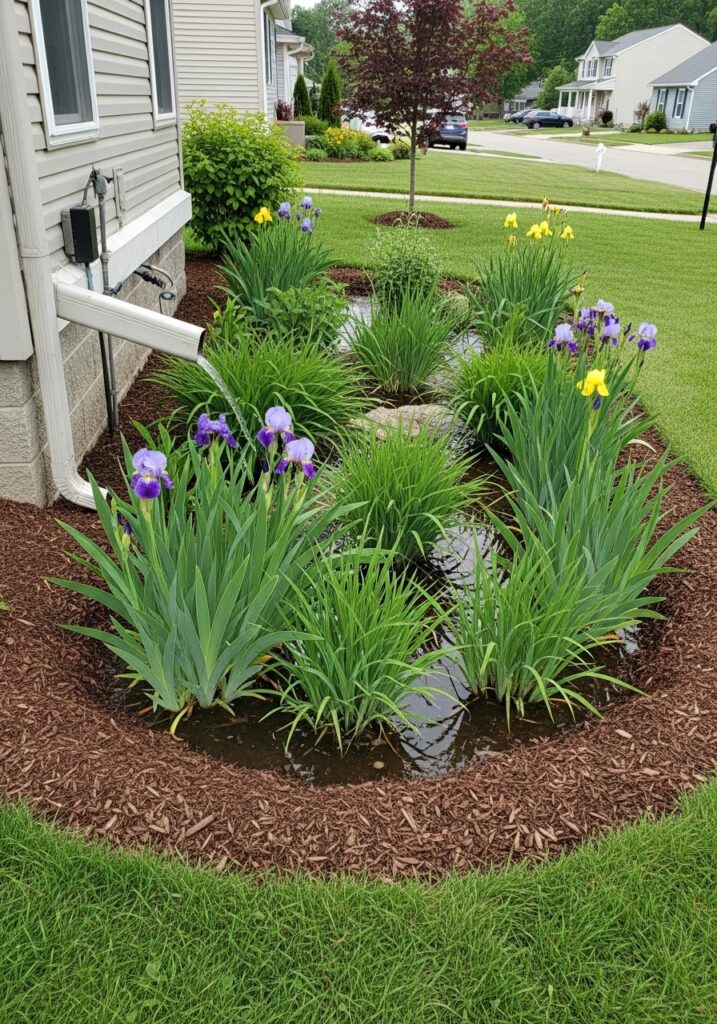
Rain gardens solve drainage problems while looking beautiful. Design a shallow depression that collects runoff from downspouts or paved areas. Plant with natives that tolerate temporary standing water but also drought between rains. The garden filters pollutants before water enters groundwater. It’s functional landscaping that supports local ecology. The plants you choose actually improve water quality while creating habitat.
38. Formal Rose Garden
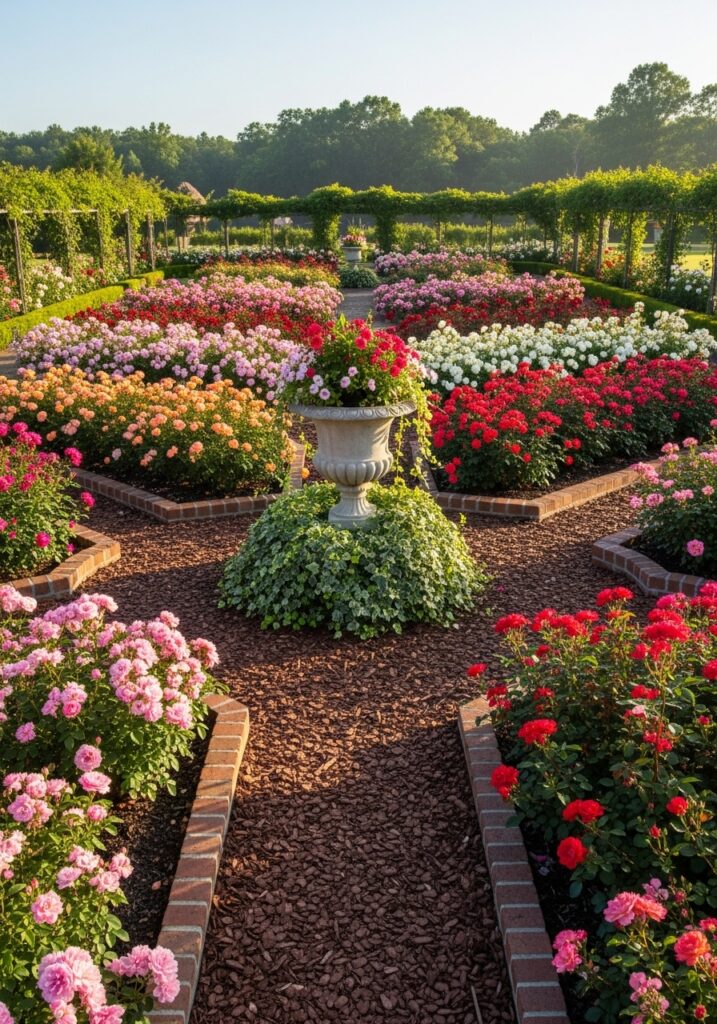
Rose gardens deserve formal structure that showcases the blooms. Design symmetrical beds with these climbing rose bushes organized by color — train them over arbors and urns as focal points. The rose garden design layout elevates roses from plants to garden stars. Mulch beds heavily for clean appearance and weed control. Include companion plants that bloom when roses rest.
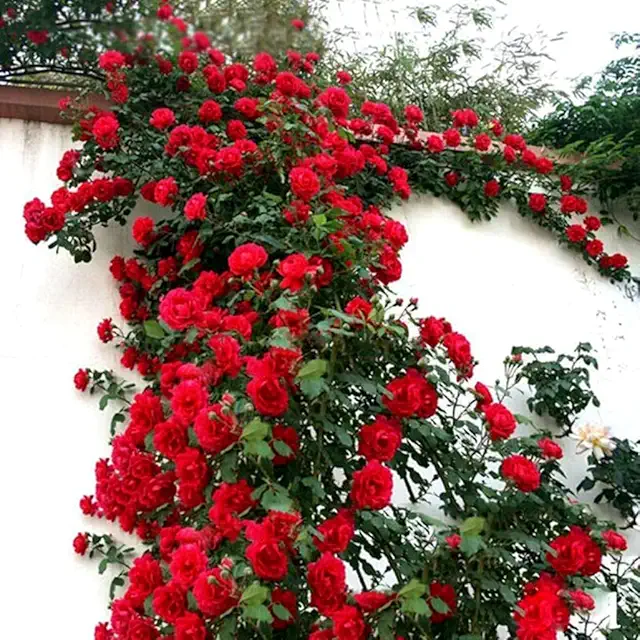
Climbing Rose Bush
Train over arbors and pergolas for dramatic rose garden design — repeat bloomer that gets more beautiful every year and fills your garden with fragrance.
Check Price on Amazon39. Permaculture Food Forest
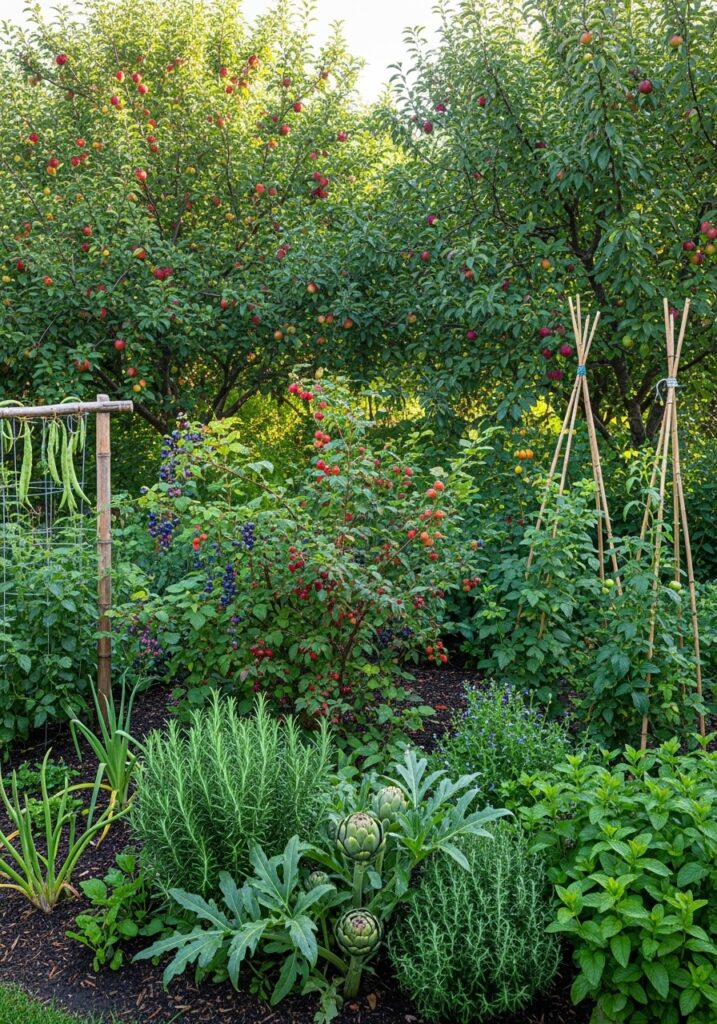
Food forests layer edibles from trees to ground covers, mimicking natural forest structure. Design with fruit and nut trees creating canopy, berry shrubs below, perennial vegetables and herbs at ground level. The system becomes self-sustaining over time, requiring minimal inputs. It’s productive gardening that works with nature’s patterns instead of against them.
40. Contemporary Gravel Garden

Contemporary gravel gardens use stone as the main design element. Spread decorative gravel across entire beds with architectural plants emerging strategically. The negative space becomes as important as the plants. Choose bold specimens with strong forms — grasses, yucca, sculptural evergreens. The look is modern, low-maintenance, and water-wise.
41. Enclosed Courtyard Garden
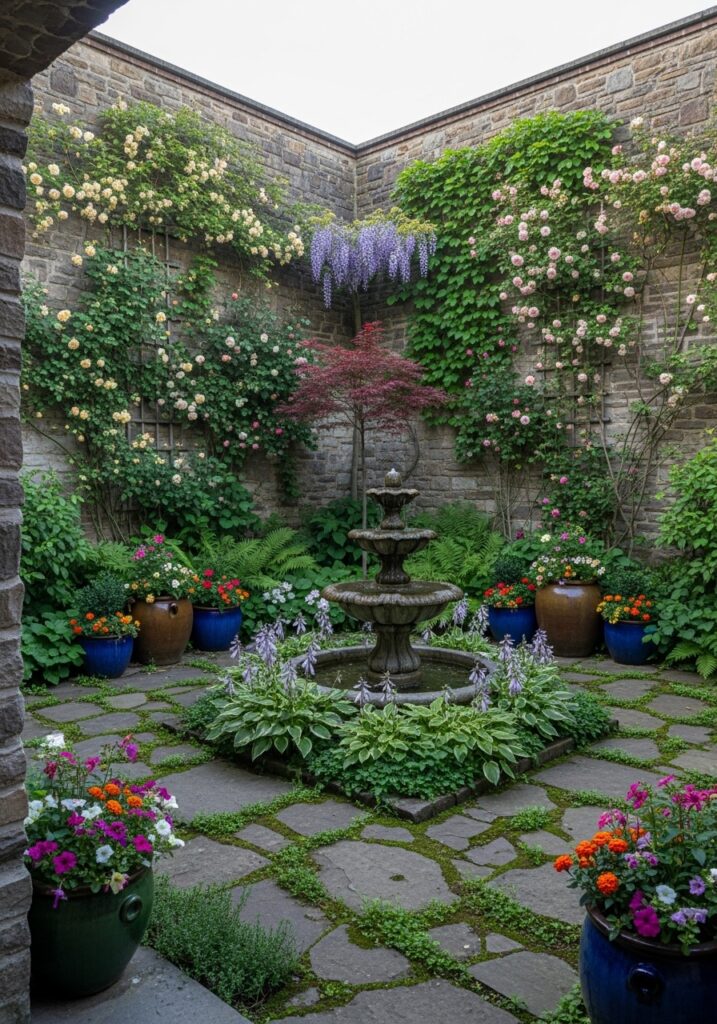
Courtyard gardens create outdoor rooms with walls providing shelter and intimacy. Design with the center as focal point — a fountain, specimen tree, or sculptural element. Soften hard walls with climbers and wall-mounted planters. The enclosure creates a protected microclimate perfect for tender plants. It’s private, intimate, and feels completely separate from the world outside.
42. Wildflower Meadow Design
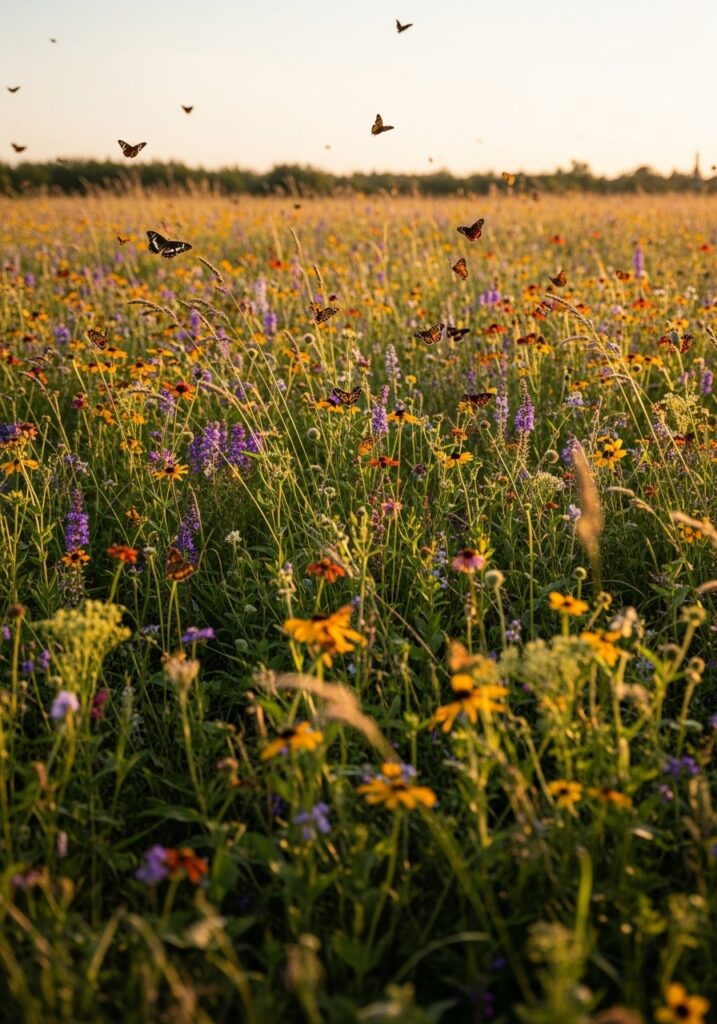
Meadow gardens replace lawn with flowering grassland. Plant native ornamental grass seeds mixed with wildflowers suited to your area — let plants arrange themselves naturally for that authentic prairie garden design look. Mow once or twice a year to maintain meadow rather than letting it become woodland. Supports more wildlife than lawn ever could while being dramatically lower maintenance.

Native Ornamental Grass Seeds
Mix with wildflowers for authentic prairie meadow design — mow once a year and enjoy constantly changing natural beauty that supports far more wildlife than lawn.
Check Price on Amazon43. Deck Container Garden
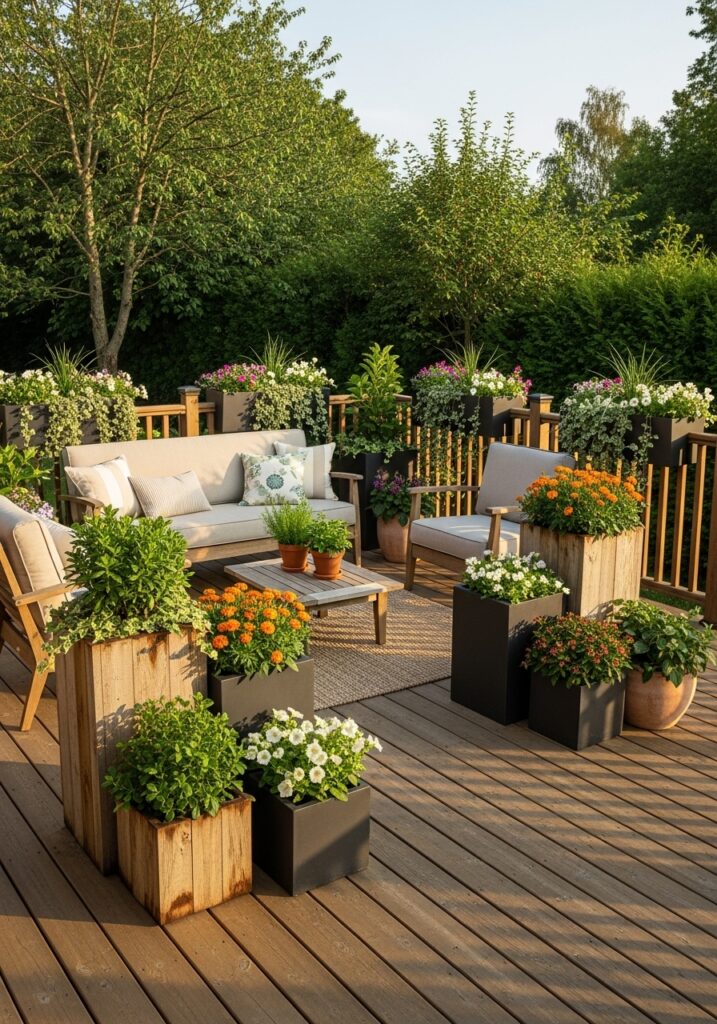
Deck gardens rely entirely on containers, so design matters hugely. Create levels by grouping pots in different heights. Use railing planters to maximize vertical space. Coordinate colors across all containers for cohesive look. Include enough scale too many small pots look cluttered. Think of the deck as your garden room with plants as furniture. The contained space can be lush and beautiful when designed thoughtfully.
44. Biodiverse Native Garden

Design native gardens with biodiversity as the primary goal. Include plants from different families to support different insects. Create habitat layers from ground to canopy. Denser plantings support more life than sparse minimal designs. The goal is a functioning ecosystem, not just pretty plants. Once established, these gardens mostly maintain themselves because everything’s adapted to local conditions. It’s regenerative gardening that gives back to local ecology.
45. Evening-Use Garden
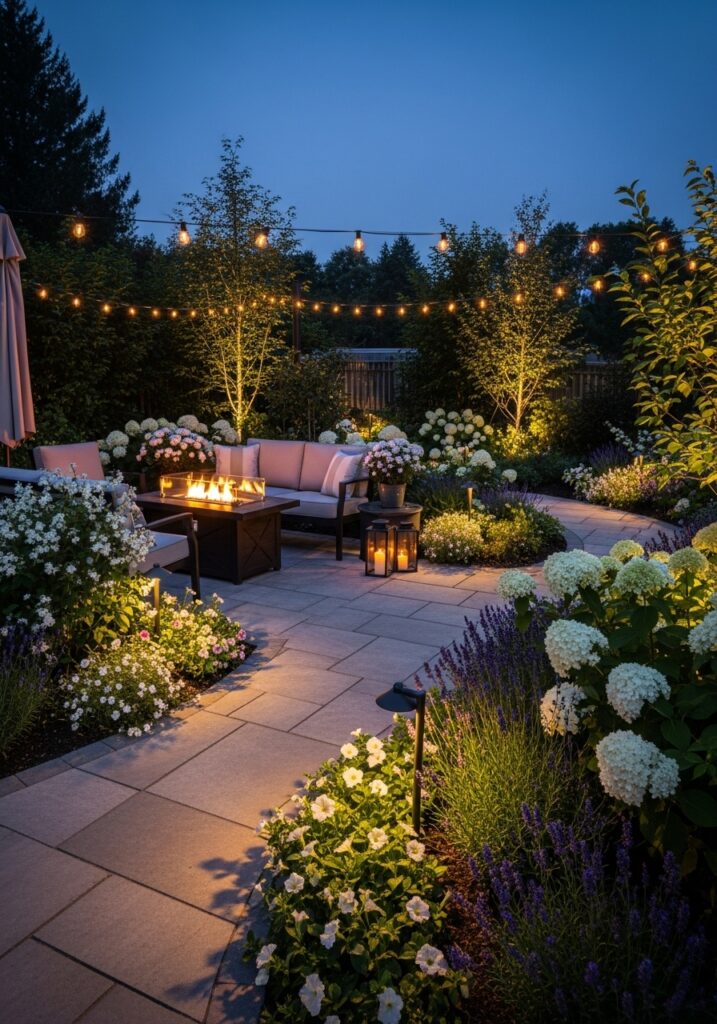
Design gardens for evening enjoyment if you work all day. Add these solar string lights that highlight paths and key plants — they charge all day and create magical evening ambiance without any wiring. Choose white and pale flowers visible in low light. Add fragrant plants near seating areas. The garden transforms completely from day to night, offering two different experiences in one space.
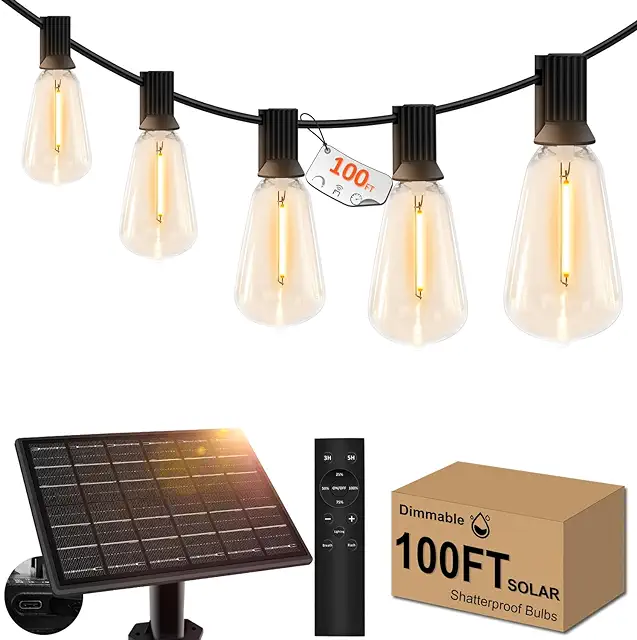
Solar String Lights Garden
Charge all day and create magical evening ambiance with zero wiring — transforms your garden from a daytime space into a completely different magical experience after dark.
Check Price on AmazonTransform Your Garden Today!
Your outdoor space has serious potential waiting to be unlocked. These 45 garden design ideas give you frameworks for creating landscapes that actually work with your style, climate, and maintenance preference. Start with the approaches that excite you most, adapt them to your space, and let your garden evolve from there.
For more outdoor inspiration explore our outdoor garden decor ideas and our garden flower ideas for more ways to bring color and life to your outdoor space.


Amir Ali is the founder and site administrator of HomeDecorEdge, a modern home decor and interior design platform. Since starting the site, he has combined his passion for interior design, practical styling, and color coordination with hands-on content strategy and site management. He guides authors, curates high-quality articles, and ensures readers have access to actionable, visually inspiring, and user-focused home decor advice for apartments, small rooms, and family homes.