

Self care is not a spa day you wait all year for. It is a short list of small things you do every day, slowly, on purpose. These self care checklist ideas are built for real mornings and real evenings: a stretch before the phone, a warm mug before the rush, a quiet soak when the day is done.
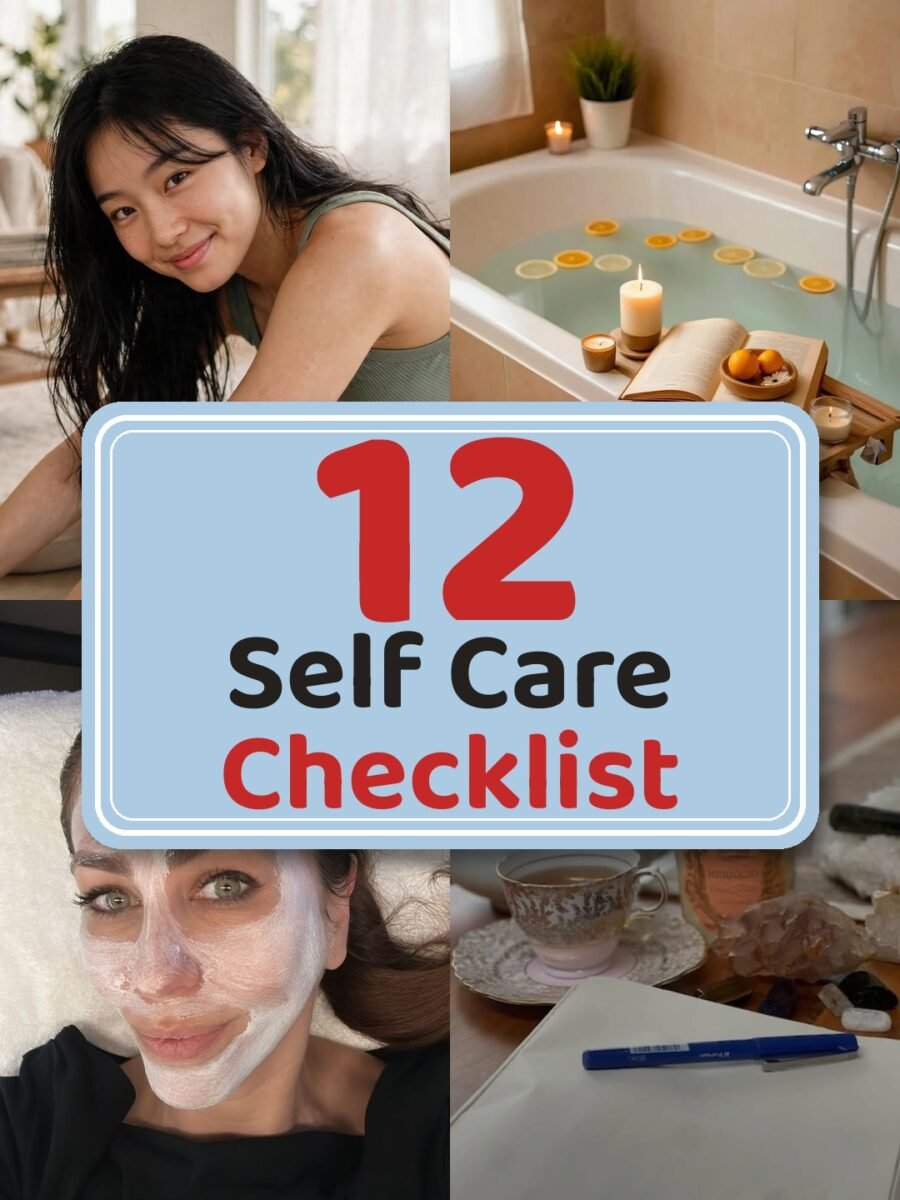
The twelve ideas below split neatly into two halves: six for slow mornings and six for calm evenings. Start with just three, the ones that sound easiest, and add one more each week. If you like pairing a calm routine with a clear direction for the year, our vision board ideas for the New Year sit beautifully beside this list.
You do not need special products. A mug, a notebook, a candle, a face mask, a bath soak and a blanket cover almost every idea here. Keep them where you can reach them without thinking, because a ritual you have to hunt for is a ritual you will skip.
Work through the list in order, or pick the three that fit today and let the rest wait. Start tonight with one candle and one page of journaling, then stretch first thing tomorrow. By the end of the week, the slow moments will feel like part of the day instead of something you have to steal.
Quick Picks
- Best way to start the day: Stretch First Thing (idea 1)
- Calmest evening ritual: Take a Candlelit Soak (idea 7)
- Easiest habit to keep: Sit and Breathe (idea 9)
1. Stretch First Thing

Before the phone, before the news, before anything else, stretch. Five minutes on the floor loosens a stiff back, wakes up cold muscles and tells your body the day has started gently. Reach forward, roll your shoulders, breathe into the tight spots and let the morning sun do the rest. This is the easiest idea on the whole list, which is exactly why it goes first: a small win before breakfast makes the next good choice easier.
You’ll need: a clear patch of floor and five quiet minutes before breakfast.
Best for: Mornings that start stiff, rushed or straight on the phone
2. Take a Citrus Bath

A bath is already restful, and citrus makes it feel like a ritual. Slice an orange or a lemon into the warm water, light a candle on the caddy, and bring a book you actually want to read. The scent lifts the room, the warm water loosens everything the day tightened, and twenty minutes without a screen feels longer, in the best way, than an hour of scrolling. Keep a towel and a glass of water within reach so you never have to climb out early.
You’ll need: a few orange or lemon slices, a candle and twenty quiet minutes.
Best for: Evenings when the day has left you tired to the bone
Seasonal Special
Winter Home Reset Kit
8 printable pages to warm up your home, get holiday guest ready and stay cozy all season.
Get the Kit3. Put On a Face Mask

A face mask forces a pause, because you cannot rush it. Smooth it on, tie your hair back, lie down and let it sit for ten minutes while you do nothing at all. Your skin gets the moisture it has been asking for, and your mind gets a rare stretch of doing nothing on purpose. Keep the mask beside your bed or in the bathroom cabinet, so the ten minutes happen instead of staying a good intention.
You’ll need: a face mask, a headband and a towel to lie back on.
Best for: Skin that feels tired and a mind that needs ten minutes off
4. Journal It Out
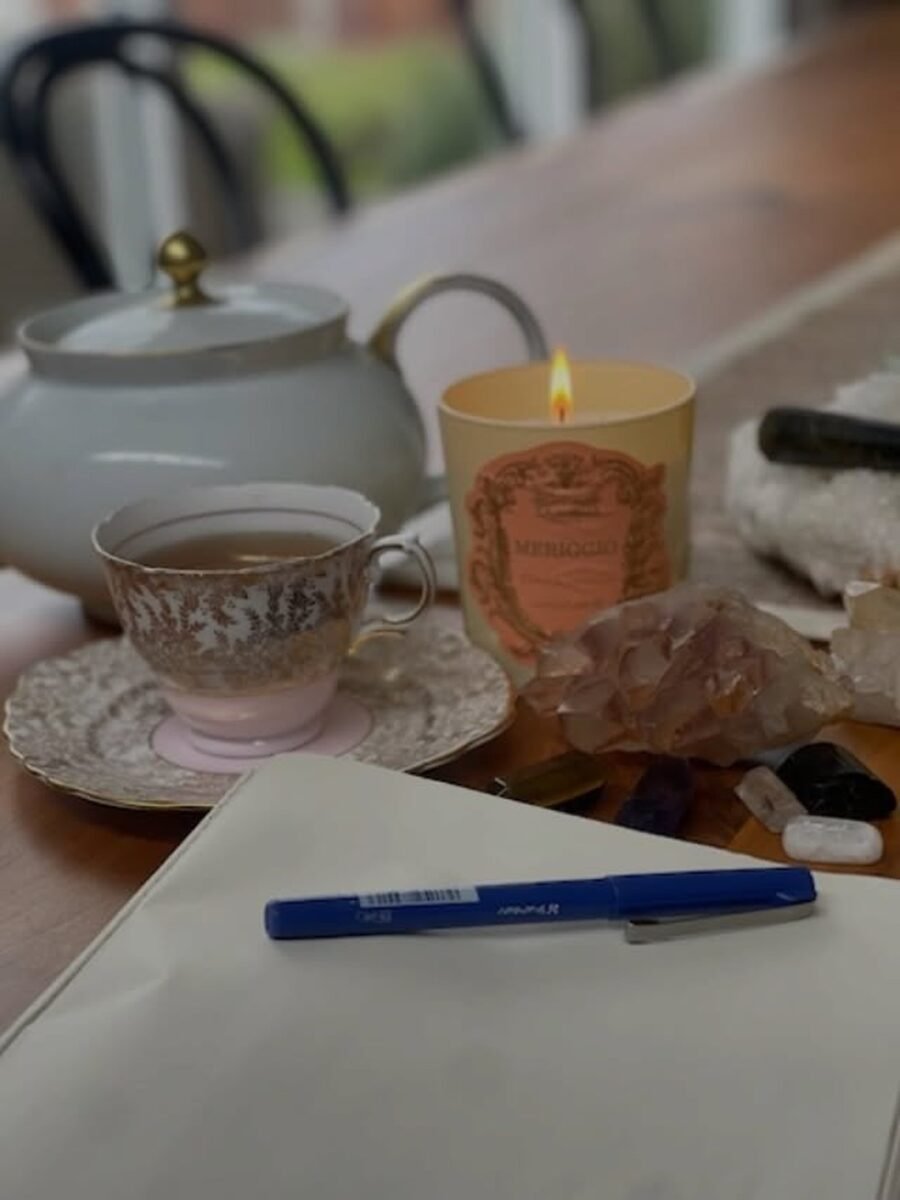
Writing a page clears a head faster than thinking about it ever will. Open the notebook and write whatever is on your mind: the good parts of the day, the worries, the small things you keep forgetting. Nobody reads it, so it does not need to be neat or clever. Ten minutes of honest writing before bed empties the mind enough to sleep, and over a week the pages start to show you what actually matters to you.
You’ll need: a notebook, a pen and a quiet cup of tea.
Best for: Busy minds that keep replaying the day at bedtime
5. Make a Slow Cup of Tea
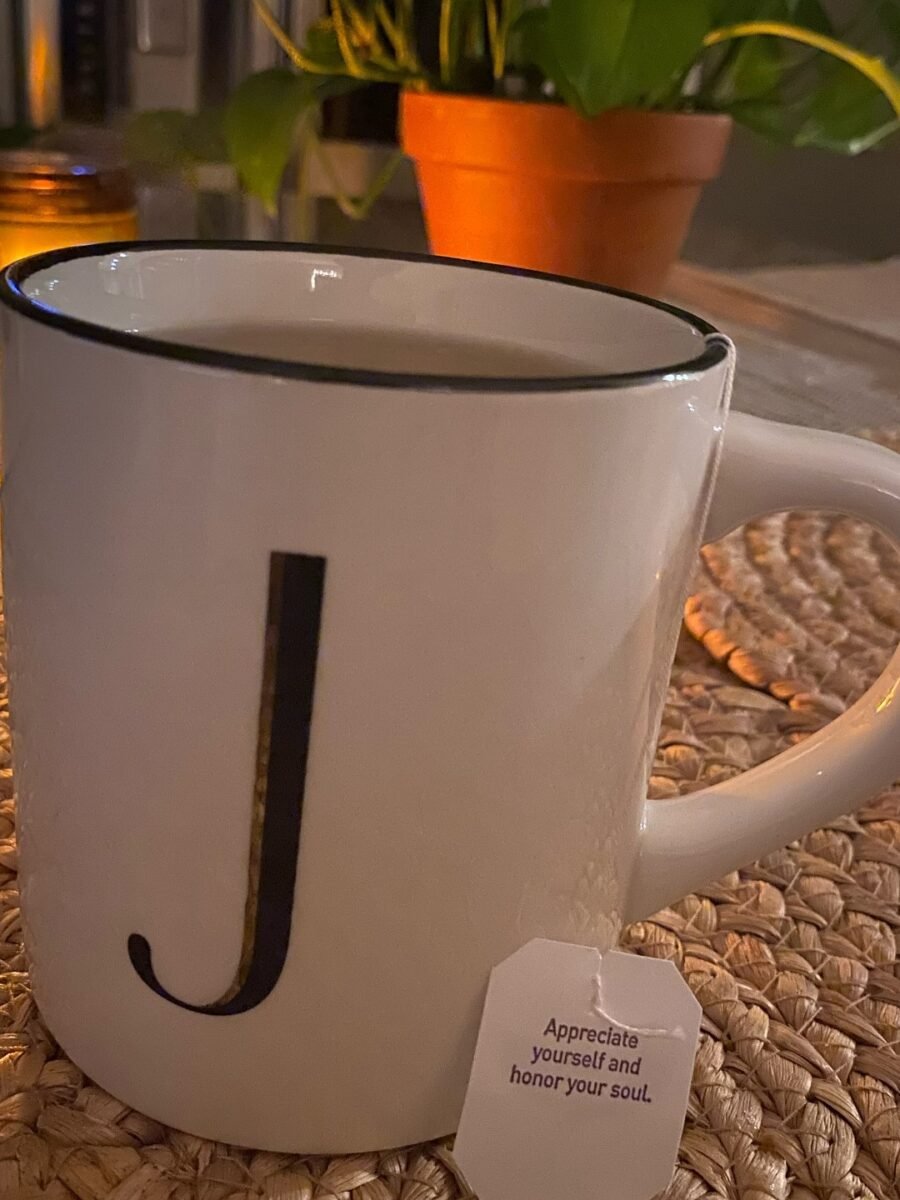
Boil the water, warm the mug, wait for the tea to steep, and sit down to drink it properly. A slow tea ritual is five minutes of doing one thing well, and it sets the pace for the whole morning. Choose a mug you love, keep the tea somewhere easy to reach, and let the steam and the quiet be the first thing you notice instead of the first notification. The tag on this cup says it better than any list can: appreciate yourself and honor your soul.
You’ll need: your favourite mug, a good tea bag and five unhurried minutes.
Best for: Mornings that need a gentle start instead of a jolt
Printable Planner
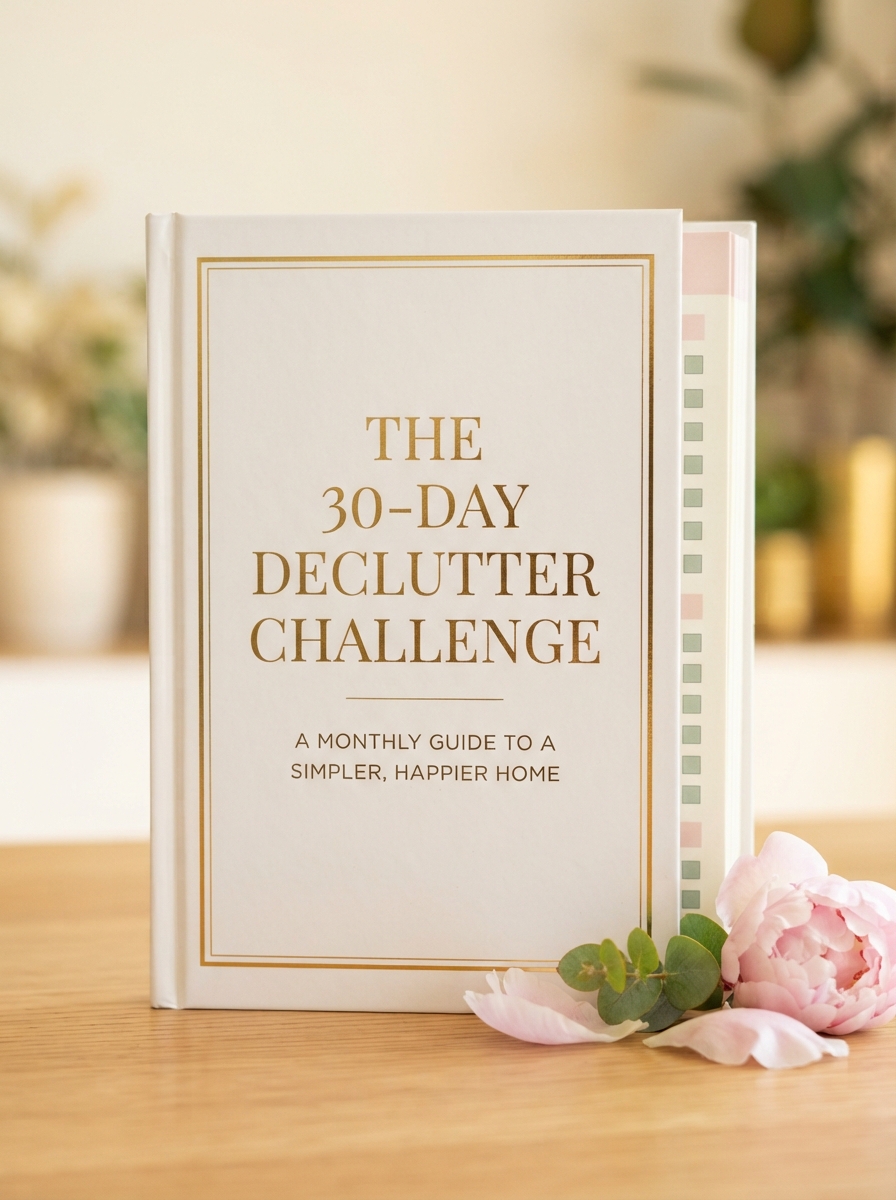
The 30-Day Declutter Challenge
15 minutes a day, room by room, to a calm and tidy home. 47 pages with checklists and labels.
6. Write Your Morning Pages
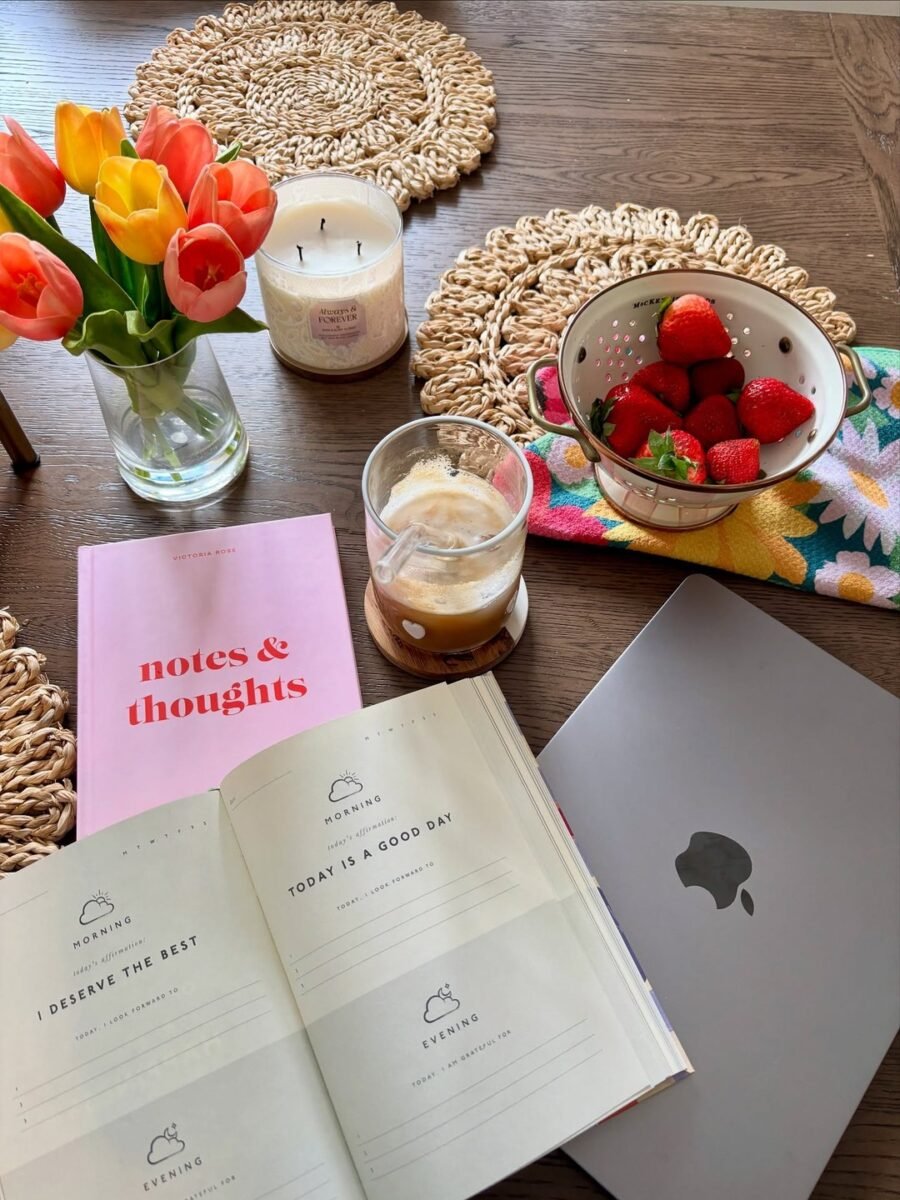
Morning pages are three pages of whatever comes to mind, written before the day has a chance to interrupt. They are not a diary and they are not for showing anyone: they are a way to empty the overnight noise onto paper so the real day can start clear. Pair them with coffee, a lit candle and something fresh on the table, like tulips or strawberries, and the habit starts to feel like a treat instead of homework. Most people find the third page is where the useful thoughts finally show up.
You’ll need: a journal, a pen and your morning coffee within reach.
Best for: Mornings full of ideas, worries and plans competing for attention
7. Take a Candlelit Soak
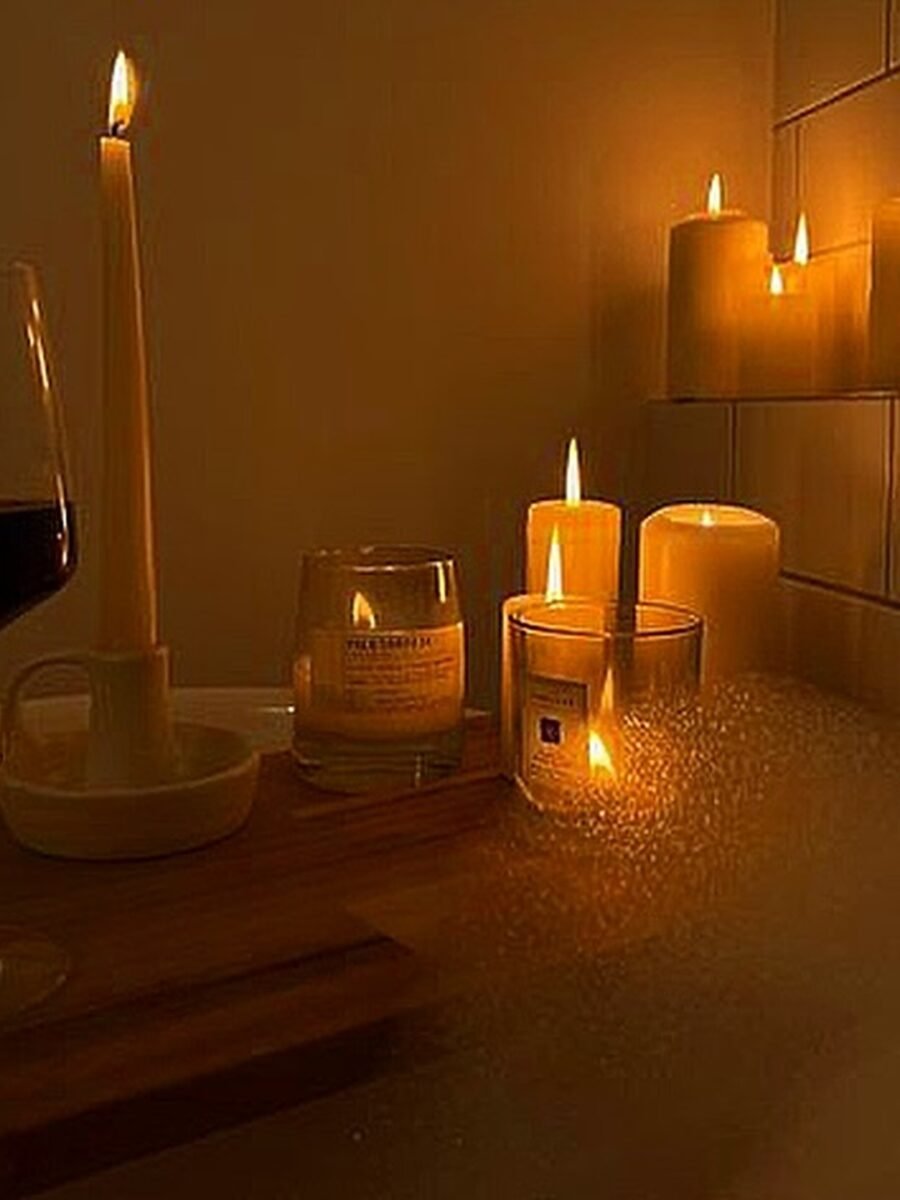
Turn the bathroom light off and let candles do the work. A candlelit soak marks the end of the day more clearly than anything else on this list: the room goes soft, the water stays warm, and the glow makes even an ordinary bath feel like a small ceremony. Keep the candles on the caddy and the side of the tub, never near a towel or a curtain, and give yourself a full half hour. The day ends when you say it ends, and this is how you say it.
You’ll need: several candles, a bath caddy and a glass of something you enjoy.
Best for: Evenings that need a clear line between the day and rest
8. Walk Outside

A short walk outside resets a mood faster than almost anything else. Fresh air, moving legs, green trees and a path that curves out of sight all tell a busy mind to slow down. You do not need a route or a step target, just ten minutes in a park or around the block, without headphones and without a destination. The dappled light and the quiet do the work while you walk, and you come back to the house feeling like a different person.
You’ll need: comfortable shoes and ten minutes outside, whatever the weather.
Best for: Afternoons that feel stuck, heavy or low on energy
9. Sit and Breathe
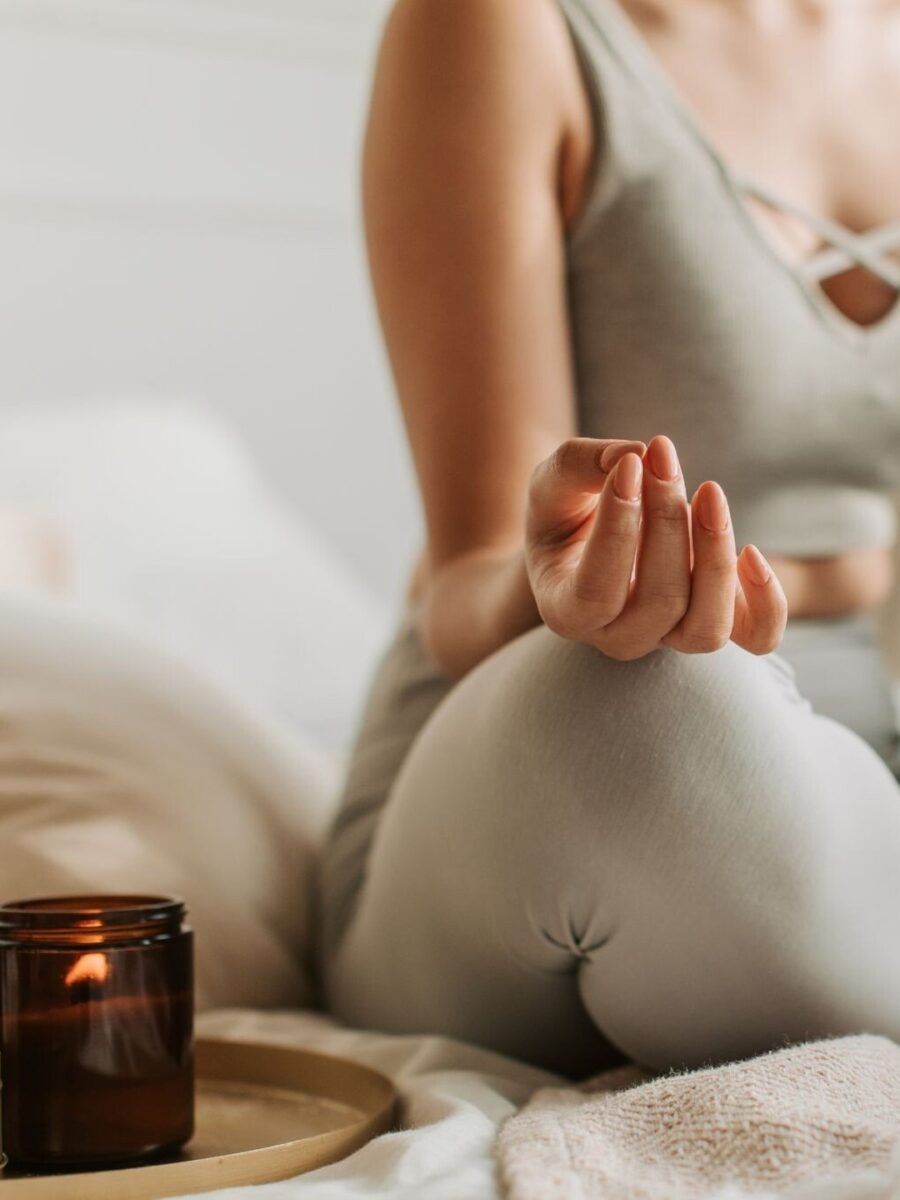
Sit down, cross your legs, rest your hands on your knees and breathe. In for four counts, out for six, and let the shoulders drop on every exhale. Five minutes of slow breathing lowers a racing heart, loosens a tight chest and gives you back the pause between a trigger and a reaction. A lit candle on the tray gives your eyes somewhere calm to rest. Do it once in the morning and once before bed, and the habit starts to catch you before stress does.
You’ll need: a quiet spot to sit and a candle to anchor your attention.
Best for: Moments when stress arrives before you have time to think
10. Rest Under a Blanket with a Mug

Some evenings are not for doing, they are for resting, and this idea gives you permission. Pull a soft blanket over your lap, wrap both hands around a warm mug and stay there. Read a few pages, watch something gentle, or simply sit while someone else reads nearby. Rest is not the reward for finishing everything, it is part of the list, and the evenings you protect like this are the ones that make the busy days possible.
You’ll need: a soft blanket, a warm mug and a book or a show you enjoy.
Best for: Evenings when you are done being productive for the day
11. Lay Out Tomorrow’s Calm
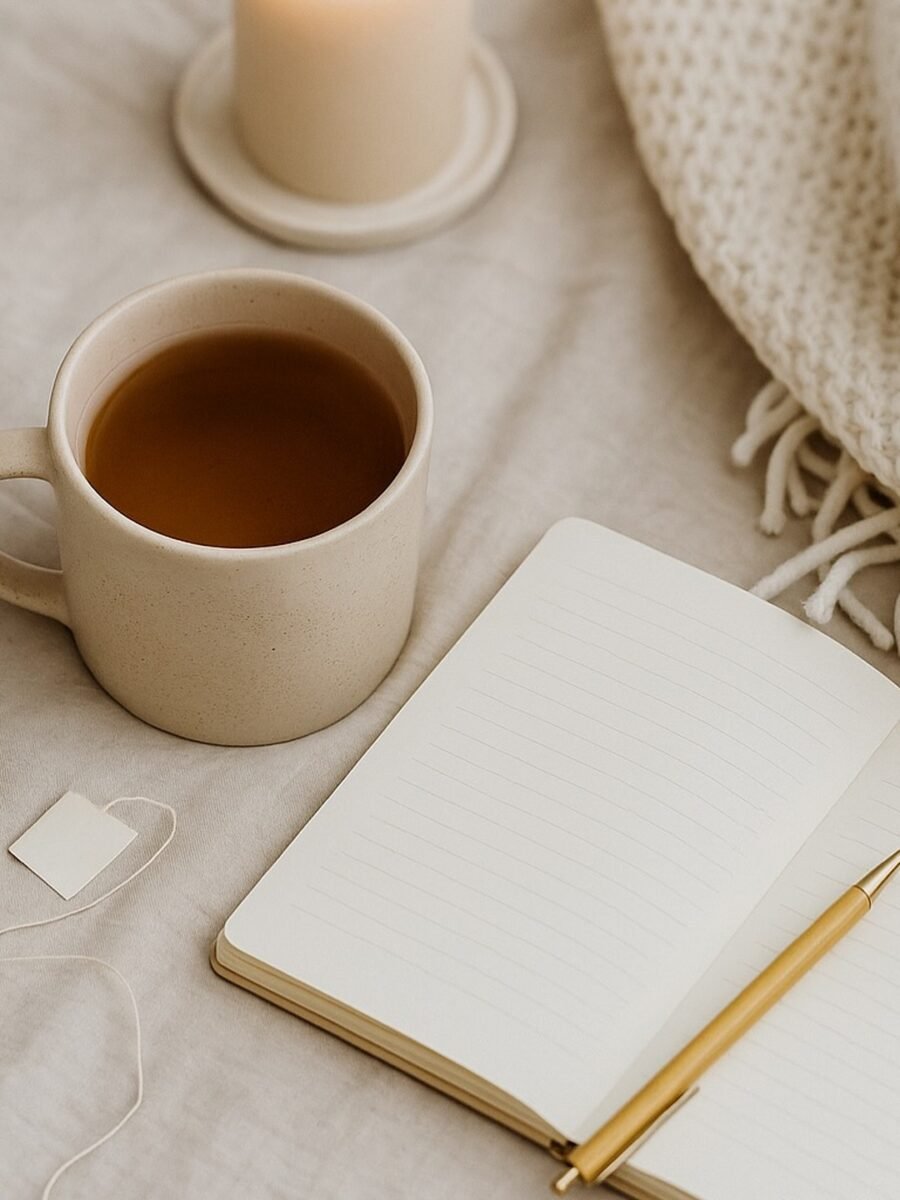
Tomorrow starts tonight. Before bed, open the notebook and write down three things: the one thing that matters most tomorrow, what you will wear, and what time you will start. Lay out the mug, the clothes and the notebook itself, so the morning begins with calm instead of a search. A short daily reset keeps the whole house feeling settled too, and our cleaning checklist has the ten minute lists that make that rhythm easy to keep.
You’ll need: a notebook, a pen and five minutes the night before.
Best for: Mornings that usually start with rushing and searching
12. Claim a Corner for You
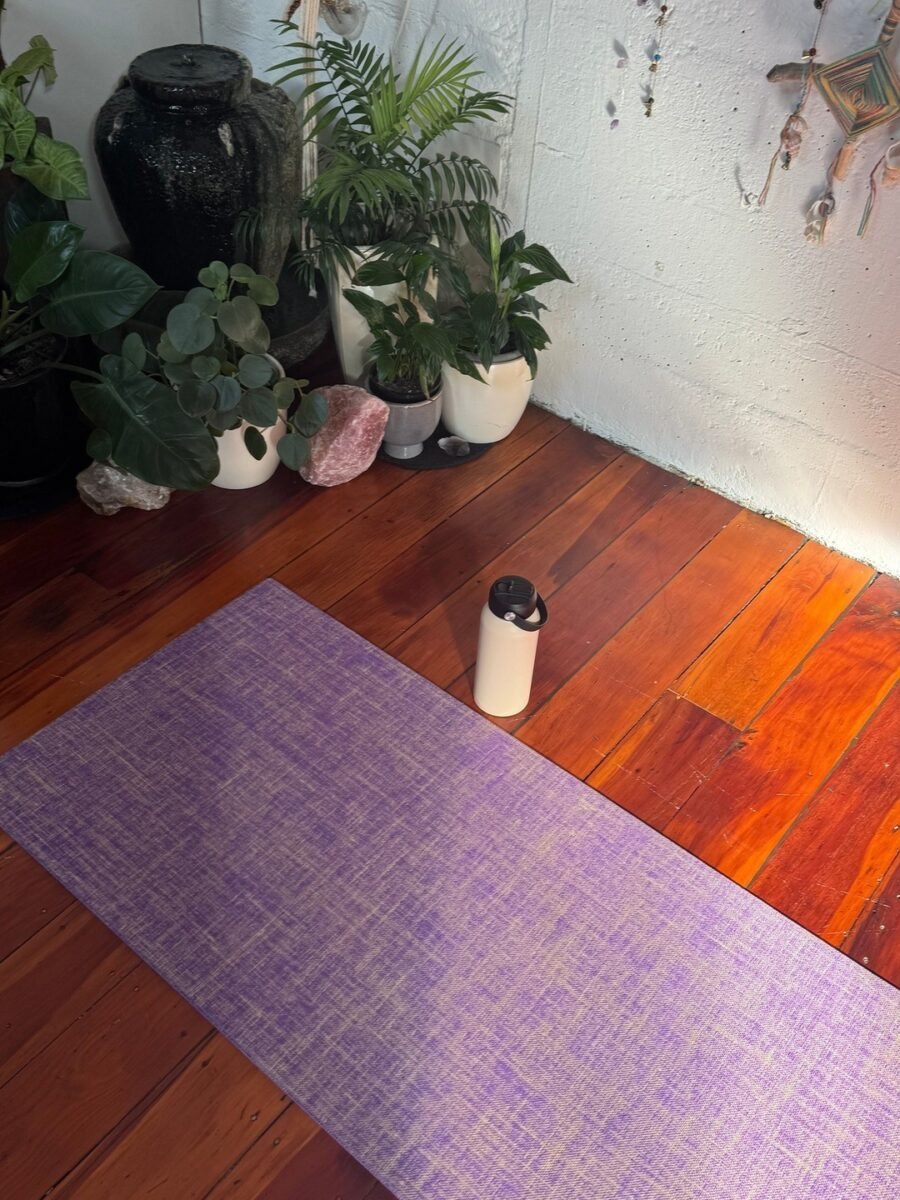
You do not need a whole room, just one corner that is yours. A mat on the floor, a bottle of water, a few plants and something that makes you smile is enough to mark it. When you step onto that mat, the house knows you are off duty for a while: stretch, breathe, sit quietly, or simply be alone with your thoughts. A corner you return to every day becomes a habit all by itself, because the place reminds you before your willpower has to.
You’ll need: a mat, a water bottle and one small corner you can call yours.
Best for: Homes where every spot already belongs to someone or something else
Frequently Asked Questions
What should be on a daily self care checklist?
Three things from this list are enough for a good day: one for the body, one for the mind and one for rest. Stretch first thing, journal for ten minutes, and end the day under a blanket with a warm mug. Add a fourth idea each week, and within a month the whole list will feel like your normal day instead of a chore.
How long should a morning self care routine take?
Fifteen to twenty minutes is plenty. Five minutes of stretching, five minutes of morning pages, and five minutes with a slow cup of tea will change the whole morning. The point is not a long routine, it is a routine you actually keep, so start short and let it grow on its own.
What is the best self care routine for the evening?
The calmest evenings on this list are the candlelit soak in idea 7 and the blanket and mug rest in idea 10. Light the candles, run the bath, and give yourself a full half hour without a screen. Then end with a page of journaling, so the day is written down and done before you sleep.
How do I stick to a self care checklist when life gets busy?
Make it smaller, never skip it entirely. On a busy day, one stretch and one slow breath still count, because the habit survives on its easiest version. Keep everything within reach, the mug, the notebook and the candle, and tie each idea to something you already do, like tea with breakfast or a bath after dinner.
Can self care really help with stress?
Yes, because most of these ideas work on the body first. Slow breathing calms a racing heart, a walk burns off restless energy, warm water relaxes tight muscles, and writing down worries stops them circling at bedtime. None of them needs a special skill, and together they give stress fewer places to hide.
How do I keep the calm going after a reset week?
Pair this checklist with a short daily reset, so the calm becomes a rhythm instead of a one week project. Ten minutes a day, put things back where they live, and give one room a quick tidy each evening. Our deep cleaning house checklist covers the room by room lists that keep a freshly reset home feeling that way all year.
Final Thoughts on Self Care Checklist
Twelve ideas, and the calm really comes down to three things: move a little, breathe slowly, and protect one quiet moment a day. Stretch first thing, write a page, soak by candlelight, and let the small rituals carry the day. If you like keeping things on paper, the printable planners in our shop pair beautifully with this checklist.
Start tonight with one candle and one page of journaling. By next week the slow mornings and calm evenings will feel like part of your day instead of something you have to steal.

