

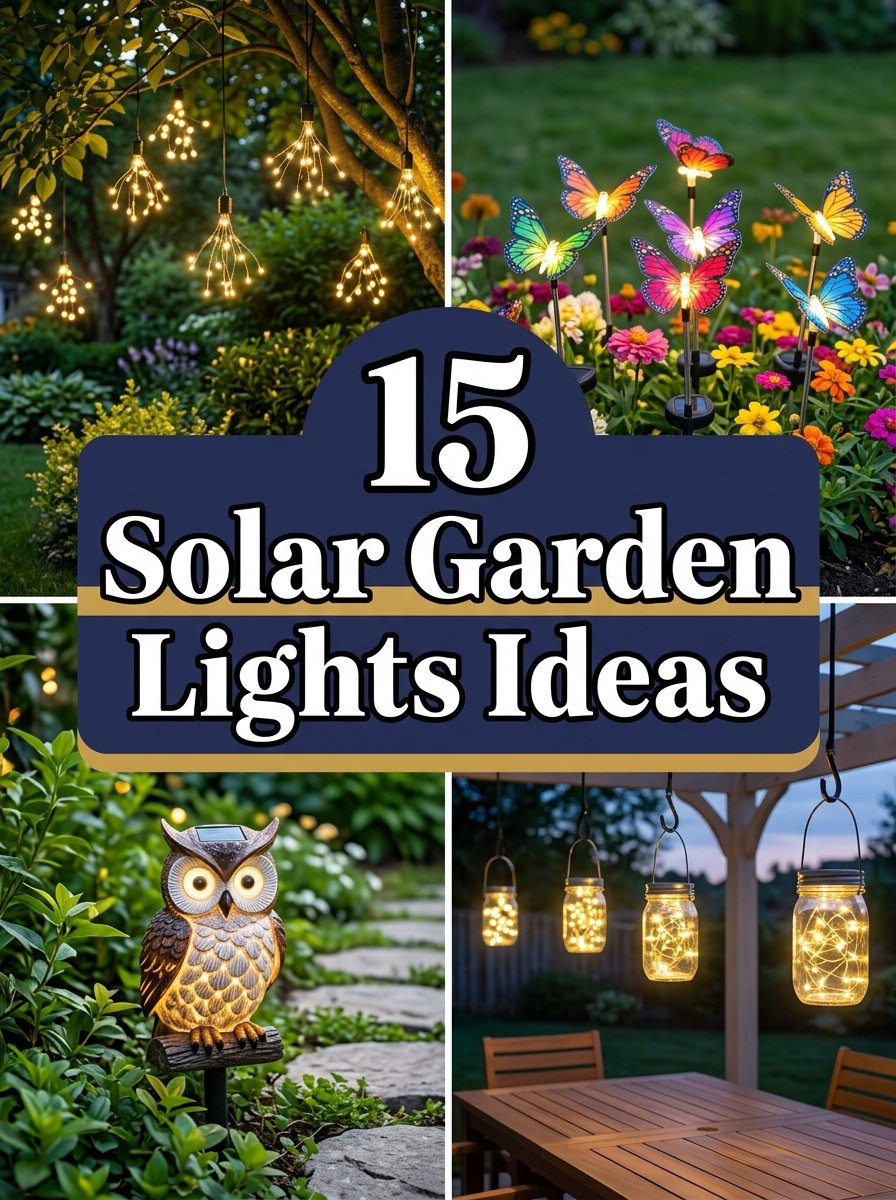
Honestly, solar garden lights genuinely earn their popularity because they solve the evening garden problem so simply, no wiring, no extension cords trailing across the lawn, just stake them in a sunny spot and they charge themselves every single day. What I’ve noticed after trying a bunch of different styles is that placement genuinely matters more than the specific light design, since even the prettiest firefly or butterfly stake looks underwhelming if it’s tucked somewhere that doesn’t get enough direct sun to charge properly. This list covers 15 solar garden lights ideas across different styles and placements, along with honest notes about what actually keeps these lights working well season after season versus what leaves you replacing them every year.
1. Scatter Firefly Lights Through Garden Beds
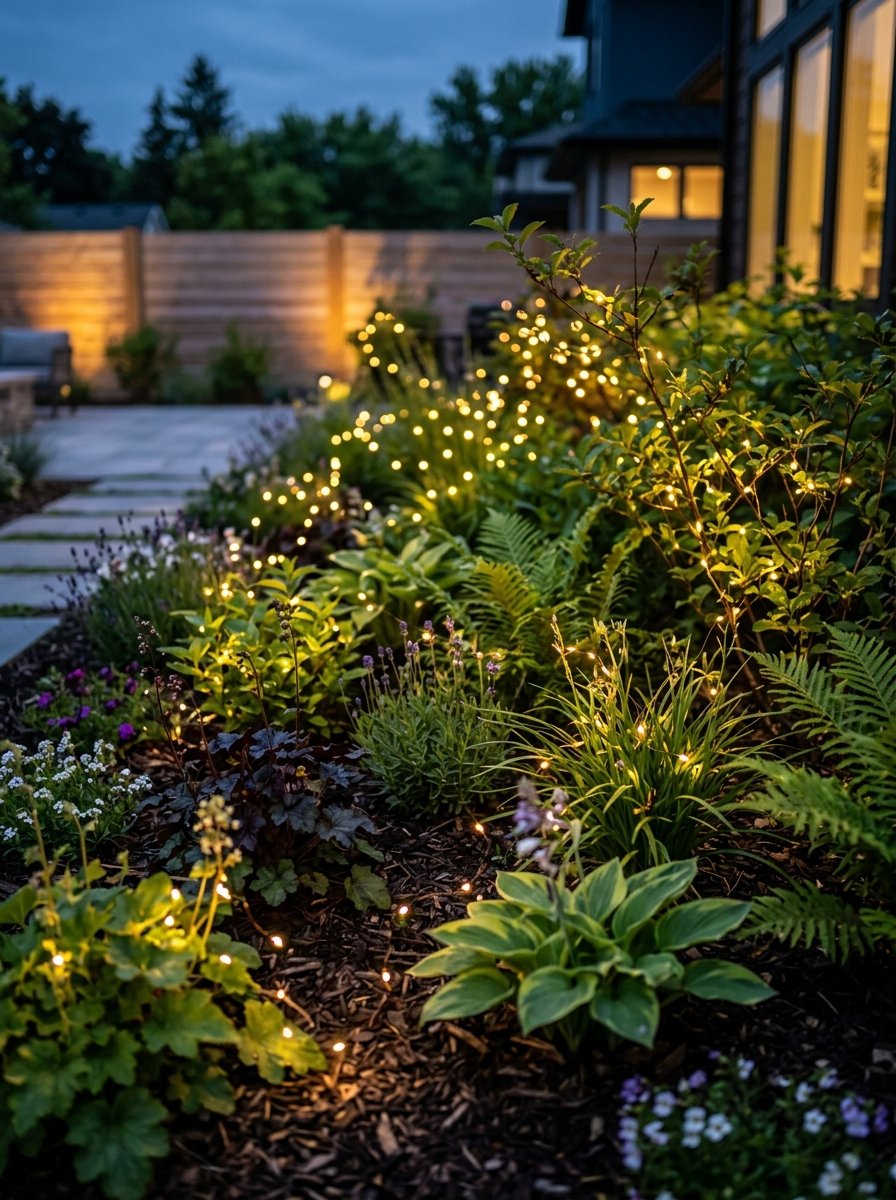
Honestly, firefly style solar lights genuinely create that magical, slightly randomized glow that mimics actual fireflies far better than uniform rows of standard path lights ever could, since the flexible stems let each light sit at a slightly different height and angle. Scattering these irregularly through a garden bed, rather than lining them up evenly, genuinely makes the biggest difference in how convincingly natural the effect looks once it’s dark.

2. Add Whimsical Butterfly Stakes
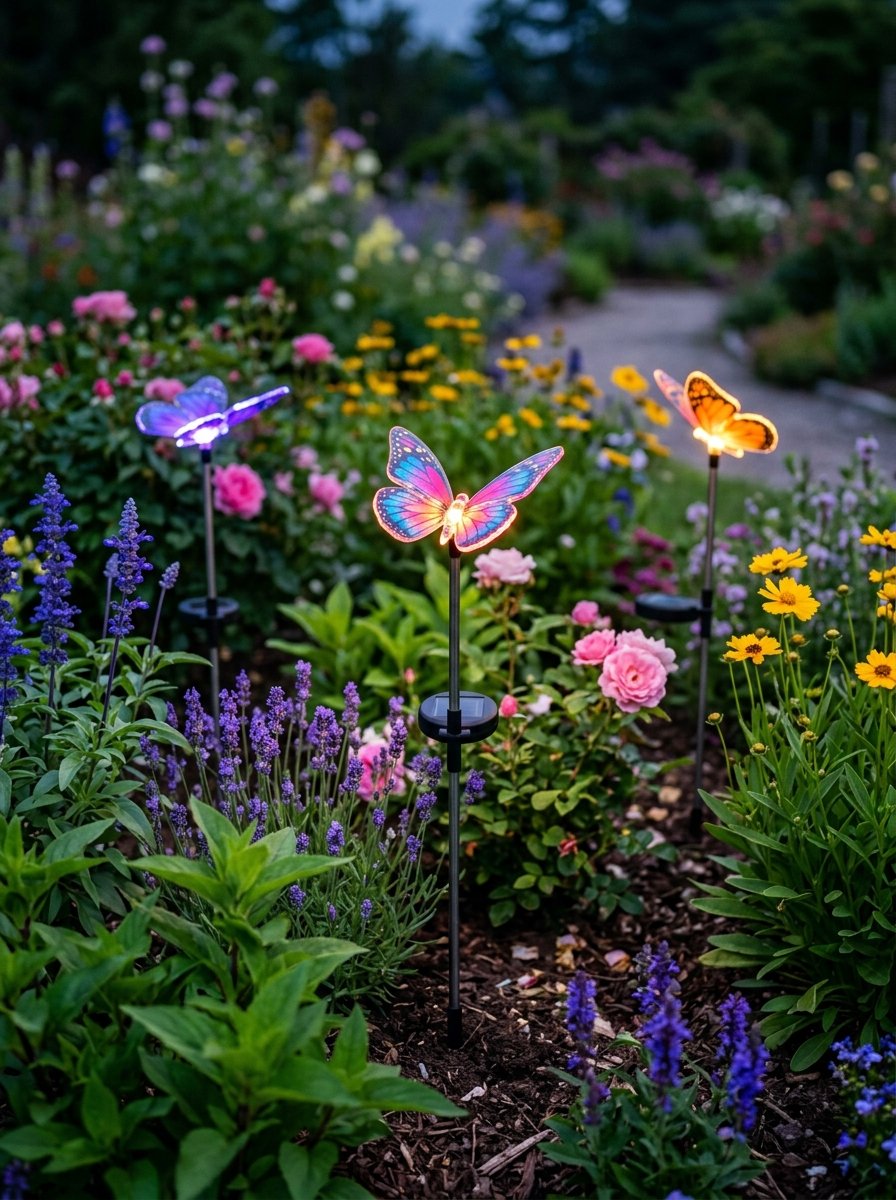
Genuinely, butterfly shaped stakes bring a genuinely playful, whimsical touch that reads as decorative even during the day, then glow softly once the sun sets, giving you decor that works around the clock rather than just after dark. These particular stakes hold up well to being pushed into slightly rocky or compact soil, which honestly matters since a flimsy stake bends or snaps in ground that isn’t perfectly soft.

3. Style a Unique Owl Decoration
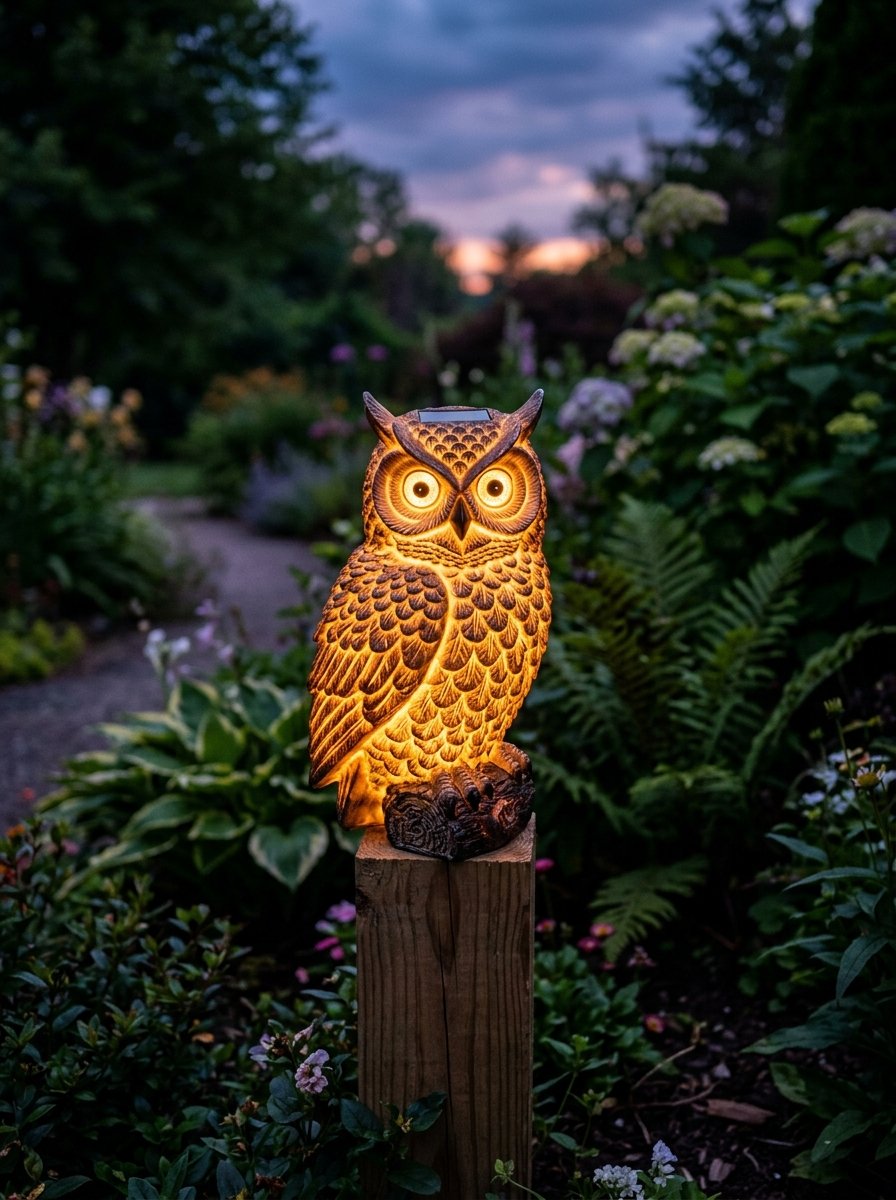
Honestly, an owl shaped solar light genuinely gives a garden a unique focal point that stands apart from the usual firefly or butterfly options most people default to, and the glowing eyes effect specifically creates a genuinely charming, slightly whimsical character once it’s dark. This piece works well perched on a low wall, a tree stump, or nestled directly into taller plants for a natural, camouflaged daytime look.

4. Hang Solar Mason Jar Lights
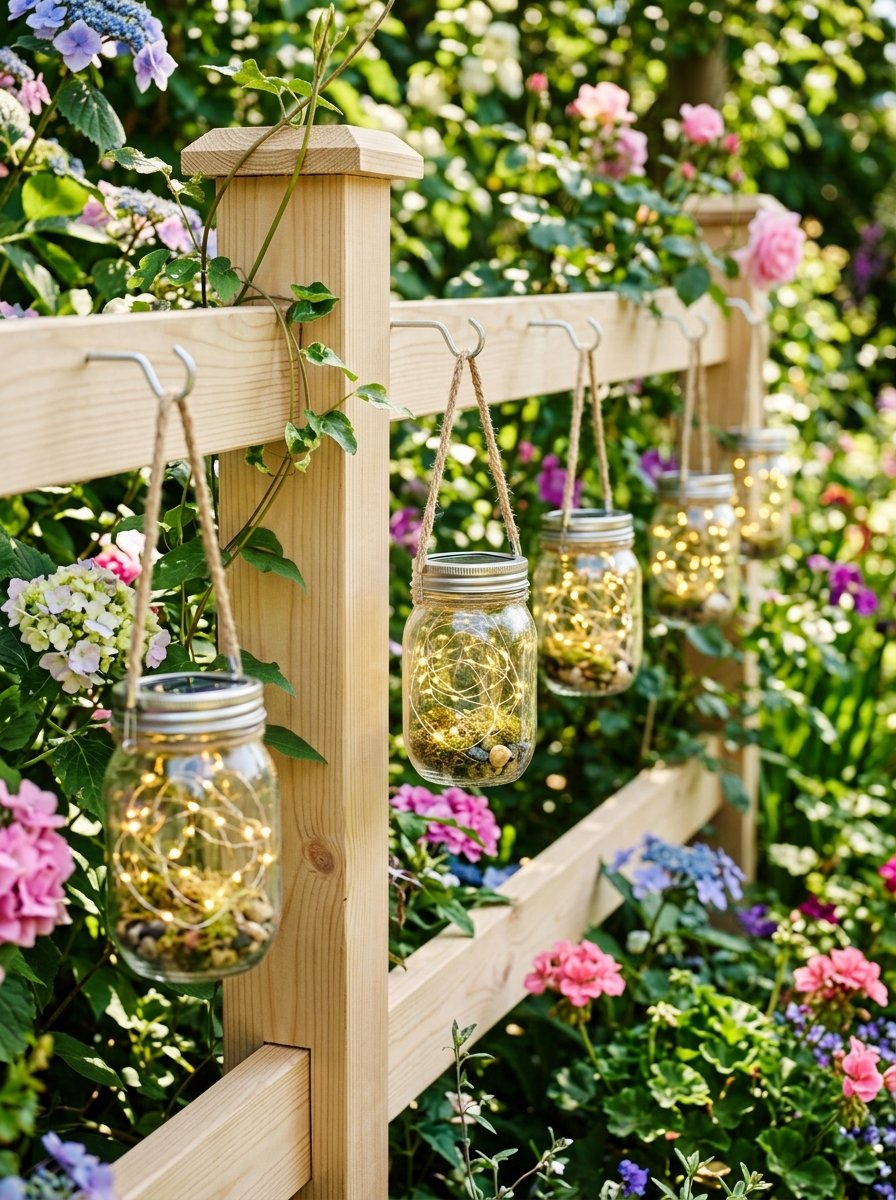
Genuinely, mason jar lights bring a genuinely cozy, rustic glow that pairs beautifully with a farmhouse or cottage style garden, and the glass diffuses the light into a softer, warmer effect than a bare solar bulb typically produces. Hanging these from a fence line, a shepherd’s hook, or a tree branch keeps them at eye level, which honestly matters more for ambiance than ground level lighting alone provides.

5. Try a Swaying Starburst Design
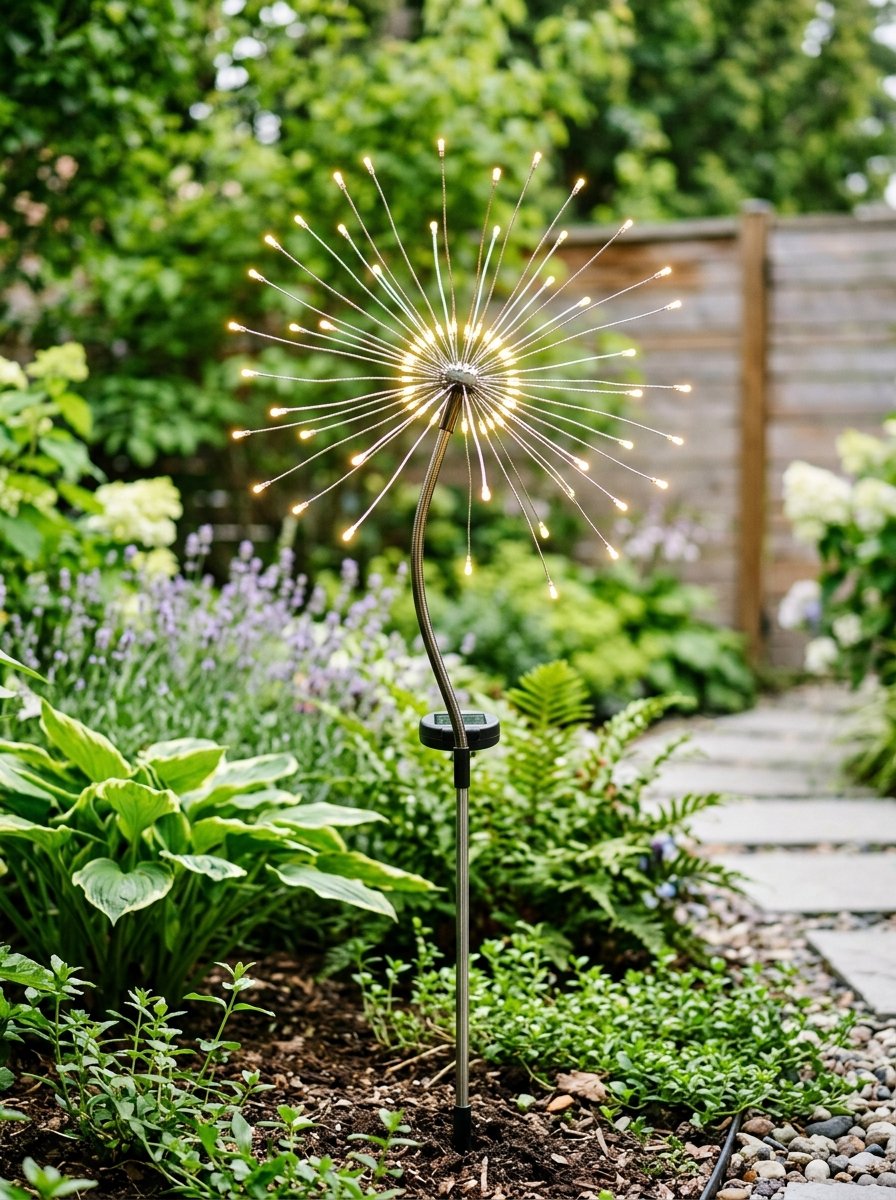
Genuinely, starburst style lights mounted on a flexible stem that sways gently in the breeze add a subtle sense of movement that a completely static light just doesn’t offer, catching the eye in a genuinely different way once it’s dark. This kinetic quality works especially well positioned somewhere the evening breeze naturally reaches, rather than a sheltered corner where the swaying motion wouldn’t really happen.
6. Upcycle Old Jars and Bottles
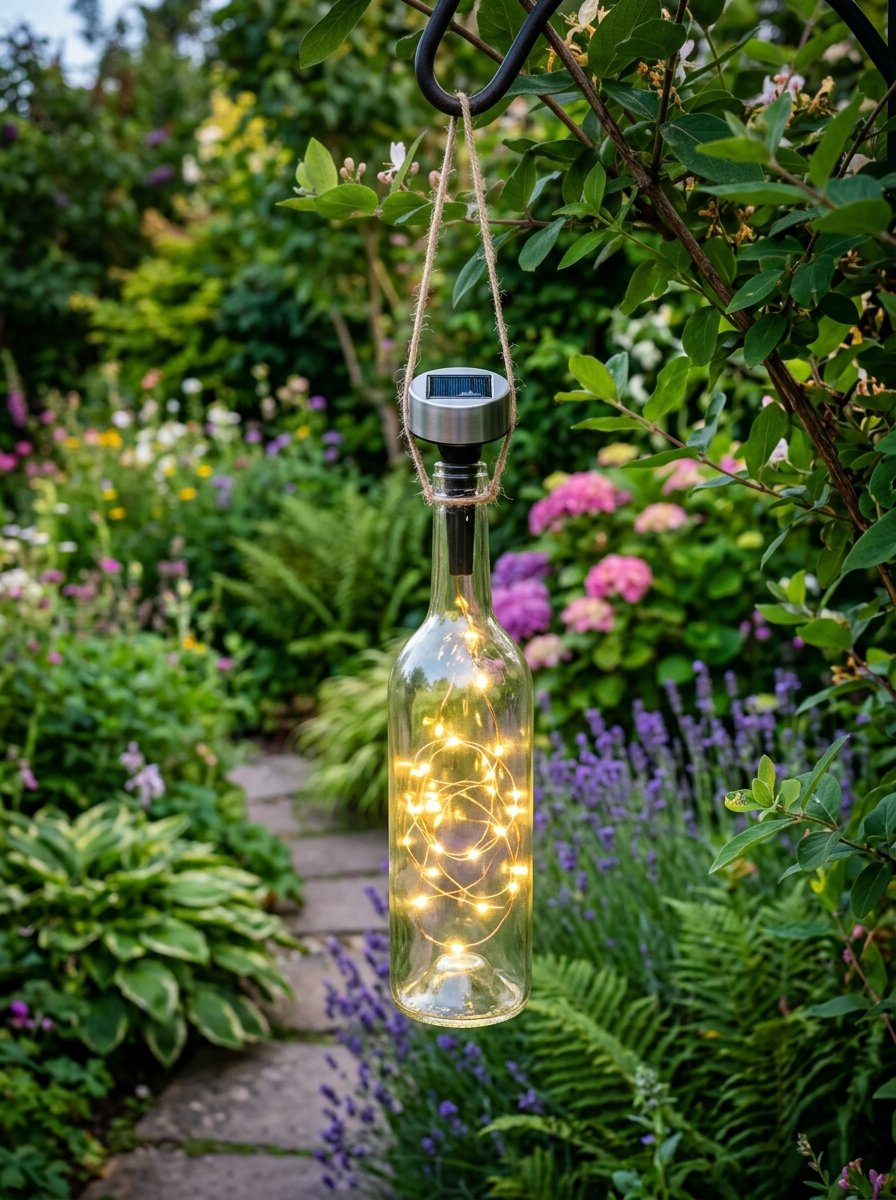
Honestly, repurposing old glass jars or bottles with a simple solar light insert dropped inside genuinely gives you a custom, one of a kind garden light for a fraction of what a purpose made decorative light would cost. This upcycling approach pairs well with the same resourceful thinking covered in plastic bottle crafts for other creative reuses of household items you’d otherwise throw away.
7. Mount Lights Along a Fence Line
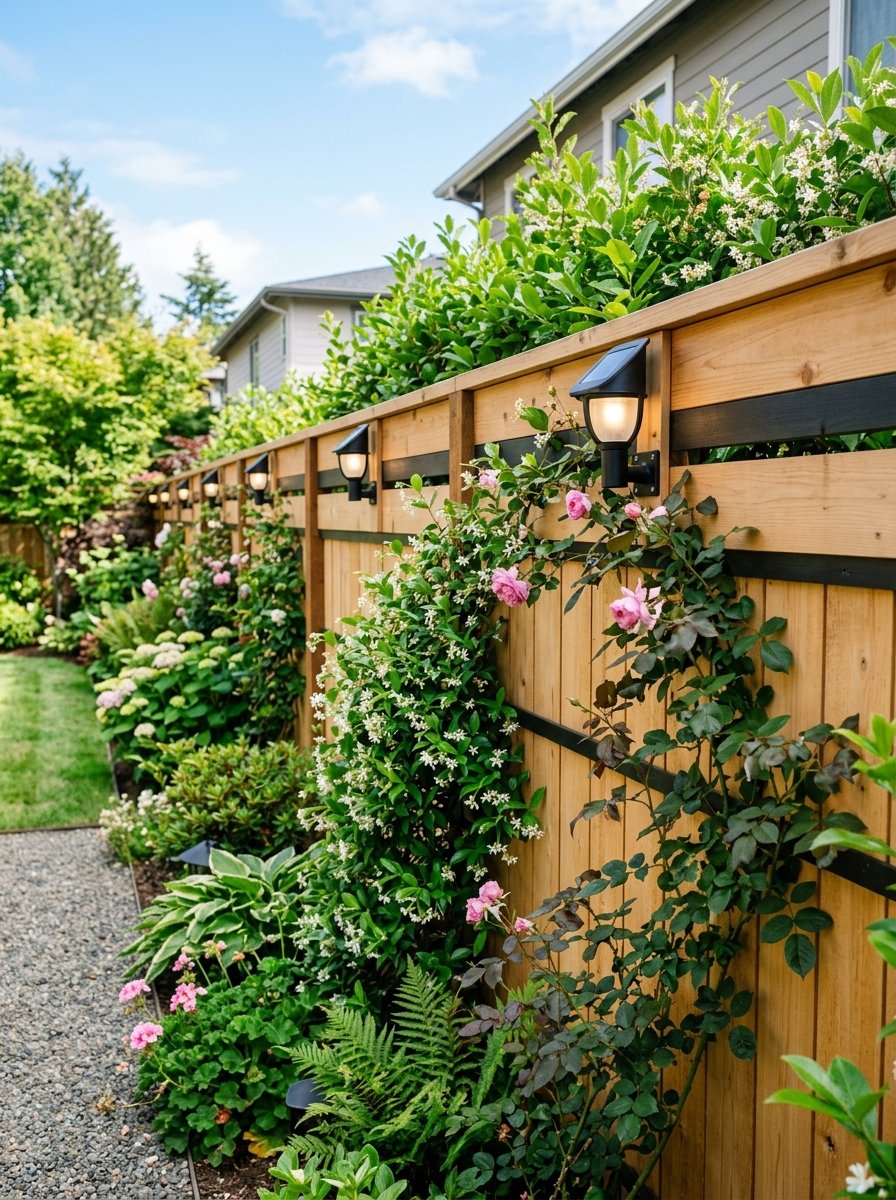
Genuinely, fence mounted solar lights genuinely define a property boundary after dark in a way that ground level lights don’t quite achieve, since the elevated position makes the fence line itself visible even at night. This placement works particularly well combined with climbing plants, letting the lights peek through greenery for a genuinely layered, natural looking effect.
8. Style the Front Yard for Curb Appeal
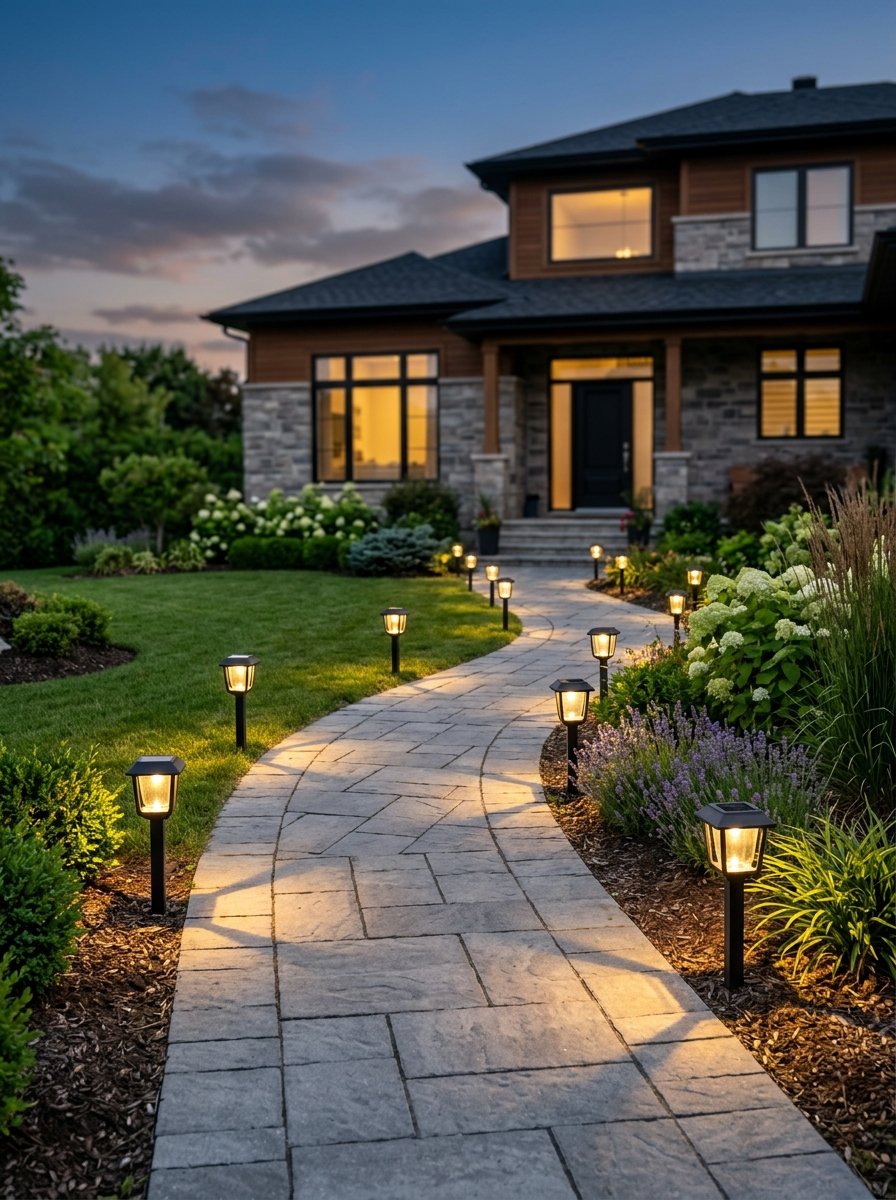
Honestly, solar lights positioned along a front walkway or flanking the entrance genuinely improve how welcoming a home feels after dark, guiding visitors safely to the door while adding a decorative touch that daytime curb appeal alone doesn’t provide. This evening lighting pairs well with the same entrance focused thinking covered in 15 outdoor entryway decor ideas for a cohesive look day and night.
9. Design an Aesthetic Coordinated Display
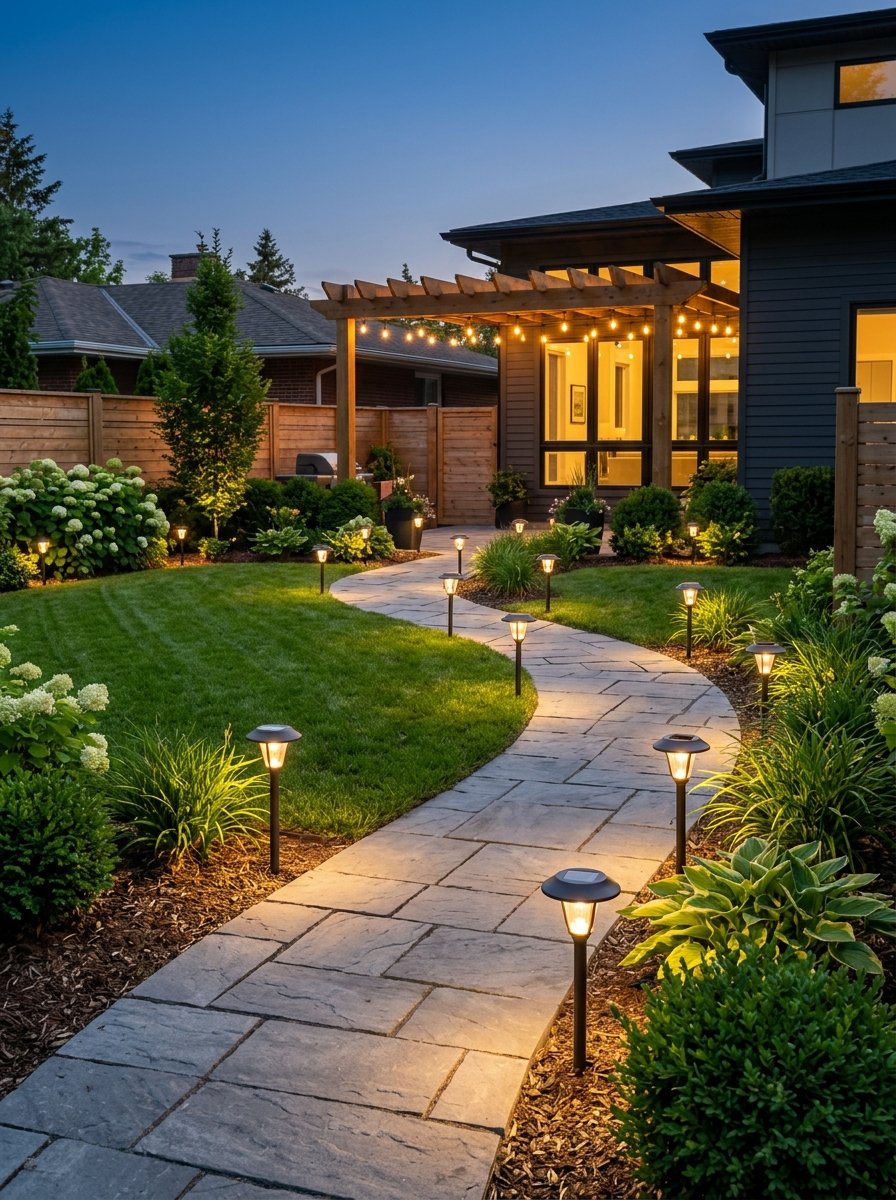
Genuinely, sticking to one or two light styles and a consistent color temperature throughout the yard, rather than mixing warm white with cool blue or combining five different decorative shapes, creates a genuinely more polished, aesthetic overall look. This coordinated approach reads as intentionally designed rather than like individual lights were added one at a time without much overall plan.
10. Build a Whimsical Fairy Garden Corner
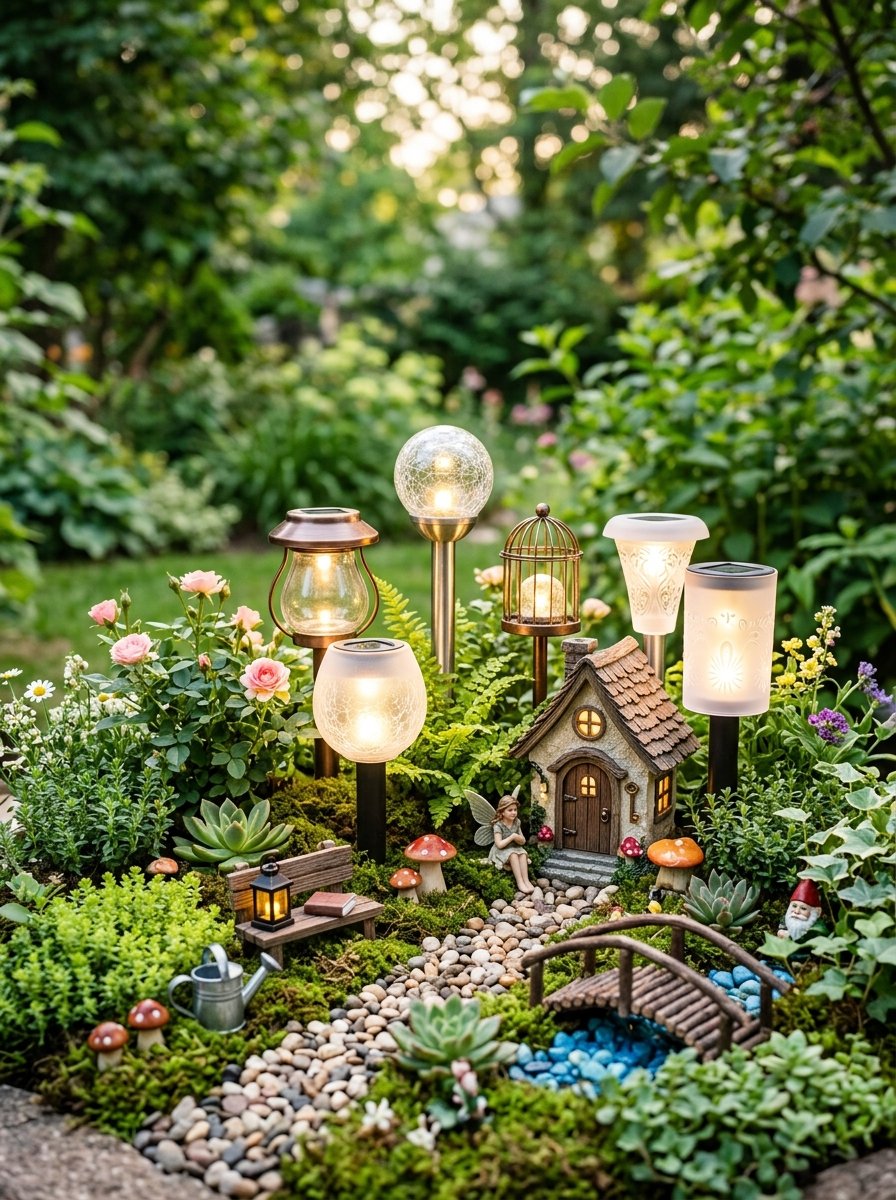
Honestly, clustering several smaller solar lights together in one dedicated corner, mixed with fairy garden accessories and smaller plants, genuinely creates a magical miniature scene that a scattered single light placement doesn’t achieve on its own. This concentrated approach pairs well with the same fairy garden thinking covered in 50 fairy garden ideas for building out a fuller magical display.
11. Add Ground Lights for Pathway Safety
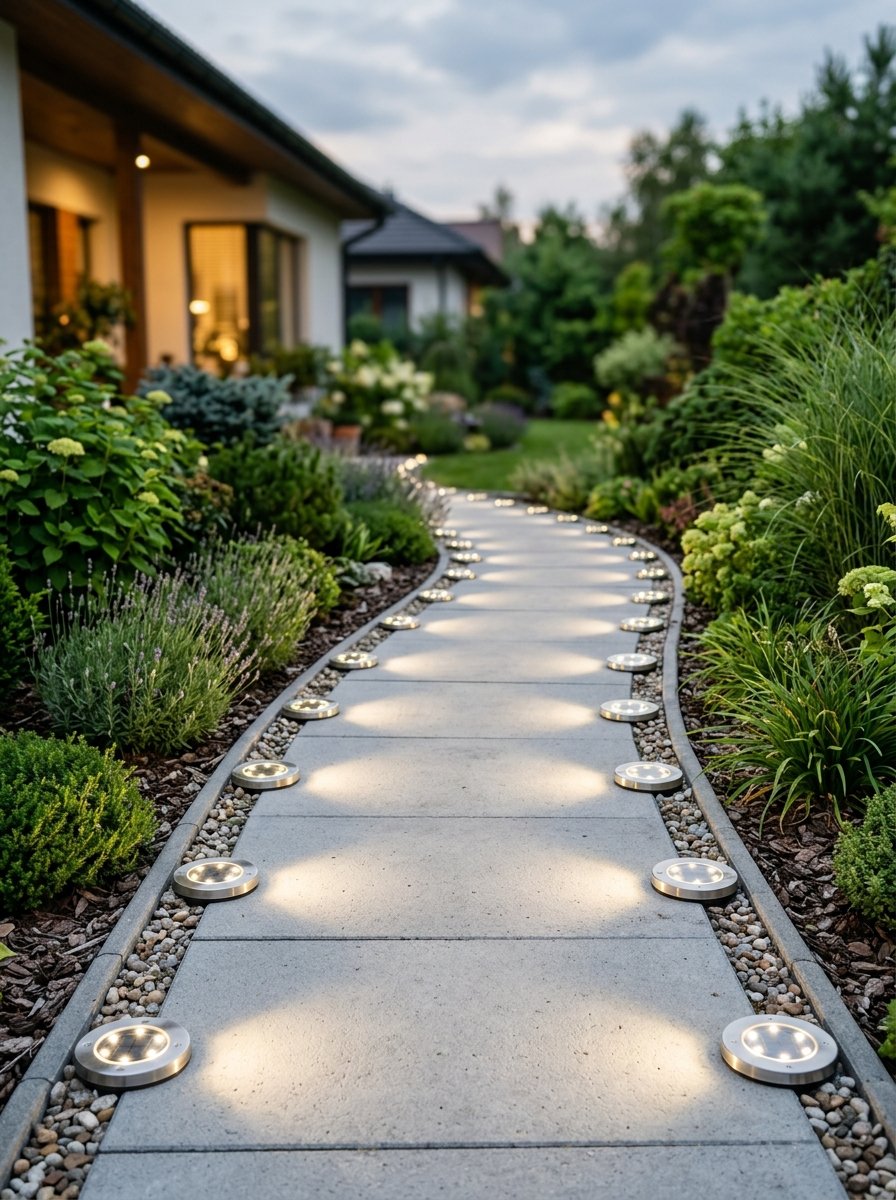
Genuinely, flat ground mounted solar lights genuinely serve a more practical safety function than decorative stakes, providing enough low light to navigate a path or steps safely after dark without needing to rely purely on porch lighting reaching that far. This functional placement matters especially along any uneven ground or steps where visibility genuinely affects safety.
12. Choose Tall Lights for Visual Height
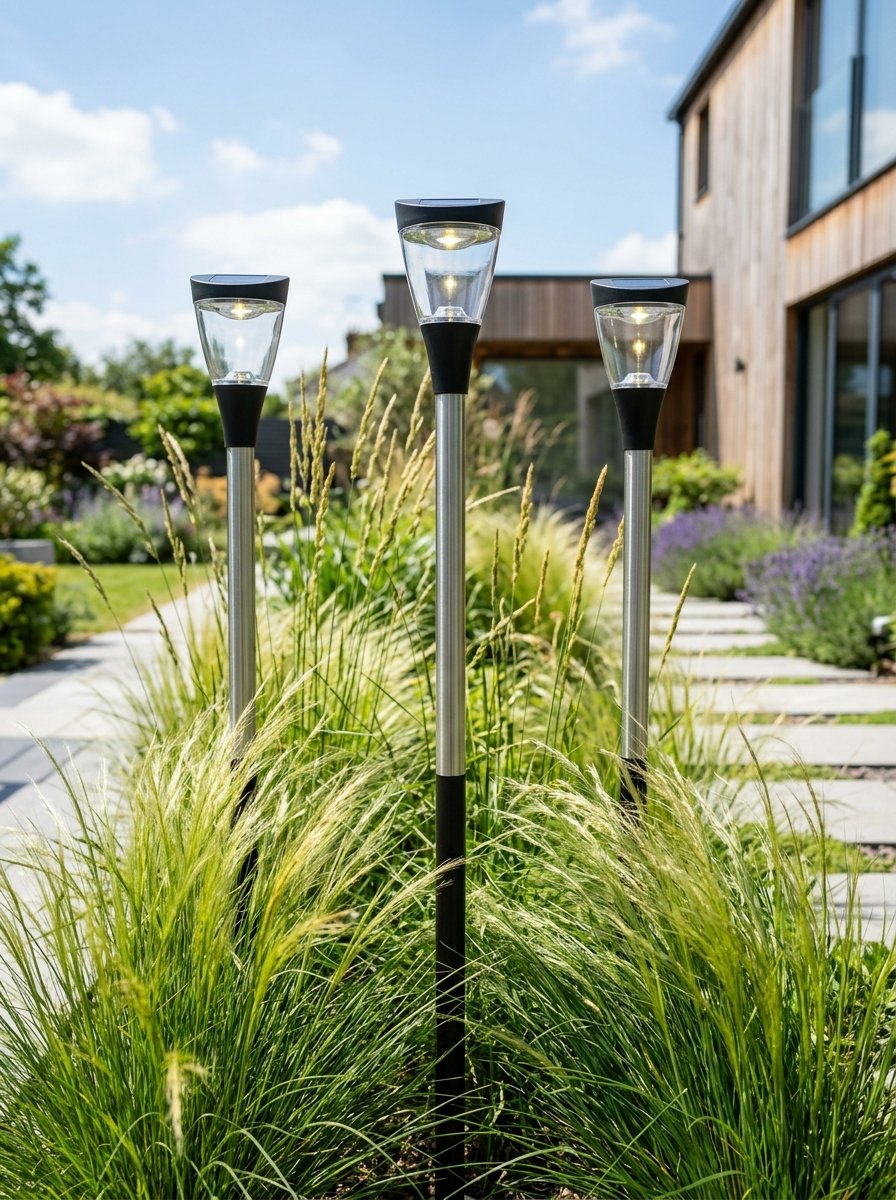
Honestly, taller solar lights, standing two or three feet rather than the typical ankle height stake, genuinely add visual interest at a different level than most garden lighting provides, working well positioned among taller perennials or ornamental grasses. This height variation keeps a garden lighting display from looking uniformly flat across the whole space.
13. Keep Lights Working with Regular Cleaning
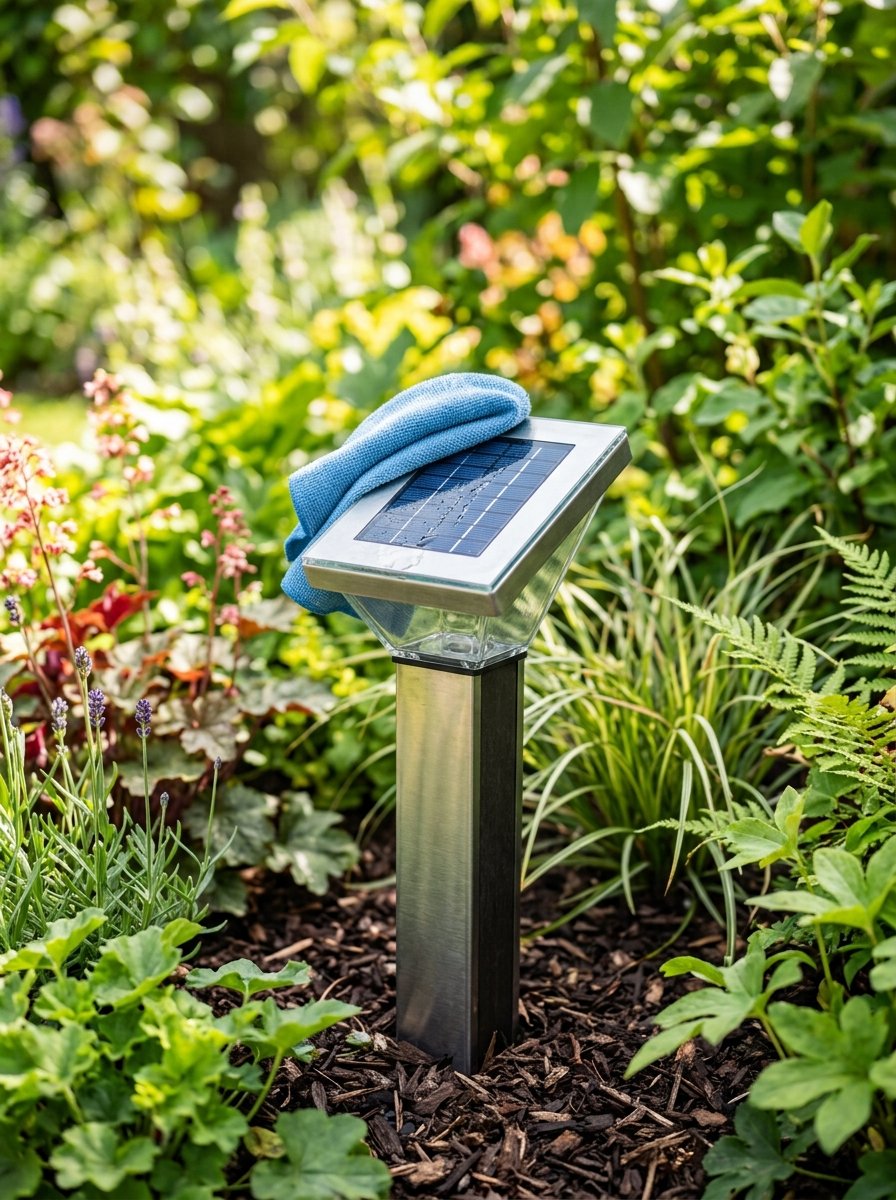
Genuinely, dust and grime buildup on solar panels is honestly the most common reason people think their lights have stopped working, when really the panel just isn’t absorbing enough sunlight to charge properly anymore. Wiping down each panel with a soft cloth every few weeks during dry, dusty seasons genuinely keeps lights performing at full brightness rather than gradually dimming over the season.
Start Your 30-Day Home Reset
Stop waiting for a "perfect" free weekend. Grab the 30-day plan and start feeling lighter in your own home by tomorrow.
View the 30-Day Plan Printable PDF · Instant download14. Learn Simple Repair Basics
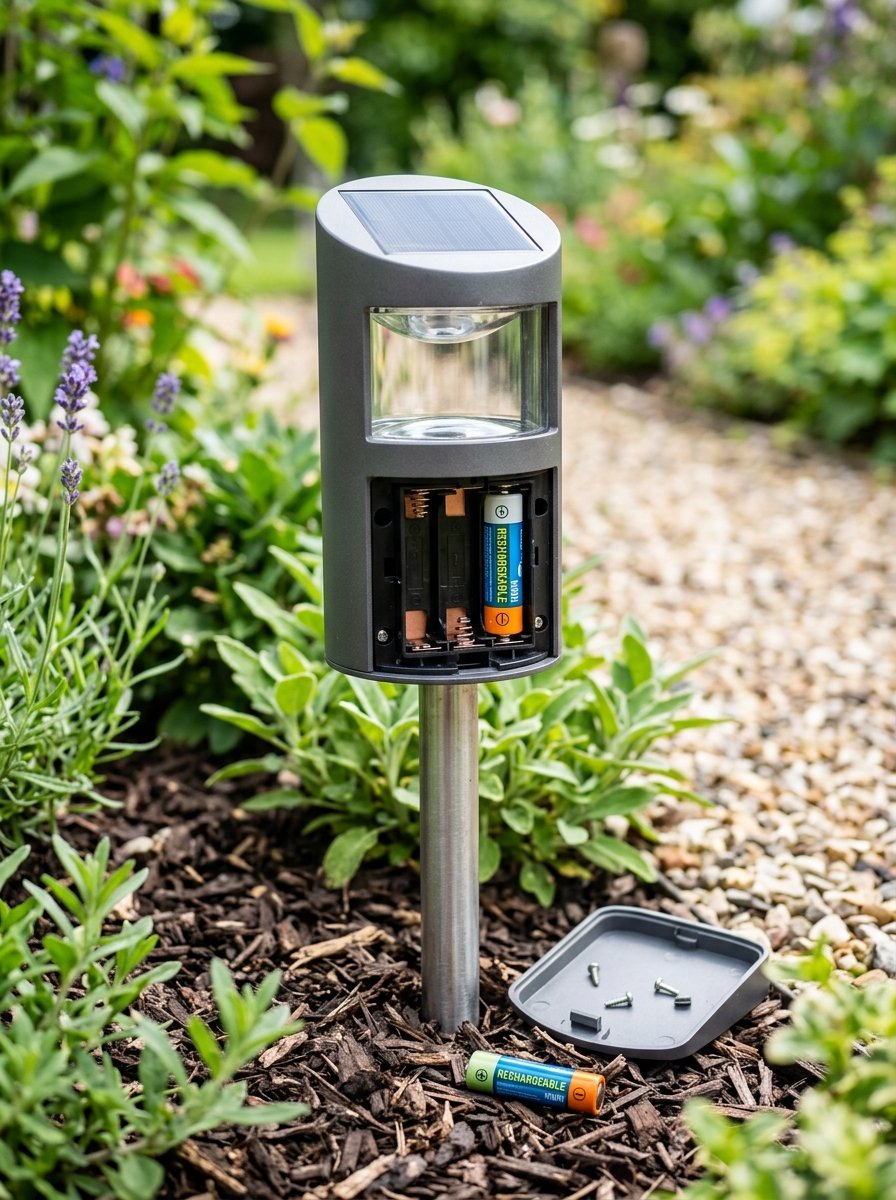
Honestly, most solar light failures come down to either a dead rechargeable battery or a cracked solar panel, both of which are genuinely replaceable on most models rather than requiring you to throw out and replace the whole fixture. Keeping a few spare rechargeable batteries on hand extends the life of an otherwise perfectly good light housing considerably longer than most people realize is possible.
15. Build a Video Worthy Evening Display
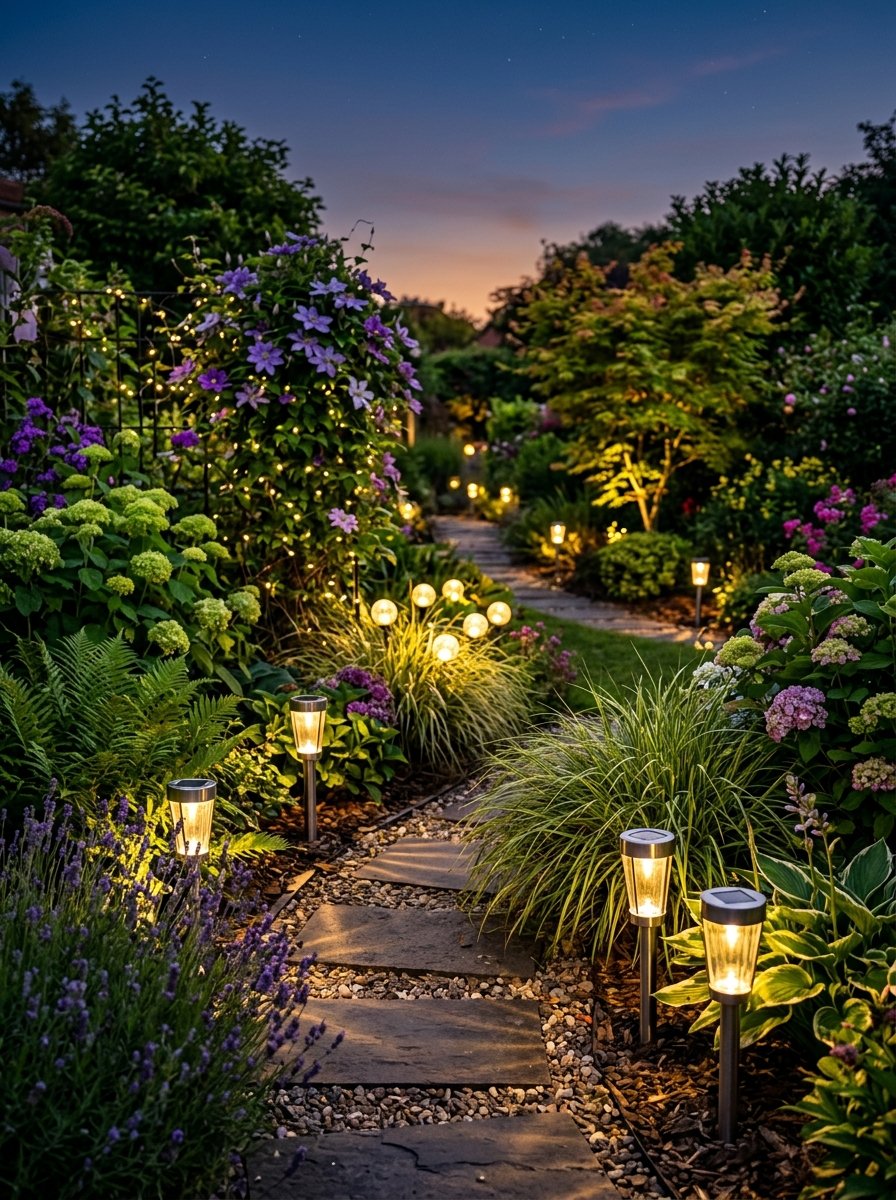
Genuinely, if you’re planning to actually film or photograph your garden lighting for social media, positioning lights to create layered depth, some close to the camera, others further back, produces a far more visually interesting result than a single flat row of identical lights. This layered approach also happens to look better in person, not just on camera, which makes it worth the extra planning either way.
Final Thoughts on Solar Garden Lights Ideas
Honestly, the biggest factor in whether solar garden lights actually work well genuinely comes down to placement and maintenance rather than which specific style you choose, since even the prettiest light underperforms in a shaded spot or with a dirty panel. Start with a few lights in a spot that gets genuine direct sun, and build out your display gradually once you’ve confirmed that placement actually charges and performs the way you’d hoped.


Amir Ali is the founder and site administrator of HomeDecorEdge, a modern home decor and interior design platform. Since starting the site, he has combined his passion for interior design, practical styling, and color coordination with hands-on content strategy and site management. He guides authors, curates high-quality articles, and ensures readers have access to actionable, visually inspiring, and user-focused home decor advice for apartments, small rooms, and family homes.