

Picture a little cluster of toadstools at the foot of a tree. Red caps, white spots, a bit of moss.
Now picture them made of concrete, so they last for years.
Cement mushrooms look magical but they are surprisingly easy. A bowl, a cup and a bag of mix is really all you need to start.
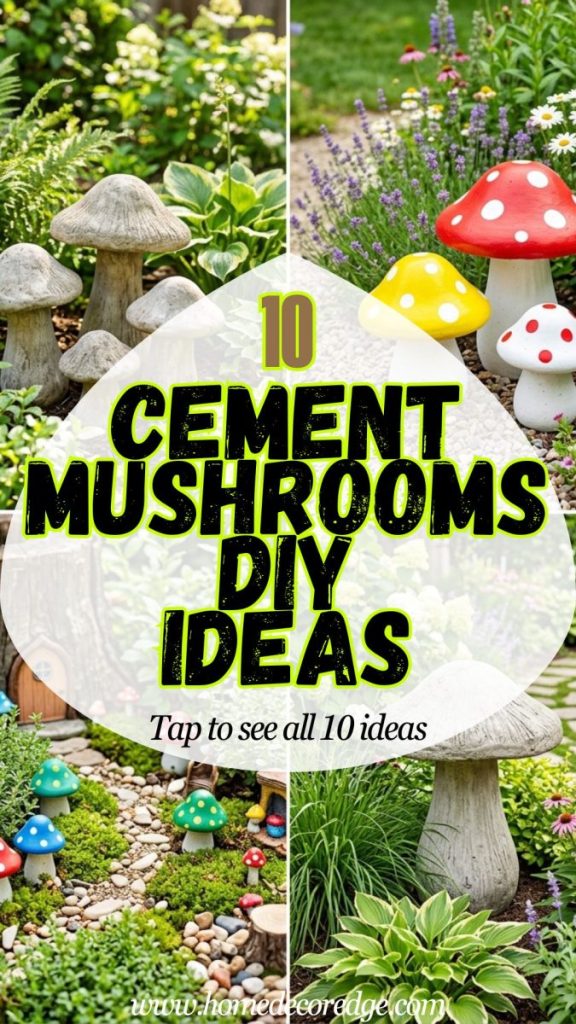
Here are 10 cement mushrooms DIY ideas, from basic casting and silicone molds to painted toadstools, big statement pieces and tiny fairy garden sets.
1Start with a Basic Concrete Mix
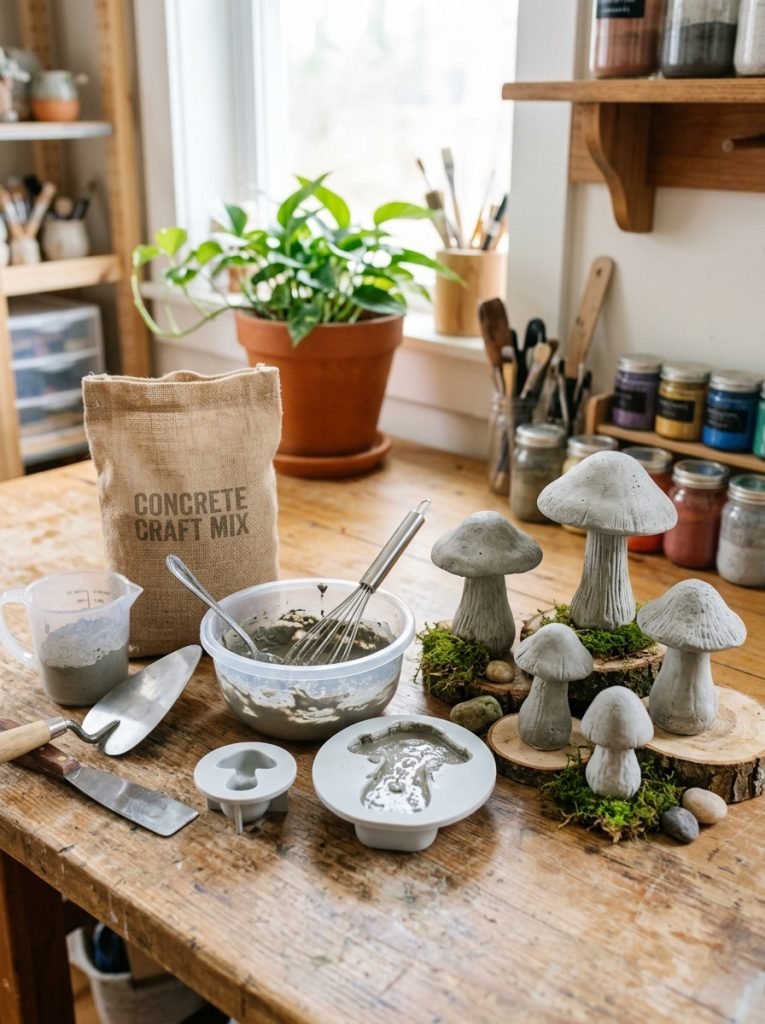
Good mix makes all the difference. You want it smooth, like thick yogurt.
A concrete craft mix captures fine detail and holds up outside. Wear gloves and a dust mask when you mix.
- Smooth finish
- Outdoor strong
- Beginner friendly
Project Card · 1 hour plus 1 day · Easy
Materials Needed
- Concrete craft mix
- Bucket and stir stick
- Plastic bowl for the cap
- Plastic cup for the stem
- Cooking spray, gloves and a dust mask
How to Make It
- Spray the bowl and cup lightly so the concrete releases.
- Mix concrete and water to a thick yogurt texture.
- Fill the bowl for the cap and the cup for the stem.
- Tap both on the table to bring air bubbles up.
- Let them cure for a day, pop them out and join the cap to the stem with a little fresh mix.

My Pick
Concrete Craft Mix
A smooth mix that picks up fine cap and stem detail and lasts outdoors.
2Silicone Mold Cement Mushrooms
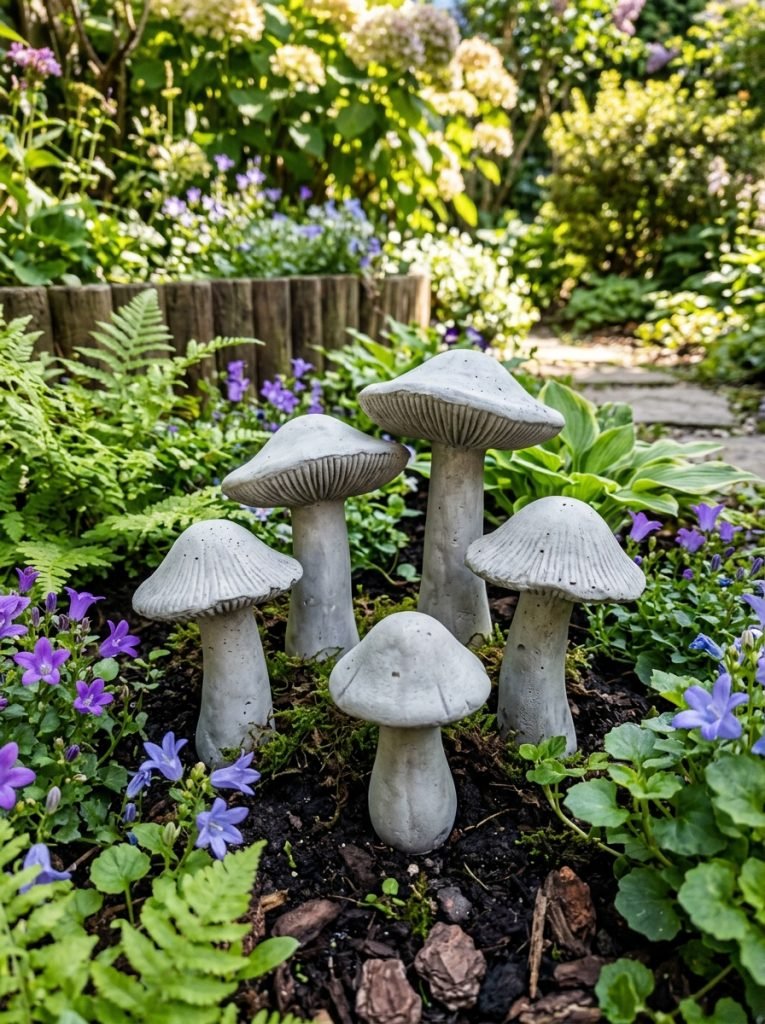
Silicone molds give the neatest shapes with real cap curves and stem detail.
Silicone mushroom molds flex right off the cured concrete, so you can make a matching set in a weekend.
- Neat shapes
- Reusable molds
- Matching sets

My Pick
Silicone Mushroom Molds
Flexible molds that pop out clean, matching mushrooms every time.
3Painted Cement Mushrooms
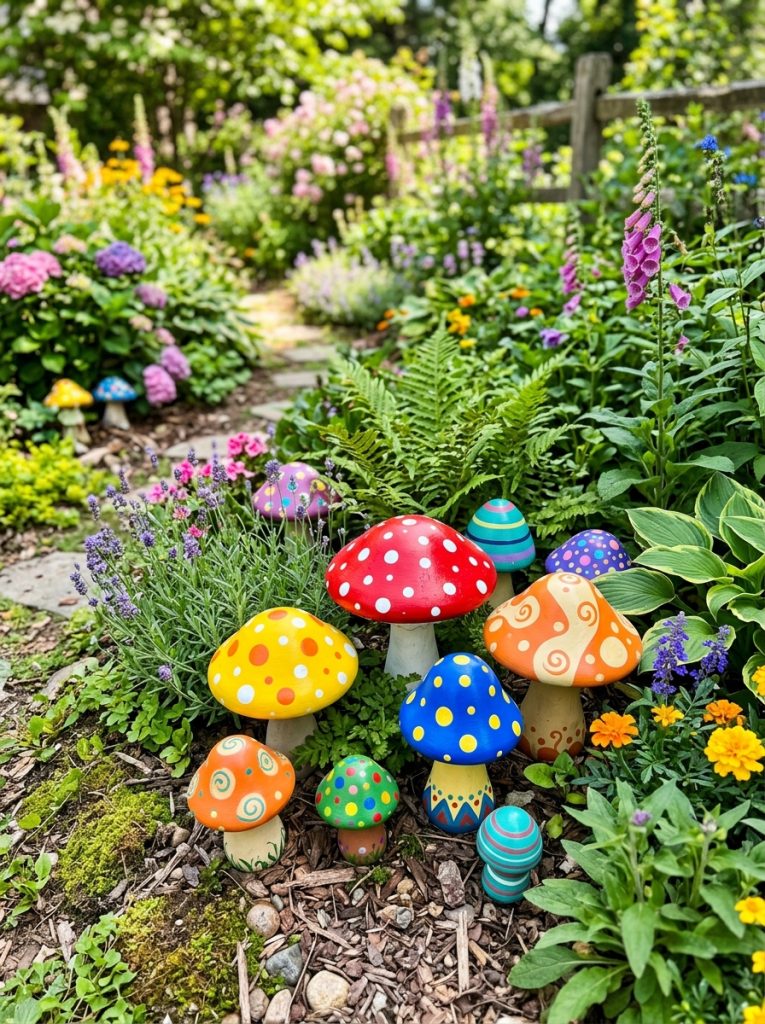
Red caps with white spots are the classic. Yellow, orange and blue spotted caps are fun too.
Prime with white first, then use acrylic paint and finish with outdoor sealer so the color lasts.
- Bright and fun
- Classic toadstool
- Lasts outdoors
Project Card · 1 hour plus drying · Easy
Materials Needed
- Cured cement mushrooms
- White primer
- Acrylic paint in red, white and cream
- Round brush and fine brush
- Outdoor clear sealer
How to Make It
- Brush a coat of white primer over the whole mushroom.
- Paint the cap red and the stem cream, and let it dry.
- Add a second coat of red for rich color.
- Dot on white spots of different sizes with a round brush.
- Seal with two light coats of outdoor sealer.

My Pick
Acrylic Paint Set
Bright reds, yellows and whites for classic spotted toadstools.
4Large Statement Cement Mushrooms
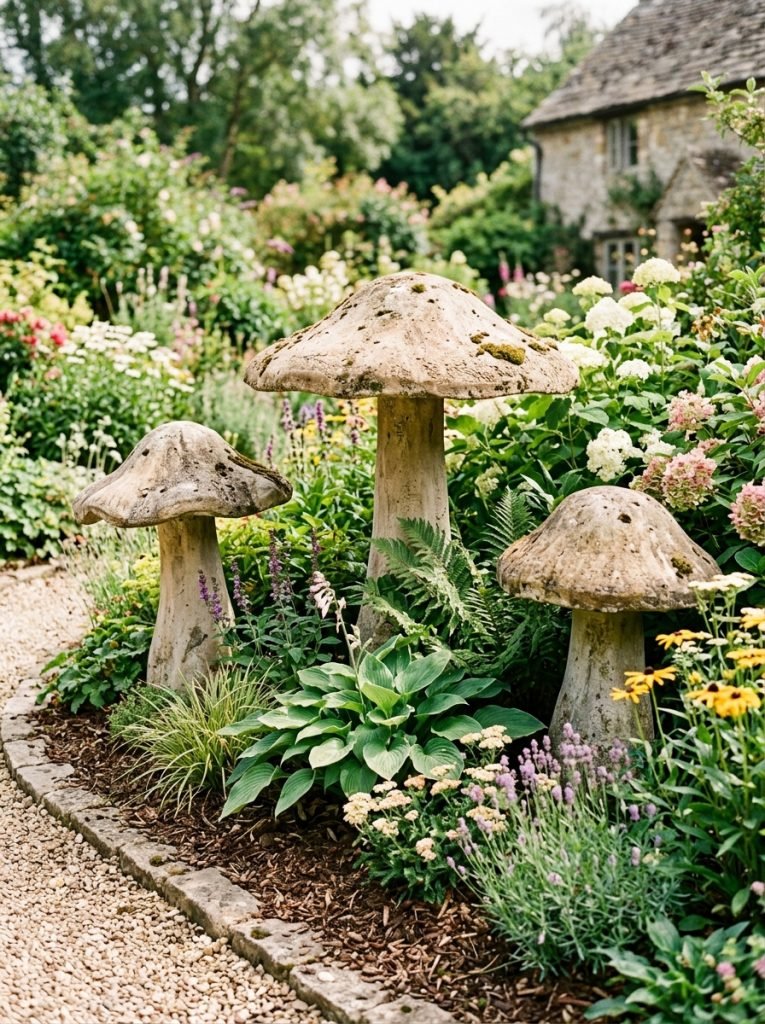
Big mushrooms make a magical focal point among shrubs and tall plants.
Use a large bowl for the cap and a bucket for the stem, add wire mesh inside for strength and let each piece cure fully before joining. They get heavy, so ask for help moving them.
- Garden focal point
- Wire reinforced
- Wow factor
Start Your 30-Day Home Reset
Stop waiting for a "perfect" free weekend. Grab the 30-day plan and start feeling lighter in your own home by tomorrow.
View the 30-Day Plan Printable PDF · Instant download5Easy No Mold Cement Mushrooms
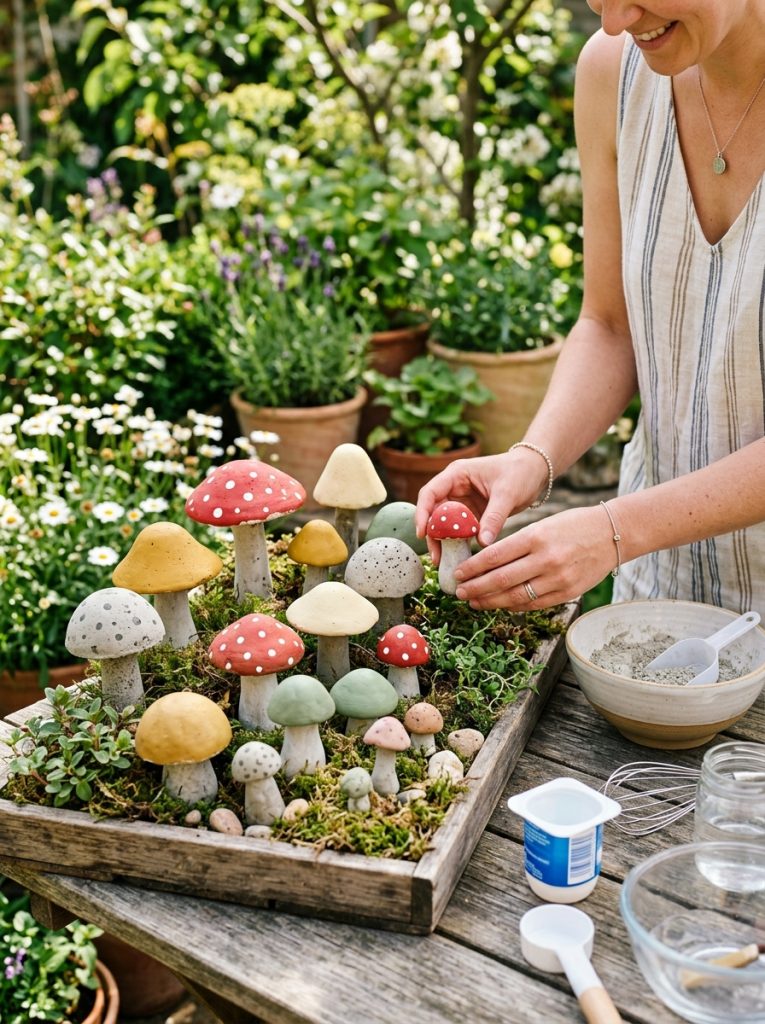
No mold? No problem. Bowls, cups and even balloons make great cap and stem shapes.
Quick set concrete lets you shape and join pieces in one session. Every one turns out a little different, which looks more natural.
- Use kitchen items
- Natural variety
- Very cheap
My Pick
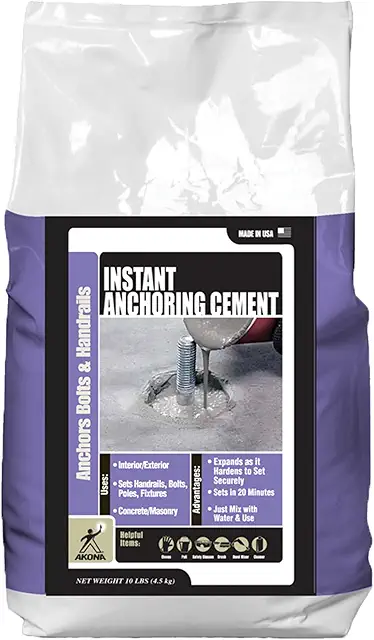
Quick Set Outdoor Concrete Mix
Sets fast so you can shape no mold mushrooms in one session.
6Fine Detail Painted Mushrooms
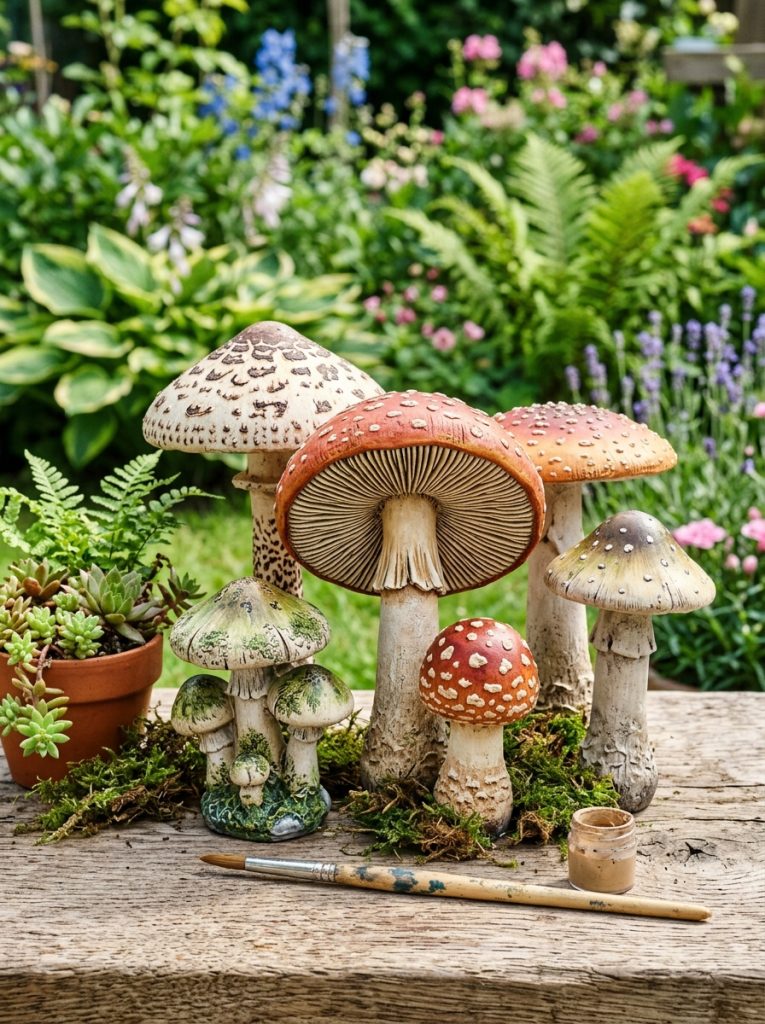
Want them to look like woodland mushrooms? Use natural browns and creams and add fine gill lines under the cap.
Fine tip brushes make tiny details easy. Look at a few real mushroom photos first for color ideas.
- Natural look
- Fine detail
- Garden art

My Pick
Fine Tip Paint Brush Set
Tiny brushes for spots, gills and little details.
7Cement Mushroom Cluster
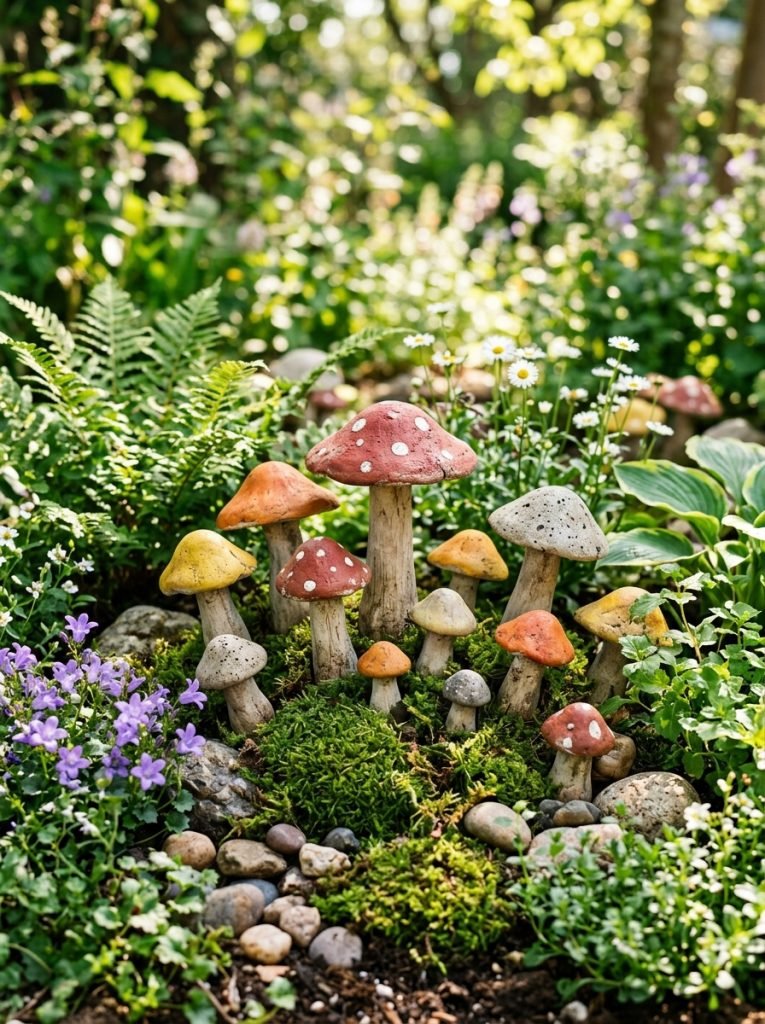
Group mushrooms in three sizes for the most natural look. One big, a few medium and lots of tiny ones.
Tuck preserved moss and small rocks around the base. It looks like they popped up overnight.
- Very natural
- Three sizes
- Easy styling
Project Card · 30 minutes · Easy
Materials Needed
- One large, two medium and four small cement mushrooms
- Preserved moss
- A few small rocks
- Trowel
- Low ground cover plants (optional)
How to Make It
- Pick a shady spot, like the base of a tree or the edge of a bed.
- Set the large mushroom first as the anchor.
- Place the medium ones close by, slightly off to the sides.
- Tuck the small ones into the gaps between them.
- Fill around the bases with moss and rocks so they look like they grew there.

My Pick
Preserved Moss
Tuck it around the base so mushrooms look like they grew there.
8Weatherproof Concrete Garden Mushrooms
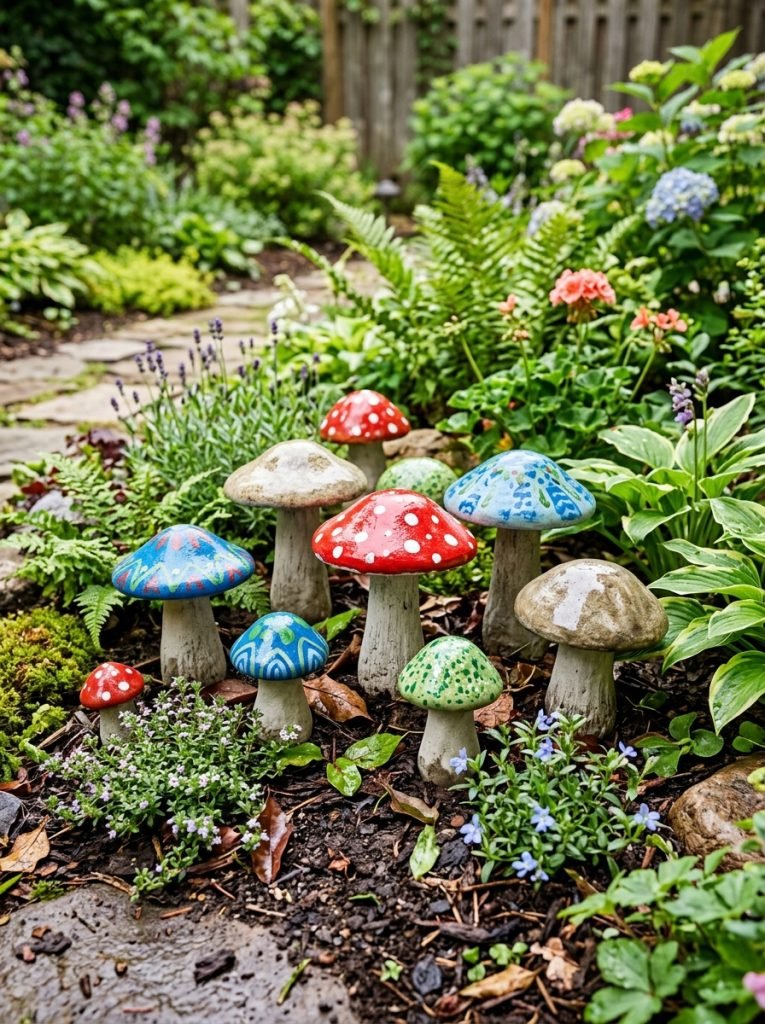
Sealing is what keeps cement mushrooms looking good for years.
Let them cure and dry fully, then give them two coats of outdoor sealer spray. Reseal every year or two.
- Lasts for years
- Protects paint
- Easy upkeep

My Pick
Outdoor Sealer Spray
A clear coat that keeps paint bright through rain and sun.
9Fairy Garden Cement Mushrooms
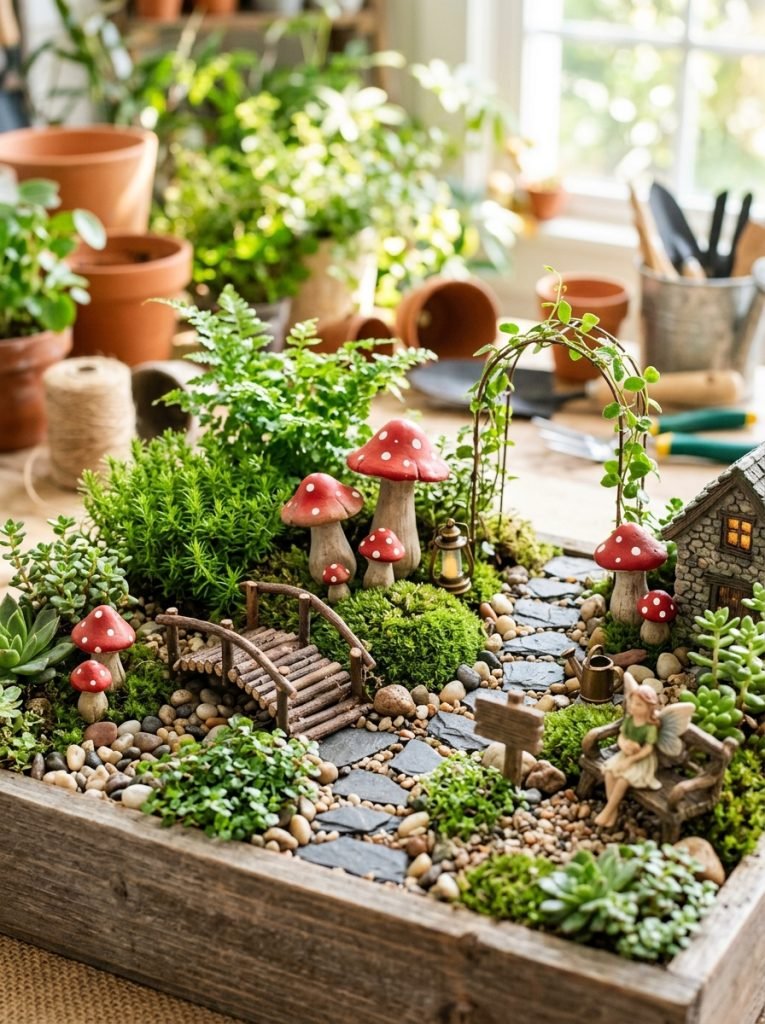
Tiny concrete mushrooms are perfect for fairy gardens and they never fade like plastic.
Paint them red and white and set them with tiny fairy accessories, moss and pebbles.
- Fairy garden size
- Weatherproof
- Kids love them

My Pick
Miniature Fairy Garden Accessories
Tiny benches and lanterns to build a fairy scene around small mushrooms.
10Cement Mushroom Garden Collection
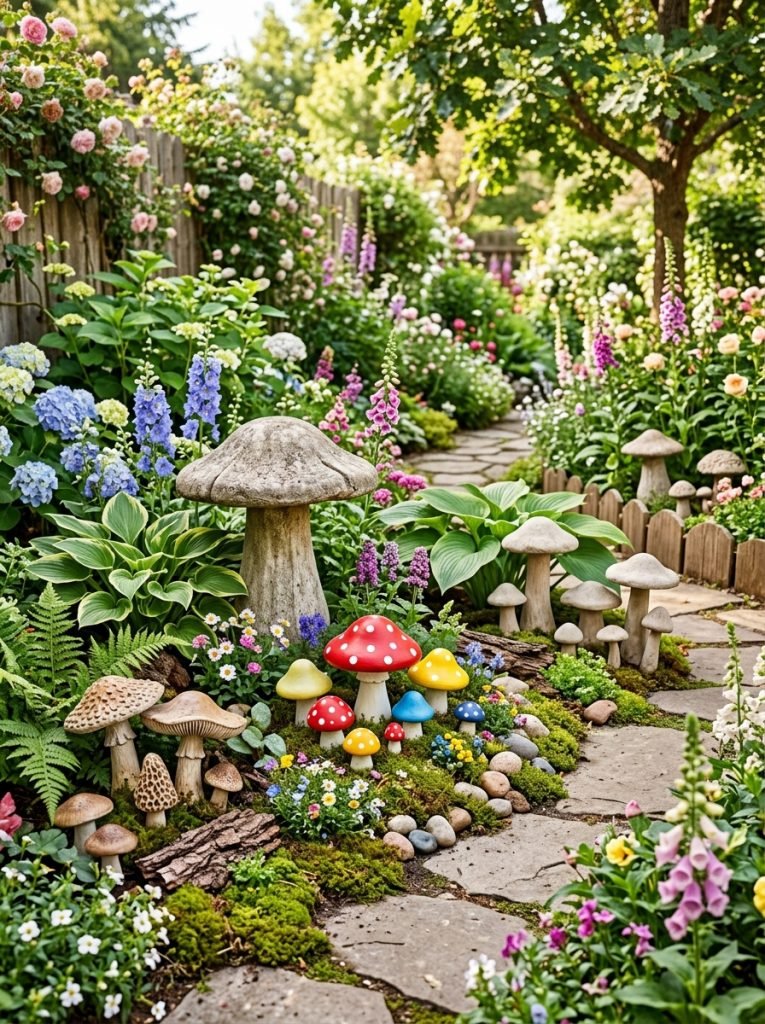
Spread mushrooms around the garden. A big natural one by the gate, a painted cluster by the path, tiny ones in a shady corner.
Every corner gets a little surprise.
- Whole garden magic
- Mix of styles
- Fun to find
Frequently Asked Questions
What is the best concrete for cement mushrooms?
A fine, smooth craft concrete or a sand topping mix. It picks up detail better than coarse gravel concrete.
How long do cement mushrooms take to cure?
Demold after 24 to 48 hours and let them cure for about a week before painting or sealing.
Can I make cement mushrooms without a mold?
Yes. Use plastic bowls for caps and cups or plastic bottles for stems, coated with cooking spray or petroleum jelly.
How do I keep painted cement mushrooms from fading?
Prime first, use outdoor acrylic paint and seal with two coats of clear outdoor sealer.
Final Thoughts on Cement Mushrooms DIY
Cement mushrooms are proof that a simple material can make a garden feel magical.
Start with one bowl and one cup this weekend. Once you see the first mushroom come out, you will want a whole cluster.


Amir Ali is the founder and site administrator of HomeDecorEdge, a modern home decor and interior design platform. Since starting the site, he has combined his passion for interior design, practical styling, and color coordination with hands-on content strategy and site management. He guides authors, curates high-quality articles, and ensures readers have access to actionable, visually inspiring, and user-focused home decor advice for apartments, small rooms, and family homes.