

I have made more crochet blankets than I can honestly keep track of at this point, and every time I think I have settled on a favorite stitch, I come across another pattern that makes me want to start a new one immediately. Blankets are honestly one of the most satisfying crochet projects since the payoff is so visible, a pile of yarn slowly turns into something you can actually wrap yourself in on the couch. Some of the patterns here are quick weekend projects using chunky yarn, others are slower, more detailed stitch work that takes a few weeks of evening progress. I tried to gather a real range of styles, from classic stitch patterns to seasonal designs and a few that are perfect for using up leftover yarn. Here are twenty crochet blanket ideas that cover pretty much every style and skill level.
1. Classic Moss Stitch Blanket
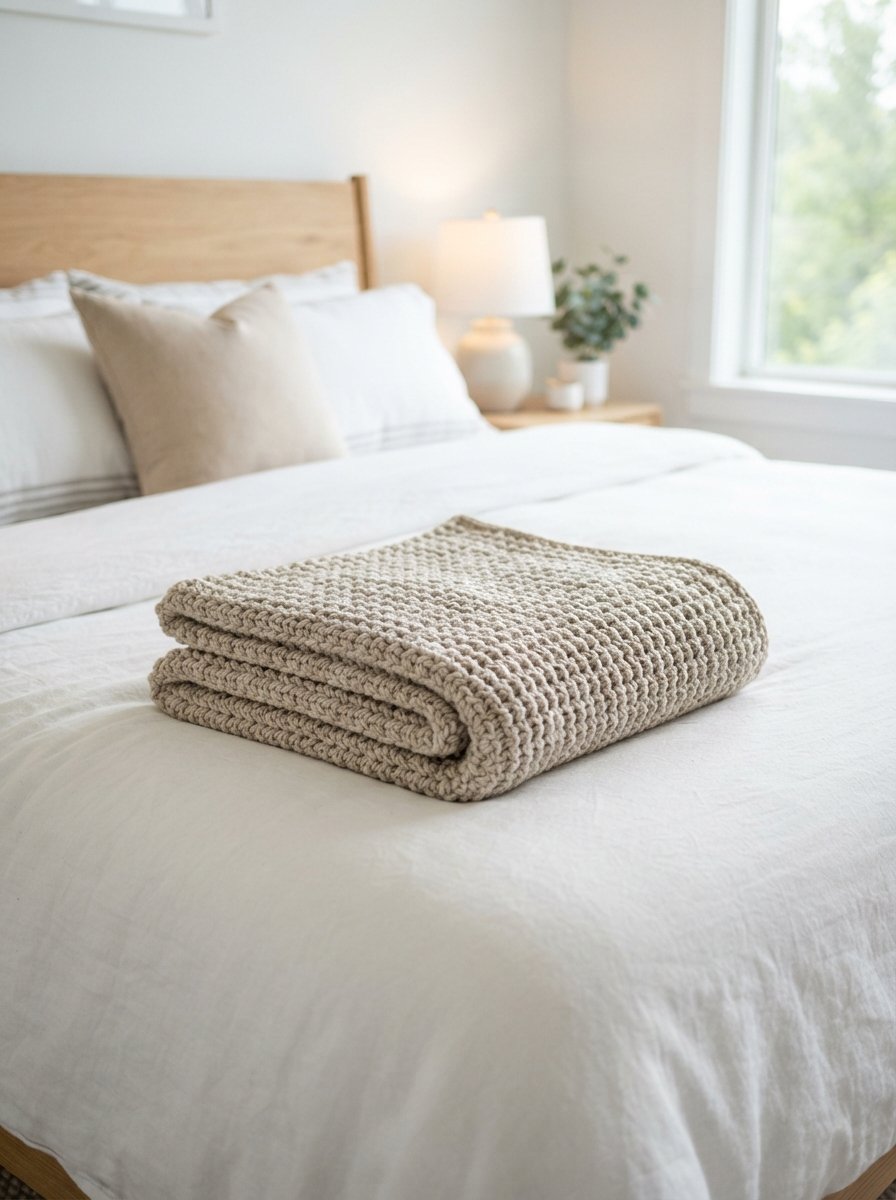
The moss stitch, sometimes called the linen stitch, creates a dense, textured fabric that genuinely feels more substantial than a basic single crochet blanket of the same yarn weight. I like this stitch for beginners moving past their first project since the repeat is simple but the finished texture looks far more advanced than it actually is. A tip I picked up is blocking the finished blanket lightly, moss stitch can curl slightly at the edges until it has been steamed or wet blocked flat.
2. Waffle Stitch Textured Throw
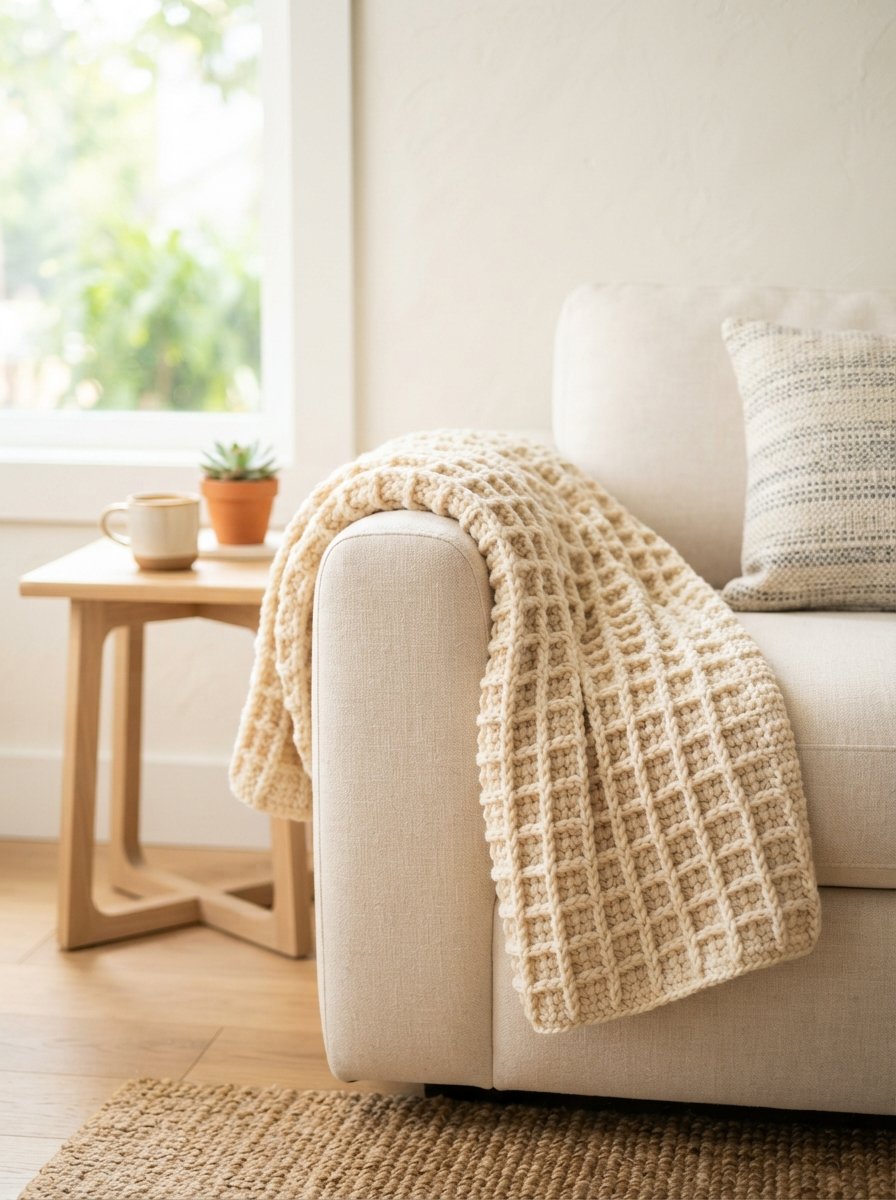
The waffle stitch builds a raised grid texture using front and back post stitches, giving the finished blanket a deep, almost quilted look without any actual sewing involved. In my experience this stitch works up faster than it looks like it should once you get the front and back post rhythm down. A practical tip, count your rows carefully in the first few repeats, it is easy to lose track of which row needs front posts versus back posts until the pattern becomes automatic.
3. Corner to Corner Graphic Blanket
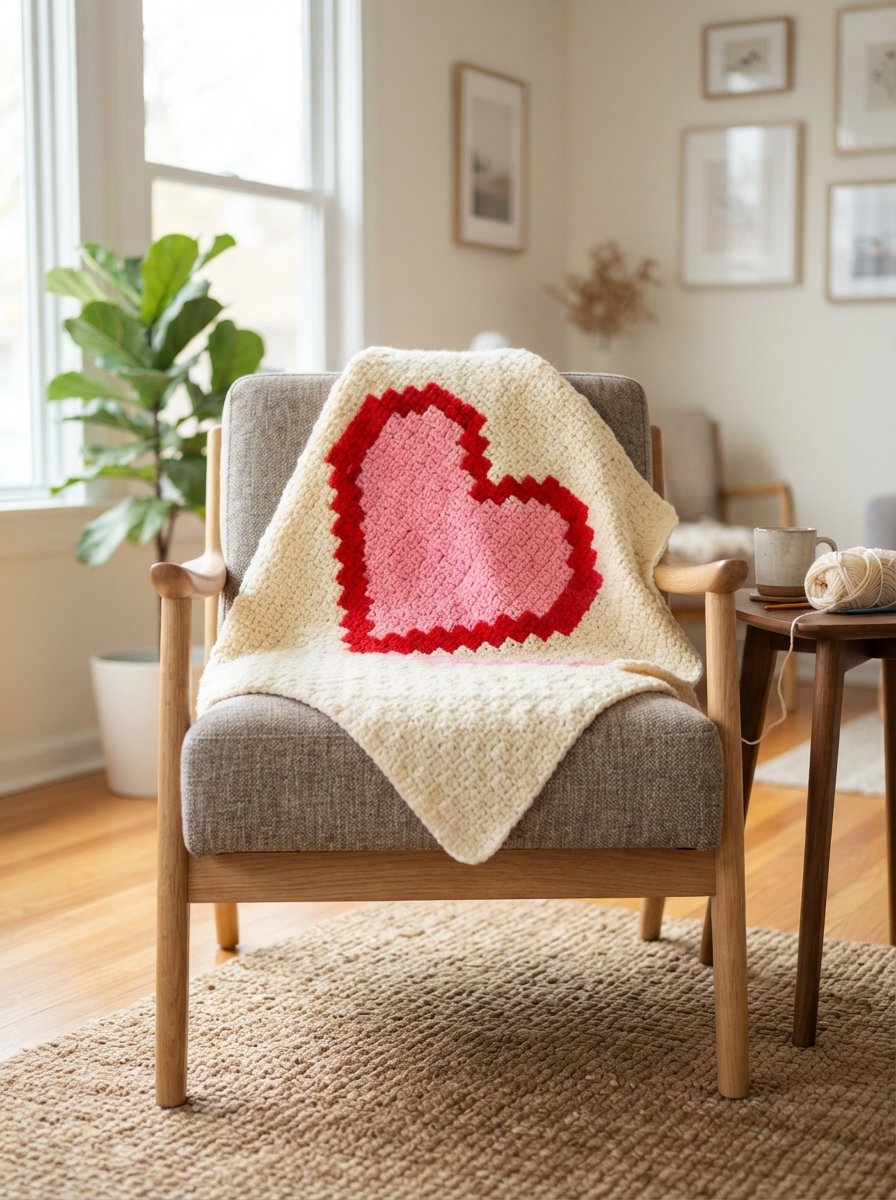
Corner to corner, usually shortened to c2c, works up in diagonal blocks that let you create pixelated images or patterns almost like cross stitch, which makes it a favorite for personalized baby blankets or simple graphic designs. Honestly this technique has a bit of a learning curve at the start since the increases and decreases feel unusual compared to standard rows. A tip here is using a c2c graph pattern rather than freehanding a design, it keeps your block count accurate from corner to corner.
4. Mosaic Crochet Geometric Blanket
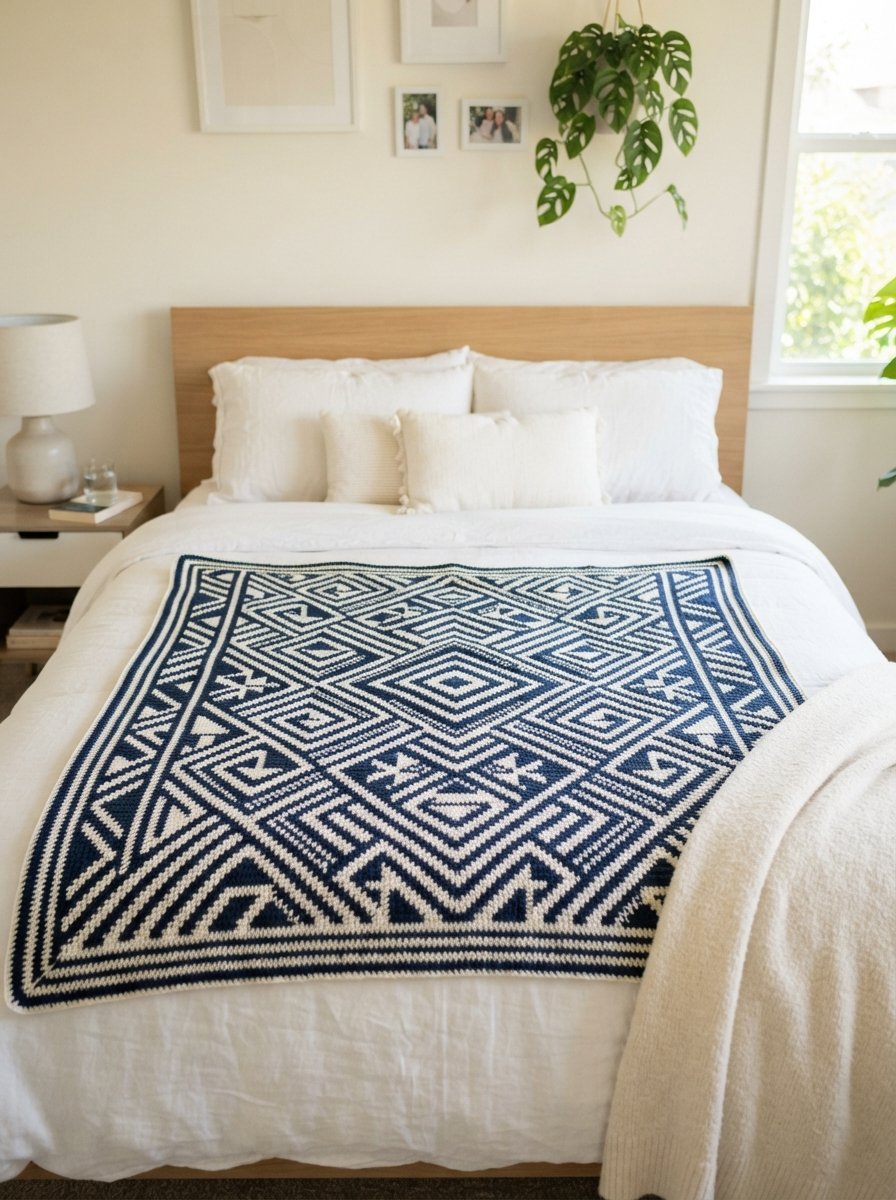
Mosaic crochet uses a clever technique of skipping stitches from a previous row to create bold color patterns using only two colors of yarn at a time, which makes it far more approachable than a full colorwork blanket. I genuinely think this is one of the most impressive looking techniques for the actual skill level required, most rows are just single crochet and chains. A tip I picked up is using a stitch marker at the start of every row until the pattern rhythm feels natural, mosaic patterns are easy to lose your place in otherwise.
5. Retro 70s Ripple Blanket
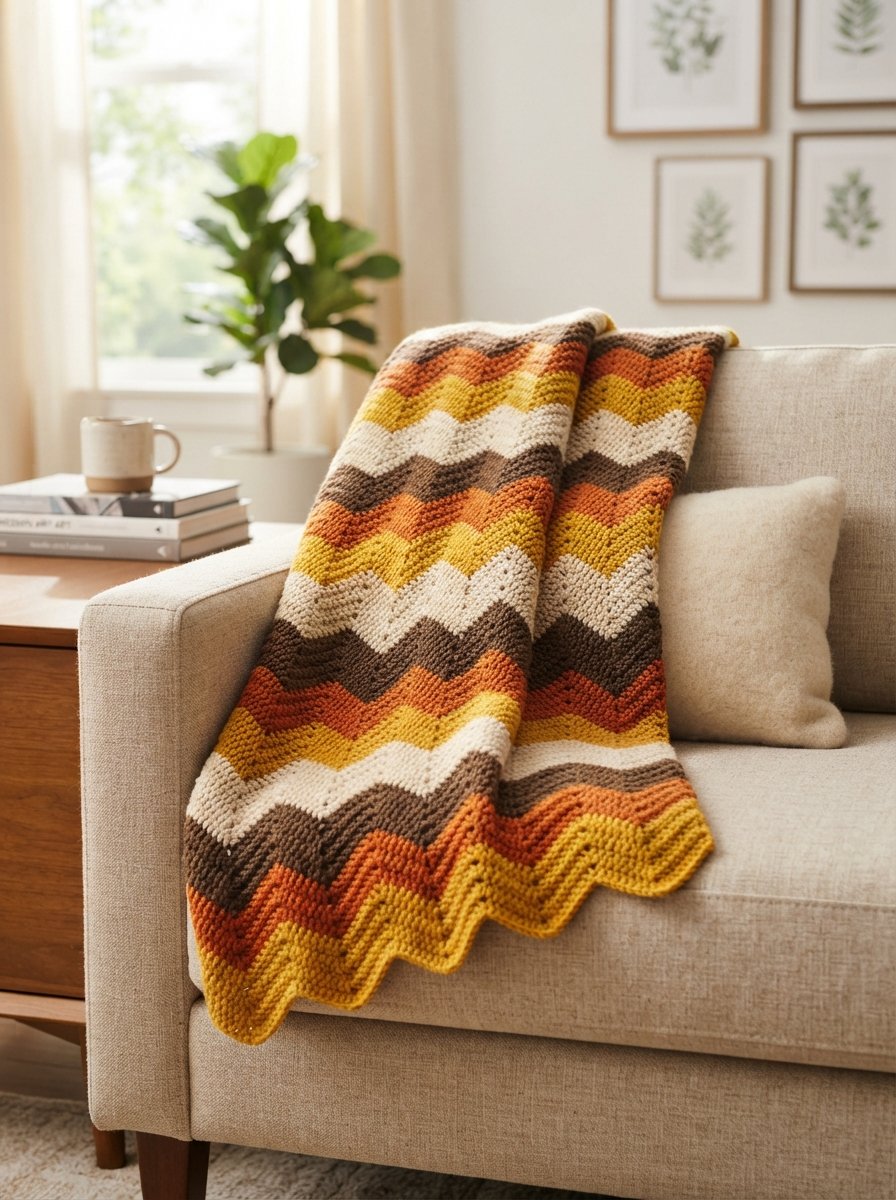
A classic ripple or chevron stitch worked in warm mustard, brown, and burnt orange stripes brings back that unmistakable seventies crochet blanket look people genuinely still request today. In my experience choosing three or four colors rather than sticking to just two gives the ripple pattern more of that vintage, scrap yarn feel. This is also a great stash buster project since ripple patterns forgive slightly uneven yarn weights better than more structured stitch patterns.
6. Modern Minimalist Solid Color Throw
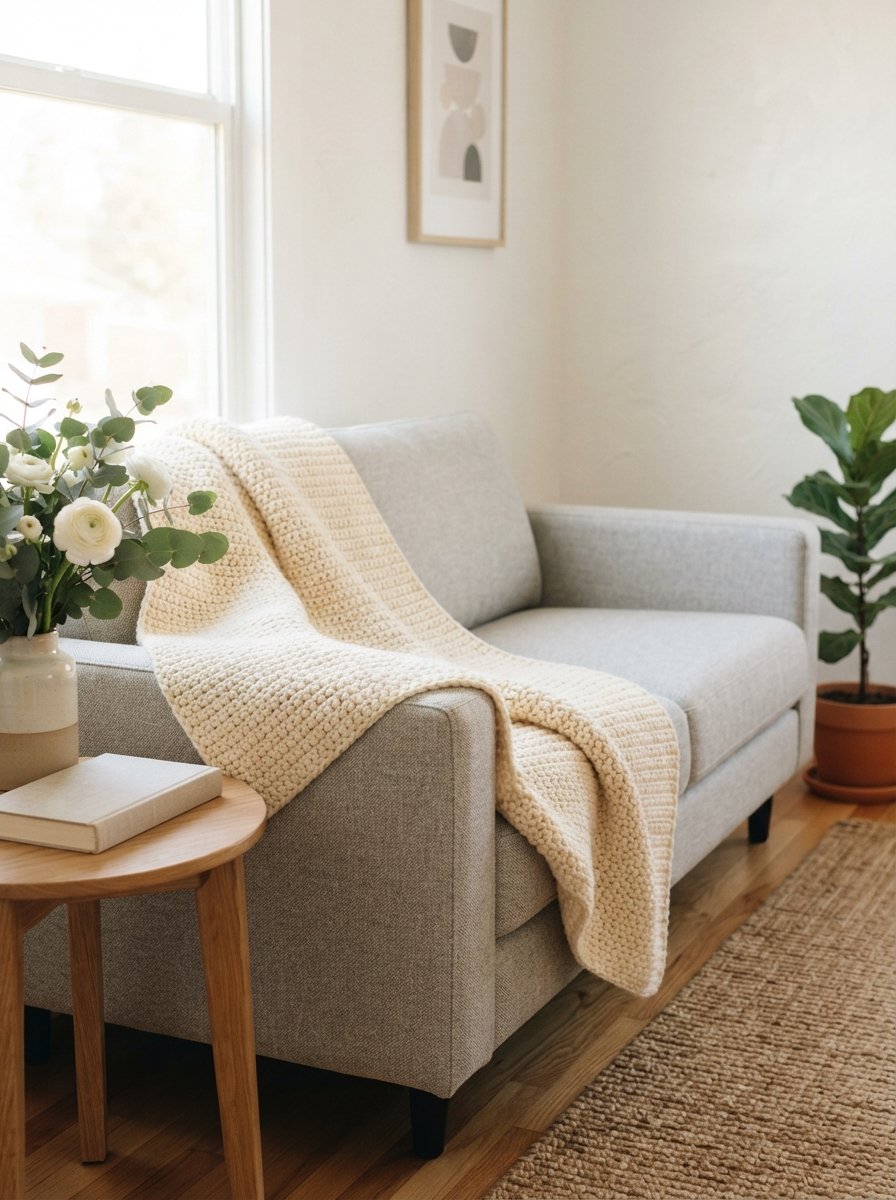
Keeping a blanket to a single neutral color and a simple, repetitive stitch gives it a clean, modern look that fits well into a more minimalist living room than a busy multicolor pattern would. Honestly this is one of the more relaxing projects to work on precisely because there is no color changing or pattern tracking involved, just steady repetitive stitches. A tip here is choosing a stitch with some visible texture, like a shell or basketweave, so a solid color blanket still has visual interest up close.
7. Farmhouse Style Cable Stitch Blanket
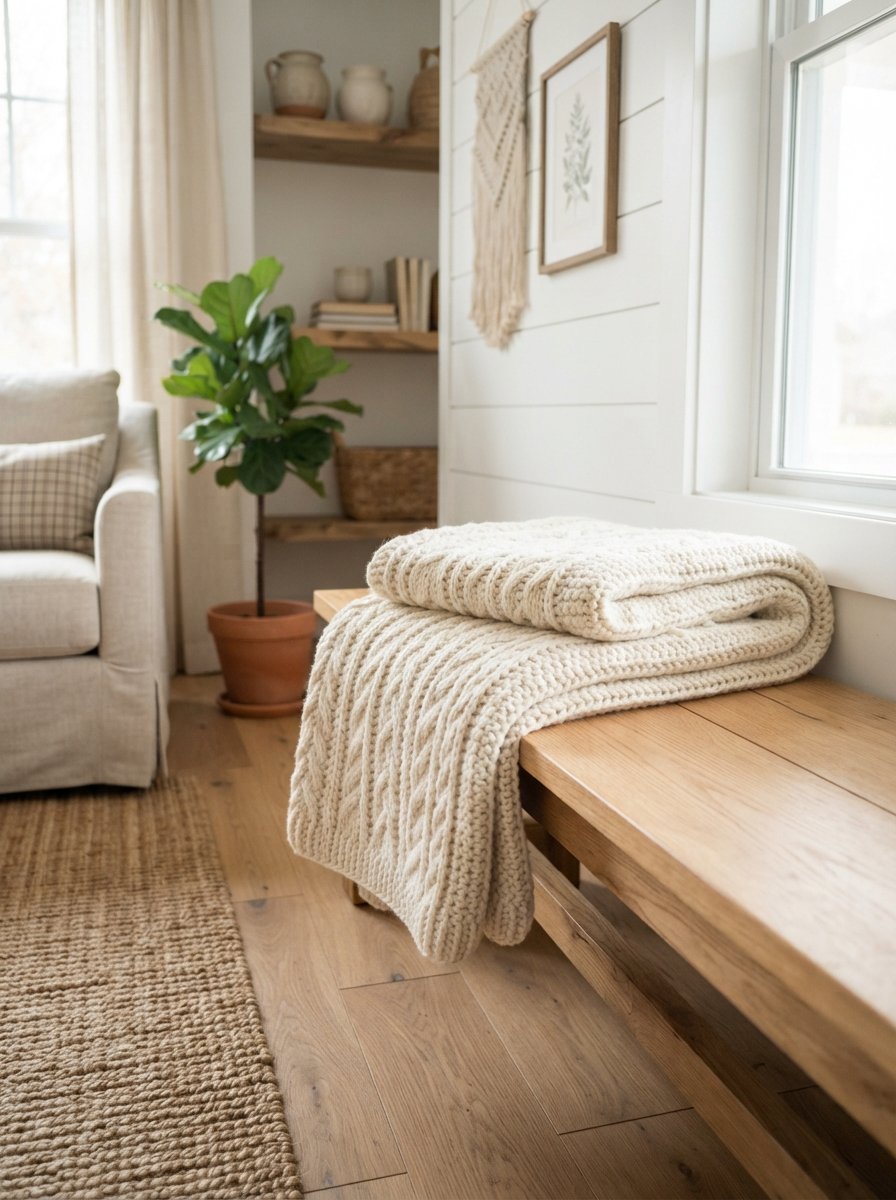
A cable stitch blanket in a soft cream or oatmeal tone brings that cozy, farmhouse look that pairs well with wood furniture and neutral decor throughout a living room. I like using a slightly heavier yarn weight for this style since the cable texture reads much more clearly in a thicker yarn than a lighter one. A tip I picked up is practicing the cable crossover technique on a small swatch first, the front post stitches involved take a bit of getting used to before attempting a full sized blanket.
8. Christmas Stripe Throw Blanket
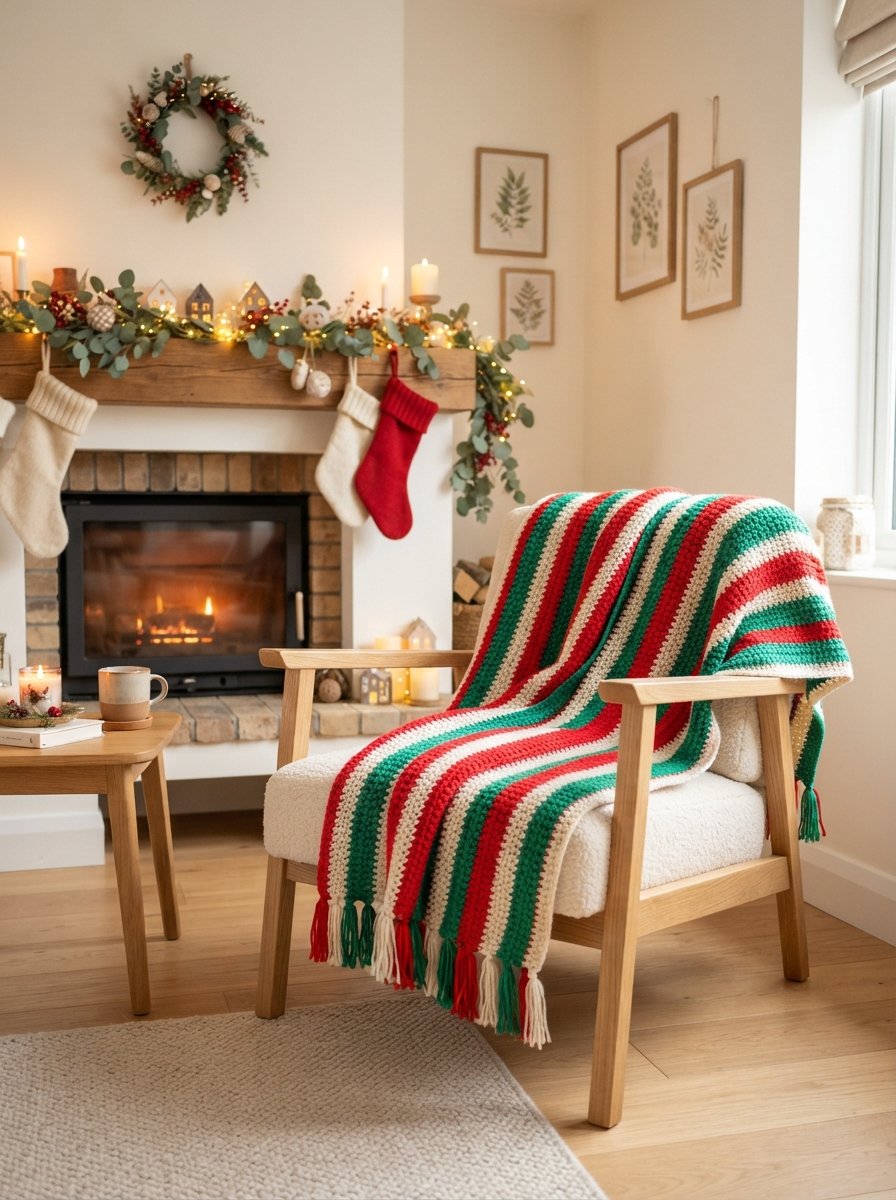
A simple striped blanket in classic red, green, and cream instantly reads as a Christmas throw without needing any complicated colorwork or pattern changes. Honestly this is a great project to start well before the holiday season since striped blankets work up quickly once you settle into a color change rhythm. A practical tip, weave in color change ends every few rows rather than saving them all for the end, it is much less overwhelming to finish a handful of ends at a time.
9. Spooky Halloween Granny Square Blanket
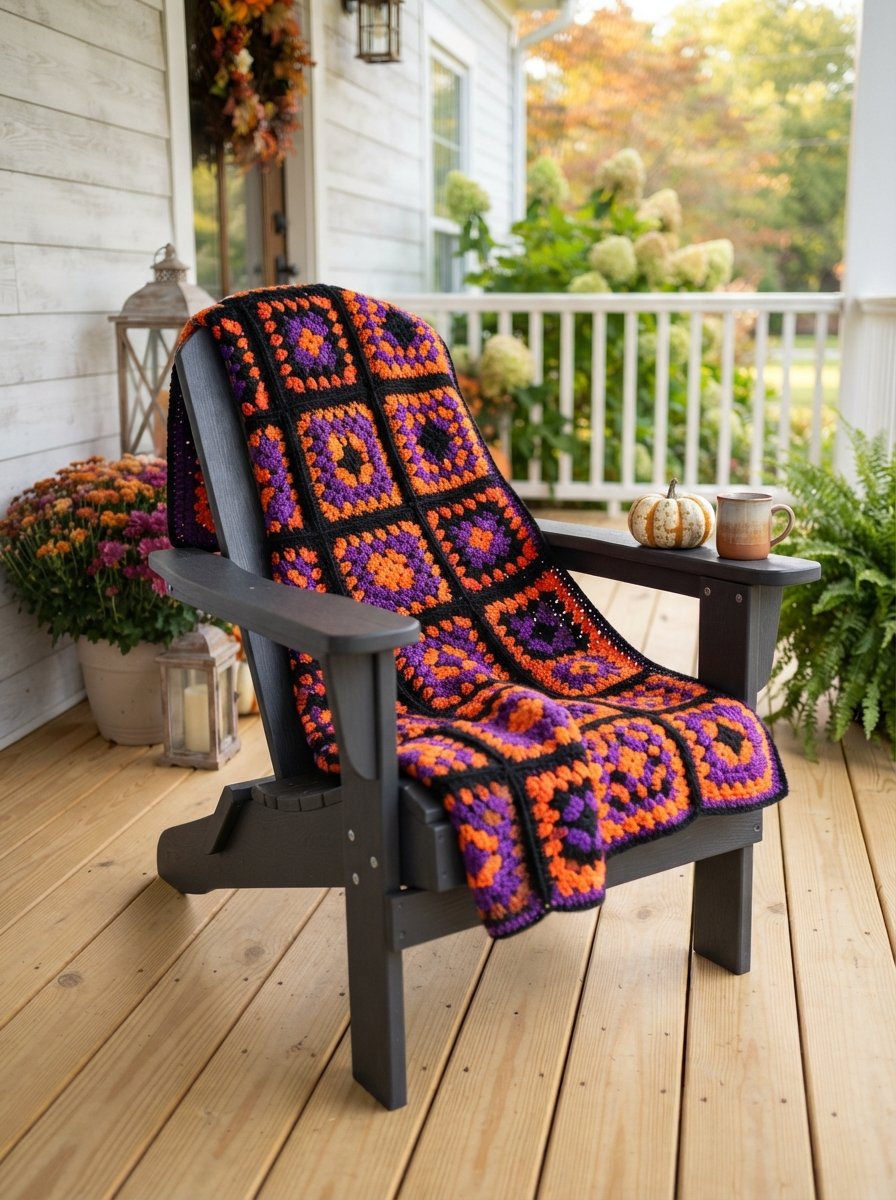
Granny squares worked in a Halloween color palette of orange, black, and deep purple make a fun seasonal throw that works especially well as a smaller lap blanket rather than a full bed size project. I genuinely think granny squares are the easiest way to approach a seasonal blanket since you can make squares in spare moments and join them all at the end. A tip here is keeping a consistent join method across all your squares, mixing join techniques partway through can create a slightly uneven finished edge.
10. Flower Motif Applique Blanket
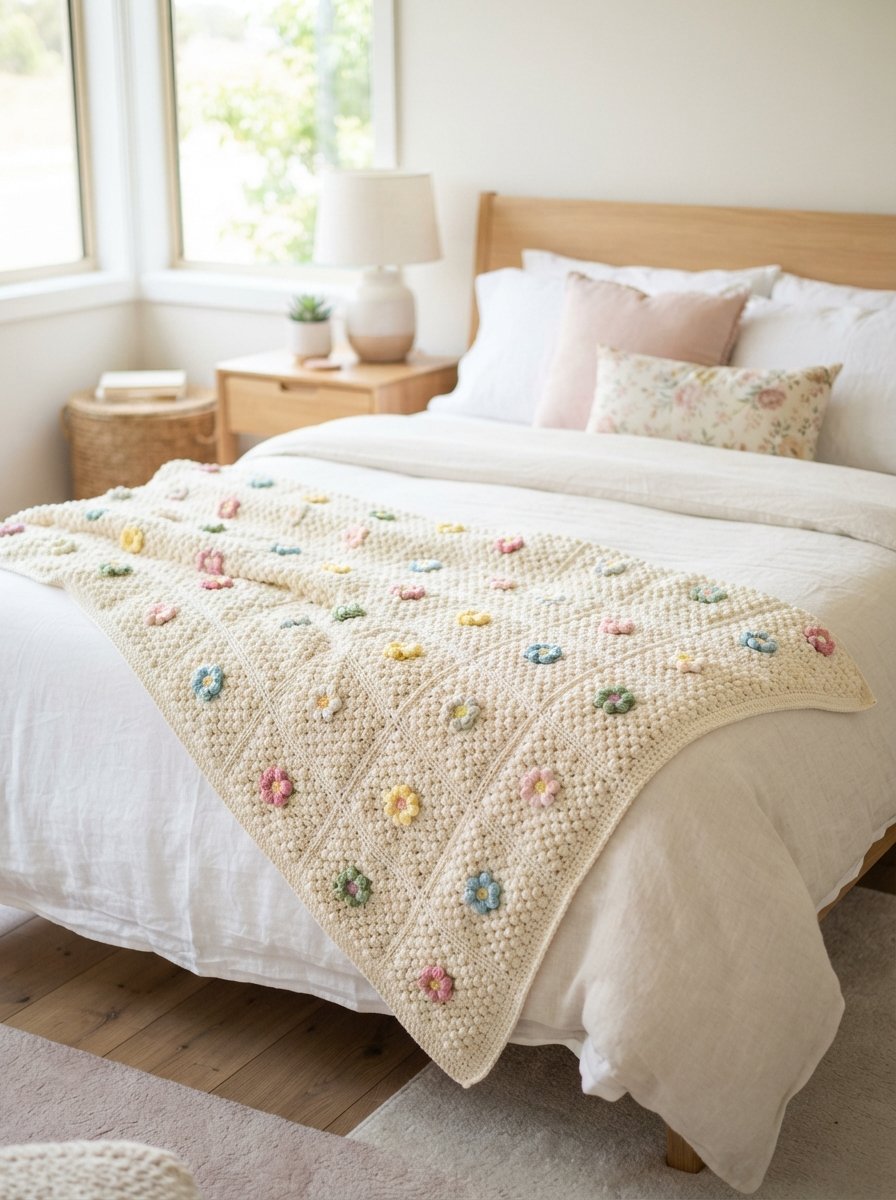
Crocheting a batch of small flower motifs separately and sewing them onto a plain blanket base is a nice way to add detail without working the flowers directly into every row of the main pattern. In my experience making a few extra flowers beyond what you think you need is smart, at least one or two always end up a bit uneven and get set aside. A tip I picked up is arranging the flowers loosely on the blanket and taking a photo before sewing anything down, it is much easier to adjust spacing from a photo than by eye alone while working directly on the fabric.
11. Star Stitch Lacy Throw
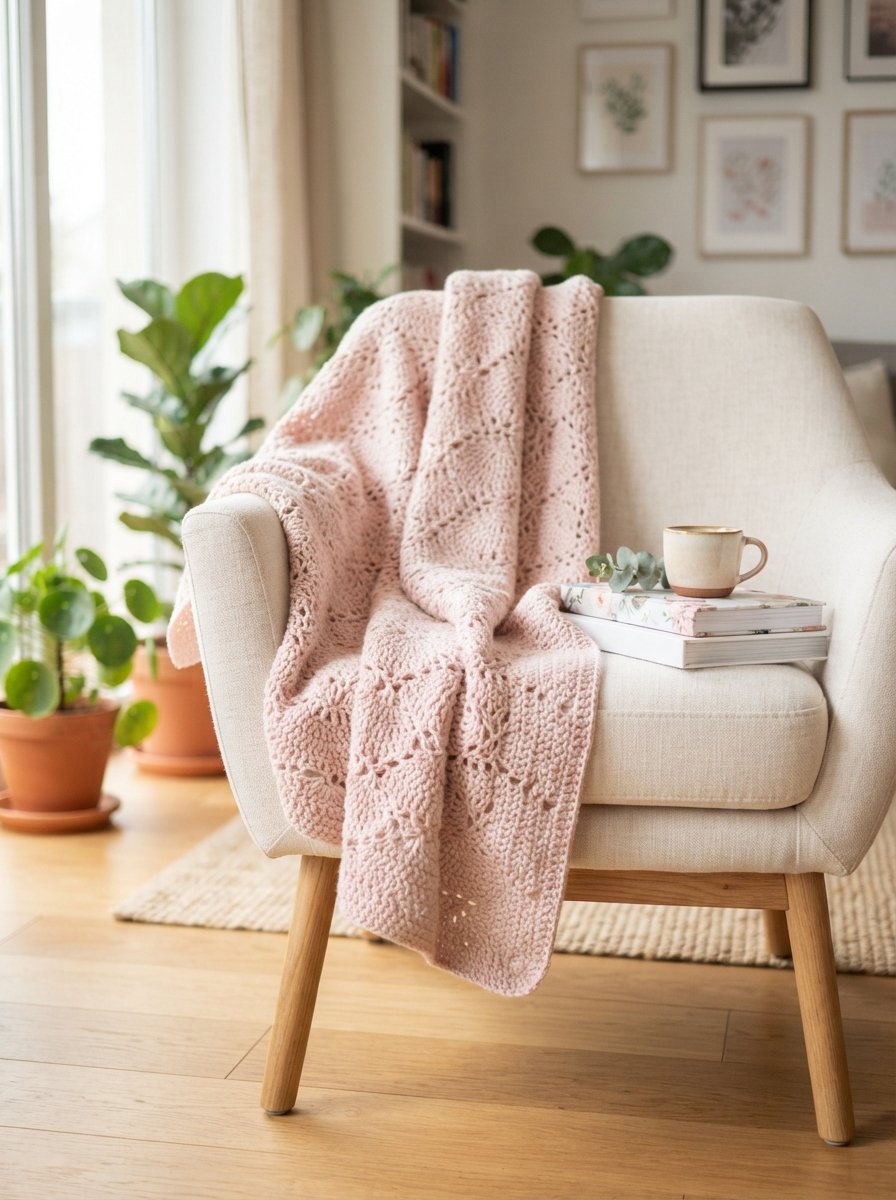
The star stitch creates a distinctive lacy, almost eyelet look that works beautifully for a lighter weight throw meant more for style than heavy warmth. Honestly this stitch takes a bit of practice to get the tension consistent, since each star shape depends on evenly pulled up loops before closing the stitch. A tip here is using a stitch marker to track your star count across each row until the pattern becomes second nature, it is easy to end a row on an incomplete star otherwise.
12. Bold Flower Bouquet Blanket
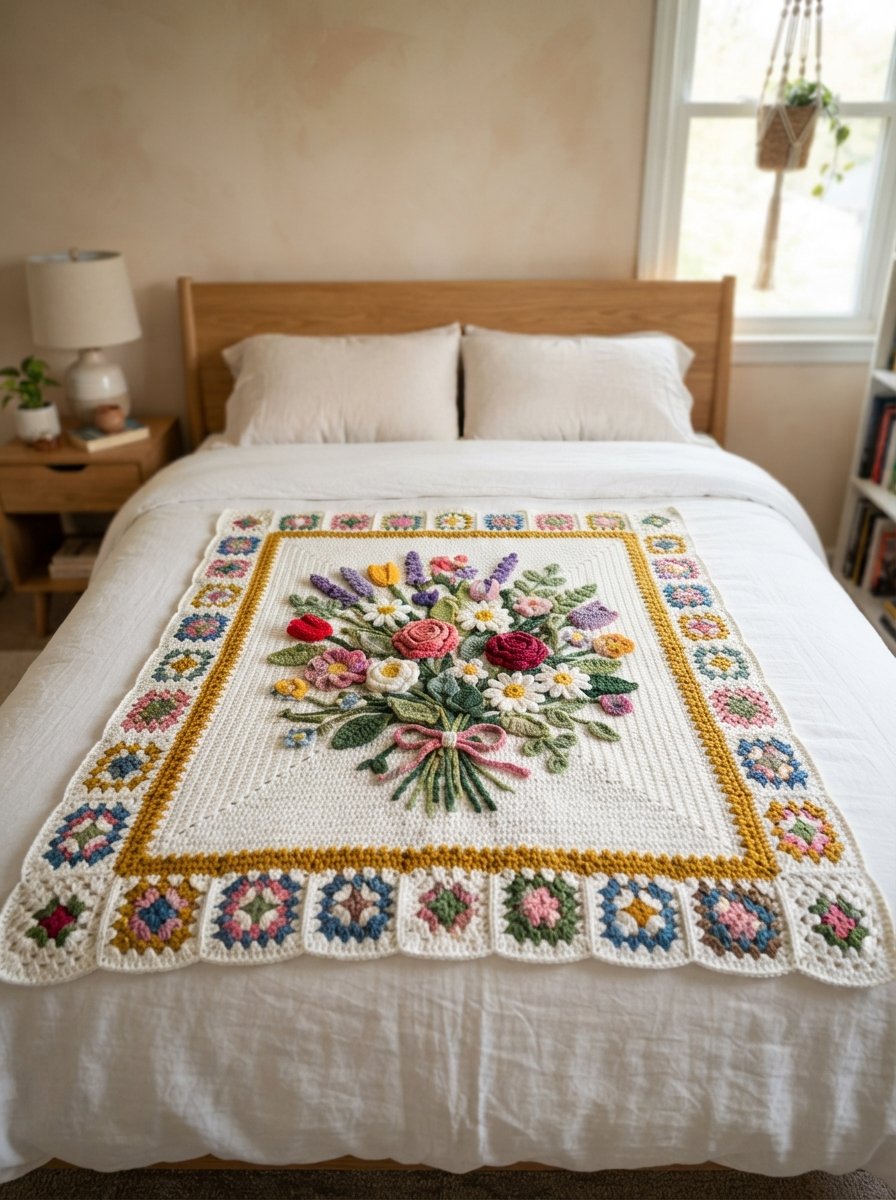
Building an entire blanket around one large central flower bouquet design turns a functional blanket into more of a statement piece, especially nice for a nursery or a bright bedroom. I like working the bouquet section first as its own panel before joining it to the surrounding solid color body of the blanket, it is easier to adjust flower placement before it is attached to a large piece of fabric. A practical tip, use a slightly firmer yarn for the flower petals so they hold their shape rather than flattening against the blanket surface over time.
13. Vintage Style Shell Stitch Blanket
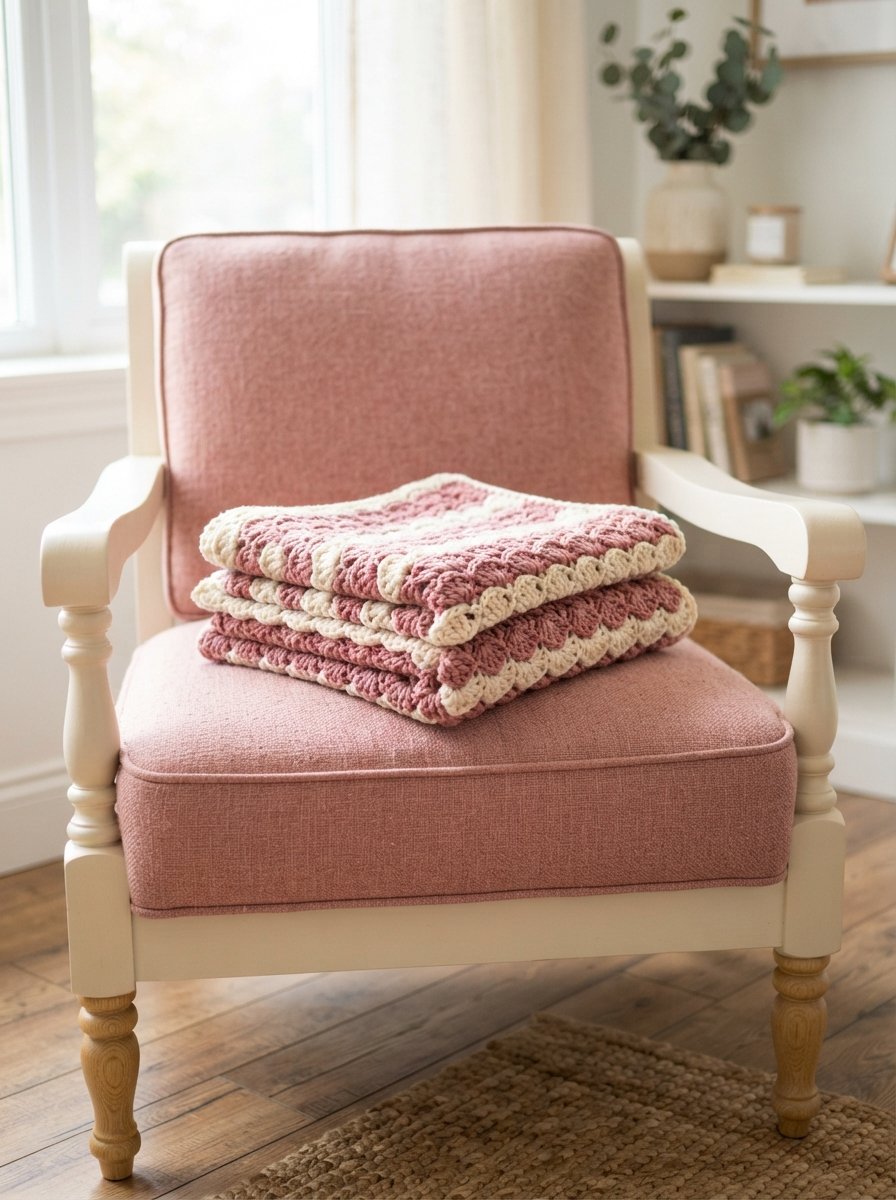
A classic shell stitch pattern in soft, muted tones like dusty rose and cream has that timeless, vintage feel that works well draped over an older style armchair or a bed with antique furniture nearby. In my experience the shell stitch is genuinely one of the most forgiving patterns for slightly inconsistent tension, the scalloped shape hides small variations better than a flat stitch would. This is a lovely pattern to pass down since it photographs beautifully and never really goes out of style.
14. Tapestry Crochet Landscape Blanket
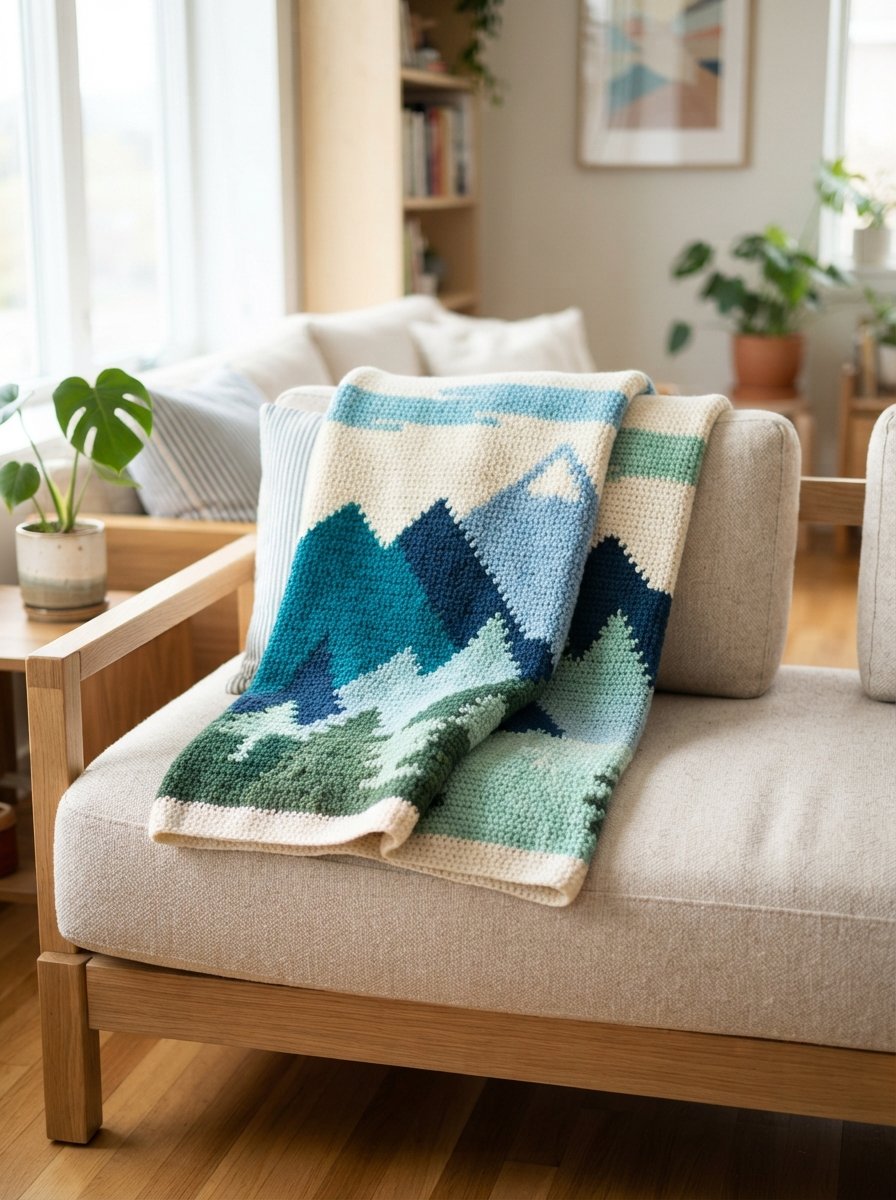
Tapestry crochet carries multiple yarn colors along each row to create detailed pictures, which makes it possible to work a simple landscape scene like mountains or trees directly into a blanket. Honestly this technique takes more patience than most other stitches on this list since managing several strands of yarn at once slows down your pace considerably. A tip I picked up is keeping your carried yarn strands loose rather than pulling them tight, tight carried yarn puckers the fabric and distorts the finished image.
15. Chunky Yarn Weekend Blanket
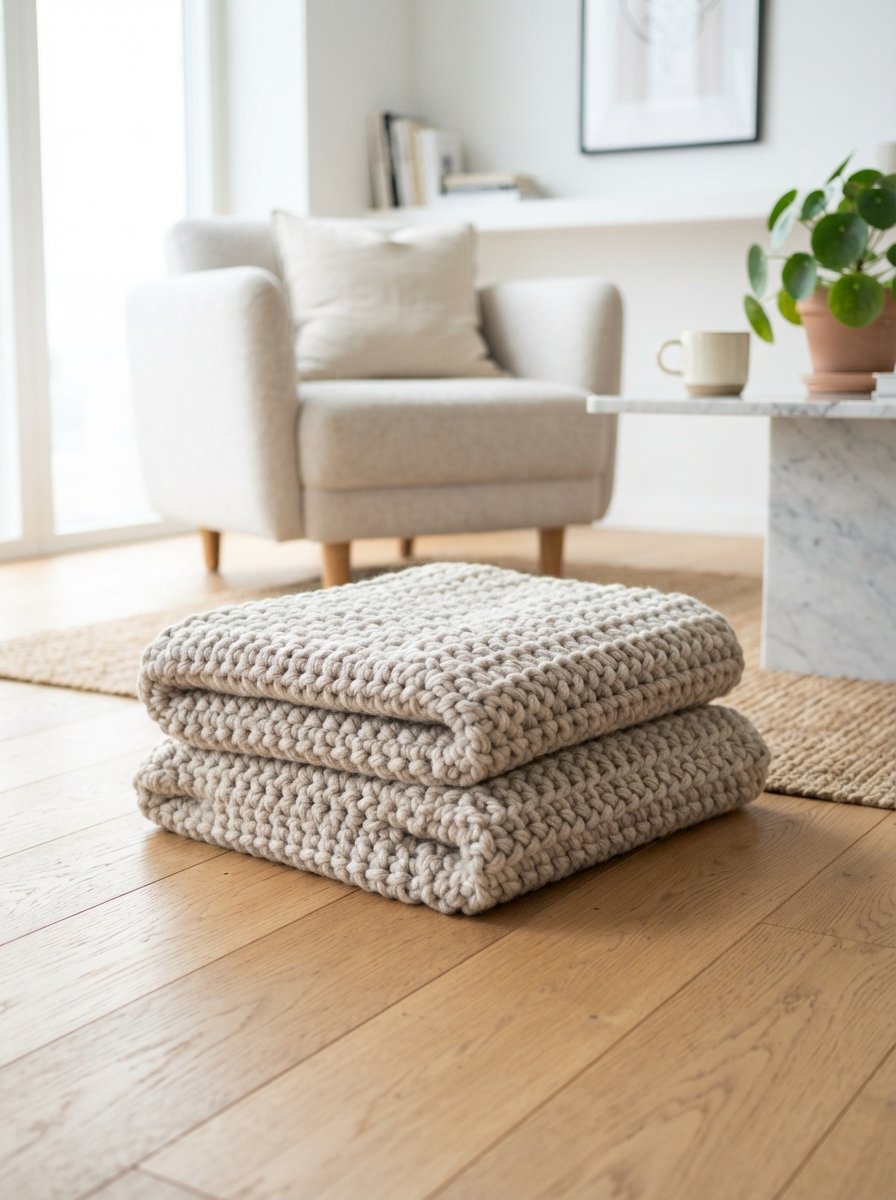
Working with a super bulky chunky yarn and a large hook lets you finish an entire blanket in a weekend, which is genuinely satisfying if you want quick results without weeks of evening work. I like this project for anyone newer to crochet since the large stitches make it much easier to see and correct mistakes compared to a fine yarn weight. A practical tip, use a hook one size larger than the yarn label suggests if you want a looser, drapier finished texture rather than something stiff.
16. Farmhouse Basketweave Pattern Blanket
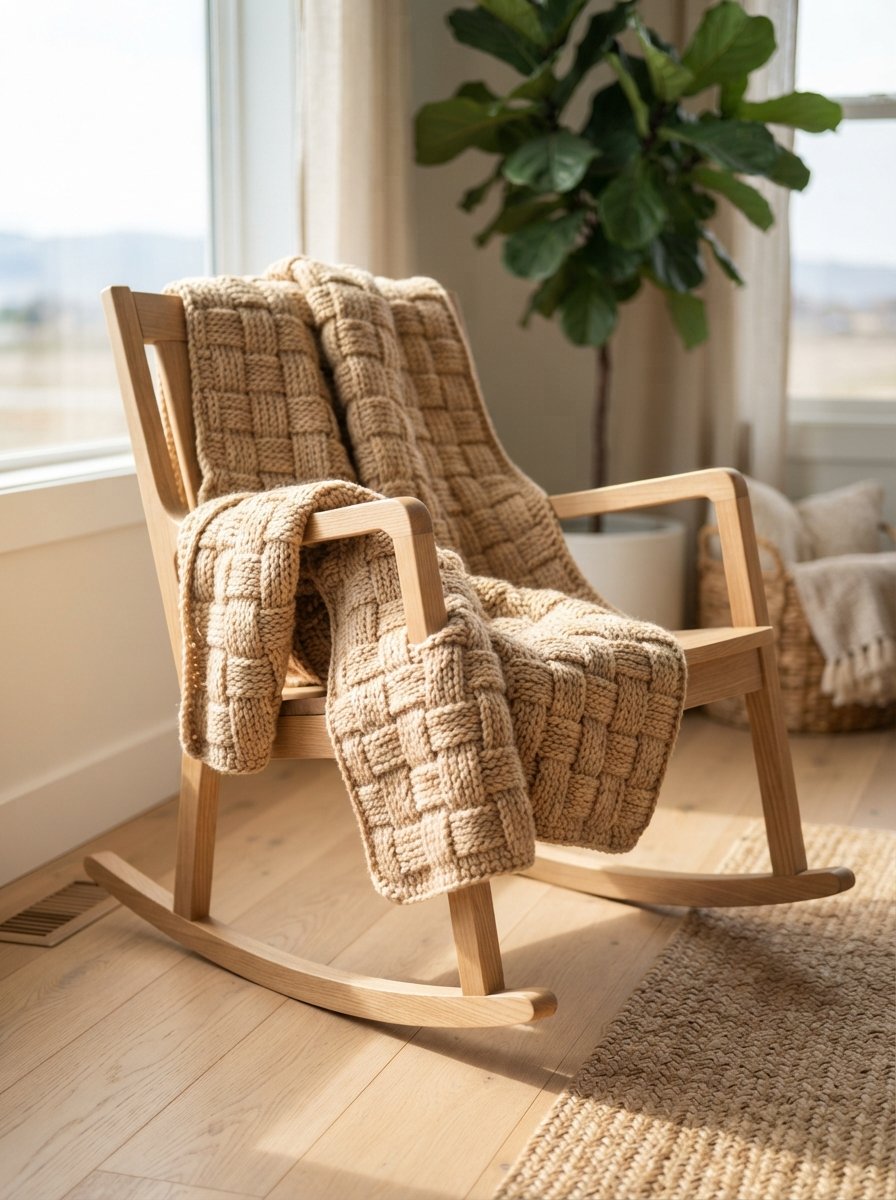
The basketweave stitch alternates blocks of front and back post stitches to create a woven texture that fits naturally into a farmhouse or rustic style room. In my experience this stitch reads best in a solid, warmer neutral tone like tan or a light brown rather than a bright color, since the woven texture is the real focal point here. A tip here is charting out your block pattern on paper first if you plan to vary the basketweave design beyond a simple repeat, it helps avoid miscounting rows partway through.
17. Scrap Yarn Stash Buster Blanket
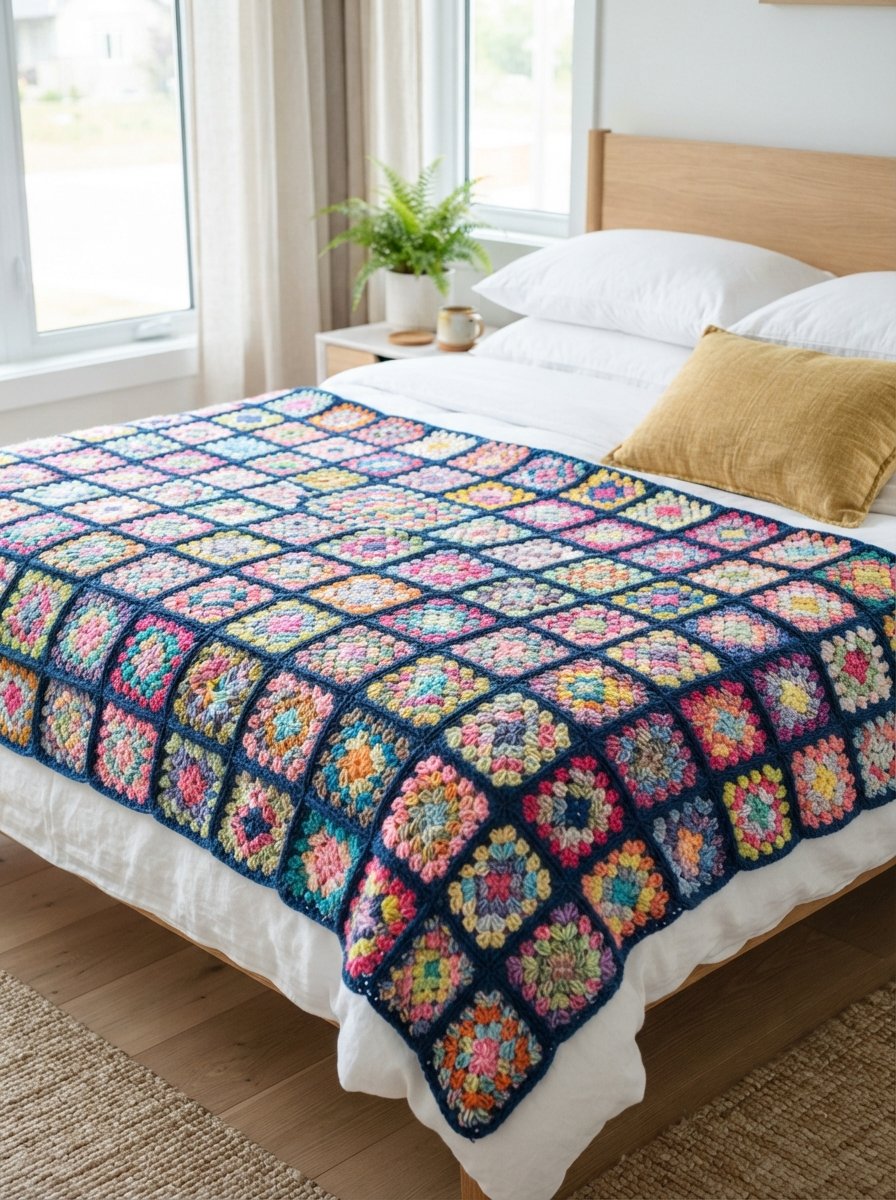
A stash buster blanket worked in whatever leftover yarn colors you have on hand is genuinely one of the most rewarding projects since it clears out scraps while creating something completely unique every time. Honestly no two stash buster blankets ever come out looking the same, which is part of the appeal if you enjoy a less planned, more improvised project. A tip I picked up is sorting your scraps loosely by weight before starting, mixing very different yarn weights in the same blanket can create an uneven, bumpy texture.
Start Your 30-Day Home Reset
Stop waiting for a "perfect" free weekend. Grab the 30-day plan and start feeling lighter in your own home by tomorrow.
View the 30-Day Plan Printable PDF · Instant download18. Border and Edging Detail Blanket
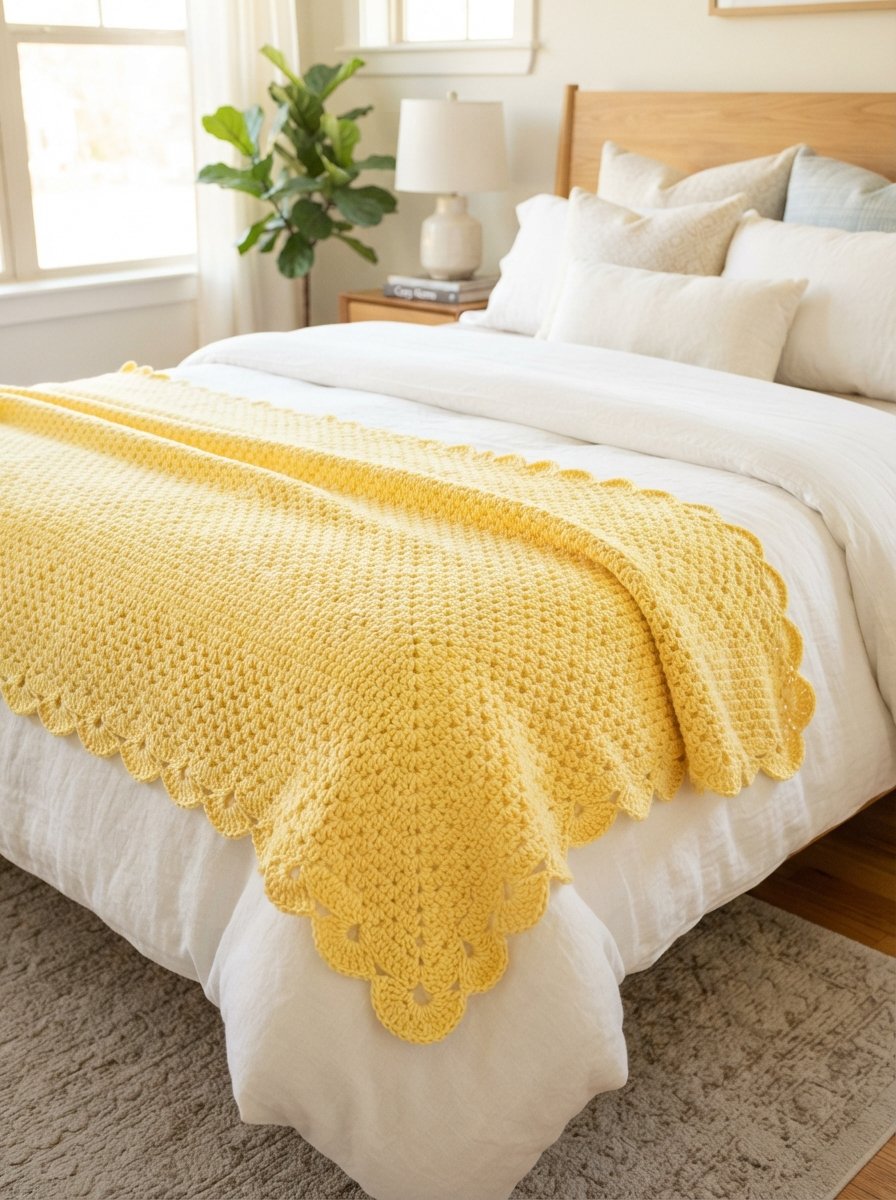
Adding a detailed scalloped or picot border to an otherwise simple solid blanket is often the single change that makes a plain project look genuinely finished and intentional. I like practicing the border pattern on a small swatch first since border stitch counts need to divide evenly around the entire perimeter of your blanket, which sometimes means adjusting your main blanket’s stitch count slightly before you even start. A tip here is blocking the blanket before adding the border, it is much easier to work an even border around a flat, properly shaped piece.
19. Tunisian Crochet Simple Stitch Blanket
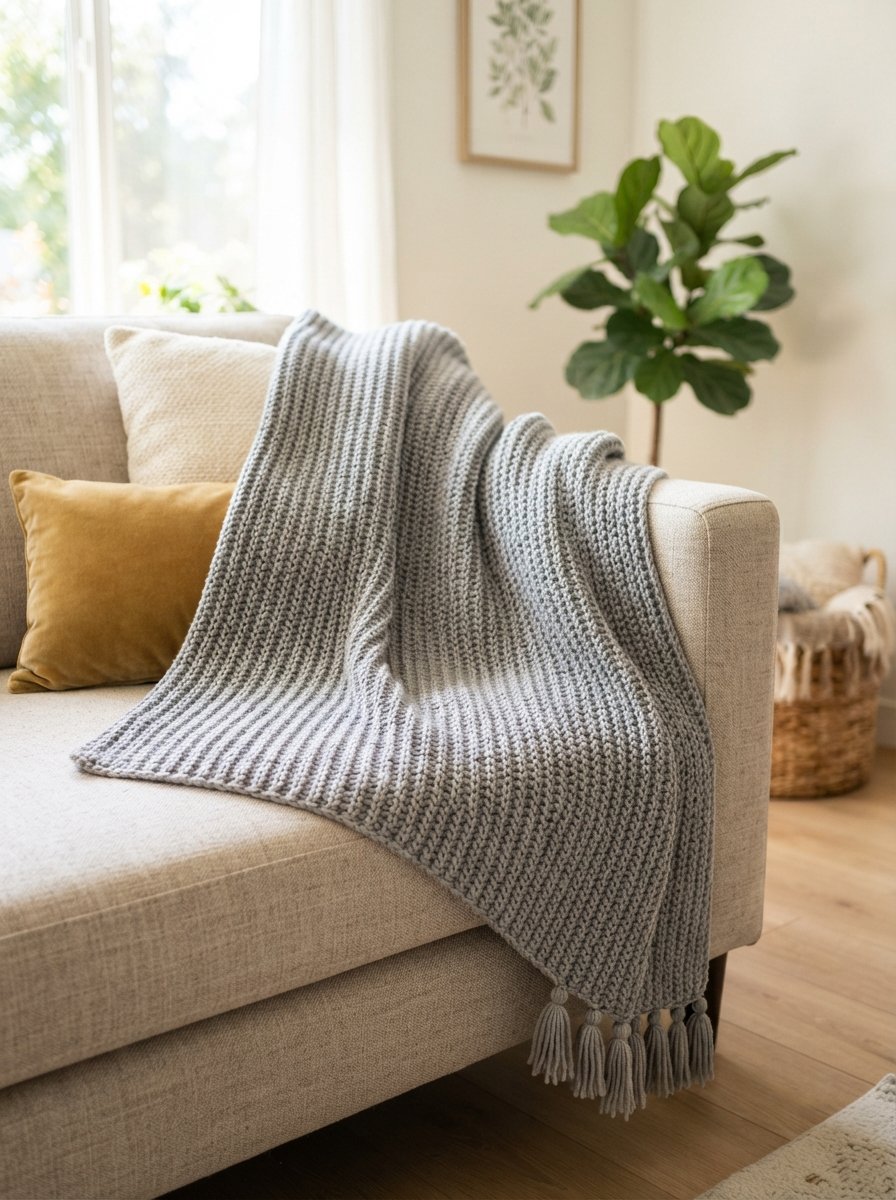
Tunisian crochet, sometimes called the afghan stitch, uses a longer hook to hold multiple loops at once and creates a dense, woven fabric that looks almost like knitting from a distance. Honestly this technique has a real learning curve at the start since you work each row in two passes rather than the single pass typical crochet uses. A practical tip, use a Tunisian hook with a cord attachment rather than a rigid one for anything larger than a small swatch, holding that many loops on a straight hook gets uncomfortable fast on a full sized blanket.
20. Two Tone Modern Panel Blanket
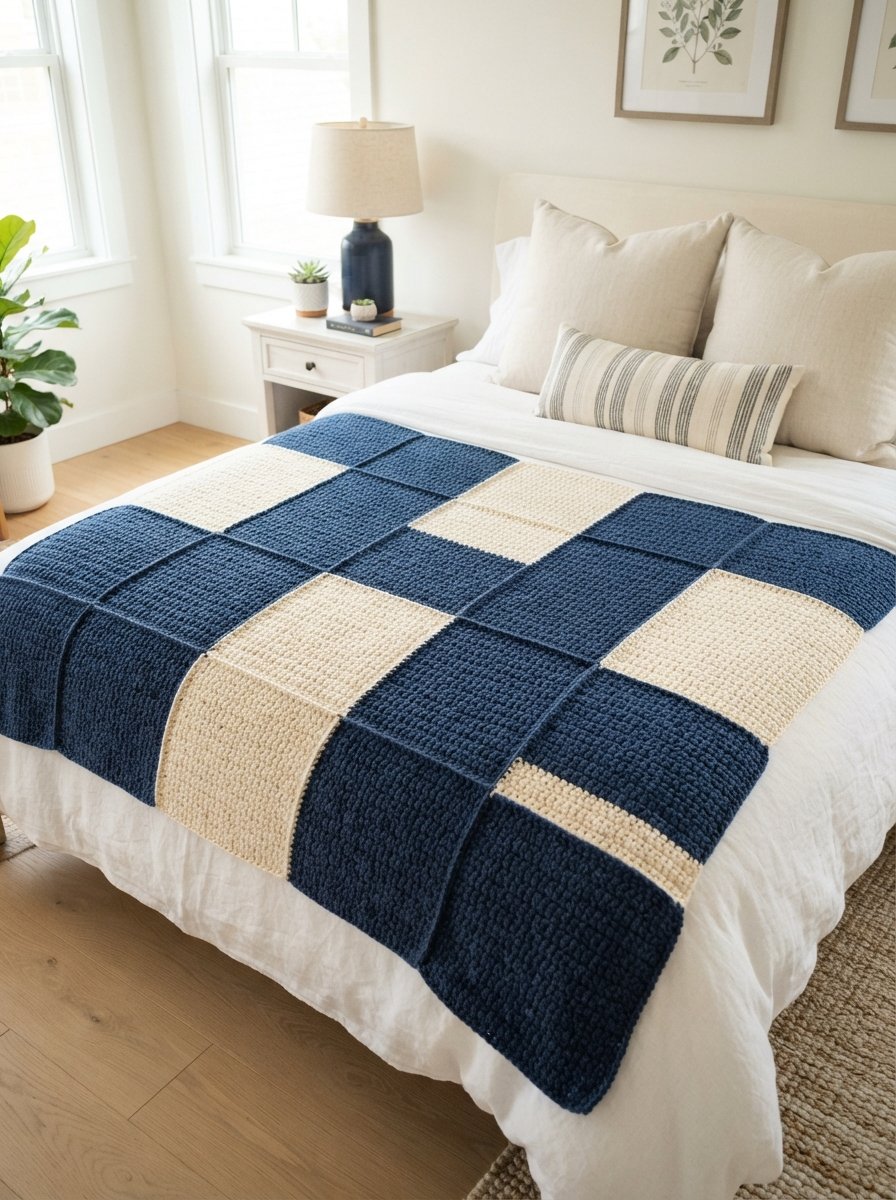
Working a blanket as a few large solid color panels sewn together afterward, rather than one continuous piece, gives you a bold, modern color block look with a lot less pattern tracking than it might seem. I genuinely like this approach for anyone who wants a modern aesthetic without committing to a complicated colorwork chart, the panels themselves can each be a simple stitch pattern. A tip I picked up is blocking each panel individually before joining them, mismatched panel sizes are much easier to fix before they are sewn together than after.
Final Thoughts on Crochet Blanket Ideas
Looking back at all twenty of these, the range really does come down to how much time and patience you want to put into a single project, from a chunky yarn blanket finished in a weekend to a tapestry crochet landscape that takes real dedication over several weeks. Beginners genuinely do well starting with moss stitch, granny squares, or a chunky yarn throw before moving toward anything involving color changes or post stitches. Whichever pattern you choose, a handmade crochet blanket ends up being one of those projects that gets used constantly long after the last stitch is tied off.


Amir Ali is the founder and site administrator of HomeDecorEdge, a modern home decor and interior design platform. Since starting the site, he has combined his passion for interior design, practical styling, and color coordination with hands-on content strategy and site management. He guides authors, curates high-quality articles, and ensures readers have access to actionable, visually inspiring, and user-focused home decor advice for apartments, small rooms, and family homes.