
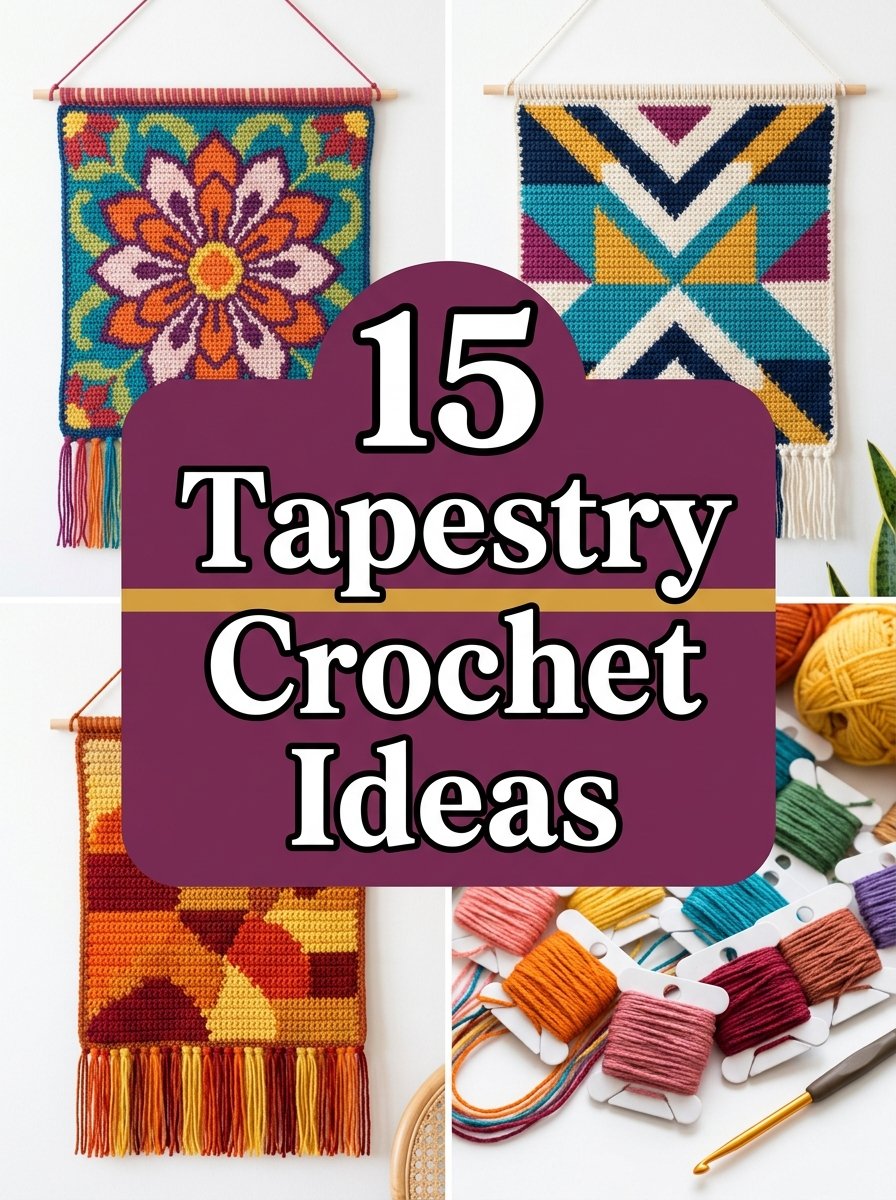
Honestly, tapestry crochet is one of those techniques that looks genuinely intimidating from the outside, since finished pieces have this crisp, almost pixel art quality that seems way beyond regular crochet, but once you actually understand the mechanics of carrying a second color along the back of your work, it’s really just single crochet with an extra step. I picked this technique up specifically because I wanted to make pieces with actual images and patterns rather than just solid color blocks, and the learning curve turned out to be far gentler than I expected going in. This list covers 15 tapestry crochet ideas ranging from a genuinely simple two color square to more detailed seasonal and flower designs, along with some honest technique notes about what actually makes the color changes look clean instead of messy.
This post contains affiliate links. If you purchase through these links I may earn a small commission at no extra cost to you.
1. Start with a Coordinated Two Color Yarn Set
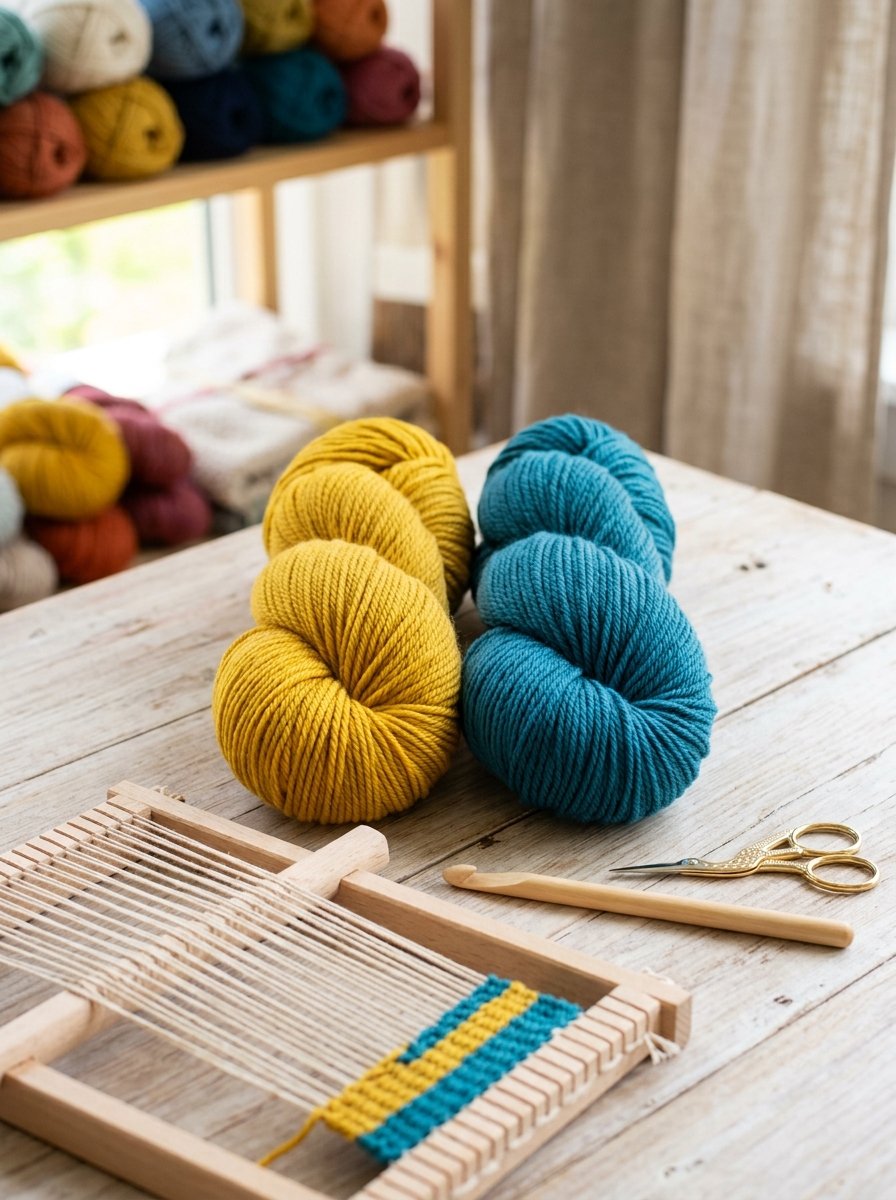
Honestly, tapestry crochet genuinely lives or dies on contrast, since the whole technique relies on one color reading clearly as the background and the other reading clearly as the pattern sitting on top of it. I’d genuinely recommend starting with a high contrast pairing, like a dark navy against a bright white, rather than two similar mid tones, since it’s much easier to see your own mistakes and fix them early when the colors aren’t fighting for attention against each other.

2. Choose the Right Hook for Even Tension
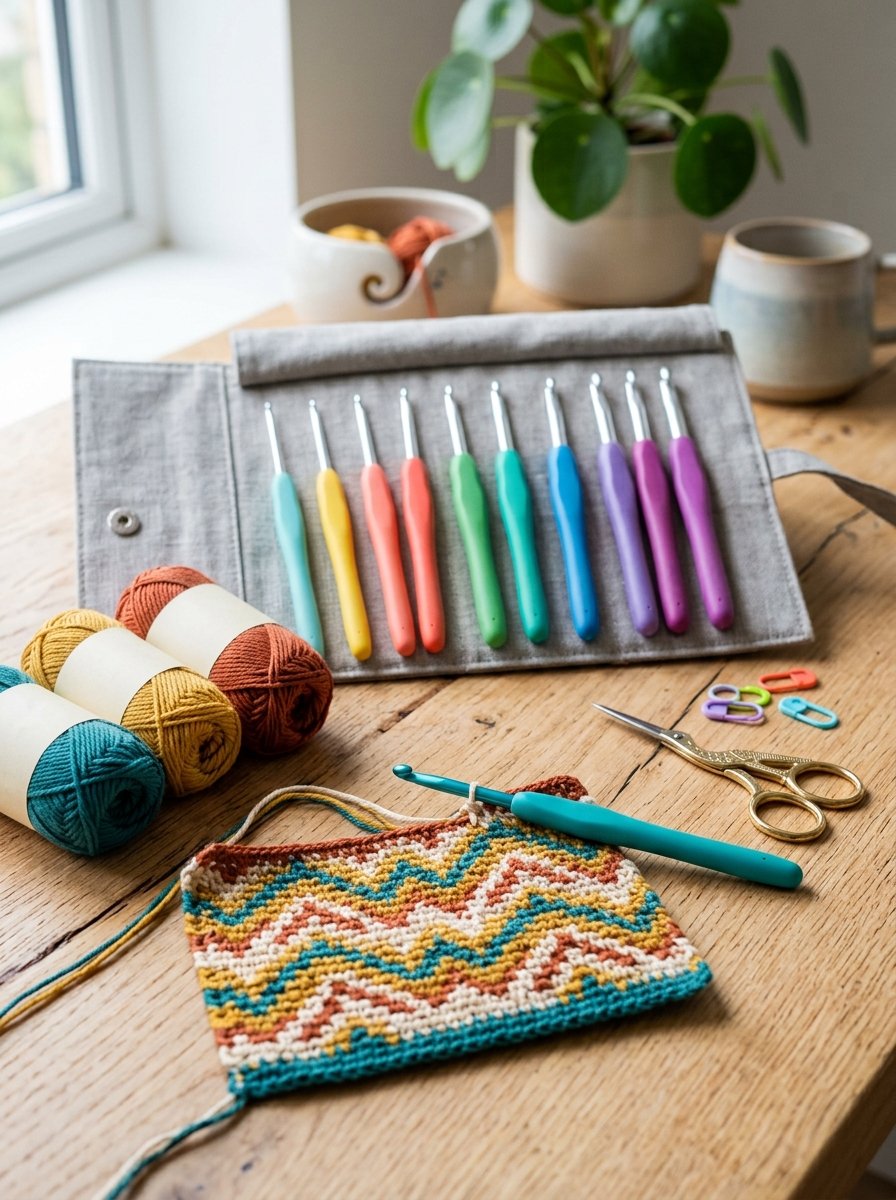
Genuinely, tapestry crochet tends to pull tighter than regular single crochet because you’re carrying an extra strand of yarn along every stitch, so a lot of people find they need to size up their hook slightly from what they’d normally use with the same yarn weight. This hook set gives you the range to experiment with sizing until you find the spot where your fabric lies flat rather than curling or puckering from tension that’s too tight.

3. Learn to Read a Tapestry Chart
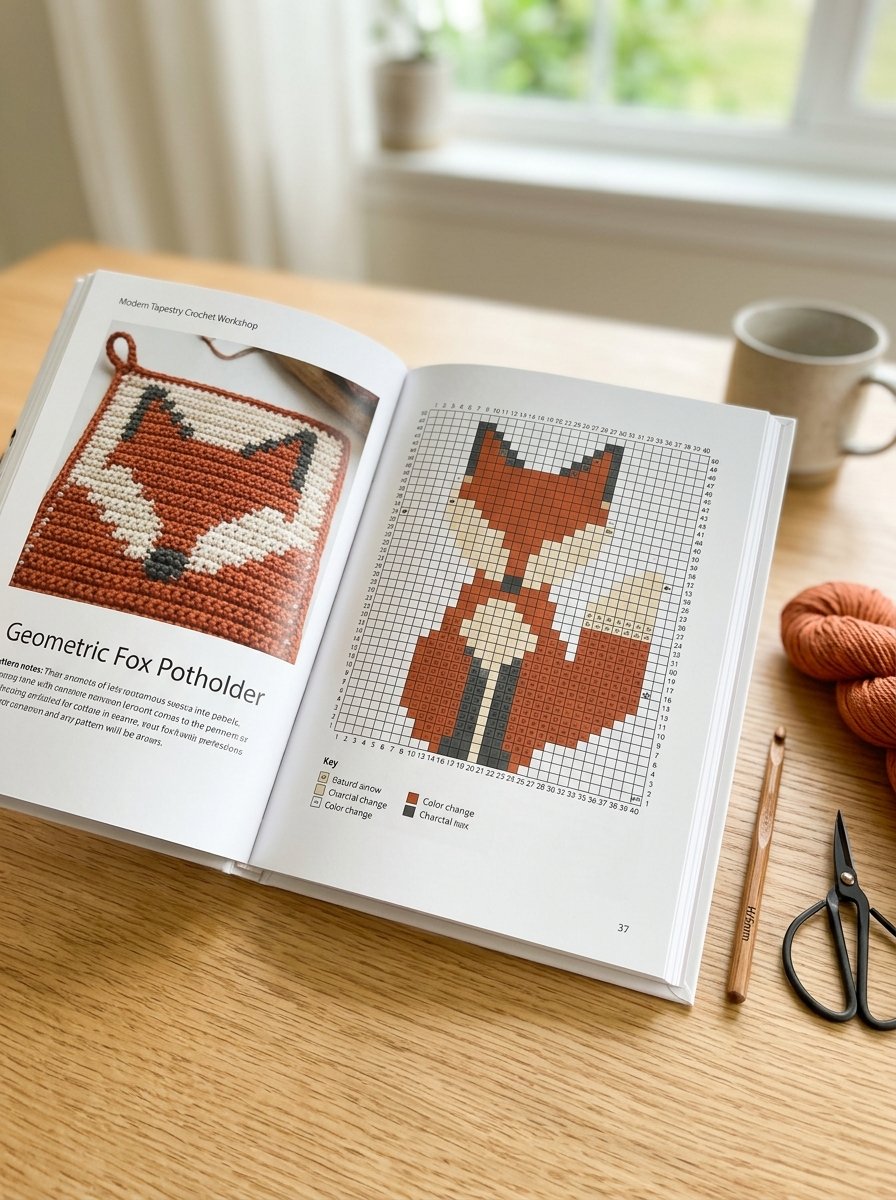
Honestly, tapestry crochet charts genuinely read exactly like cross stitch or knitting colorwork charts, a grid where each square represents one stitch and the color of that square tells you which yarn color to use, which makes the skill transferable if you’ve done any other colorwork craft before. A dedicated pattern book gives you a genuinely wide range of tested designs to work through, which honestly takes a lot of the guesswork out of whether a pattern will actually translate well into stitches once you’re partway through it.

4. Manage Yarn Strands with Bobbins
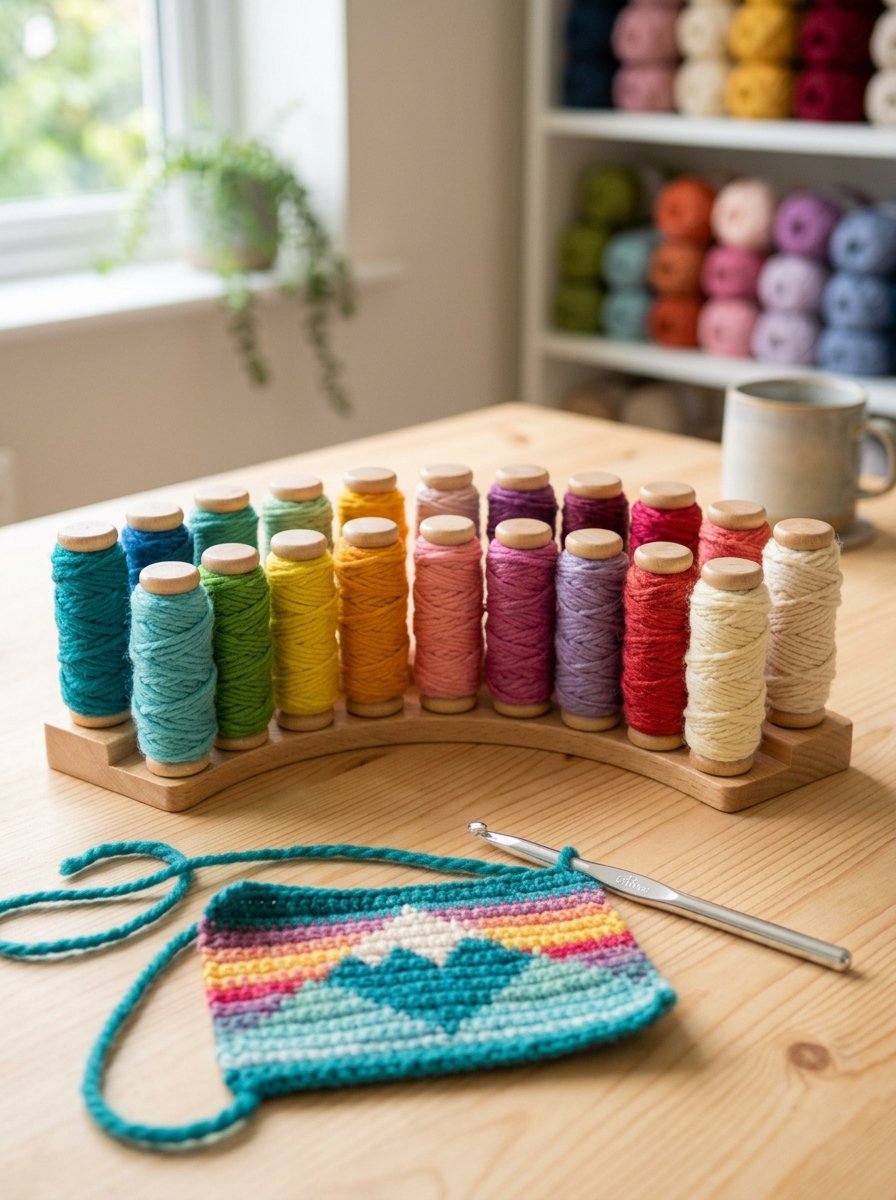
Genuinely, once you move beyond simple two color designs into anything with three or more colors, working directly from full sized skeins turns into a genuinely tangled mess within about ten minutes. Bobbins let you wind off small manageable amounts of each color, which honestly makes a real difference in how much you’re fighting your yarn versus actually focusing on your stitch pattern.

5. Practice a Genuinely Simple First Pattern
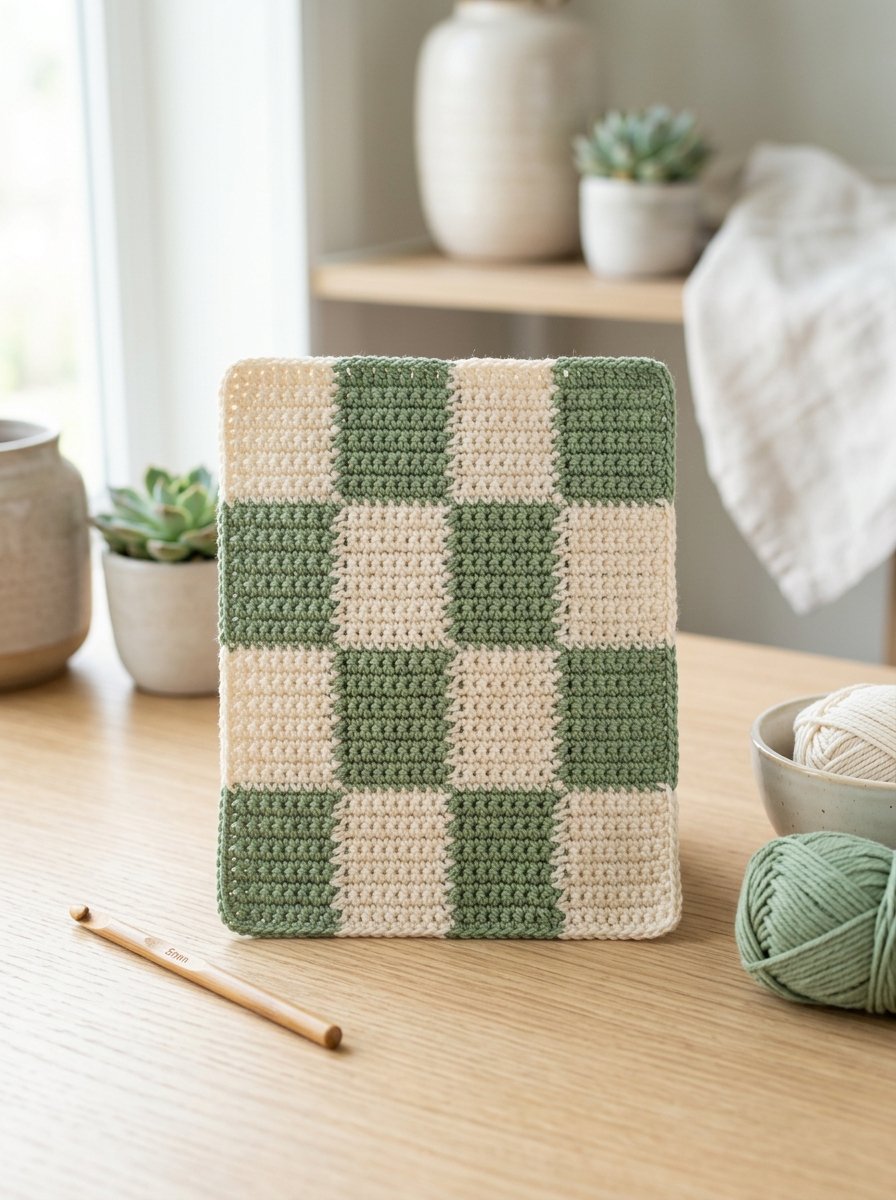
Honestly, the very first tapestry piece you make should genuinely be something forgiving, a simple checkerboard or diagonal stripe pattern rather than anything with curved lines or small isolated dots of color, since curves are notoriously the hardest thing to render cleanly in a technique built on square stitches. Starting simple lets you focus entirely on the carrying and tension mechanics without also fighting a genuinely difficult pattern at the same time.
6. Design a Two Color Flower Motif
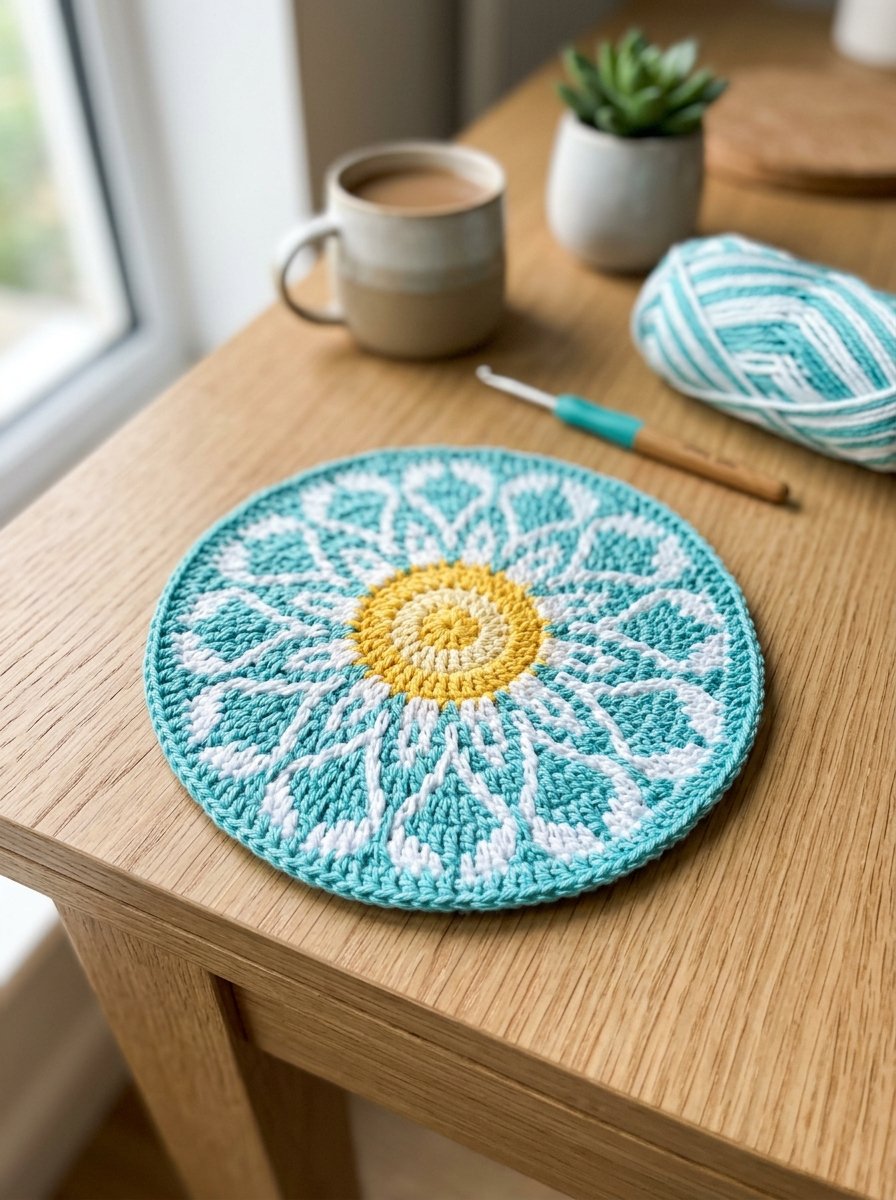
A simple flower shape, worked with a contrasting center against a solid background, is honestly one of the more satisfying early projects since flowers translate reasonably well into the blocky pixel style tapestry crochet naturally produces. This pairs well with the same motif thinking covered in 15 pipe cleaner flowers if you want to compare how the same flower shape looks rendered in a completely different craft material.
7. Try a Striking Black and White Design
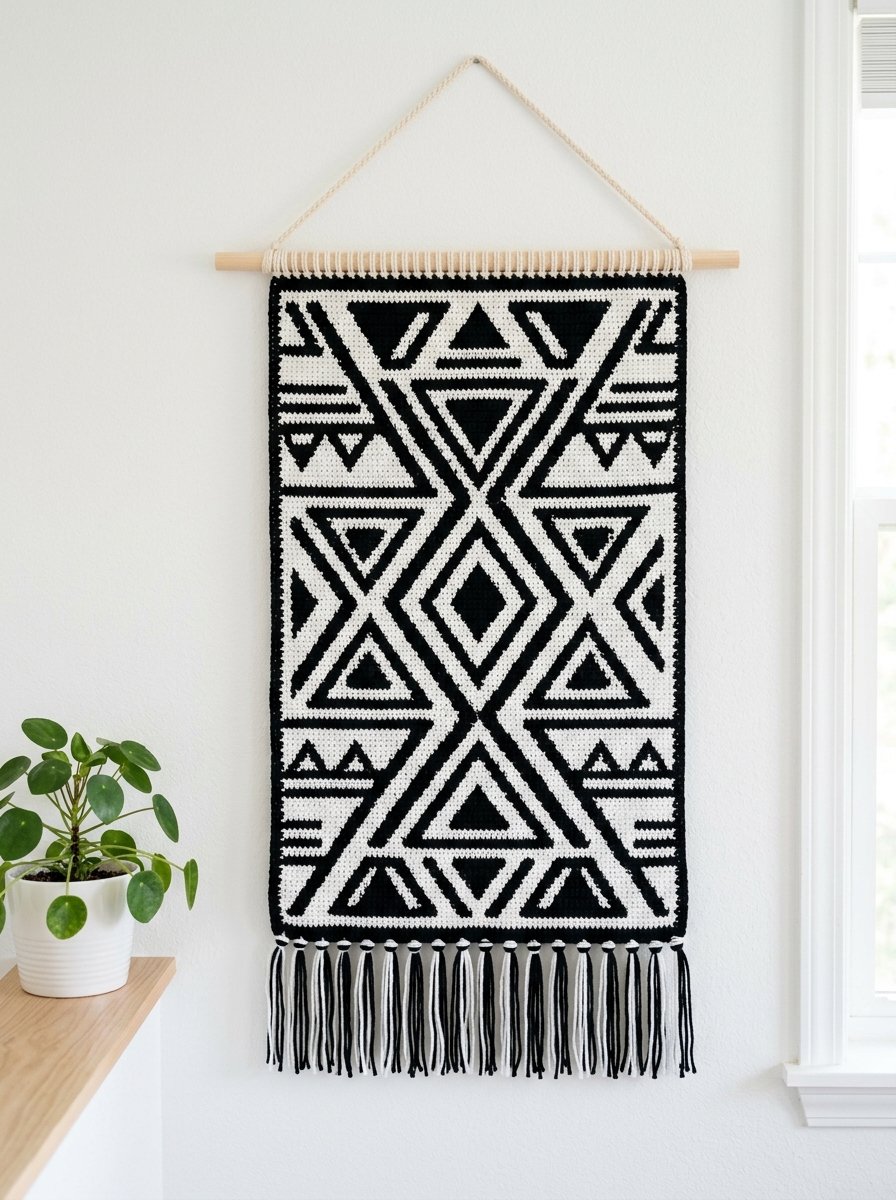
Genuinely, black and white tapestry pieces read as the most graphic and modern option on this entire list, since the maximum contrast between the two colors makes even a fairly simple pattern look genuinely bold and intentional once it’s finished. This palette also happens to be the most forgiving for beginners, since any small tension inconsistencies are much less visible against pure black and white than they would be against two similar mid-tone colors.
8. Craft a Spooky Halloween Panel
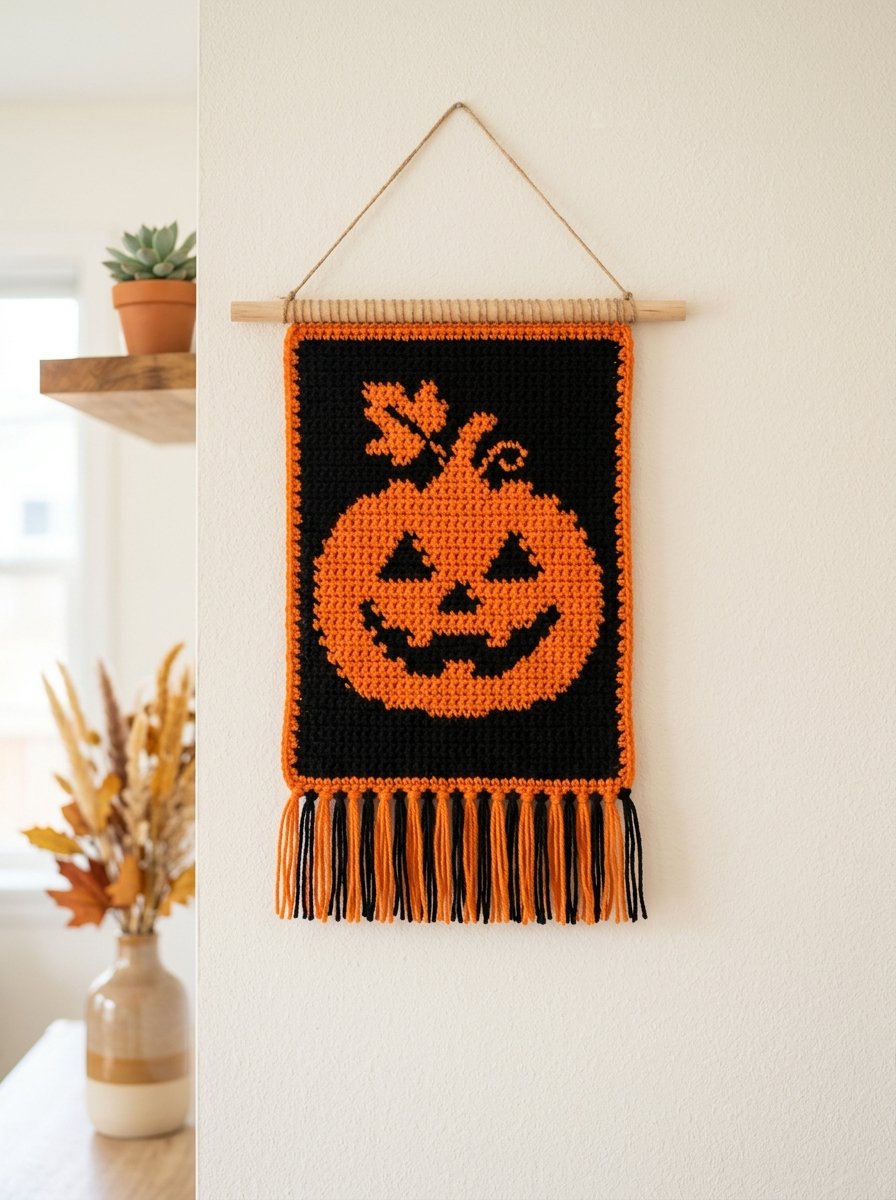
A small tapestry square featuring a simple pumpkin, bat, or spider web silhouette in orange and black genuinely brings the same seasonal charm covered in 12 halloween crochet ideas into this more detailed graphic technique. Halloween silhouettes actually work particularly well for tapestry crochet since the shapes are naturally bold and simple, without the fine curved details that trip up more delicate designs.
9. Build a Festive Christmas Motif
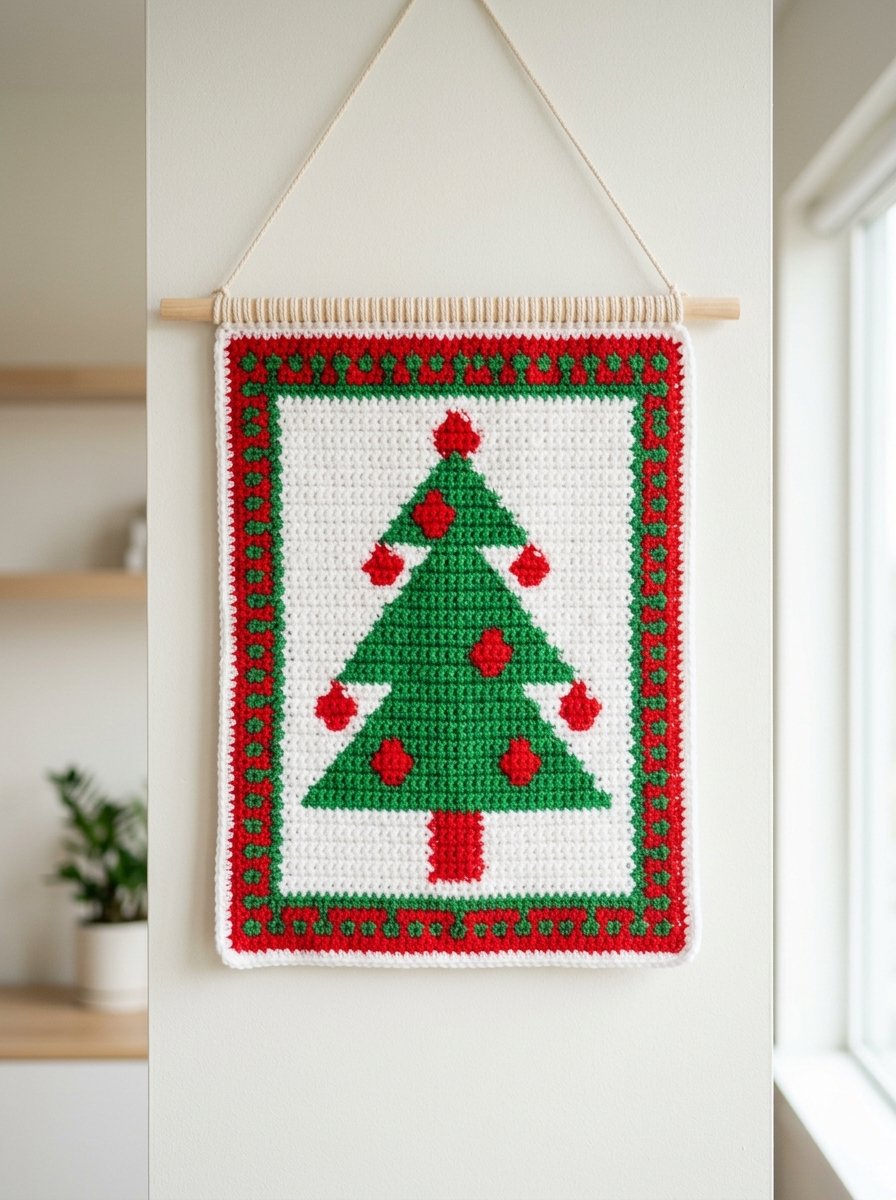
Genuinely, a small tree, a simple snowflake, or candy cane stripes worked in red, green, and white make for a wonderfully festive tapestry piece that could become a coaster, a small wall hanging, or a pillow panel depending on how it’s finished. Building a set of these across the holiday season, one motif at a time, is honestly a nice way to slowly accumulate a full collection of handmade Christmas decor.
10. Explore an Aesthetic Pink Palette
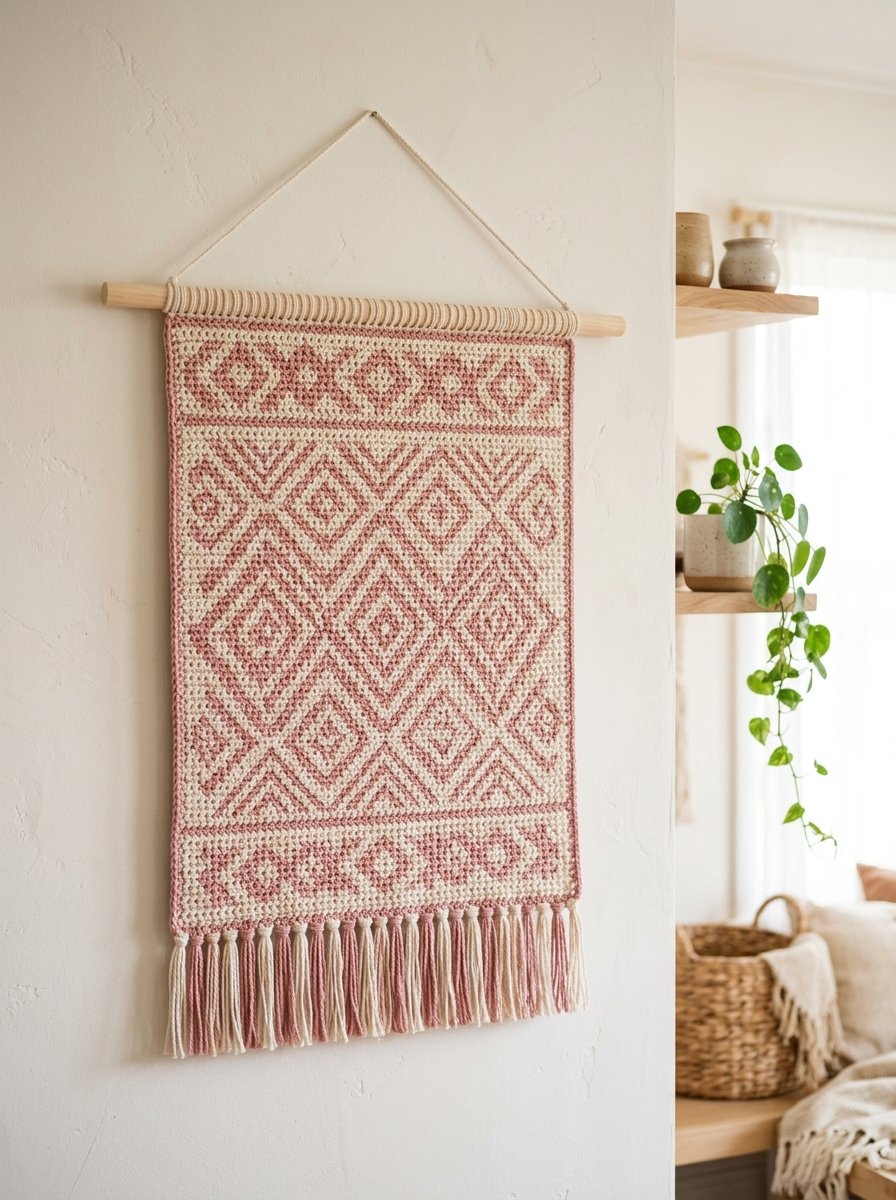
Sticking to a soft dusty pink against cream or white creates a genuinely gentle, aesthetic tapestry piece that reads as intentionally soft rather than harsh, which honestly suits this technique better than you might initially expect given how graphic tapestry crochet usually looks. This palette works especially well for something like a small pillow cover or a wall hanging destined for a bedroom.
11. Design in Calming Blue Tones
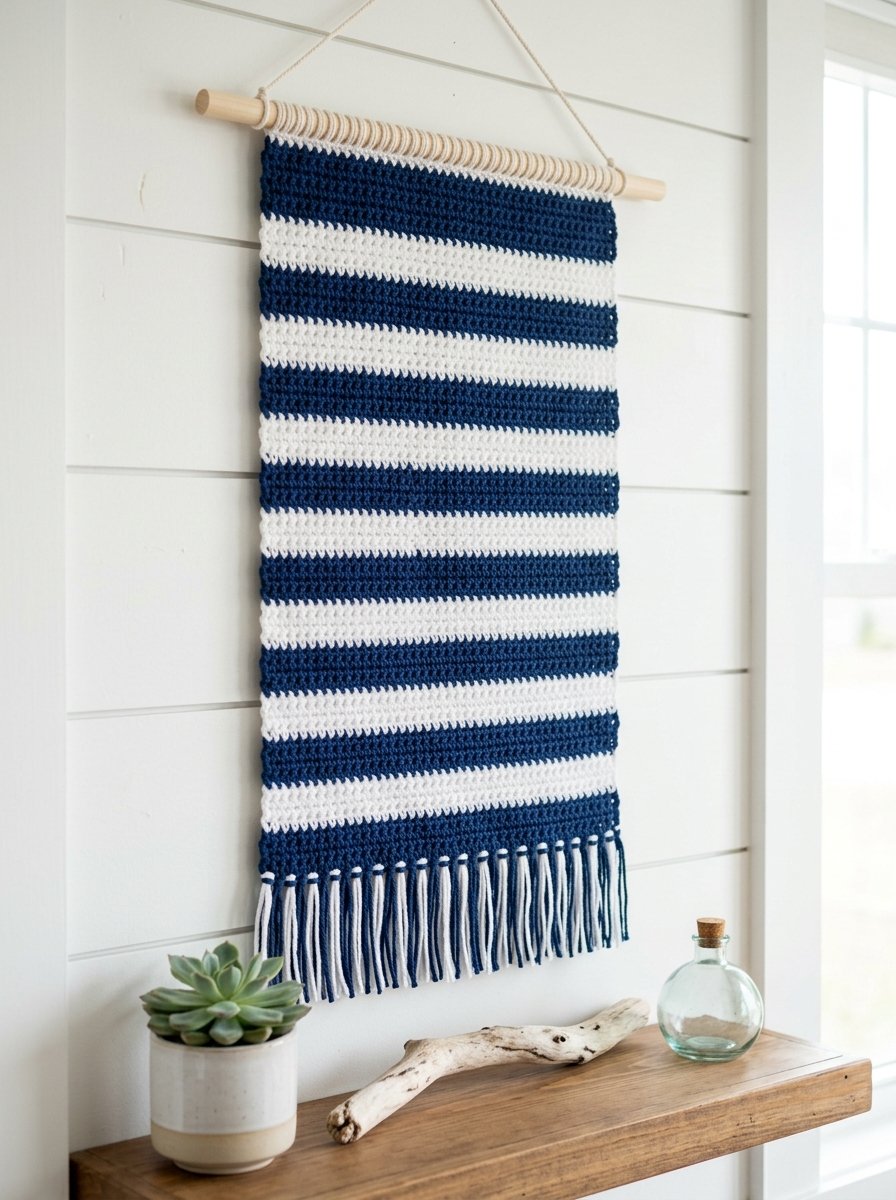
Genuinely, a blue and white combination, whether that’s a nautical stripe pattern or a wave motif, brings a calm, coastal feel to tapestry work that stands apart from the bolder color combinations most tapestry pieces default to. This cooler palette pairs especially well with a geometric wave or diamond pattern rather than anything overly literal or figurative.
12. Style a Rich Purple Design
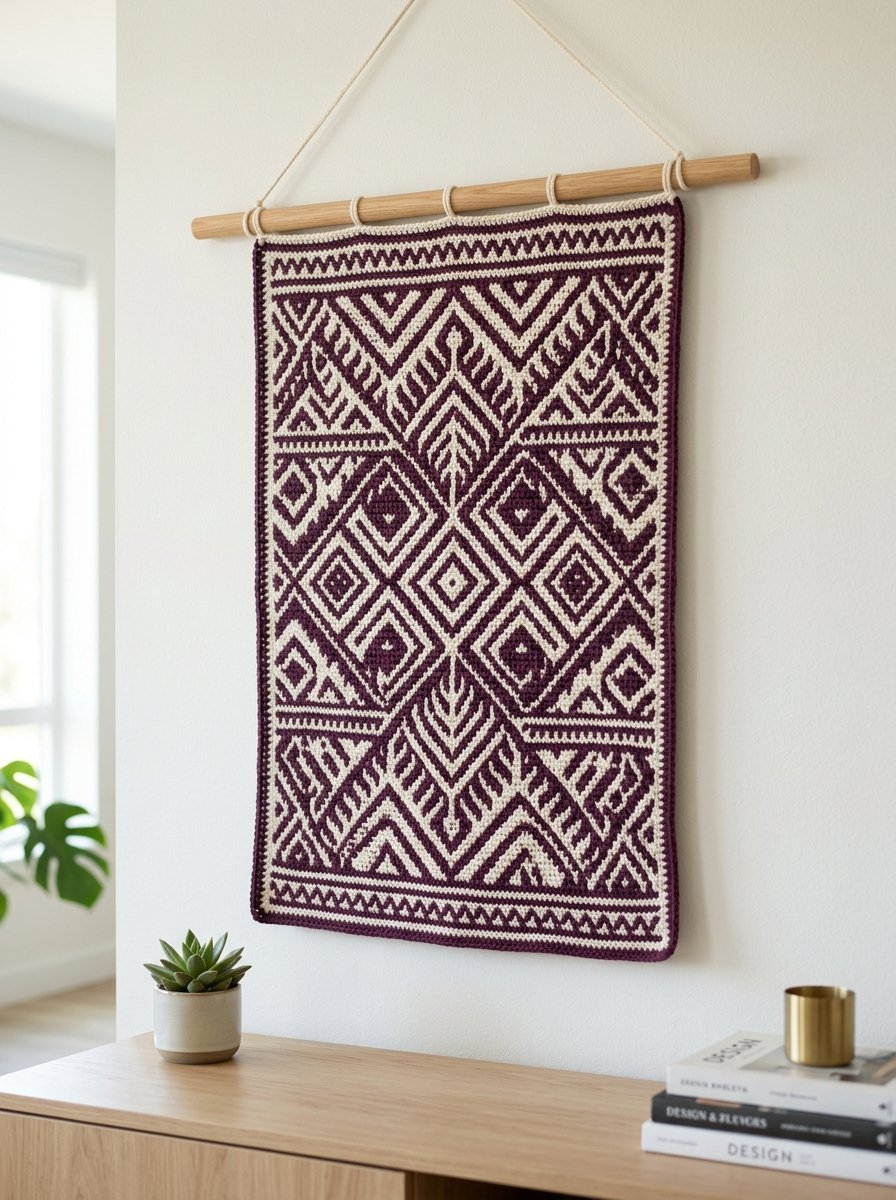
Honestly, purple genuinely doesn’t get used nearly enough in tapestry crochet given how well it actually reads against both black and white, creating a genuinely rich, slightly moody piece that feels a bit more sophisticated than the standard bright primary color combinations most beginners reach for first. A deep plum against cream is a particularly striking pairing worth trying if you’ve mostly stuck to brighter colors so far.
13. Incorporate Numbers or Simple Text
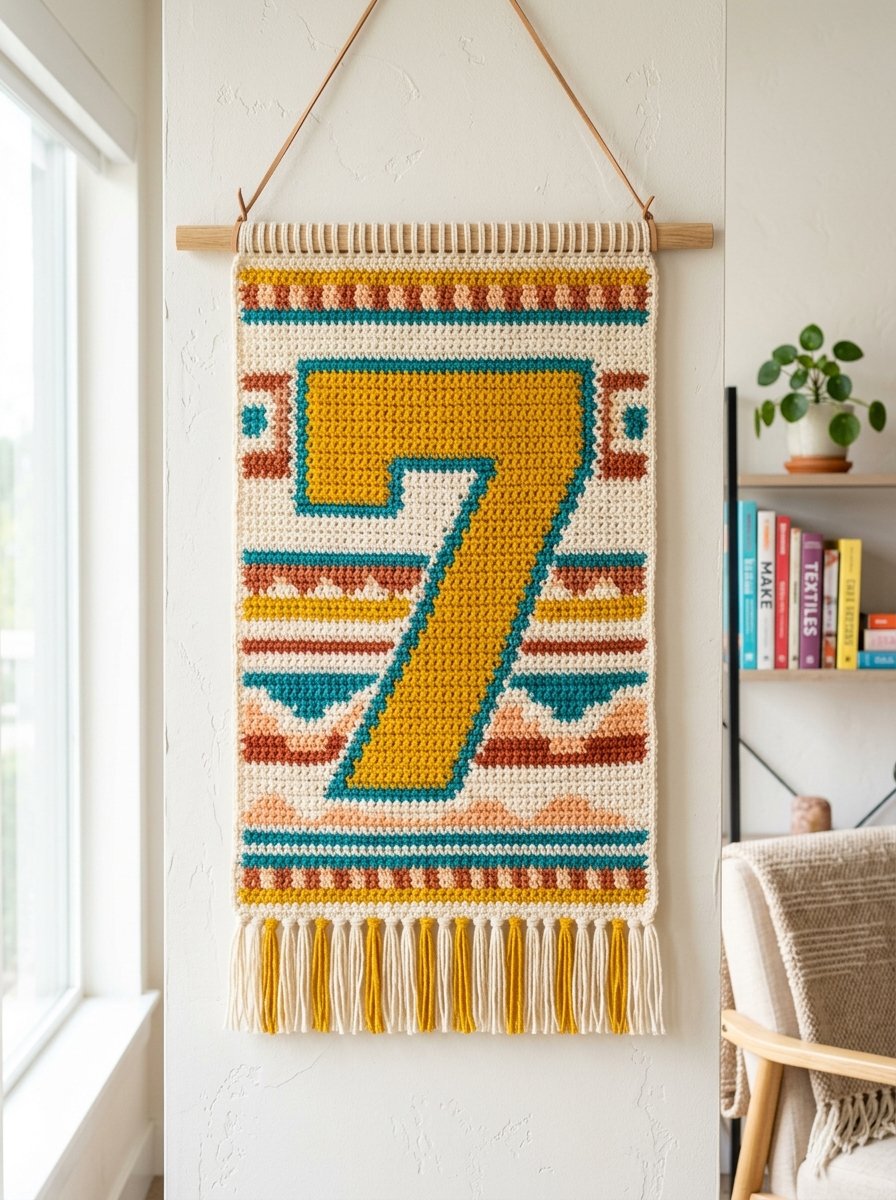
Genuinely, working actual numbers or short words into a tapestry design is honestly one of the more challenging projects on this list, since letters require genuinely precise stitch placement to remain legible at the scale tapestry crochet naturally works at. Starting with large, blocky numbers rather than cursive style lettering gives you a much better chance of the finished piece actually reading clearly once it’s off the hook.
14. Build a Coordinated Square Panel Series
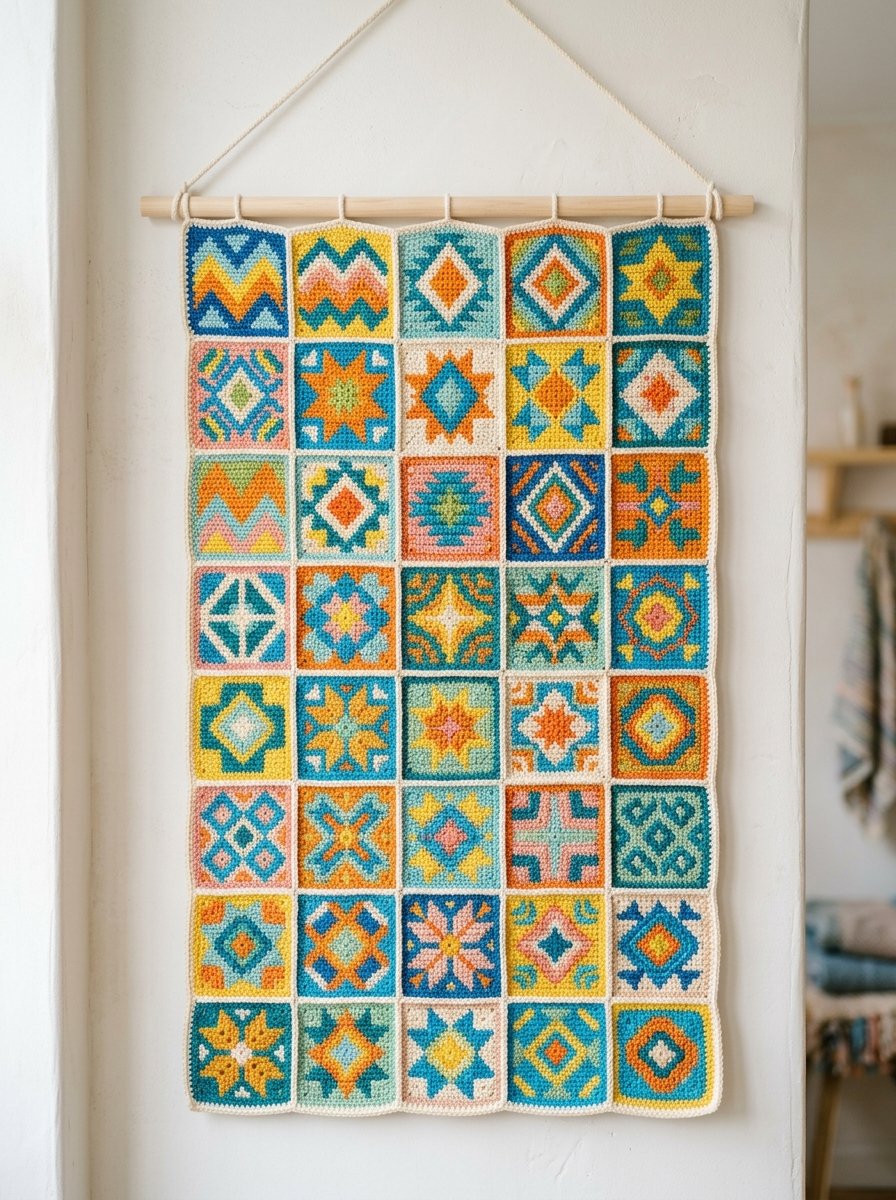
Making several individual tapestry squares in coordinating colors and patterns, then joining them together, creates a genuinely impressive larger piece, a blanket or a wall hanging, built entirely from techniques you’ve already practiced at a smaller scale. This modular approach honestly feels much less daunting than attempting one giant continuous tapestry design from the very start.
15. Create a Genuinely Whimsical Design
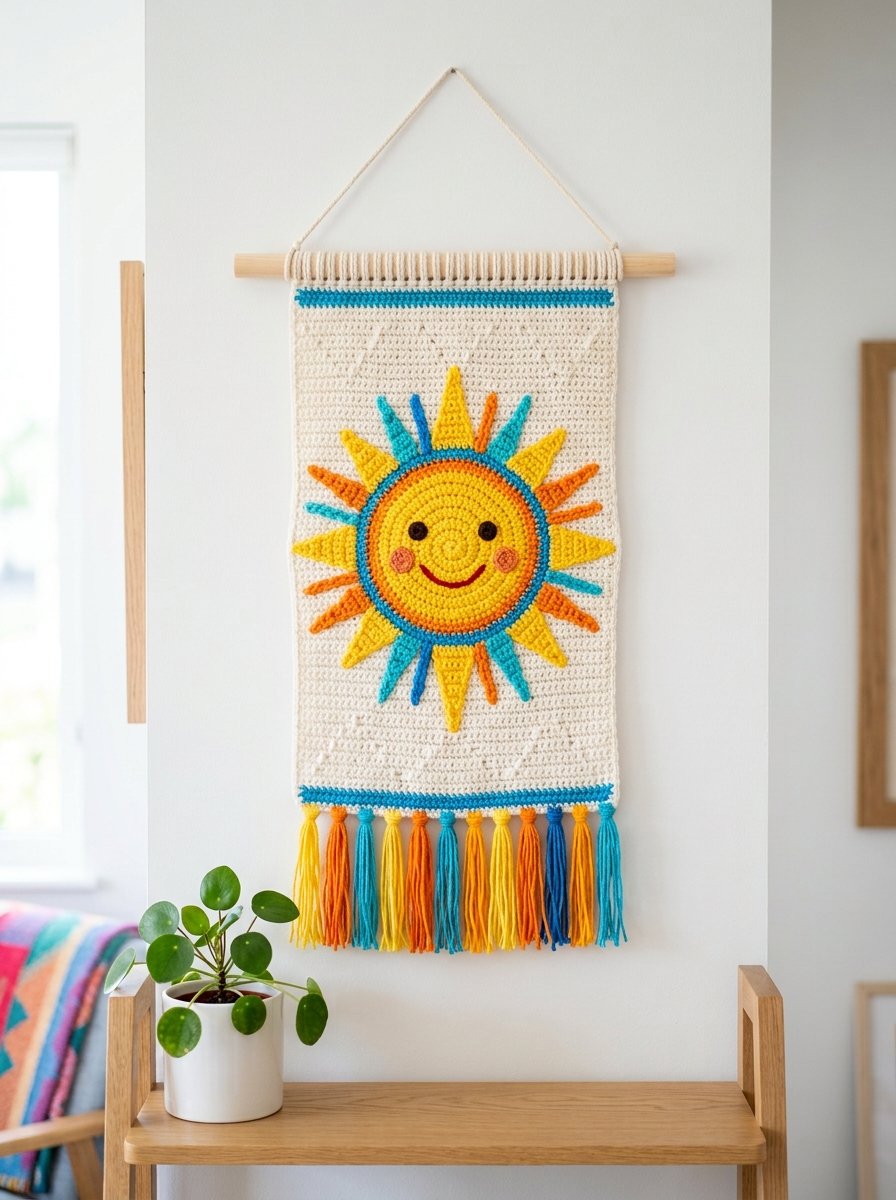
Beyond strict geometric patterns, working a slightly playful, imperfect design, a simple sun with uneven rays, or a wonky little house shape, brings a genuinely whimsical, handmade charm to tapestry crochet that a perfectly symmetrical pattern sometimes lacks. This looser, more playful approach honestly works especially well once you’ve got the basic carrying technique down and want to experiment a bit rather than following a chart exactly.
Final Thoughts on Tapestry Crochet Ideas
Honestly, what makes tapestry crochet worth learning despite the initial intimidation factor is that the actual mechanics genuinely never get more complicated than carrying a second strand of yarn, no matter how detailed or ambitious the finished pattern looks. Start with a simple two color checkerboard to build genuine confidence with the tension and carrying technique, and you’ll find increasingly detailed patterns become approachable far sooner than the finished pieces online might have you believe.


Amir Ali is the founder and site administrator of HomeDecorEdge, a modern home decor and interior design platform. Since starting the site, he has combined his passion for interior design, practical styling, and color coordination with hands-on content strategy and site management. He guides authors, curates high-quality articles, and ensures readers have access to actionable, visually inspiring, and user-focused home decor advice for apartments, small rooms, and family homes.