

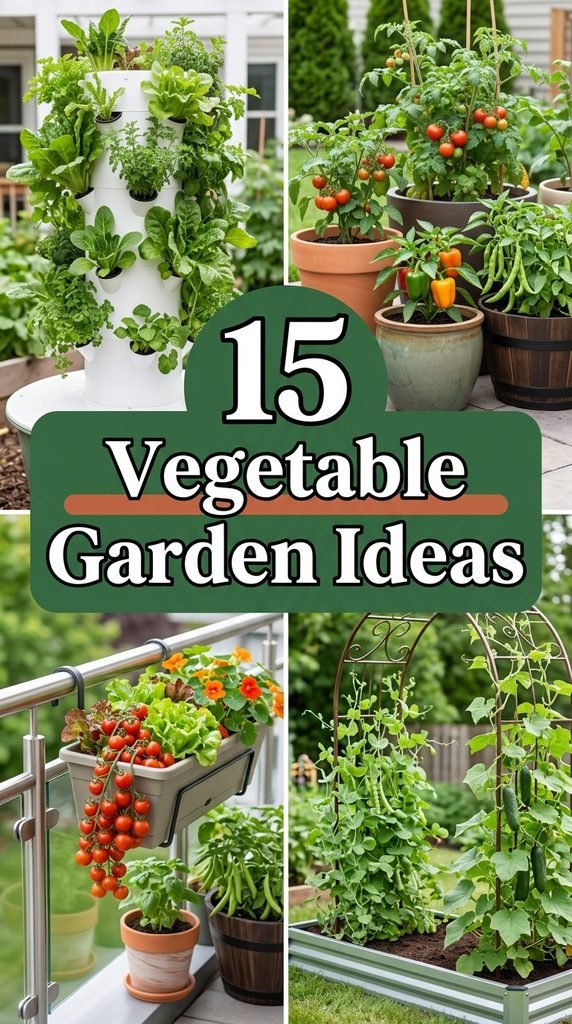
Not having a big backyard genuinely doesn’t rule out growing your own vegetables, since a vertical tower, a few large containers, or even a railing mounted planter can produce a surprising amount of food in a fraction of the space a traditional garden bed needs. The right setup really comes down to matching the layout to whatever space is actually available, whether that’s a sprawling yard or a single apartment balcony. These 15 vegetable garden ideas cover every size space, from a full backyard layout to a tiny container garden.
This post contains affiliate links. If you purchase through these links I may earn a small commission at no extra cost to you.
1. Grow Vertically with a Planter Tower
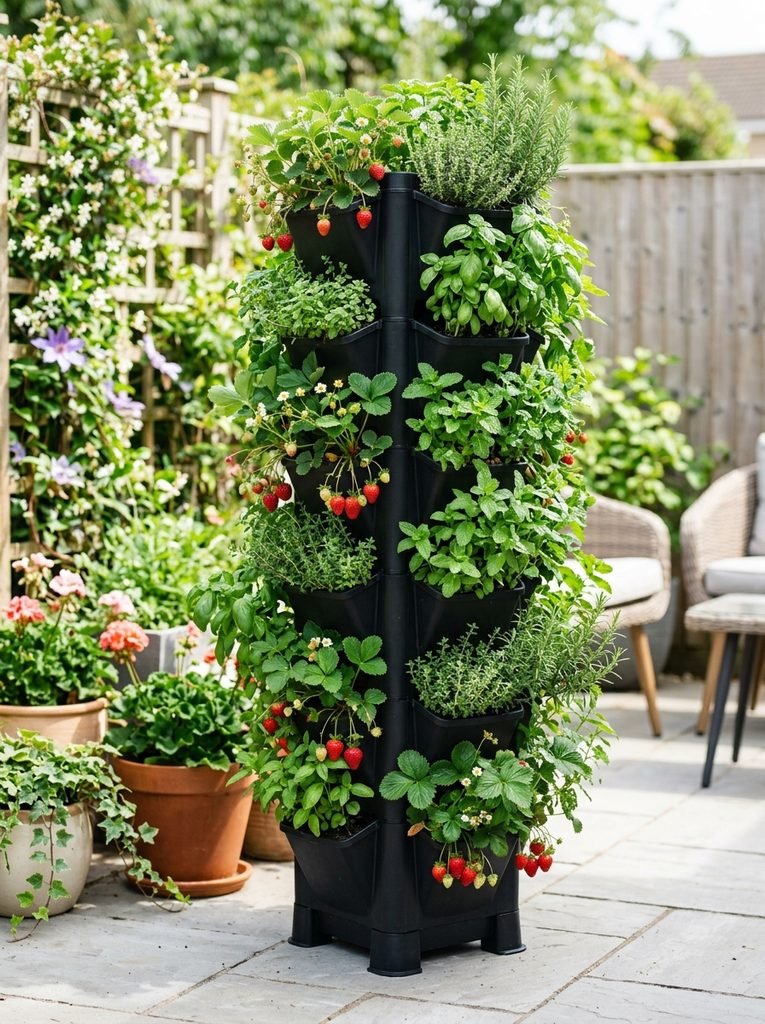
A vertical planter tower stacks multiple growing levels into a single narrow footprint, genuinely maximizing yield in spaces where a traditional flat garden bed simply wouldn’t fit. This vertical garden planter tower works well for shallow rooted vegetables and herbs, letting a patio or small yard corner produce far more than its actual square footage would suggest.
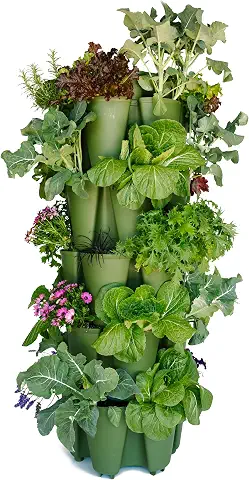
Vertical Garden Planter Tower
Stacked vertical tower for maximizing vegetable growing space
Check Price on Amazon2. Plant Larger Vegetables in Containers
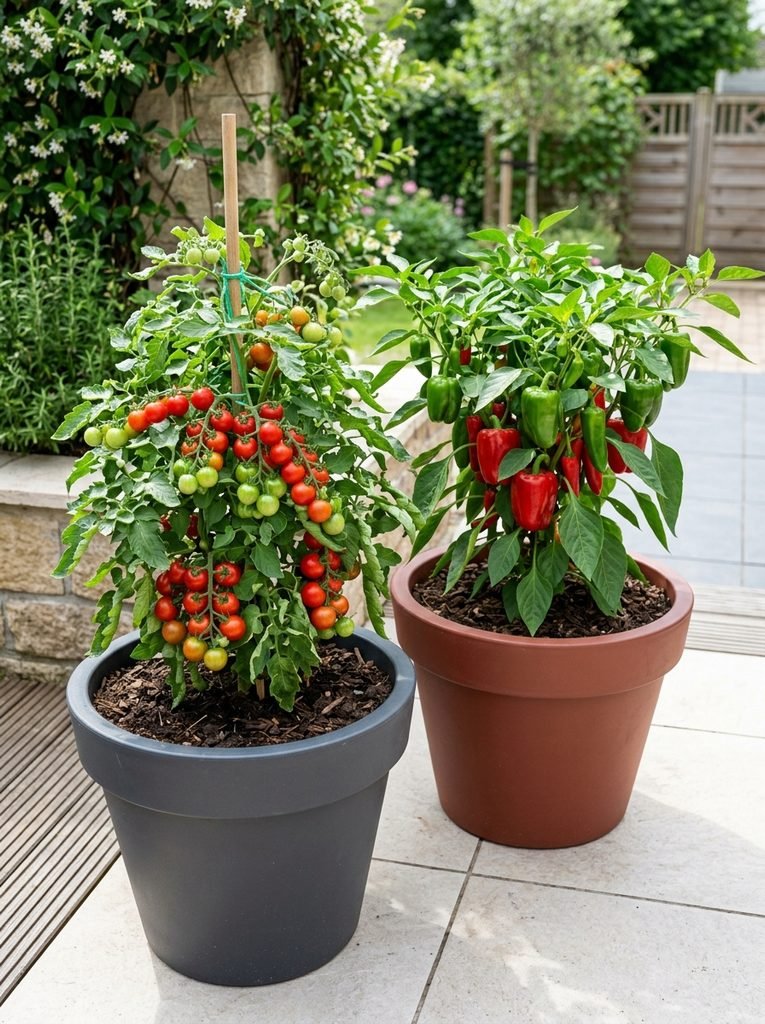
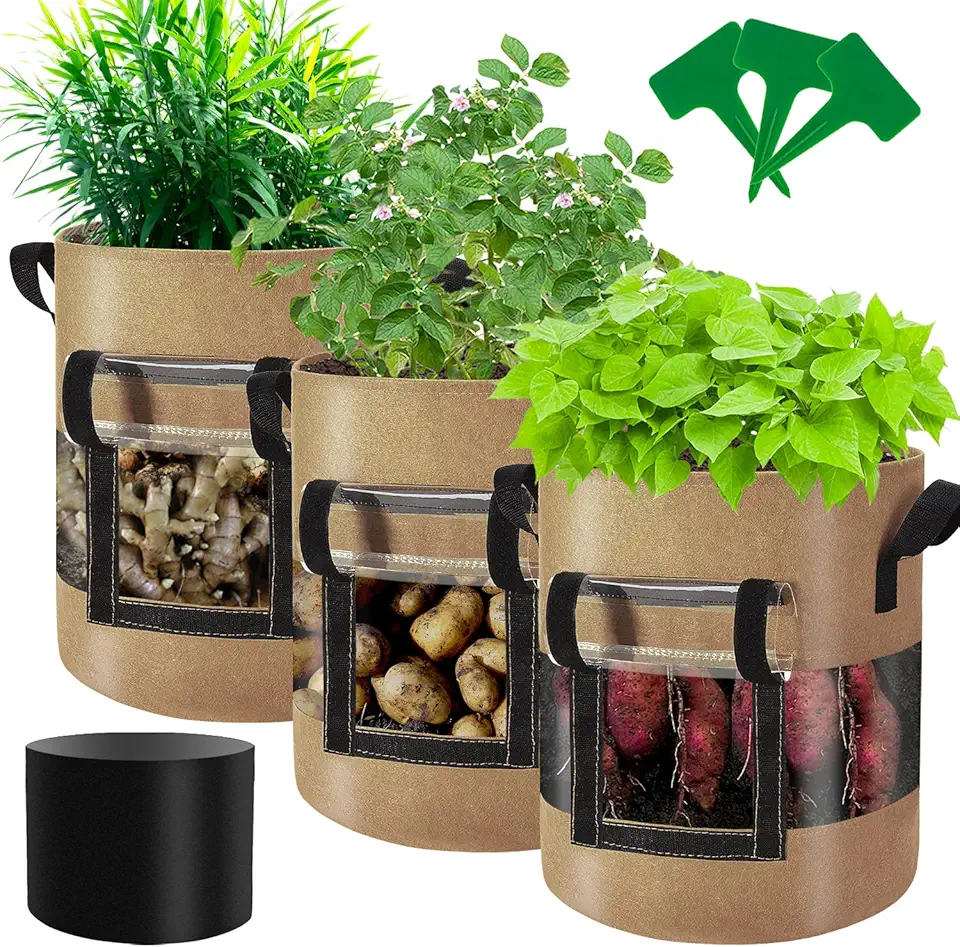
Vegetables that need real root depth, tomatoes, peppers, larger herbs, genuinely need a container with enough volume to support their full growth rather than a shallow decorative pot. These container vegetable pots large enough provide the depth and drainage needed for a productive harvest, working equally well on a patio, deck, or driveway.
Container Vegetable Pots Large
Large containers for growing deep rooted vegetables on any patio
Check Price on Amazon3. Mount Planters on a Balcony Railing
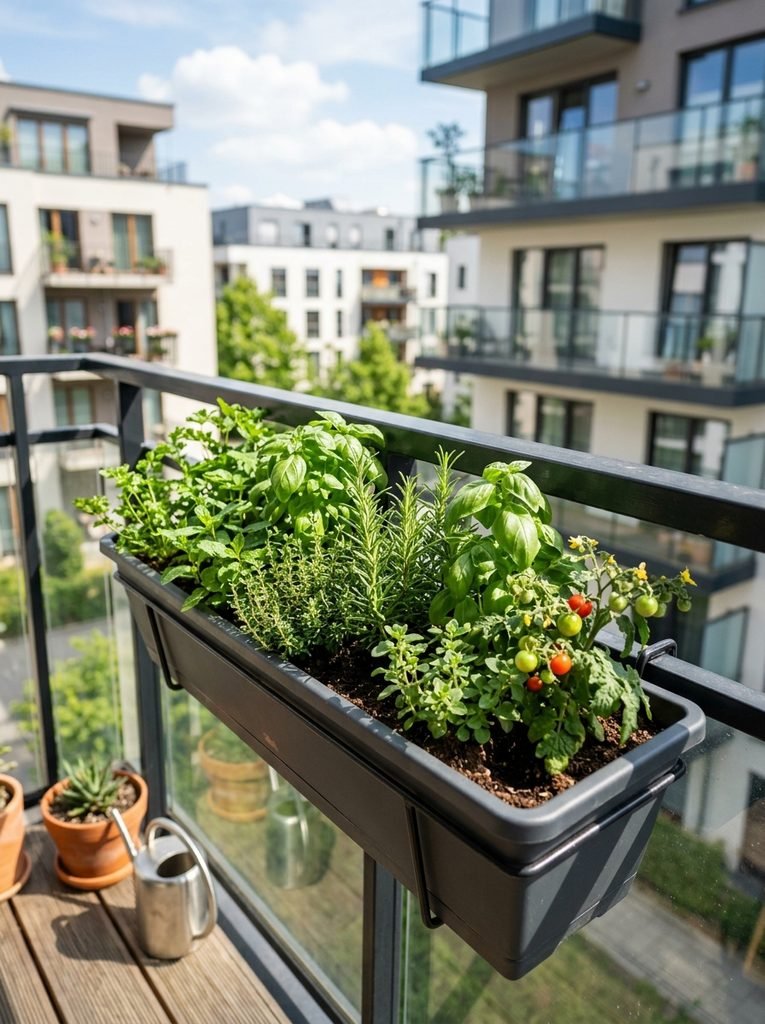
An apartment balcony without any real floor space to spare still has room for a genuine vegetable garden, once planters mount directly to the existing railing. This balcony railing planter clips securely onto standard railings, adding growing space that doesn’t compete with furniture or walking room at all.

Balcony Railing Planter
Railing mounted planter for apartment balcony vegetable growing
Check Price on Amazon4. Support Climbing Plants with a Trellis
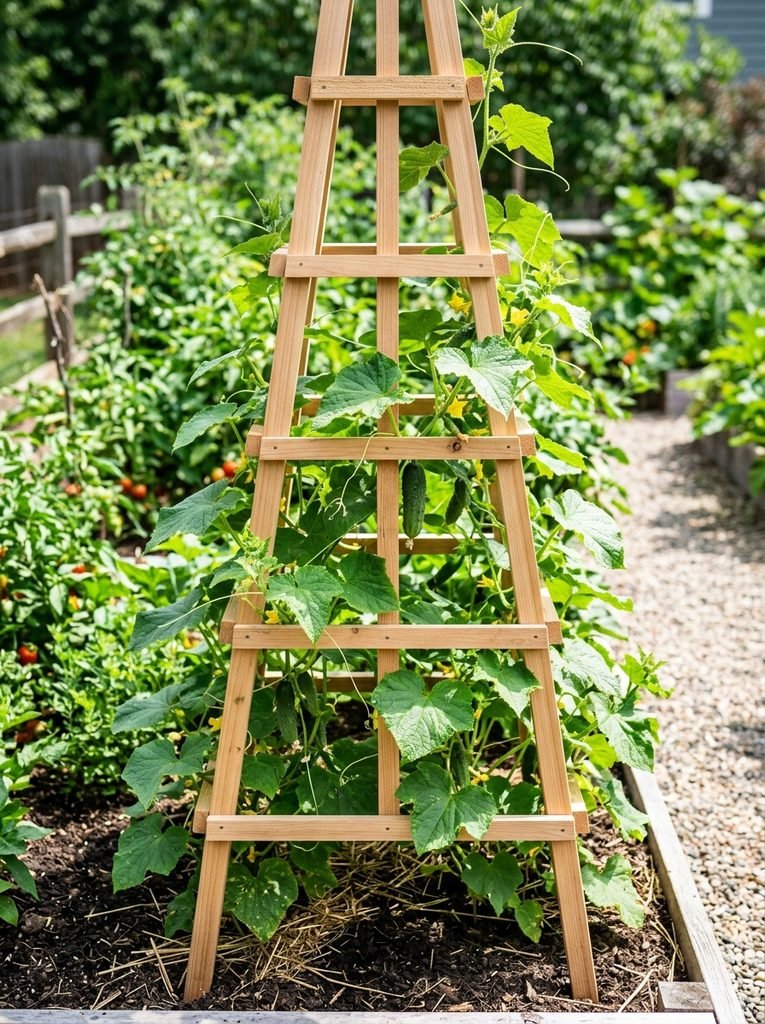
Climbing vegetables, cucumbers, peas, pole beans, genuinely need vertical support to grow properly rather than sprawling across the ground and taking up far more space than necessary. This vegetable garden trellis kit gives vines something sturdy to climb, freeing up ground space for other plants while keeping the harvest easier to reach.
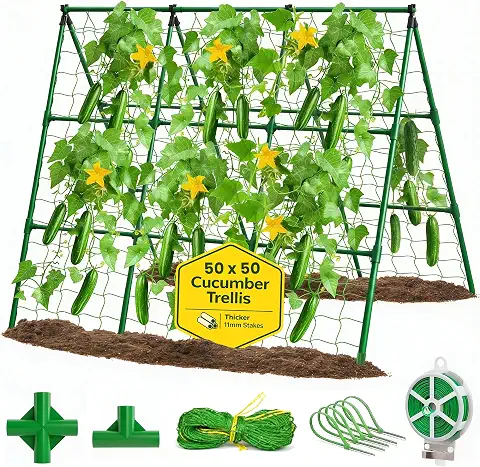
Vegetable Garden Trellis Kit
Trellis kit for supporting climbing vegetables and saving ground space
Check Price on Amazon5. Plan a Full Backyard Layout
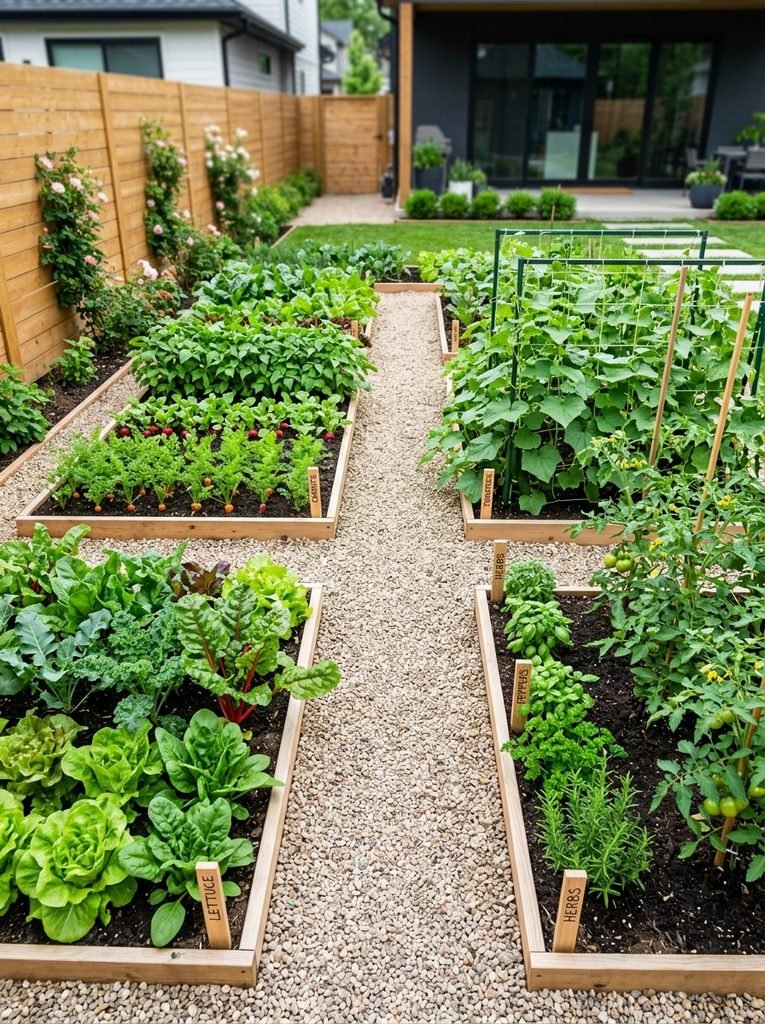
A larger backyard has room to zone the vegetable garden by plant type and sun exposure, dedicating specific rows or beds to sun loving tomatoes versus shade tolerant leafy greens. This spacious layout works well combined with the bed construction techniques covered in 41 raised garden bed ideas for setting up a productive, organized backyard system.
6. Fit a Garden Into a Front Yard
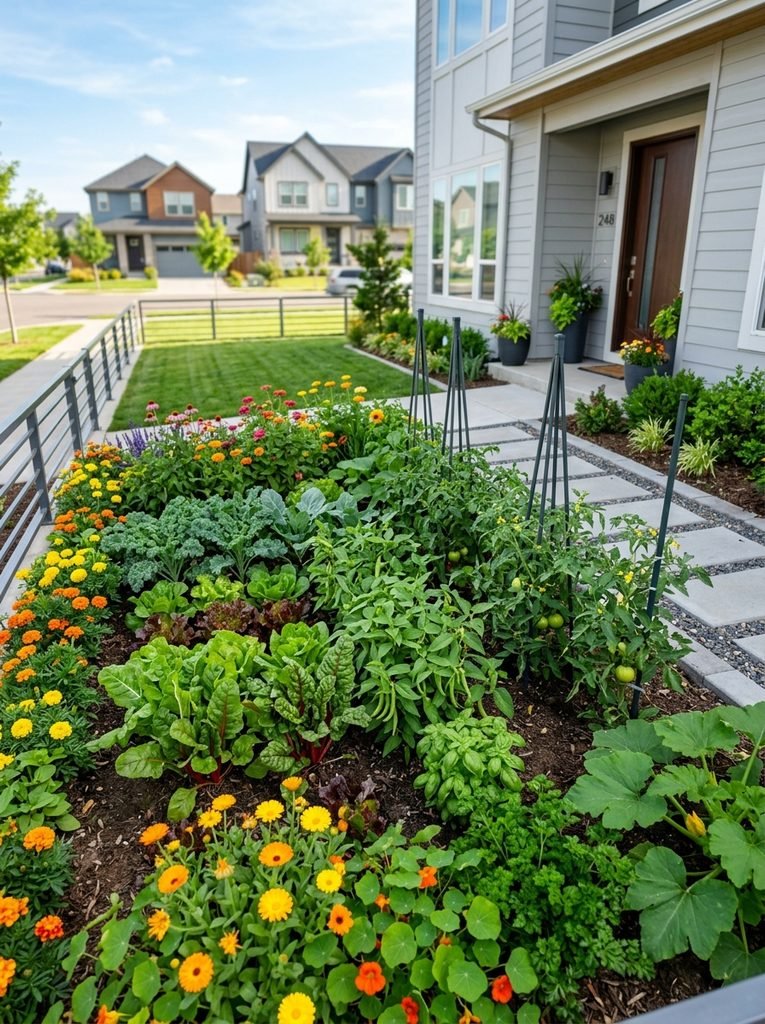
A front yard vegetable garden doubles as a genuine curb appeal feature when the beds are arranged with the same intentional layout thinking as ornamental landscaping. This visible placement works especially well when vegetables are mixed with a few flowering plants, keeping the whole display looking styled rather than purely utilitarian.
7. Grow Vegetables on a Patio
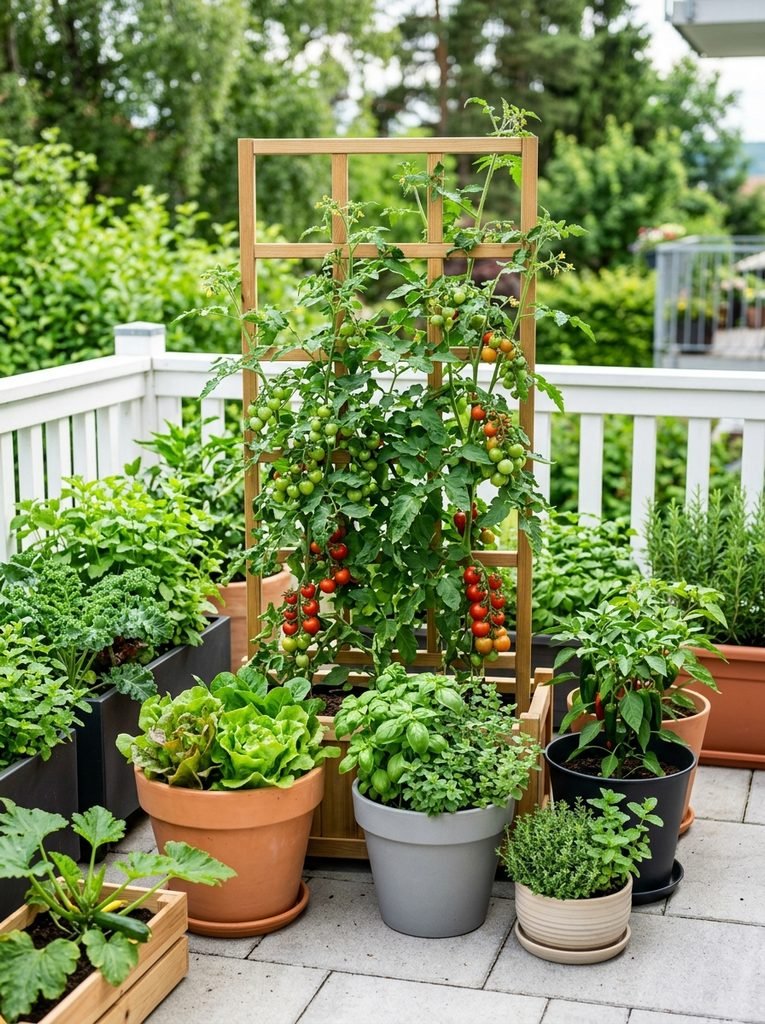
A patio already has the hard surface and sun exposure most vegetables need, and filling it with a mix of containers and a small trellis turns unused pavement into genuinely productive growing space. This approach pairs well with the same container thinking used in 15 outdoor planter ideas for other patio focused growing setups.
8. Keep a Pretty Ornamental Layout
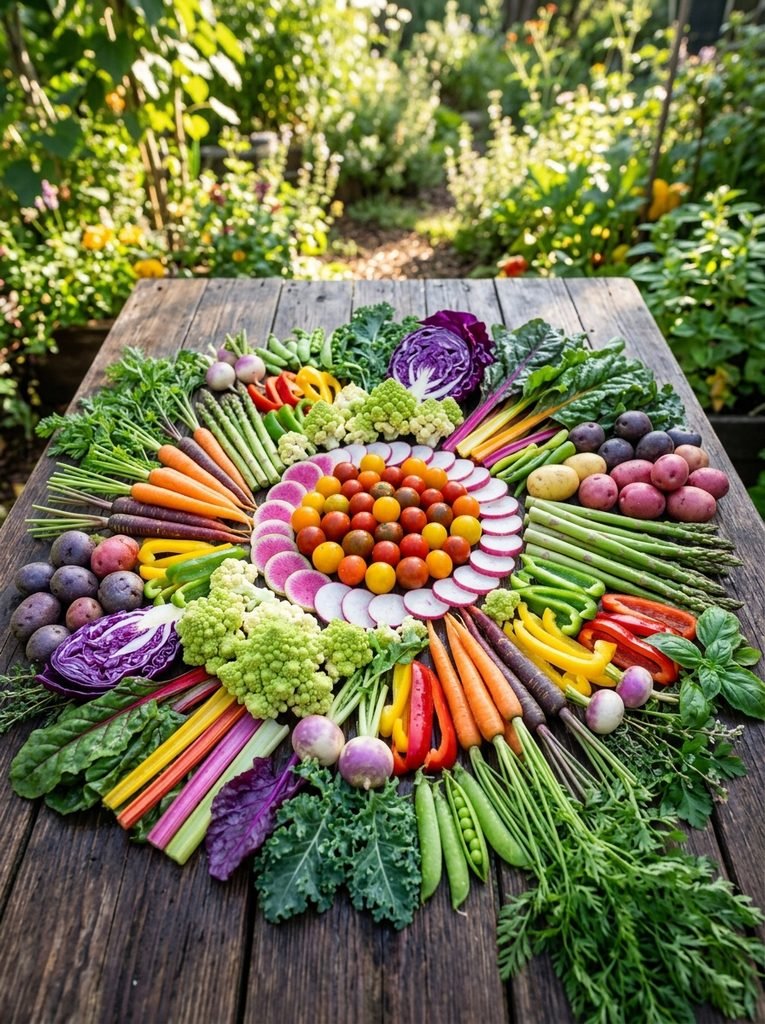
Arranging vegetables in a visually pleasing pattern, alternating colors and textures rather than uniform rows, creates a genuinely pretty garden that doubles as both food production and landscaping. This ornamental approach works especially well for a garden positioned somewhere it’s regularly seen from indoors.
9. Adapt Growing for a Small Yard
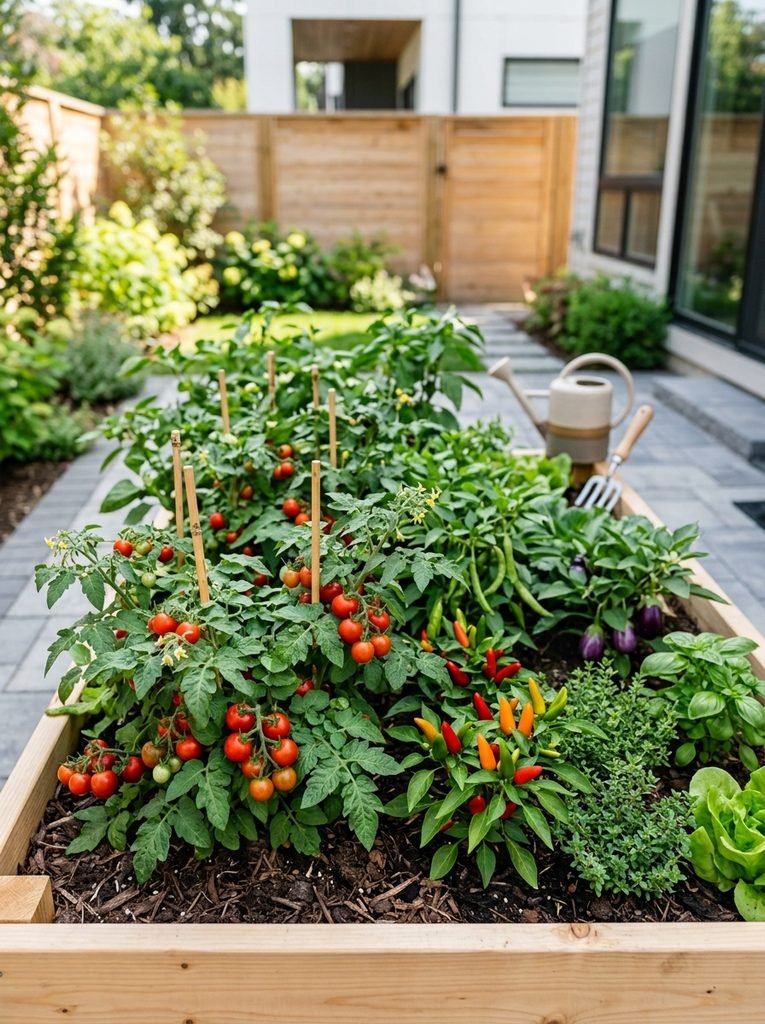
A small yard benefits from choosing compact or dwarf vegetable varieties specifically bred for limited space, rather than trying to fit full sized plants into a footprint that can’t support them. This scaled down approach genuinely produces a solid harvest without requiring nearly as much square footage as traditional varieties need.
10. Design a Layout for Small Spaces
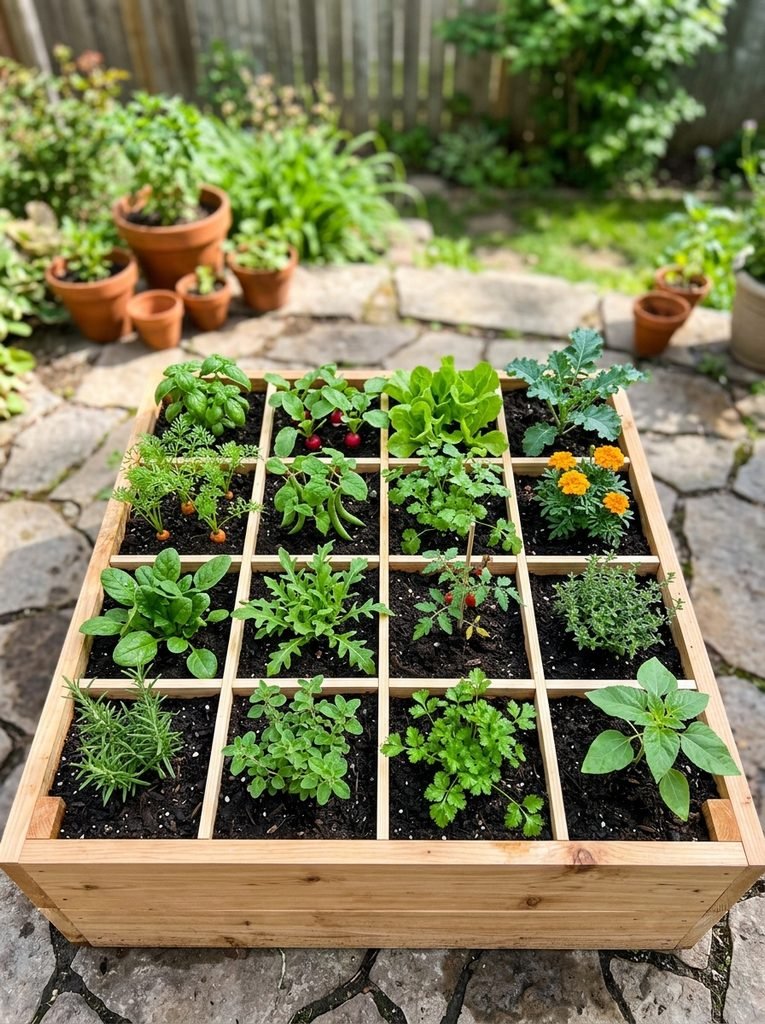
Square foot gardening, dividing a compact bed into a grid and planting a specific number of each vegetable per square, maximizes yield in a genuinely tight footprint. This method works especially well for anyone new to vegetable gardening who wants a clear, structured plan to follow.
11. Grow in Simple Potted Arrangements
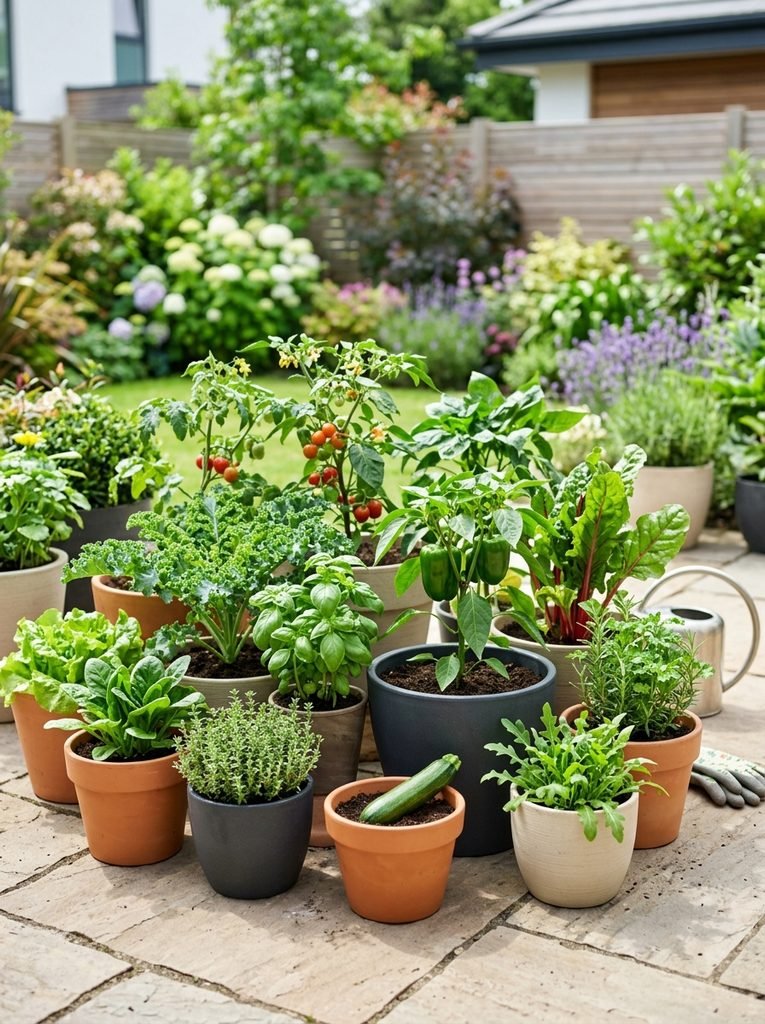
A collection of individually potted vegetables, rather than a connected bed system, offers genuine flexibility since each pot can move to chase sunlight or come inside during unexpected weather. This simple approach requires no construction at all, just pots and a sunny spot to arrange them.
12. Fit a Garden Into an Enclosed Space
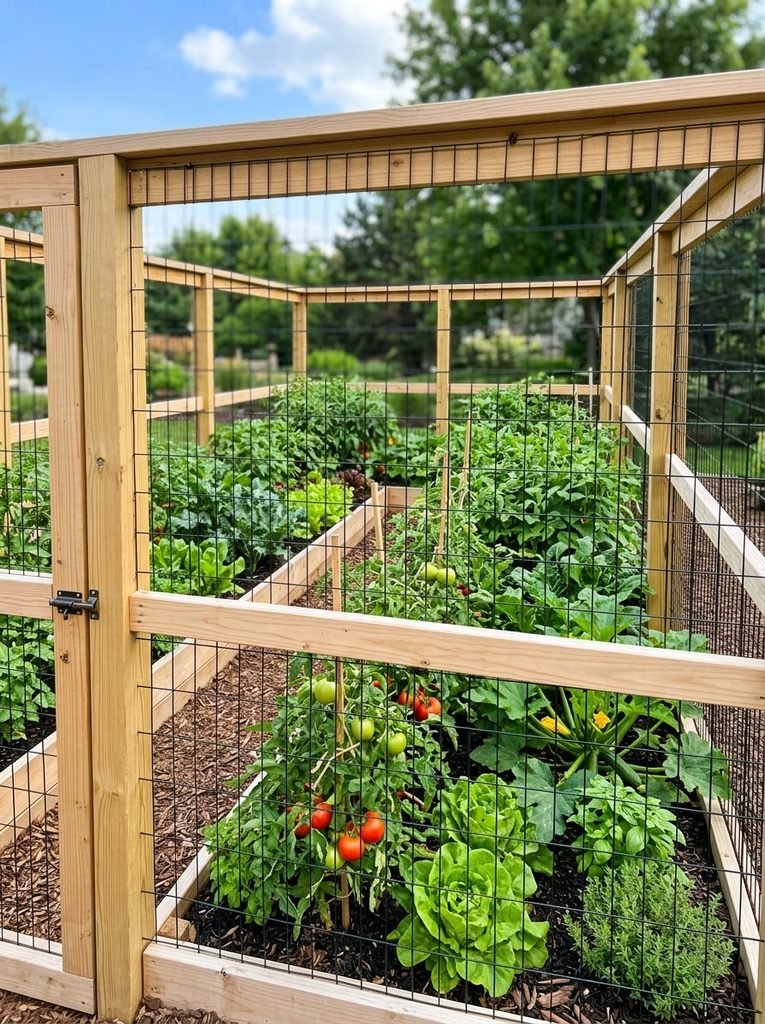
An enclosed garden area, surrounded by fencing to keep out rabbits or deer, protects a vegetable harvest that would otherwise face constant animal pressure. This protective layout pairs well with the same enclosure thinking used in 20 garden enclosure ideas for other secured growing spaces.
Start Your 30-Day Home Reset
Stop waiting for a "perfect" free weekend. Grab the 30-day plan and start feeling lighter in your own home by tomorrow.
View the 30-Day Plan Printable PDF · Instant download13. Grow Vegetables on a Rooftop
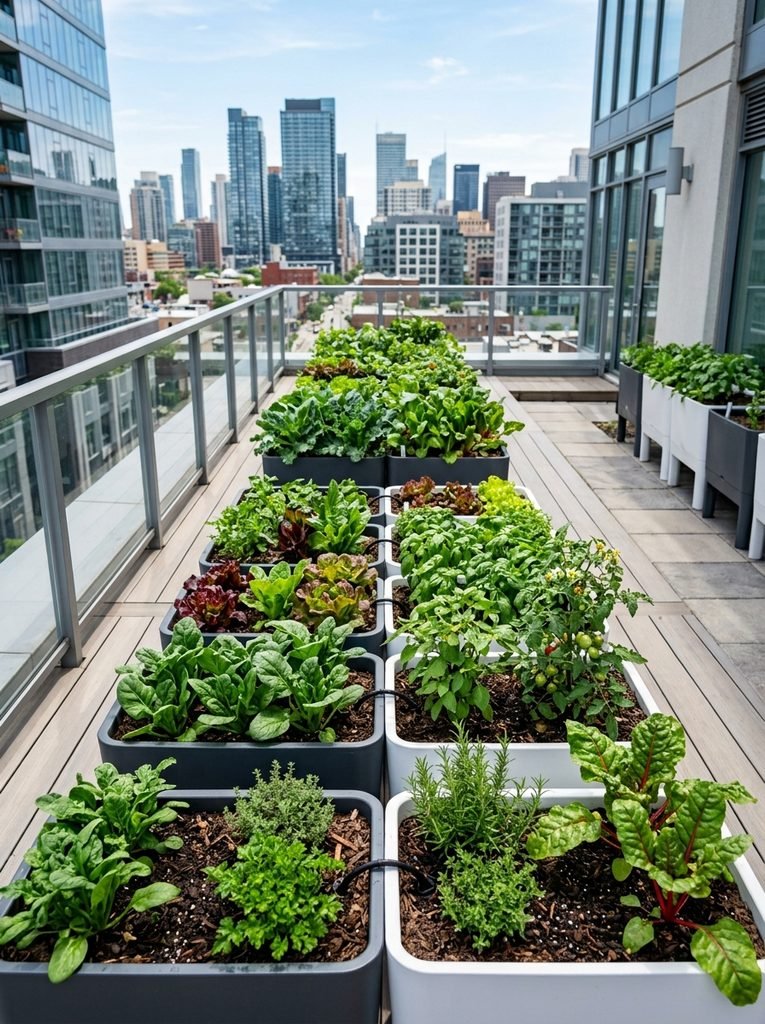
A rooftop garden brings vegetable growing to a space most homes and apartments never think to use, working especially well with lightweight containers designed not to overload the roof structure. This elevated growing spot often gets more consistent sun exposure than a ground level yard ever would, genuinely boosting harvest potential.
14. Set Up a Terrace Vegetable Garden
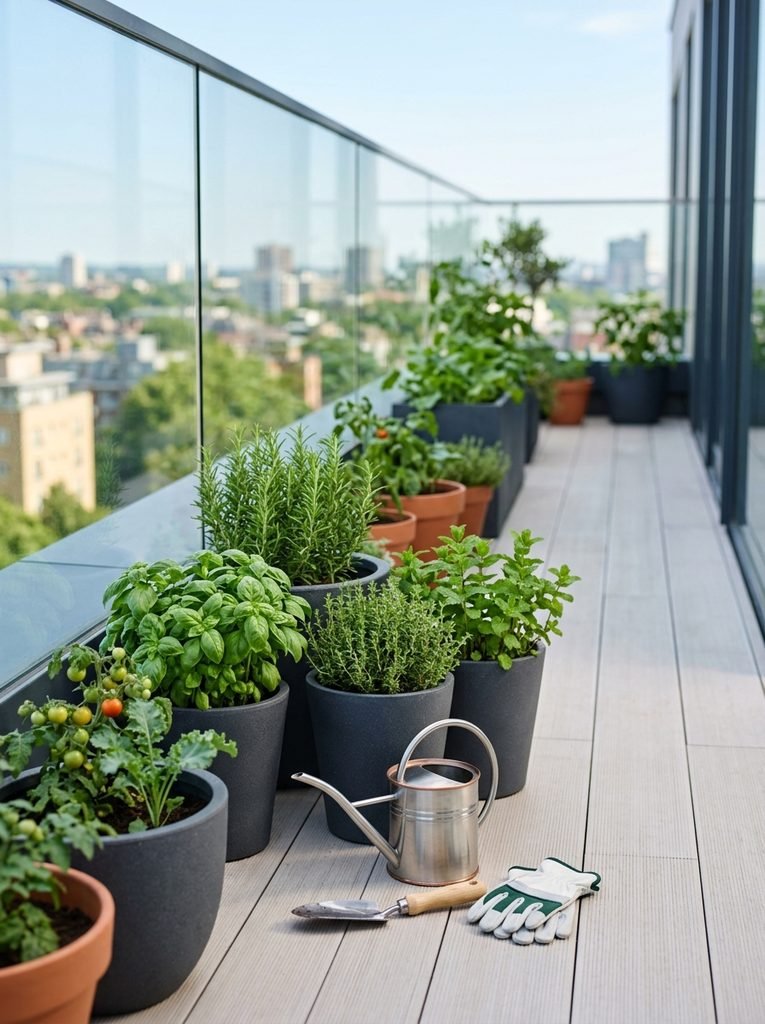
A terrace with even partial sun exposure can support a genuinely productive container garden, especially for herbs and smaller vegetables that don’t need a full six hours of direct light. This outdoor extension of indoor living space turns an often underused terrace into somewhere that actually produces food.
15. Maximize a Deck for Growing Space
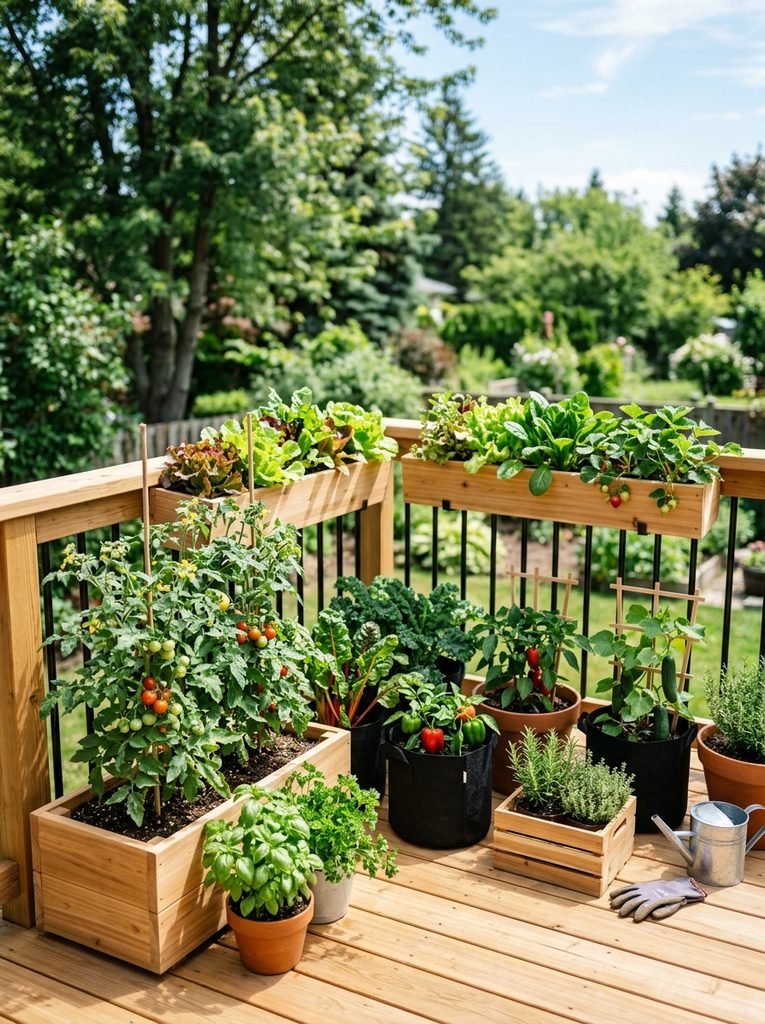
A deck already elevated above the ground handles container weight well when properly distributed, making it a solid option for anyone without yard access but with a sturdy outdoor platform to work with. This deck based approach pairs well with the same elevated growing thinking used for rooftop and terrace gardens, adapted to whatever railing or floor space the deck actually offers.
Final Thoughts on Vegetable Garden Ideas
The right vegetable garden setup really comes down to matching the growing method to the actual space available, since a vertical tower solves a completely different problem than a full backyard layout with dedicated rows. Starting with a few containers or a single trellis is a genuinely reasonable way to test how much a small space garden can produce before committing to anything larger or more permanent.


Amir Ali is the founder and site administrator of HomeDecorEdge, a modern home decor and interior design platform. Since starting the site, he has combined his passion for interior design, practical styling, and color coordination with hands-on content strategy and site management. He guides authors, curates high-quality articles, and ensures readers have access to actionable, visually inspiring, and user-focused home decor advice for apartments, small rooms, and family homes.