

Few flowering vines deliver the same dramatic cascading impact as wisteria, transforming a plain trellis or arbor into a genuine garden centerpiece within a few growing seasons. The vine does require patience and proper training to reach its full potential, but the payoff is a stunning display of hanging blooms that few other plants can match. These 12 wisteria tree ideas cover planting, training, and styling this showstopping climbing plant.
This post contains affiliate links. If you purchase through these links I may earn a small commission at no extra cost to you.

1. Start with a Live Wisteria Vine
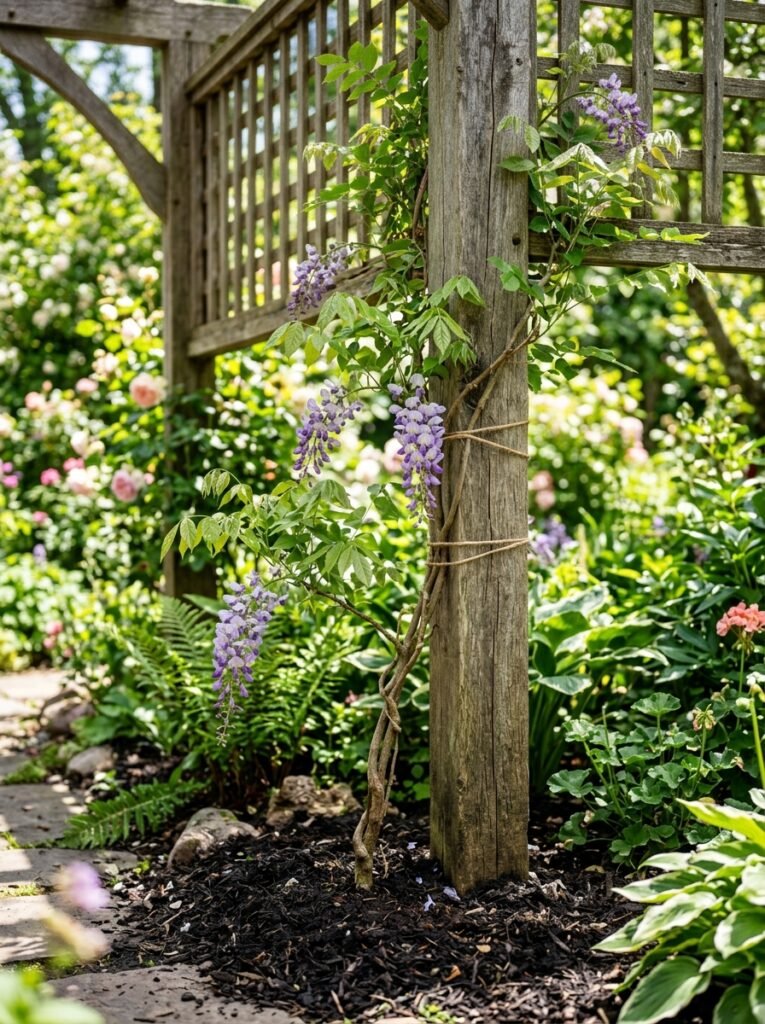
Starting with an established live vine rather than seed gives a wisteria garden a significant head start, since the plant can take several years to reach flowering maturity from seed alone. This wisteria plant live vine arrives already rooted and ready for planting, cutting down the wait time before the first blooming season considerably.

Wisteria Plant Live Vine
Established live wisteria vine for a faster growing garden feature
Check Price on Amazon2. Train the Vine Along a Trellis Arch
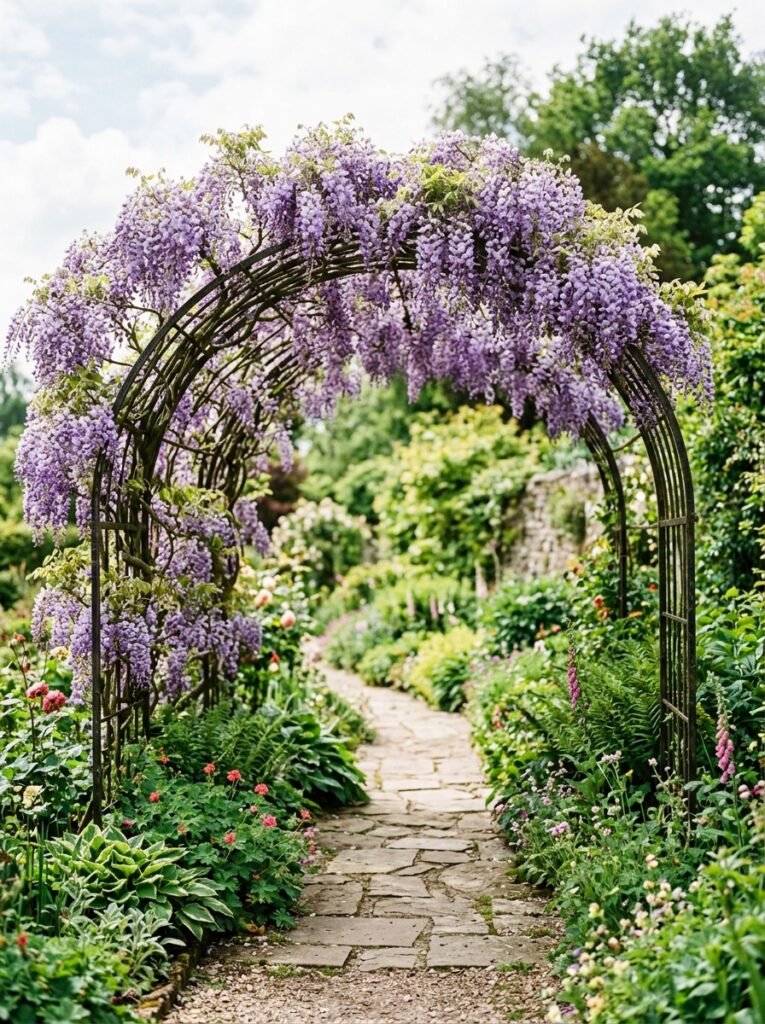
A trellis arch gives wisteria the sturdy vertical structure it needs to support its own significant weight once mature, since the woody vines become genuinely heavy over time. This garden trellis arch wisteria style creates a walkway feature that becomes increasingly dramatic each season as the vine fills in and the blooms cascade further down the sides.

Garden Trellis Arch Wisteria
Sturdy trellis arch for training wisteria into a garden walkway feature
Check Price on Amazon3. Keep Growth Controlled with Proper Pruning
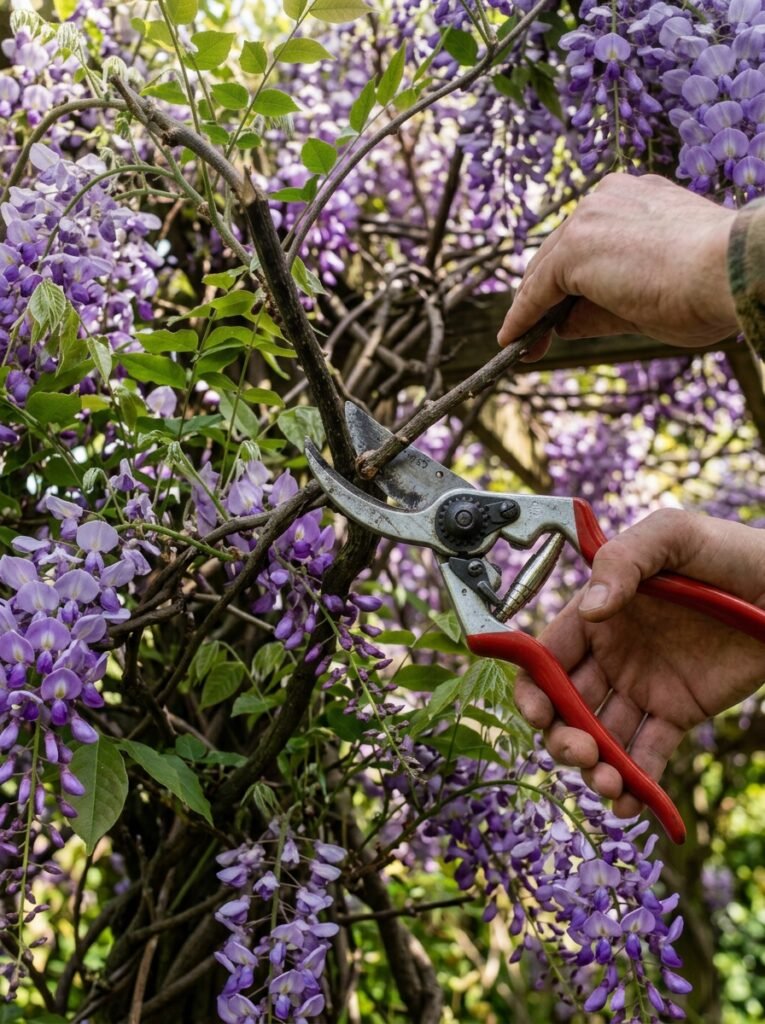
Wisteria is notoriously vigorous and will quickly overtake a structure or nearby plants without regular pruning to keep growth directed and controlled. These wisteria pruning shears handle the woody stems this vine develops as it matures, making seasonal maintenance far more manageable than attempting to cut thick growth with standard scissors.

Wisteria Pruning Shears
Sturdy shears for pruning and controlling vigorous wisteria growth
Check Price on Amazon4. Choose a Striking Purple Flowering Variety
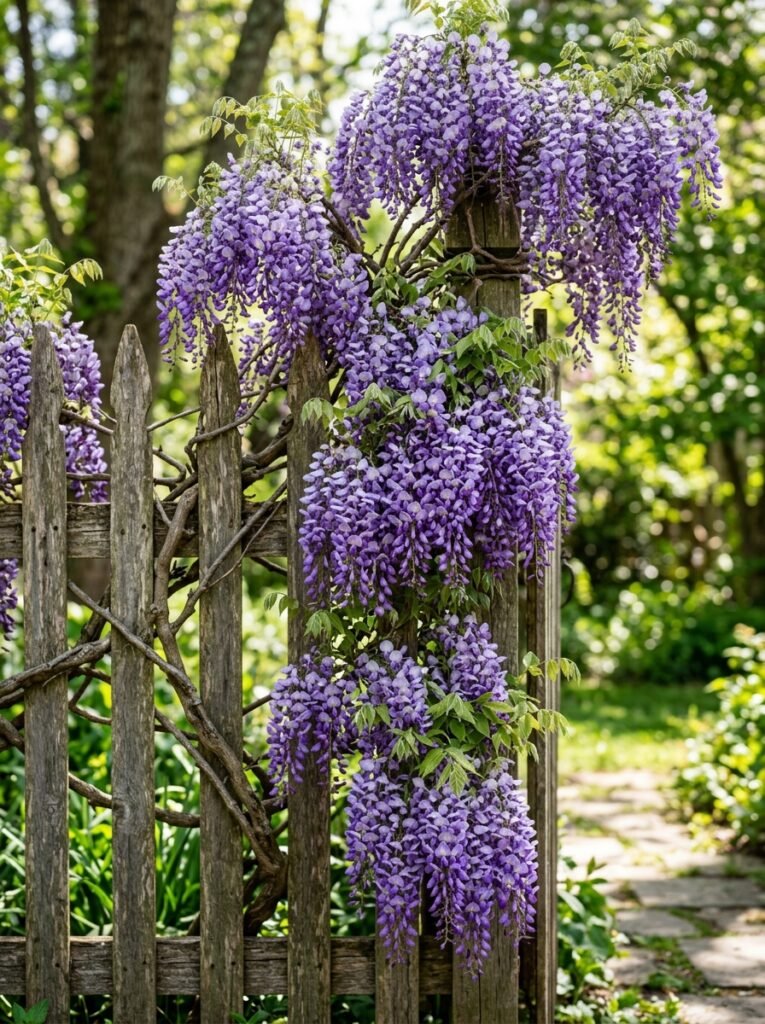
The classic deep purple wisteria bloom remains the most recognizable and dramatic color variety, delivering the cascading effect most gardeners picture when planning this type of feature. This purple flowering vine plant produces long hanging clusters that create genuine visual drama against a fence, wall, or arbor structure.

Purple Flowering Vine Plant
Classic deep purple wisteria variety for dramatic cascading blooms
Check Price on AmazonStart Your 30-Day Home Reset
Stop waiting for a "perfect" free weekend. Grab the 30-day plan and start feeling lighter in your own home by tomorrow.
View the 30-Day Plan Printable PDF · Instant download5. Build a Wooden Arbor for a Classic Look
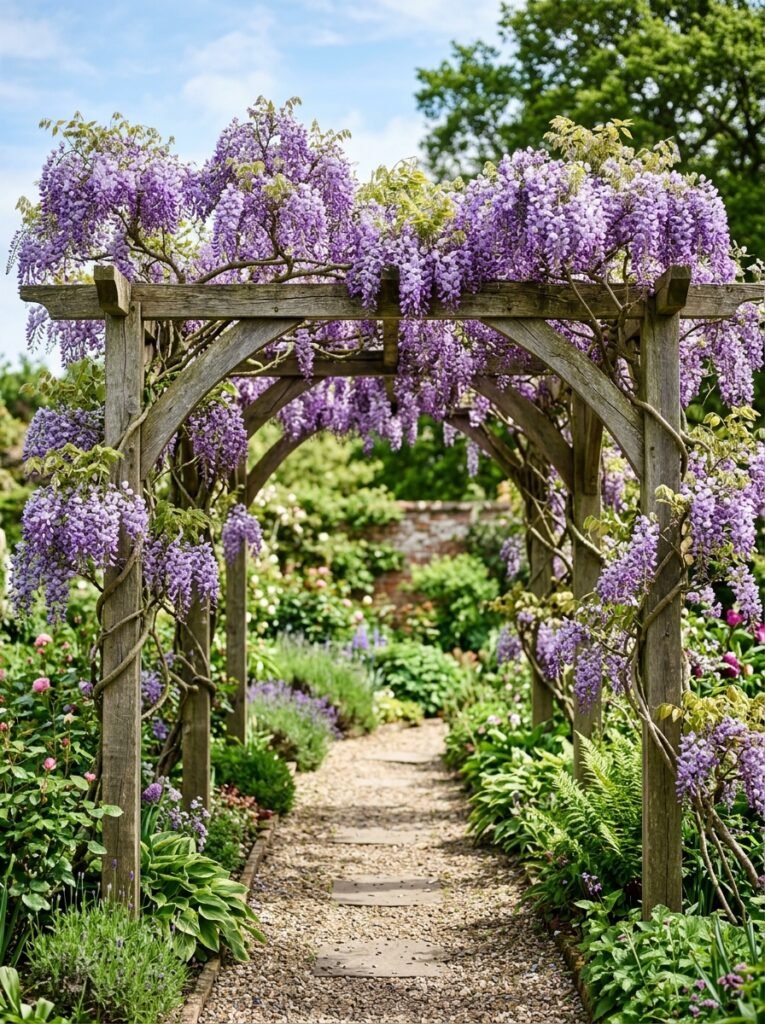
A wooden arbor brings a warm, natural material pairing to wisteria’s already romantic blooms, creating the kind of classic garden feature that only improves in character as the wood weathers alongside the maturing vine. This garden arbor wooden structure provides ample surface area for wisteria to climb while doubling as a shaded seating spot underneath once fully grown in.

Garden Arbor Wooden
Classic wooden arbor for growing a mature wisteria garden feature
Check Price on Amazon6. Guide New Growth with Support Wire
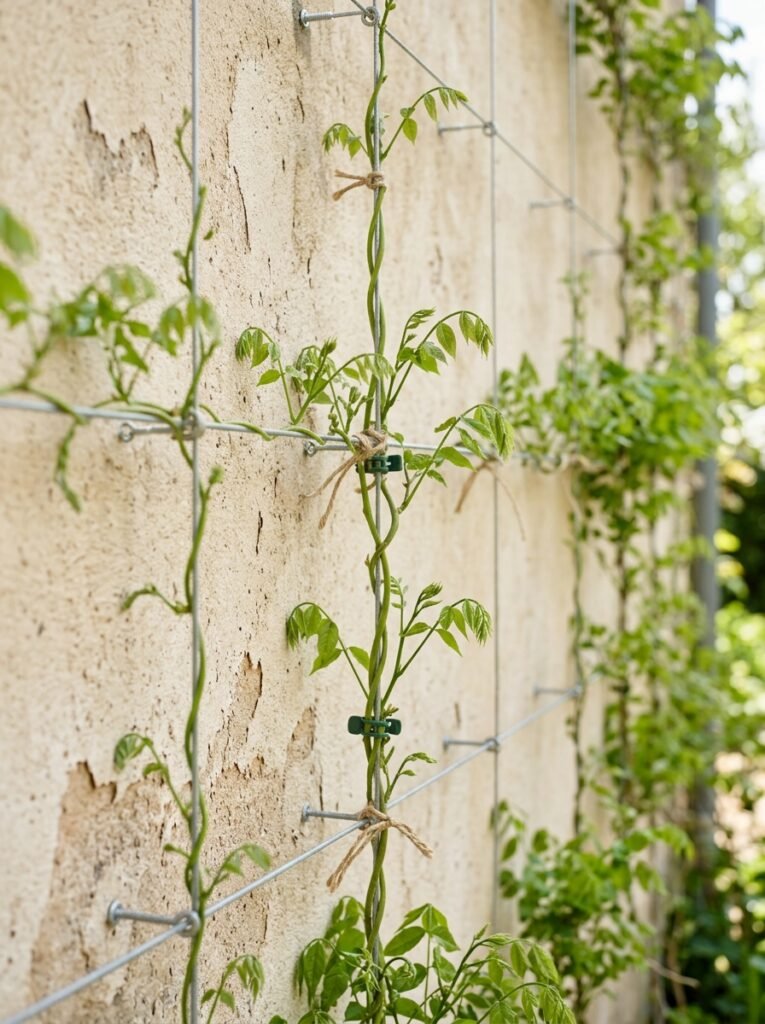
Young wisteria vines benefit from gentle guidance along support wire while the woody growth is still flexible enough to direct in a specific pattern. This climbing plant support wire attaches discreetly to walls or fences, letting the vine’s natural tendrils grip the thin cable as it establishes its climbing pattern.

Climbing Plant Support Wire
Discreet support wire for guiding young wisteria vine growth
Check Price on Amazon7. Design a Japanese Style Wisteria Feature
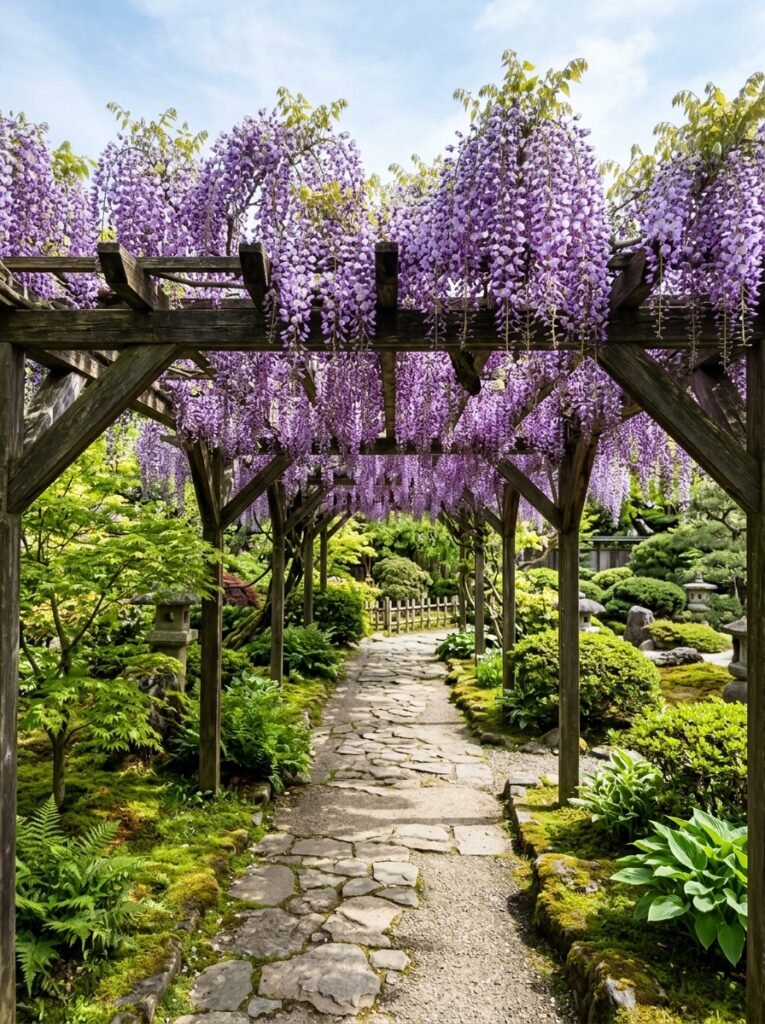
Traditional Japanese gardens often feature wisteria trained over a low, horizontal wooden frame rather than a tall arch, creating the famous tunnel effect where visitors walk beneath a dense ceiling of hanging blooms. This style requires a wider, flatter support structure than a typical arbor, giving the vine room to spread horizontally across the frame’s full surface.
8. Create a Wedding Ready Wisteria Arch
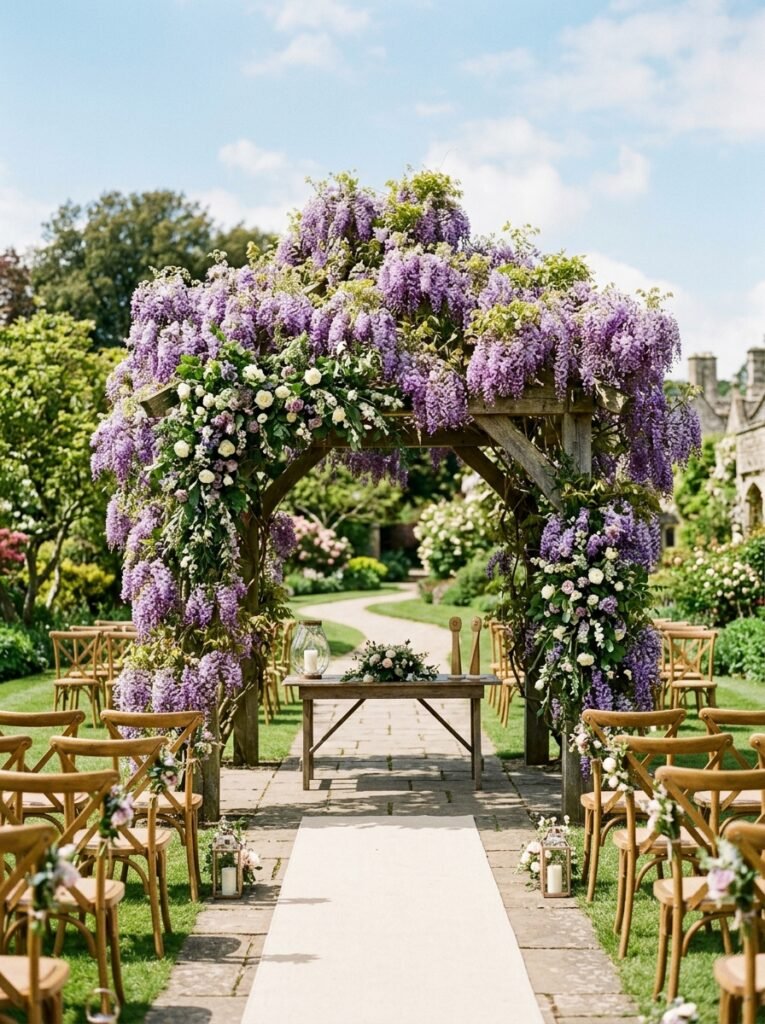
A mature wisteria arch makes a genuinely stunning natural backdrop for an outdoor wedding ceremony, offering the kind of romantic floral display that would otherwise cost significantly more to recreate with cut flowers. Timing the wedding date to coincide with peak wisteria bloom season ensures the arch looks its absolute fullest for the celebration.
9. Explore White Wisteria for a Softer Look
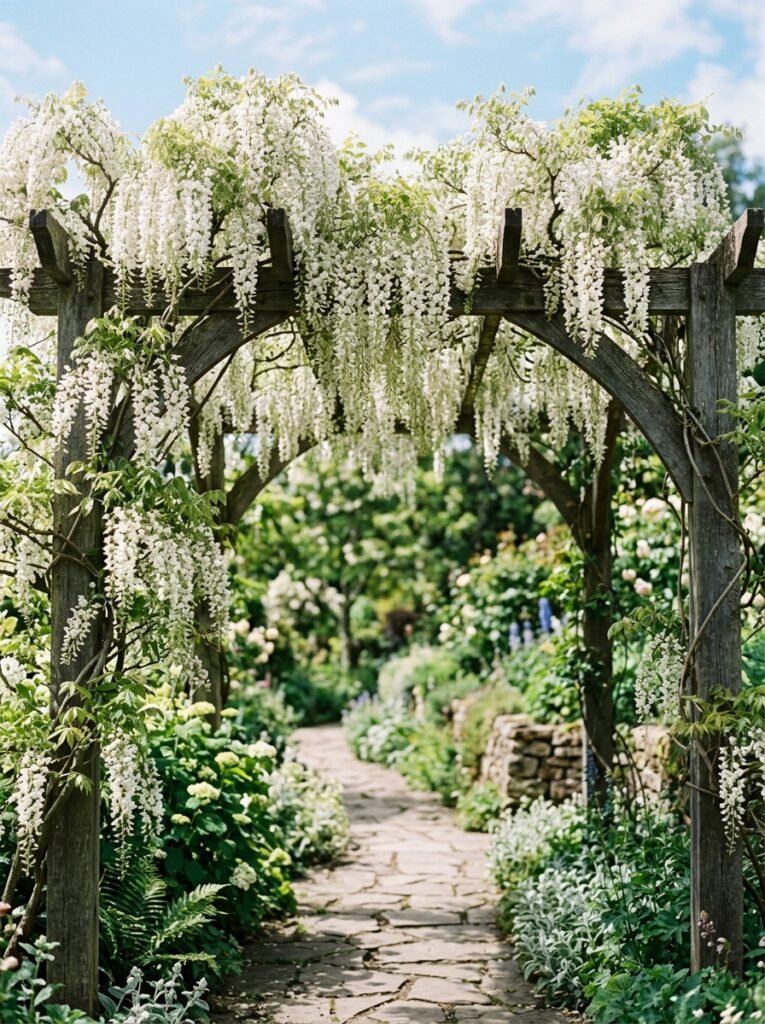
White wisteria offers a softer, more understated alternative to the classic purple variety, working especially well in a garden already built around a white and green color palette. This variation photographs beautifully against dark wood structures, where the pale blooms create striking contrast against the deeper background material.
10. Try a Pink Wisteria Variety
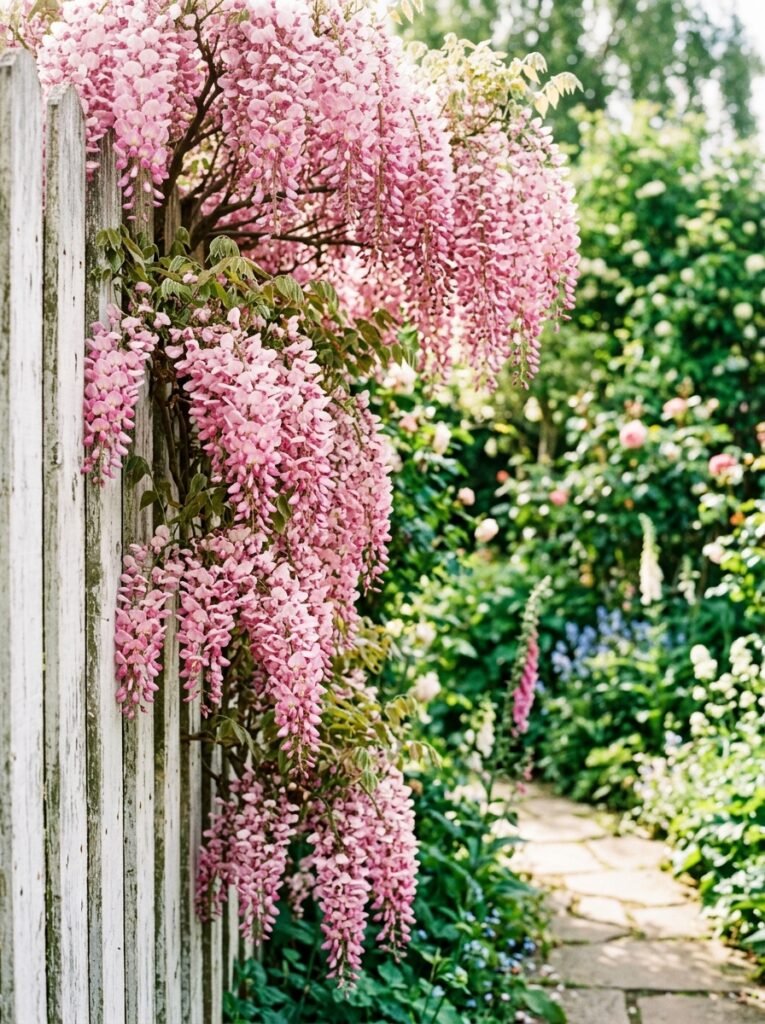
A pink wisteria variety brings a romantic, blush toned alternative that pairs beautifully with cottage garden style plantings nearby. This less common color choice makes a genuinely distinctive statement compared to the more frequently seen purple and white varieties in most residential gardens.
11. Position the Vine for Maximum Sun Exposure
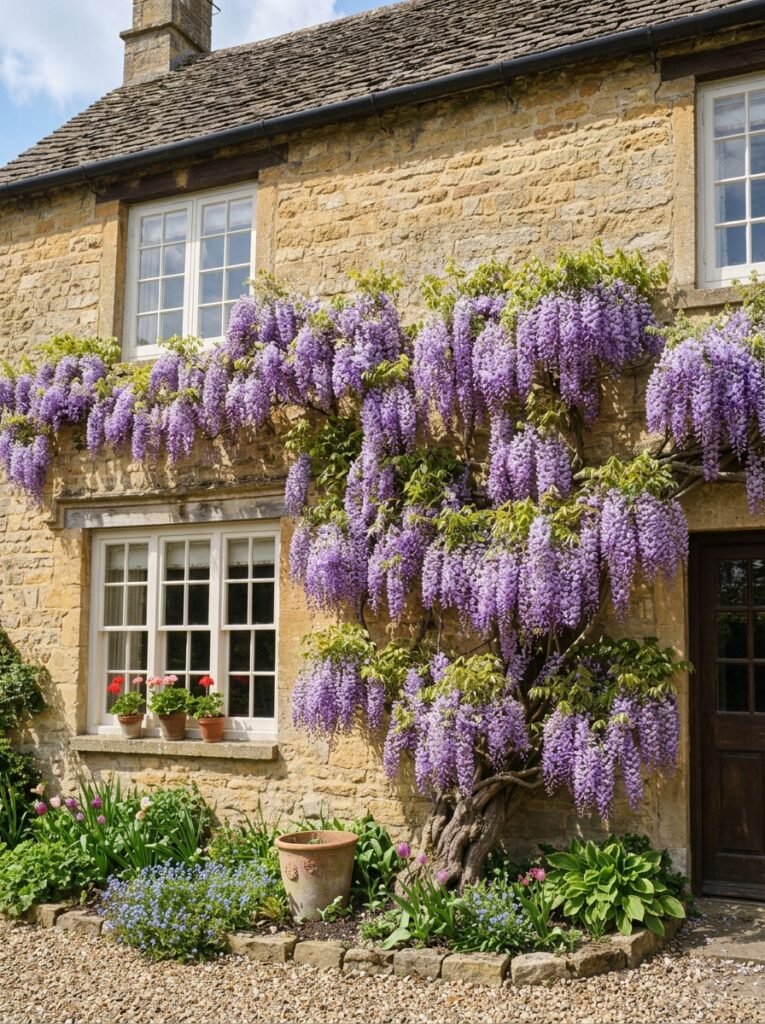
Wisteria requires full sun exposure to bloom reliably, and positioning the planting location with this requirement in mind from the start prevents years of disappointing foliage without flowers. Choosing a south facing wall, fence, or arbor gives the vine the best possible chance at abundant blooming once it reaches maturity.
12. Pair Wisteria with Complementary Garden Plants
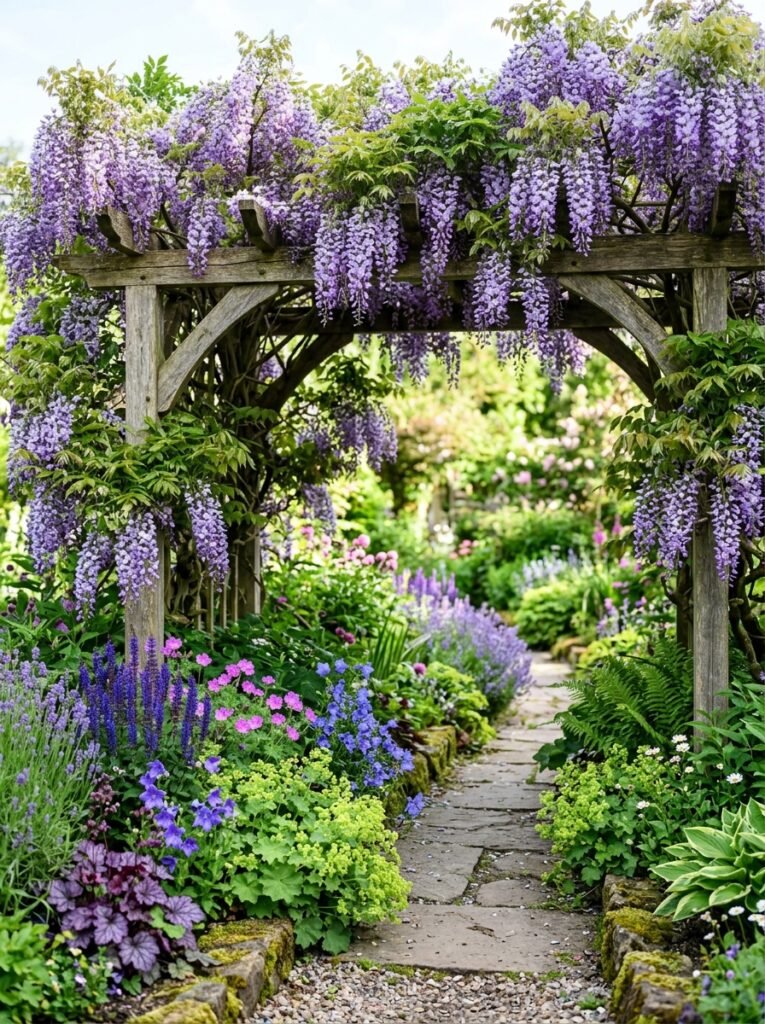
Underplanting the base of a wisteria structure with complementary flowers extends the garden’s visual interest through seasons when the wisteria itself is not in bloom. This layered planting approach pairs well with the mixed bed thinking used in cottage garden ideas and complements the structural elements covered in 45 garden design ideas for a fully cohesive outdoor space.
Final Thoughts on Wisteria Tree Ideas
Growing wisteria successfully requires patience above all else, since the vine can take several years to mature into the dramatic cascading feature most gardeners picture, but proper training and pruning from the very beginning make that eventual payoff far more likely. Starting with a sturdy structure suited to the vine’s substantial mature weight, whether a trellis arch, wooden arbor, or Japanese style frame, sets the foundation for a wisteria display that only becomes more breathtaking with each passing season.


Amir Ali is the founder and site administrator of HomeDecorEdge, a modern home decor and interior design platform. Since starting the site, he has combined his passion for interior design, practical styling, and color coordination with hands-on content strategy and site management. He guides authors, curates high-quality articles, and ensures readers have access to actionable, visually inspiring, and user-focused home decor advice for apartments, small rooms, and family homes.