

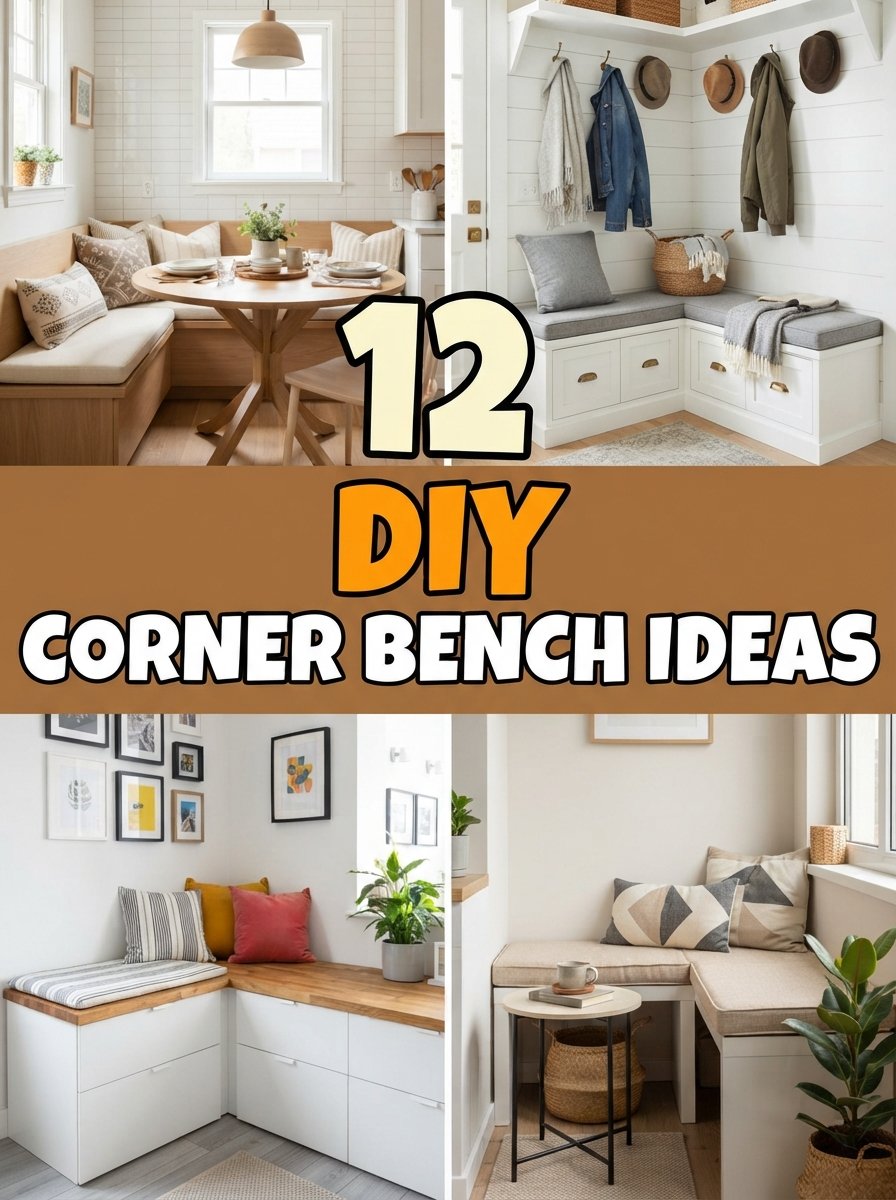
I built my first corner bench because my kitchen had this awkward empty corner that never seemed to fit a normal chair arrangement, and turning it into a built in dining nook genuinely changed how the whole room functioned. Once I got into it, I realized corner benches solve a lot of different problems depending on where you put them, extra seating in a small kitchen, hidden storage in an entryway, or just a cozy reading spot tucked into a room’s dead space. Some of these builds are full weekend projects with drawers and cushions, others are simple Ikea hacks you can put together in an afternoon. I tried to cover a real range here so there is a version whether you are working with a tiny apartment corner or a full dining nook. Here are twelve DIY corner bench ideas that made good use of space I did not know I had.
1. Classic Kitchen Dining Nook Bench
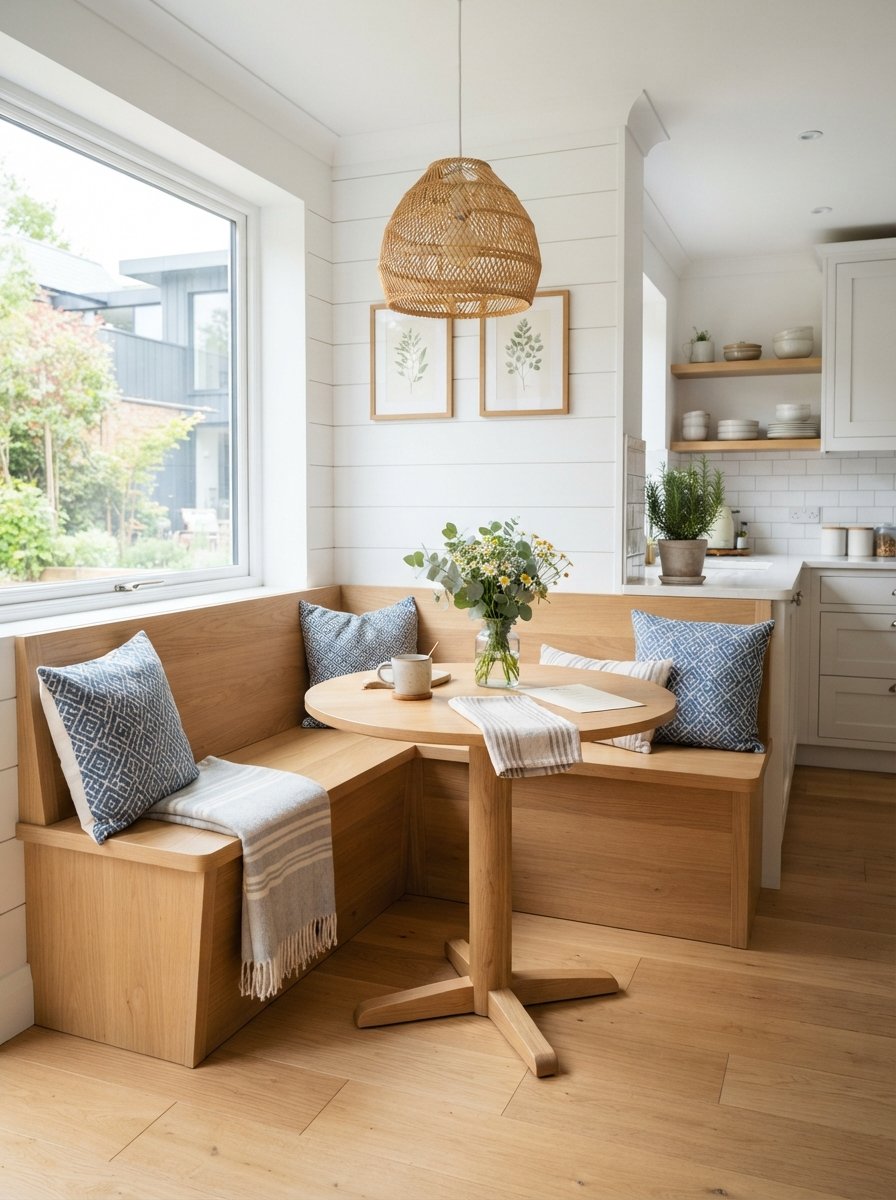
Building a simple L shaped bench into a kitchen corner is honestly one of the best ways to fit more seating around a table without the bulk of extra chairs taking up floor space. I like using a solid wood seat rather than plywood since it holds up better long term against daily use and the occasional spilled drink. A tip I picked up is measuring your table height first and building the bench seat to sit slightly lower, it makes sliding in and out of the nook much more comfortable.
2. Corner Bench with Hidden Storage
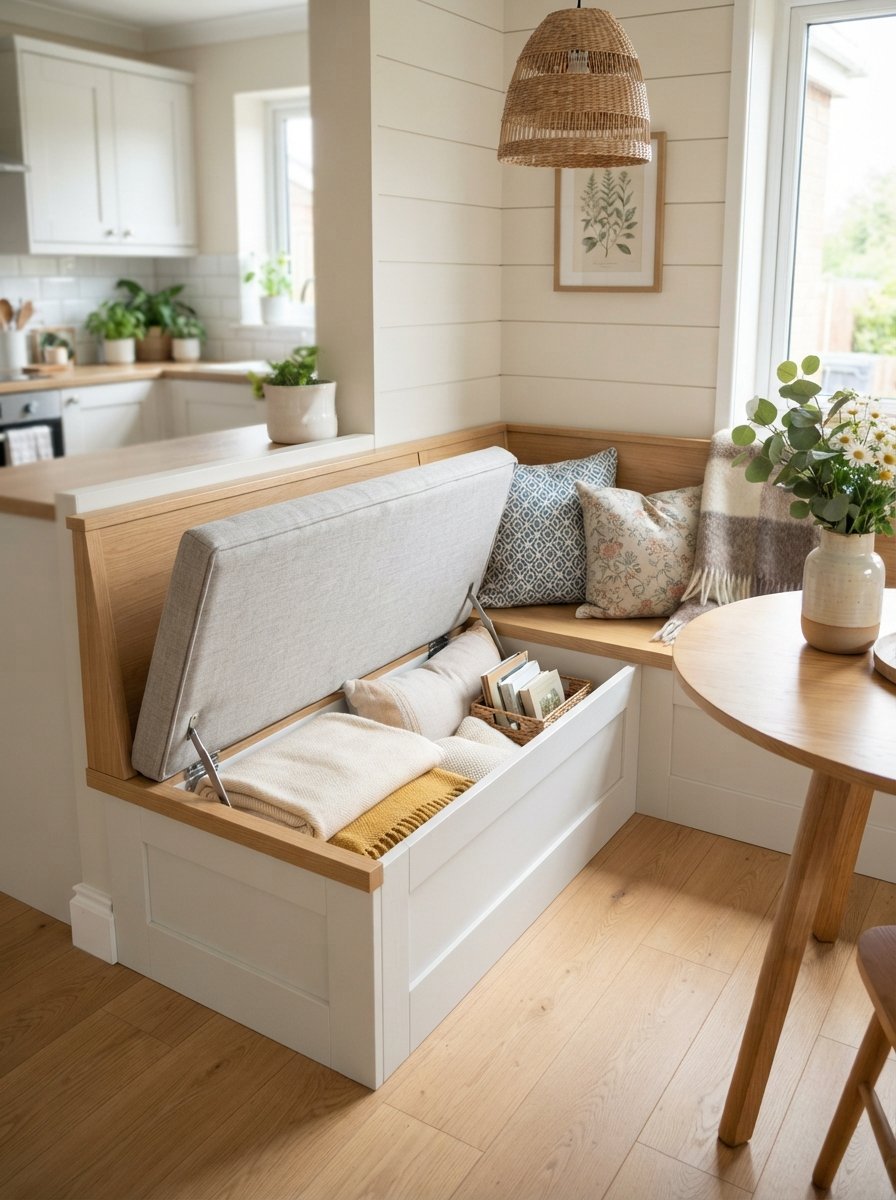
Building the seat with a hinged lid instead of a fixed top turns the bench into hidden storage, which is honestly one of the most requested features once people see this style of bench in person. In my experience adding a soft close hinge is worth the extra cost since a seat that slams shut on its own gets old fast, especially with kids around. This works particularly well for storing seasonal items or extra linens that do not need daily access.
3. Ikea Cabinet Hack Bench
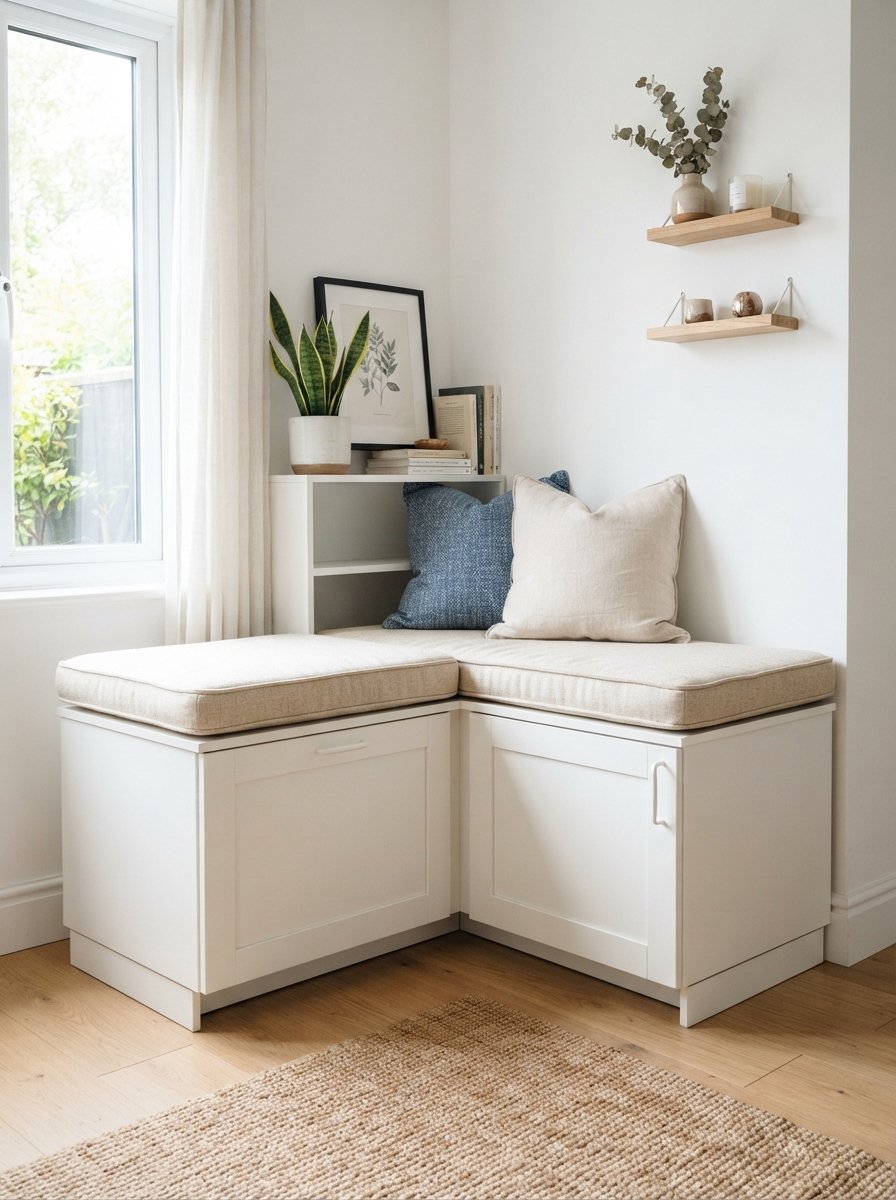
Using a couple of inexpensive Ikea base cabinets as the foundation for a corner bench cuts down on build time significantly since the boxes are already assembled and square. Honestly this is the fastest project on this whole list if you are not comfortable building a frame completely from scratch. A tip here is adding a simple wood top and trim around the cabinets, it hides the factory finish and makes the whole piece look custom built rather than obviously repurposed.
4. Entryway Corner Bench with Drawers
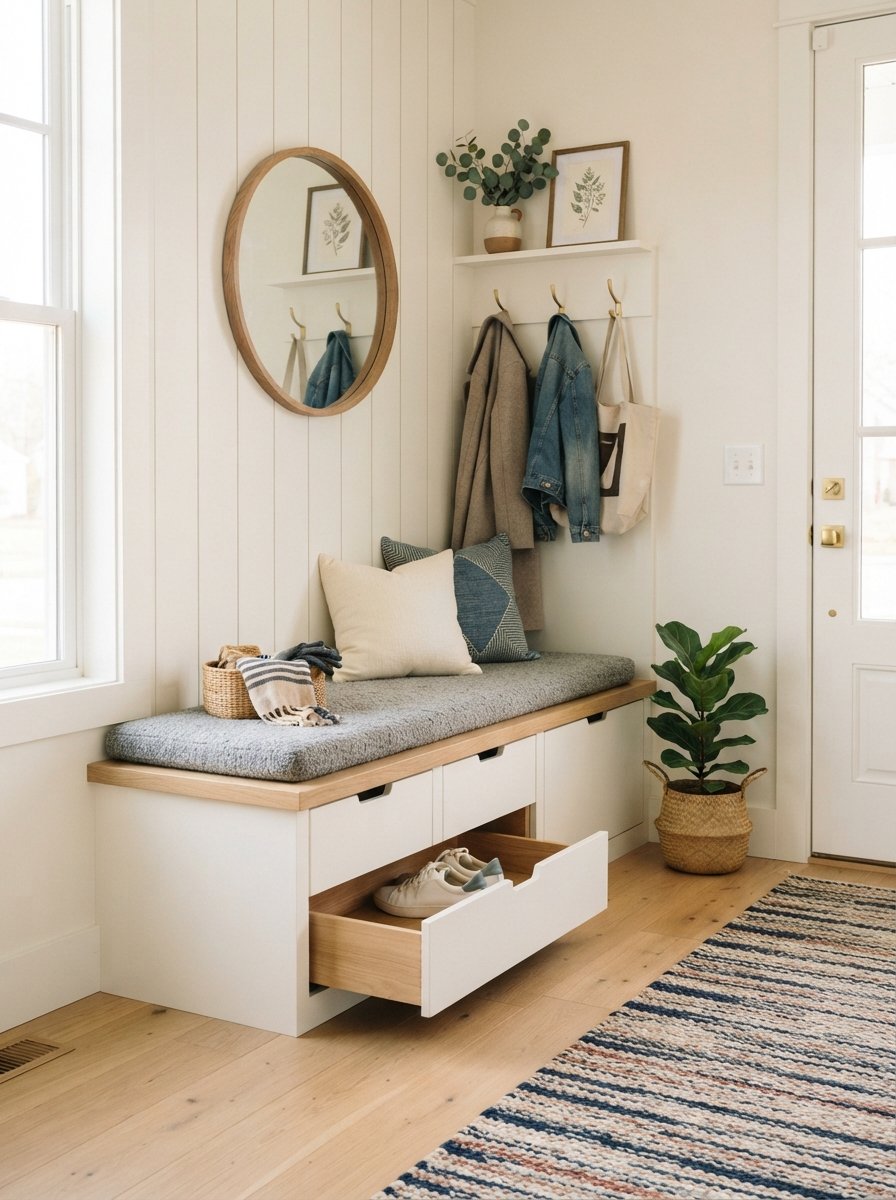
An entryway bench with a couple of drawers built into the base gives you a spot to sit while putting on shoes and a place to store them at the same time. I genuinely think drawers work better than open cubbies for an entryway since they keep shoes hidden from view when guests come by. A practical tip, use full extension drawer slides rather than basic ones, they make a real difference when the drawer is loaded with heavier winter boots.
5. Small Apartment Corner Seat
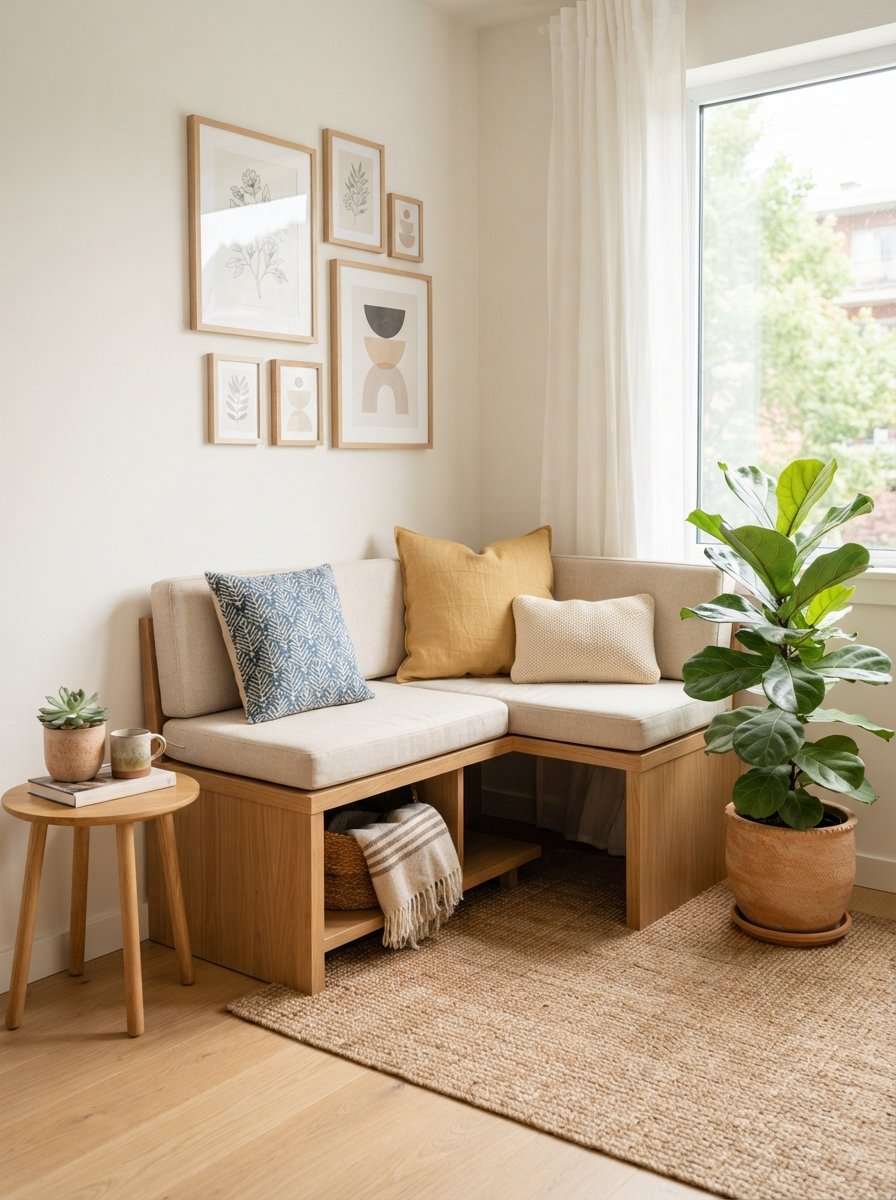
Scaling the whole bench design down to fit a smaller corner is genuinely the best option for apartments where every piece of furniture needs to earn its space. I like keeping the depth shallow, around sixteen inches or so, so the bench functions as extra seating without eating too far into the room. A tip I picked up is choosing a cushion cover you can remove and wash, small apartments tend to get more daily use out of every piece of furniture.
6. Padded Bench Seat Cushion Build
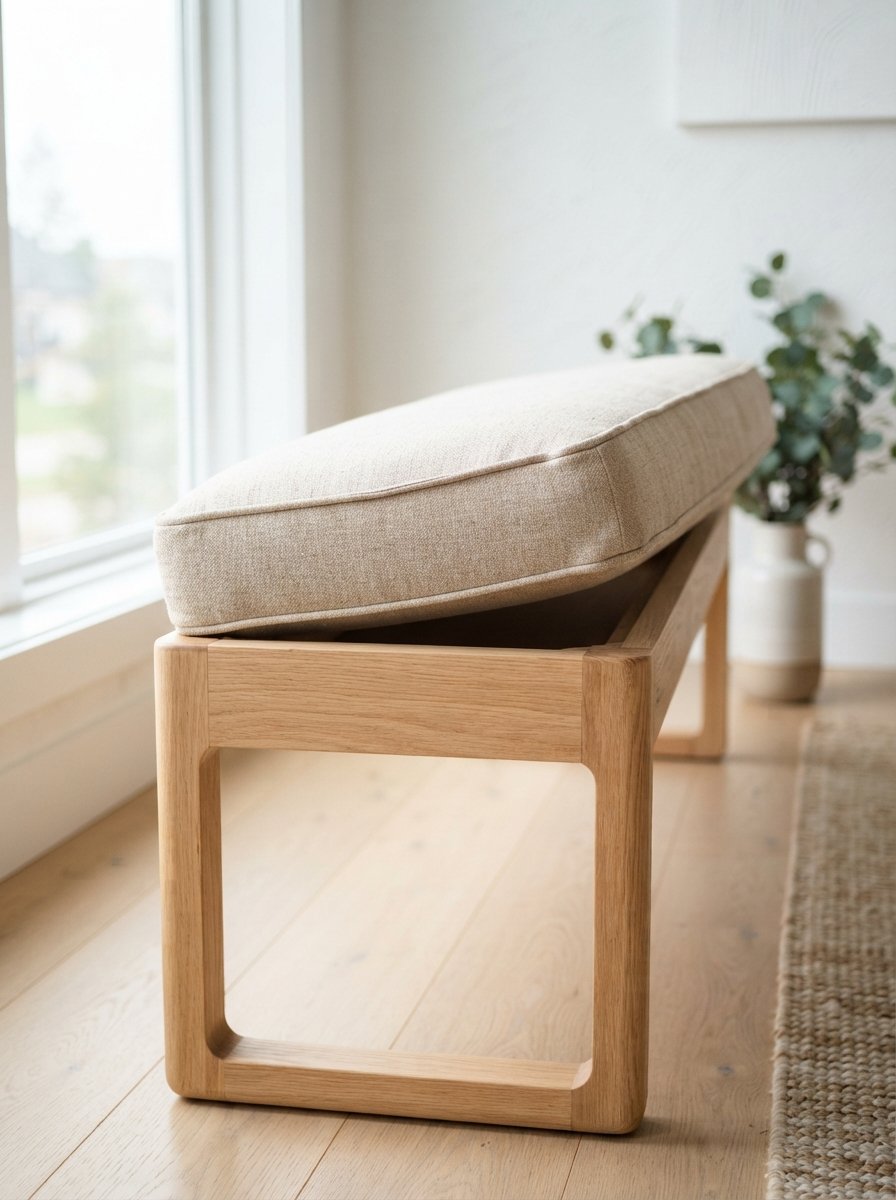
Cutting a piece of high density foam to fit your bench seat and wrapping it in a durable outdoor or performance fabric gives you a cushion that holds up much better than a basic pillow topper would. In my experience a foam thickness of at least three inches makes a real difference in comfort compared to anything thinner. A tip here is stapling the fabric to a plywood base rather than directly to the bench frame, it makes the cushion removable for cleaning or replacing the fabric later.
7. Rustic Farmhouse Corner Bench
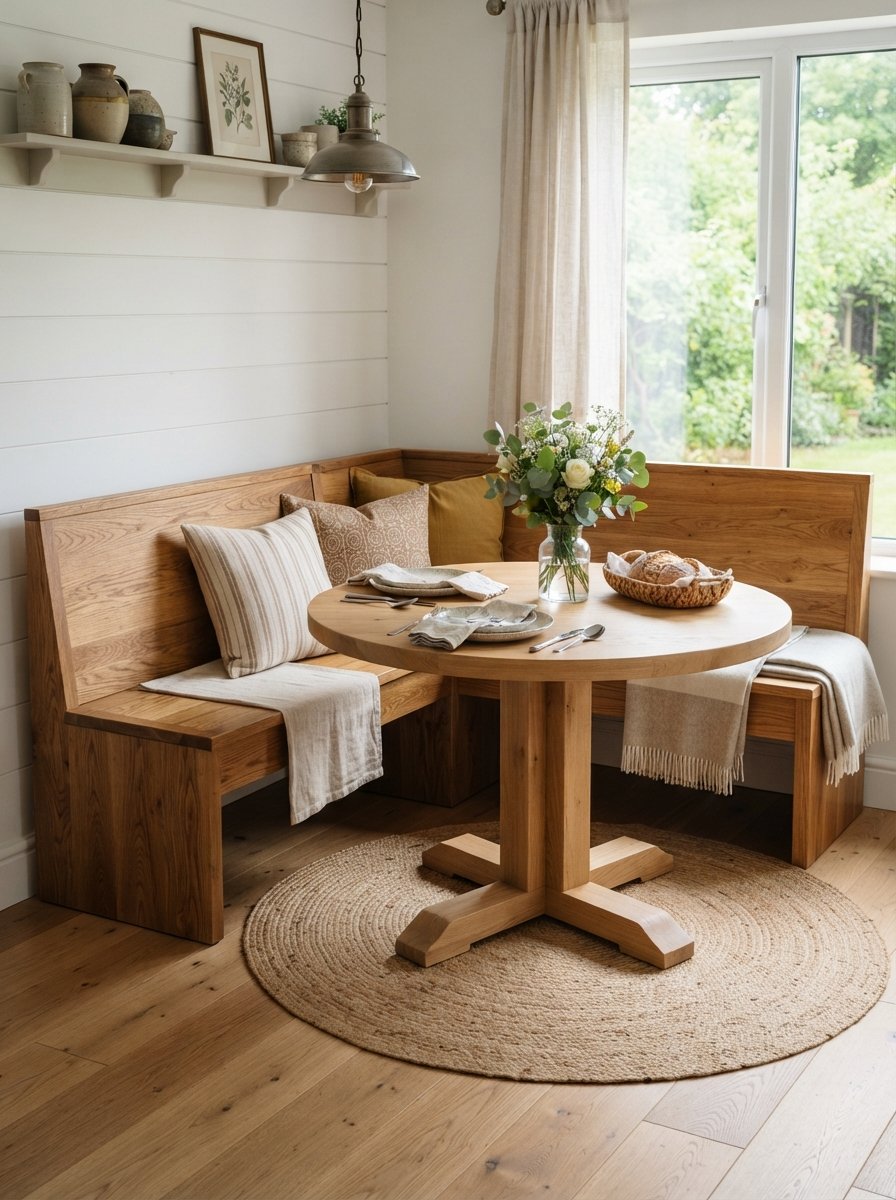
A corner bench built from thicker, rougher cut lumber and finished with a simple oil rather than a glossy polyurethane gives it that classic farmhouse character. Honestly the slight imperfections in the wood grain are what sell this look, so resist the urge to sand everything perfectly smooth. This style pairs really well with a reclaimed wood table and mismatched chairs on the open side of the nook.
8. Modern Minimalist Bench Design
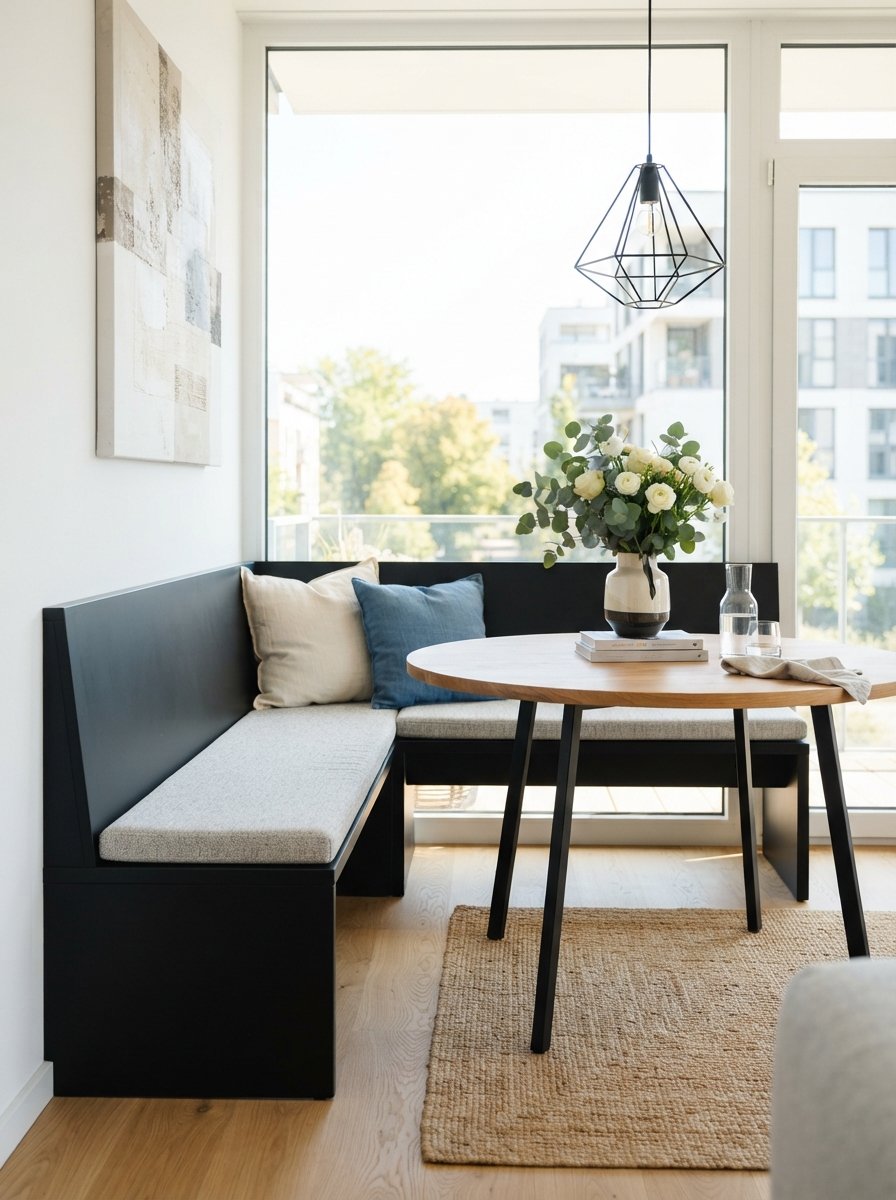
Keeping the design to clean, straight lines with no visible hardware or trim gives a corner bench a much more modern feel that fits well in a minimalist dining room. I genuinely think a matte black or dark walnut finish reads as more intentional than natural wood tones in this particular style. A practical tip, hide any support brackets underneath the seat where they cannot be seen, exposed hardware breaks the clean look this style depends on.
9. Outdoor Corner Bench Seating
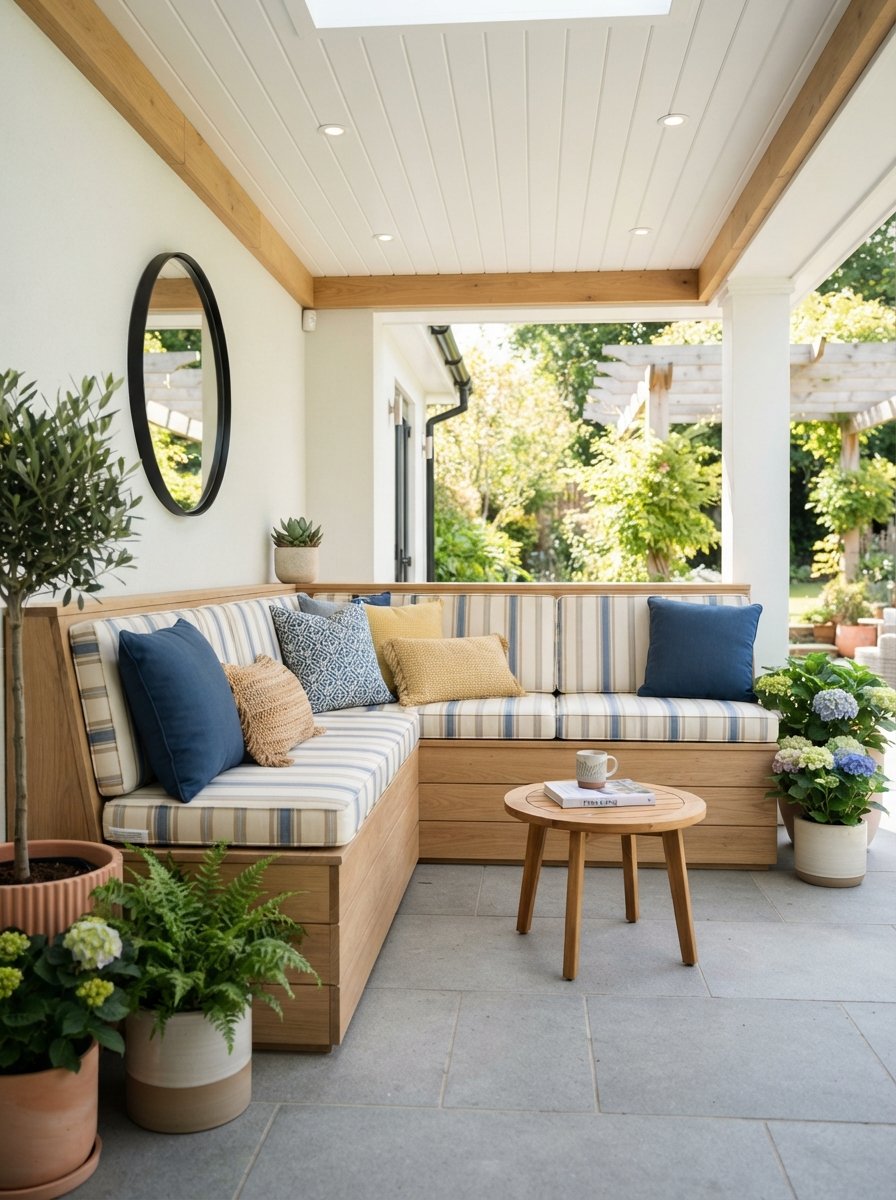
Building a corner bench for a covered patio uses the same basic construction as an indoor version but with pressure treated or cedar wood and a weather resistant finish. A tip I picked up is leaving small gaps between the seat boards rather than a solid surface, it lets rainwater drain through instead of pooling on top. This setup genuinely maximizes seating on a patio where floor space for individual chairs is more limited.
10. Bay Window Corner Bench Nook
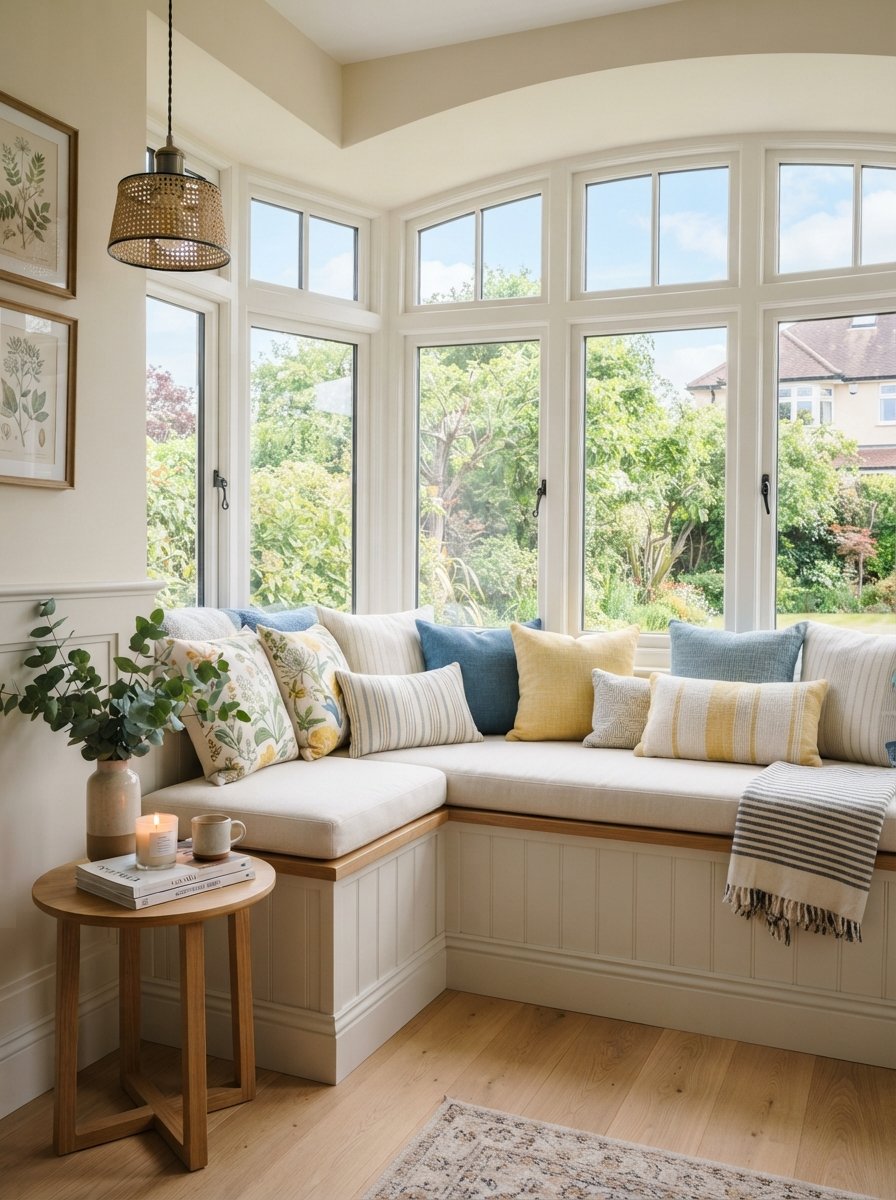
Fitting a bench into a bay window area turns an often awkward architectural space into a genuinely cozy reading or seating nook. In my experience this build takes more careful measuring than a standard square corner since bay windows often have angled walls that need custom cut pieces. This is one of the more rewarding builds on this list once finished since the finished result usually becomes the most used spot in the room.
11. Two Tier Storage Corner Bench
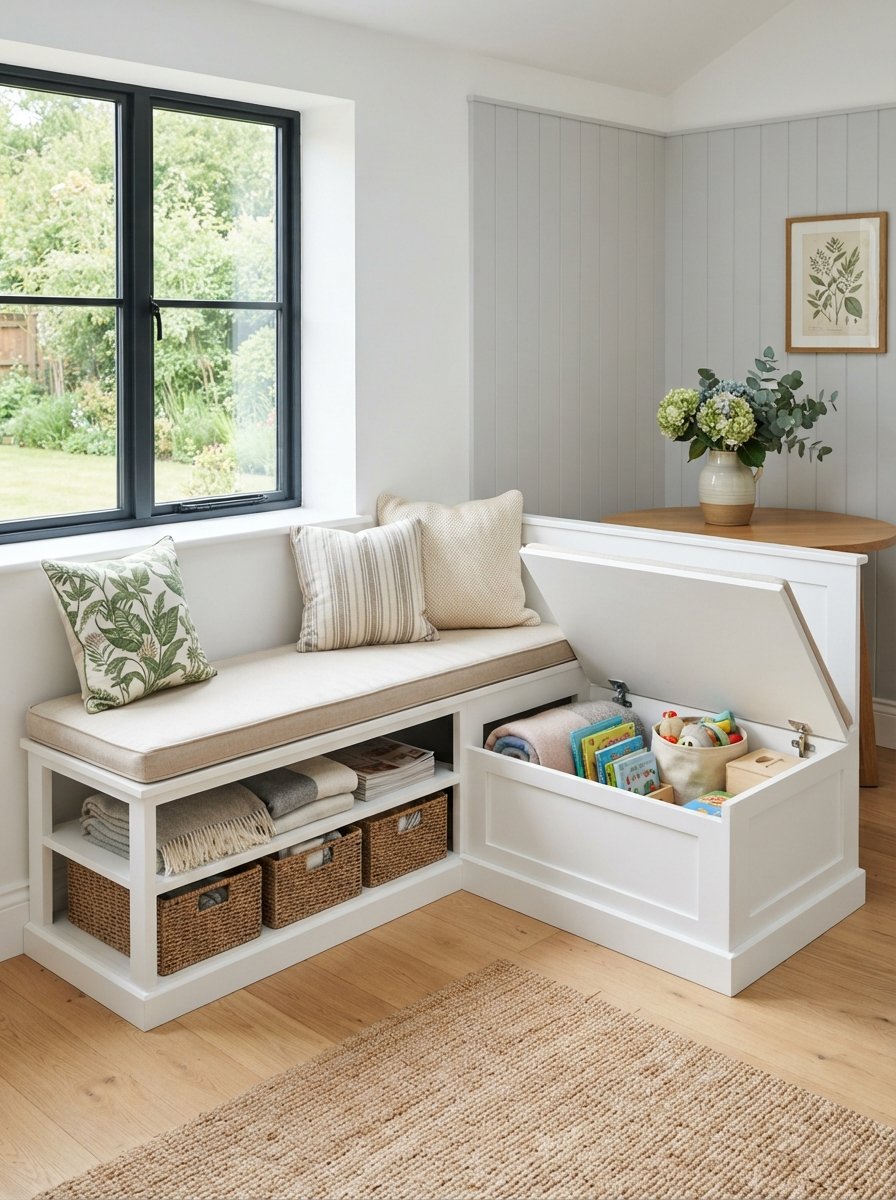
Combining an open lower shelf with a lift up seat compartment gives this bench two separate storage zones instead of just one, which genuinely helps in a small kitchen where storage is always at a premium. I like using the open lower shelf for baskets holding everyday items and reserving the hidden seat storage for things used less often. A tip here is making sure the open shelf height still allows enough legroom when someone is seated, it is an easy detail to miscalculate.
12. Finished Trim and Molding Detail Bench
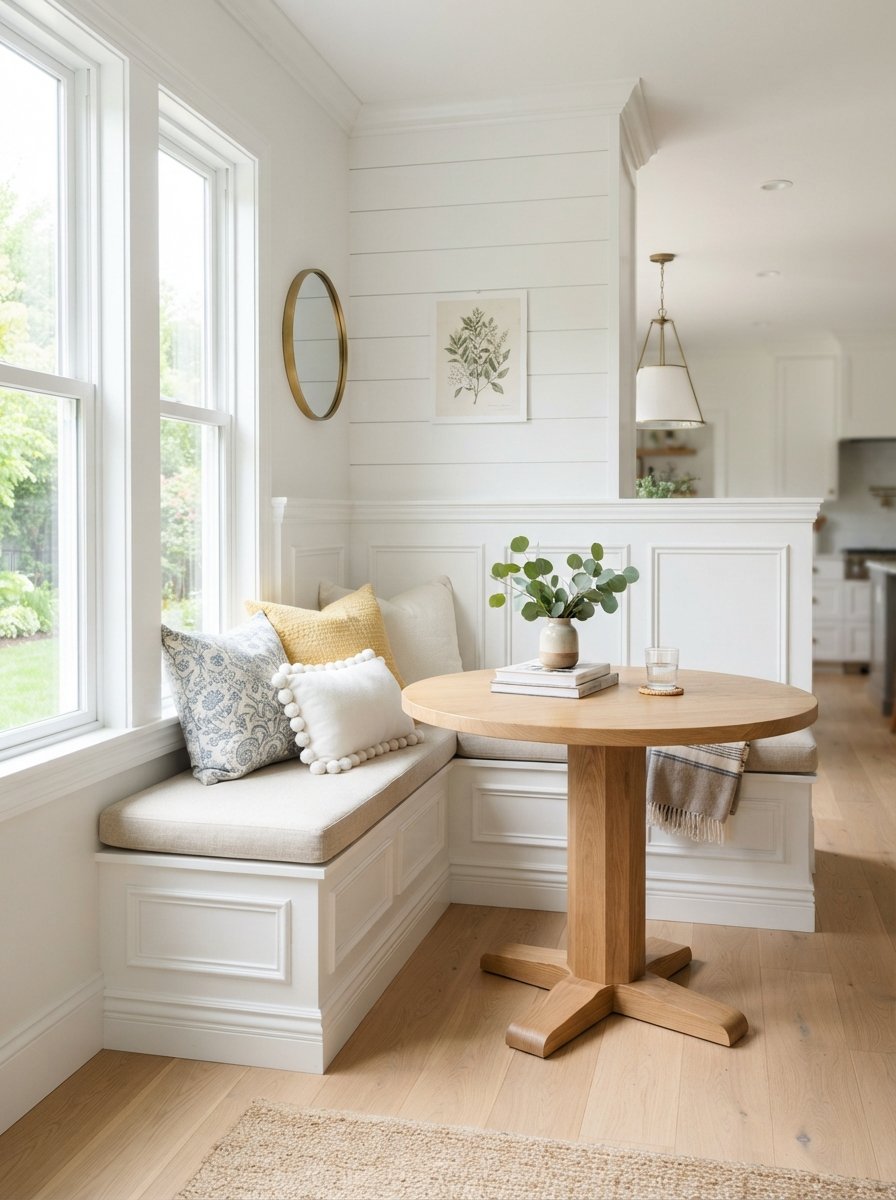
Adding simple trim and molding along the base and backrest of a corner bench takes it from a basic box shape to something that looks like a genuinely custom built in piece. A practical tip, paint the trim the same color as your existing wall trim or baseboards, it ties the bench into the room’s existing woodwork instead of looking like a separate addition. This is a great final step for any of the builds on this list if you want a more polished, finished look.
Final Thoughts on DIY Corner Bench Ideas
Looking back at all twelve of these, the right build really depends on the space you are working with and whether storage or seating comfort matters more for your household. The Ikea hack version is genuinely the fastest route if you want results without a full build from scratch, while something like the bay window nook or two tier storage bench takes more planning but delivers a much more custom result. Whichever version you choose, a corner bench is one of those projects that tends to make an awkward, underused space finally feel worth sitting in.


Amir Ali is the founder and site administrator of HomeDecorEdge, a modern home decor and interior design platform. Since starting the site, he has combined his passion for interior design, practical styling, and color coordination with hands-on content strategy and site management. He guides authors, curates high-quality articles, and ensures readers have access to actionable, visually inspiring, and user-focused home decor advice for apartments, small rooms, and family homes.