

Sewing is one of those skills where the gap between a complete beginner and someone producing genuinely useful and beautiful things is surprisingly small. A few basic stitches learned on simple projects — a tote bag, a pillowcase, a drawstring pouch — build the confidence and muscle memory that transfers directly to more ambitious projects like clothes and stuffed animals. These simple sewing projects start with the most accessible beginner builds and progress through to gift-worthy projects that look far more skilled than the techniques involved actually require.
This post contains affiliate links. If you purchase through these links I may earn a small commission at no extra cost to you.
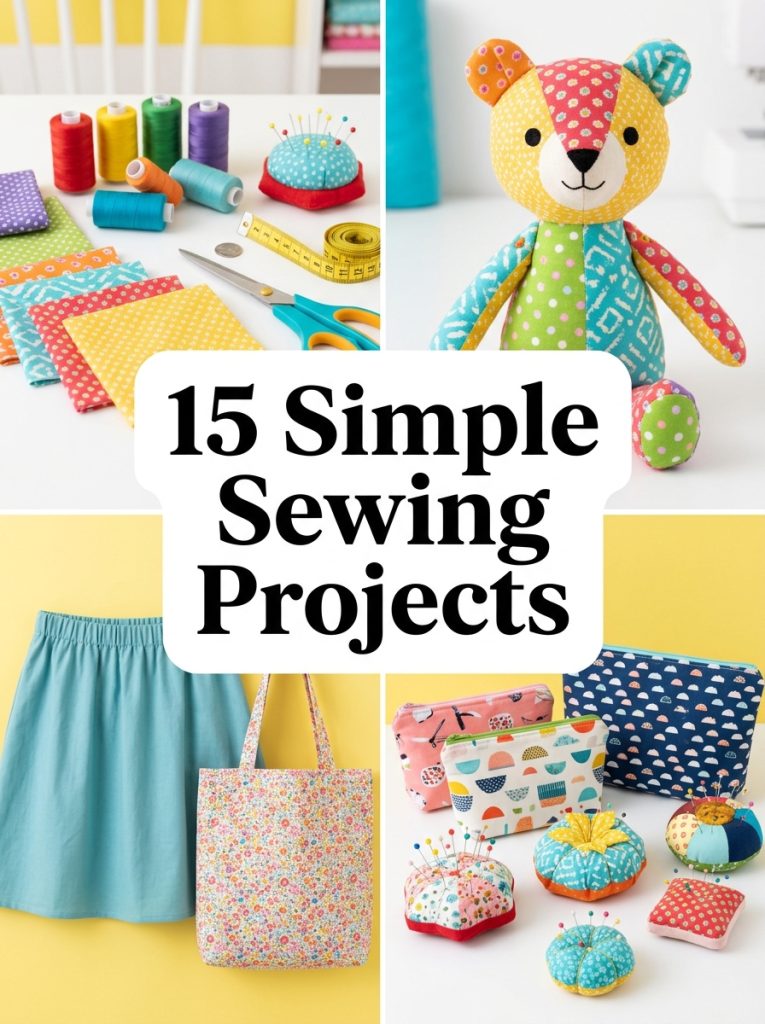
The best first sewing project is the one simple enough to finish in an afternoon but useful enough to actually want to keep.
1. Start with a Complete Beginner Sewing Kit
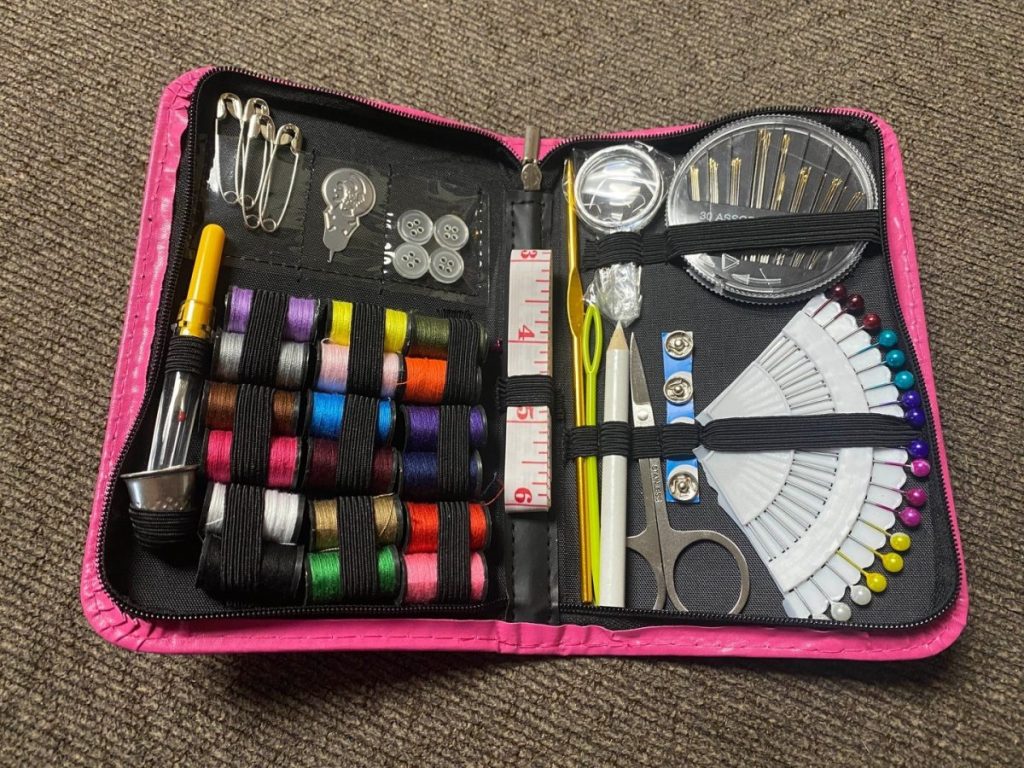
Having the right tools makes the difference between a frustrating first sewing experience and one that feels manageable and enjoyable. This sewing kit beginner complete set has every tool needed to start hand sewing projects immediately without sourcing needles, thread, scissors, and measuring tape separately. A complete kit also ensures the right needle size is available for different fabric weights since using the wrong needle for a fabric is one of the most common causes of beginner frustration.
Materials Needed:
- Complete beginner sewing kit
- Fabric for the first project
- Thimble for hand sewing protection
- Iron for pressing seams
How to Make It:
- Inventory all kit contents and familiarize with each tool before starting any project.
- Thread a needle using the needle threader included in most kits — this alone saves significant frustration.
- Practice a basic running stitch on a scrap of fabric before working on the actual project.
- Keep all kit contents in the original case so nothing gets lost between sessions.
- Add additional thread colors as projects require rather than buying a full range upfront.

Complete Beginner Sewing Kit
All-in-one kit with every tool needed to start sewing immediately without buying supplies separately.
Check Price on Amazon2. Use a Beginner Sewing Machine
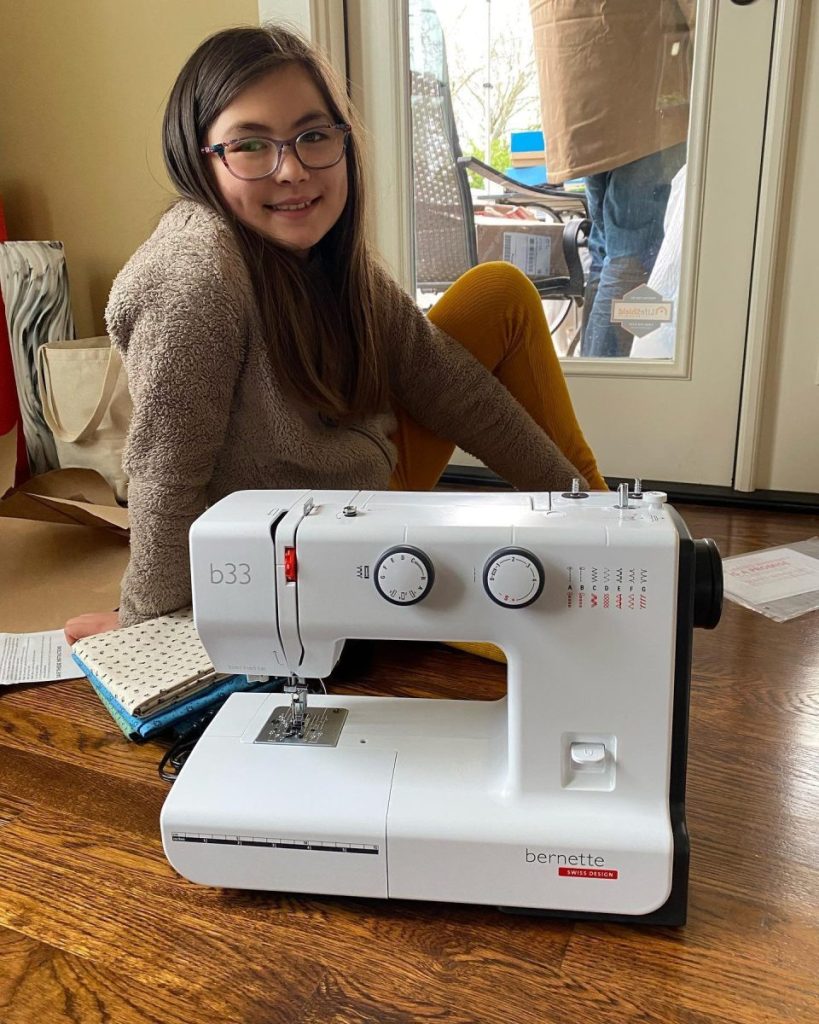
A beginner sewing machine opens up every project on this list to a faster and more consistent result than hand sewing alone, and modern entry-level machines are genuinely easier to set up and use than machines from even ten years ago. This sewing machine beginner easy has automatic threading, pre-set stitch patterns, and a clear manual that walks through the setup process step by step. Invest the first session in practicing straight seams on scrap fabric until the feed is consistent before starting any real project. For more craft project ideas check out these DIY room decor ideas.
Materials Needed:
- Beginner sewing machine
- Bobbins and spare needles
- Scrap fabric for practice
- Seam ripper for mistakes
How to Make It:
- Set up the machine on a stable table at a comfortable seated height.
- Thread the machine following the numbered threading guides on the machine body.
- Wind a bobbin and insert correctly before any sewing begins.
- Practice on scrap fabric at a slow speed until straight seams feel consistent.
- Adjust tension settings if stitches look loose on top or pulling tight underneath.

Beginner Easy Sewing Machine
Easy-setup beginner machine with auto threading and pre-set stitches for first sewing projects.
Check Price on Amazon3. Choose a Cotton Fabric Bundle
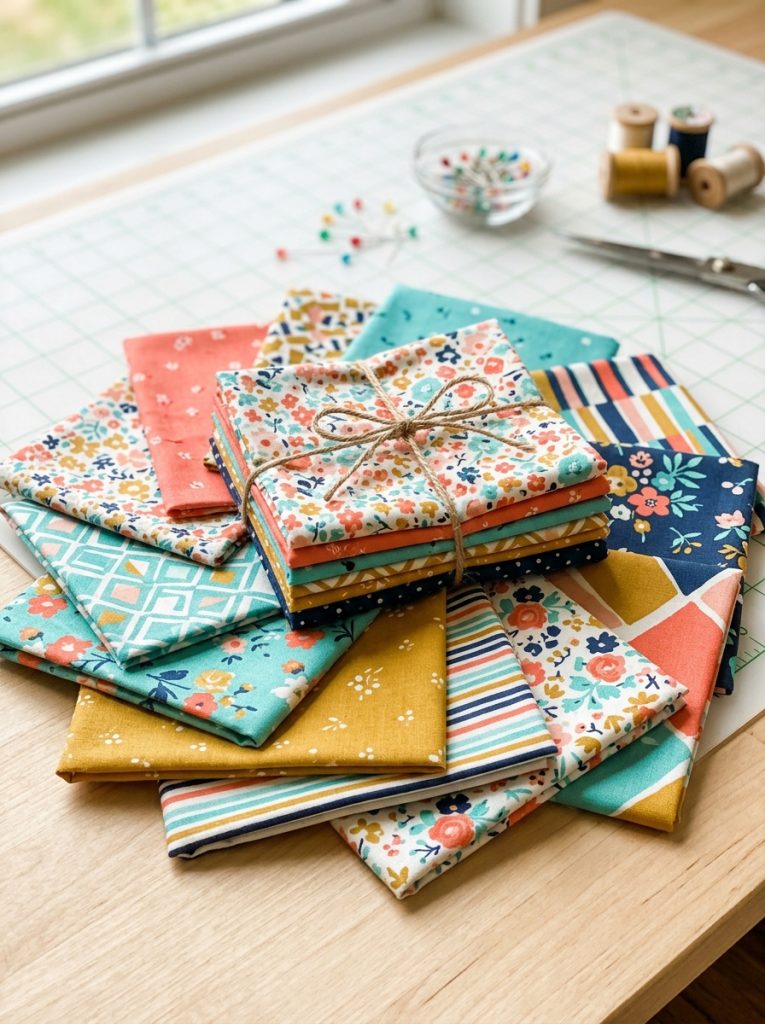
Choosing the right fabric for a beginner project makes the sewing itself significantly easier — cotton is the most forgiving beginner fabric because it presses flat, holds pins well, does not stretch during sewing, and cuts cleanly without fraying as aggressively as synthetic fabrics. This sewing fabric cotton bundle has coordinating fat quarters that provide enough fabric for several small projects while ensuring the prints work together for any project that combines multiple fabrics. Pre-wash cotton fabric before cutting since most cotton shrinks significantly in the first wash.
Materials Needed:
- Cotton fat quarter fabric bundle
- Washing machine for pre-washing
- Iron for pressing after washing
- Fabric scissors kept separate from paper scissors
How to Make It:
- Pre-wash all fabric before cutting to remove shrinkage and fabric sizing.
- Press flat with an iron while still slightly damp for the smoothest cutting surface.
- Fold fabric on the straight grain before cutting for accurate piece shapes.
- Use sharp fabric scissors rather than paper scissors which crush rather than cut fabric fibers.
- Store cut pieces in labeled zip bags so they stay organized between sewing sessions.

Cotton Fabric Bundle for Sewing
Coordinating cotton fat quarters — the most beginner-friendly fabric type for any first sewing project.
Check Price on Amazon4. Stock Up on Assorted Thread Colors
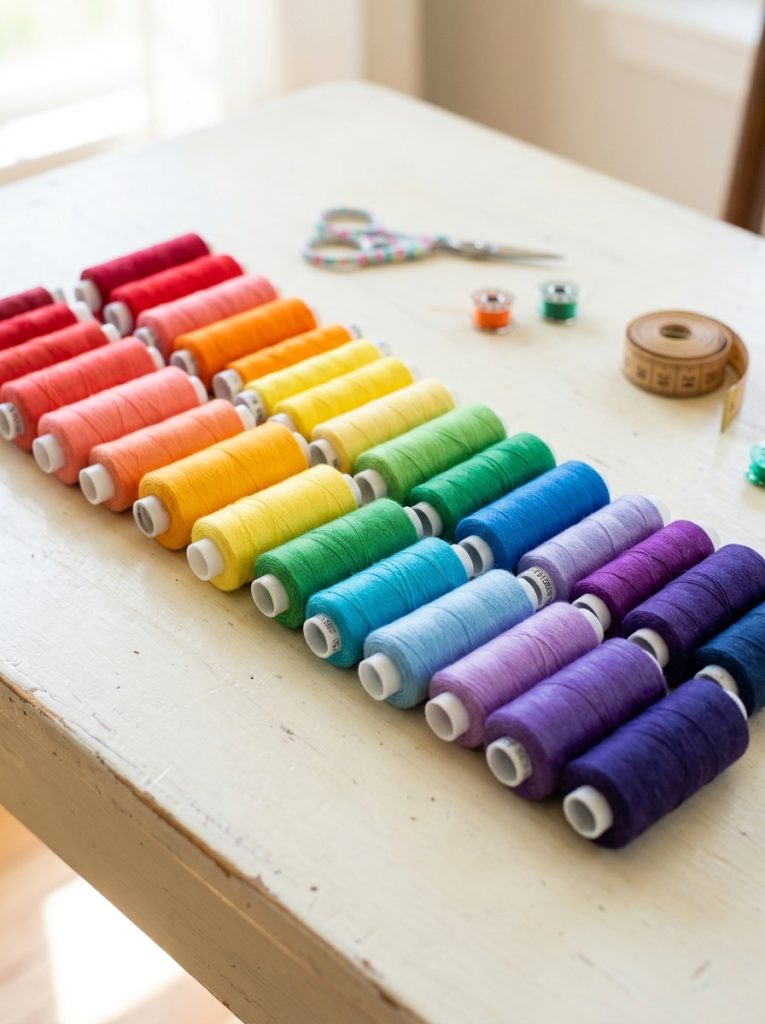
Having a full range of thread colors available means never having to stop a project to source matching thread for a specific fabric. This sewing thread set assorted colors covers the most commonly needed colors for clothing, gifts, and home projects in one purchase. Match thread color to the dominant fabric color for seams that disappear into the fabric, or deliberately contrast for a decorative visible stitch effect on projects where the stitching is meant to be seen.
Materials Needed:
- Assorted thread color set
- Thread organizer or storage box
- Needle appropriate for thread weight
- Bobbin wound in matching color
How to Make It:
- Organize thread spools by color family before storing so the right color is findable quickly.
- Always wind a bobbin in the same thread as the top thread before starting any project.
- Test stitch tension on scrap fabric whenever switching to a new thread weight or type.
- Store thread away from direct sunlight which weakens fiber over time.
- Keep scissors specifically for cutting thread rather than fabric to maintain both.

Assorted Color Sewing Thread Set
Full color range thread set that covers every project without sourcing individual thread colors.
Check Price on Amazon5. Learn from a Beginner Pattern Book
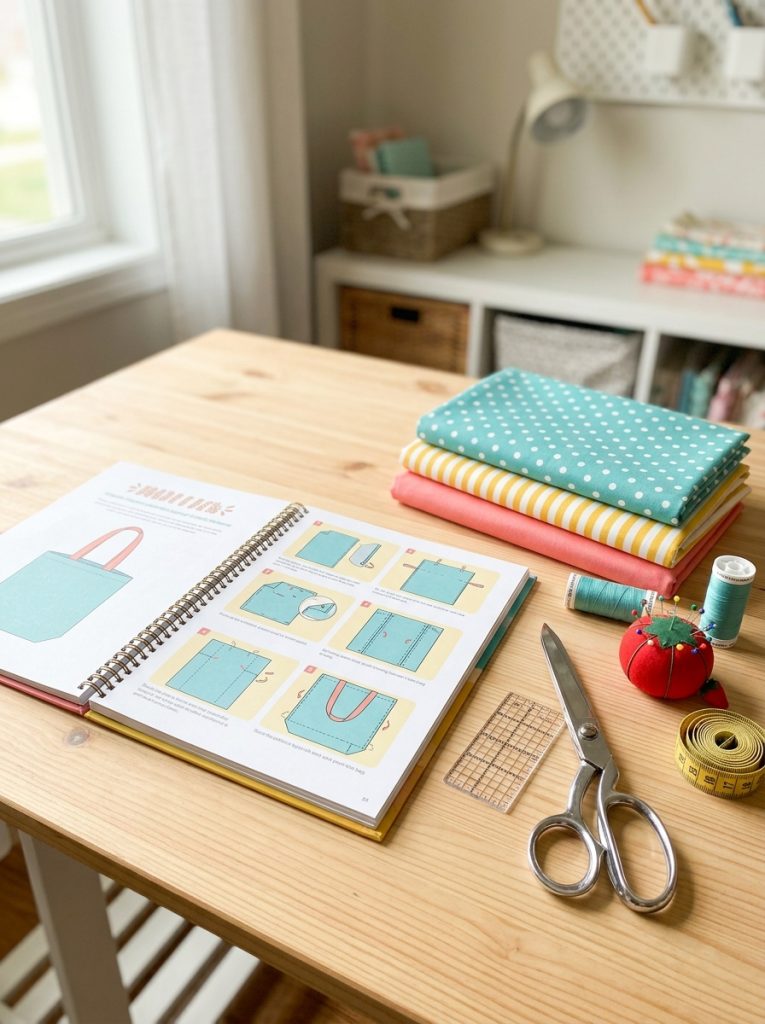
A good beginner sewing pattern book provides both the patterns and the technique instruction in one place, eliminating the need to cross-reference multiple online tutorials while trying to follow a pattern for the first time. This sewing pattern book beginners includes step-by-step instructions with photographs at each stage and patterns that print or trace directly from the book. Work through the projects in order rather than jumping to a more ambitious project before the foundation techniques are comfortable.
Materials Needed:
- Beginner sewing pattern book
- Tracing paper for copying patterns
- Pattern weights or pins for holding patterns to fabric
- Tailor’s chalk for marking
How to Make It:
- Read the full pattern instructions before cutting any fabric — this prevents most beginner mistakes.
- Trace the pattern pieces onto tracing paper rather than cutting from the book to preserve originals.
- Pin pattern pieces to pressed fabric on the straight grain as marked.
- Cut carefully around each pattern piece with sharp fabric scissors.
- Transfer all markings from the pattern to the fabric with tailor’s chalk before removing pins.

Beginner Sewing Pattern Book
Step-by-step pattern book with photographs and included patterns for beginner sewing projects.
Check Price on Amazon6. Sew a Drawstring Bag with Elastic
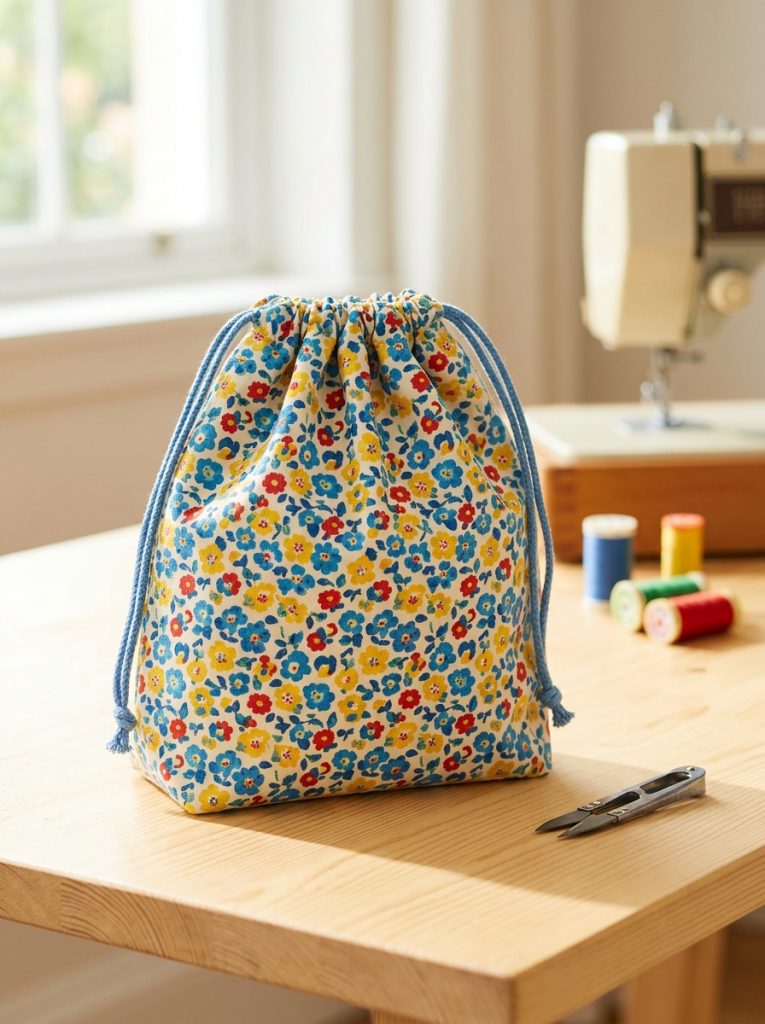
A drawstring bag using elastic rather than cord threading is one of the most immediately useful beginner sewing projects — it becomes a gym bag, a shoe bag, a gift wrap, or a produce bag depending on the size and fabric chosen. This sewing elastic band waistband works equally well for drawstring bags as for the waistbands it is primarily designed for. The key technique — creating a casing channel and threading elastic through it — is the same technique used in skirts, pyjamas, and shorts, making this bag genuinely valuable as a skill-building project.
Materials Needed:
- Cotton fabric cut to rectangle
- Elastic band in appropriate width
- Safety pin for threading elastic
- Sewing machine or needle and thread
How to Make It:
- Cut a rectangle of fabric to twice the desired bag depth plus seam allowance.
- Fold right sides together and stitch the two side seams leaving the top open.
- Fold the top edge down twice to create a casing channel wide enough for the elastic.
- Stitch the casing channel closed leaving a small gap for threading the elastic.
- Attach elastic to a safety pin and thread through the casing, overlap ends and stitch closed.
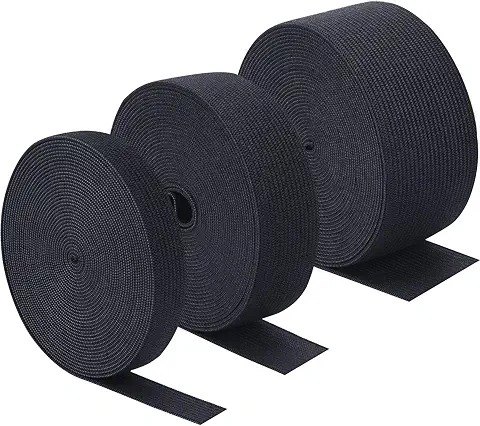
Sewing Elastic Band Waistband
Elastic band that teaches the casing threading technique used in bags, skirts, and pyjamas.
Check Price on Amazon7. Sew a Simple Tote Bag
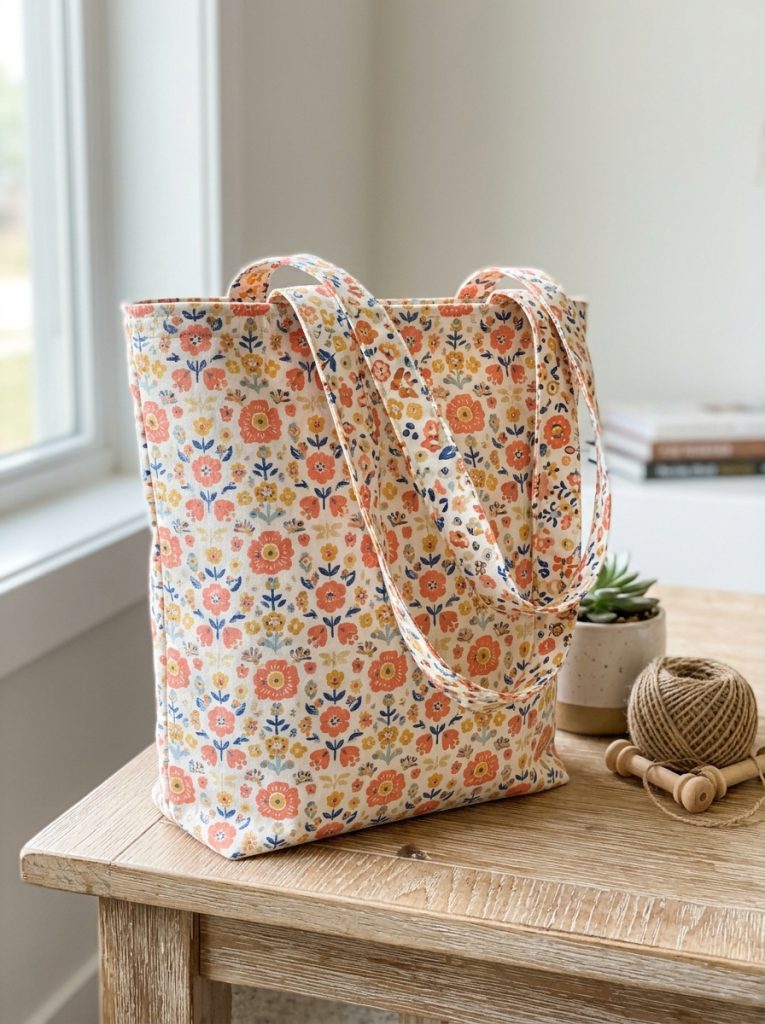
A simple tote bag is the ideal first machine sewing project because it requires only straight seams, no zippers or buttonholes, and produces a genuinely useful finished item in under an hour once the techniques are comfortable. Cut two rectangles of fabric, sew three sides, add two handles from fabric strips or purchased webbing, and the tote is complete. The simplicity of a basic tote makes it an excellent project for kids learning to sew as their first machine project.
8. Make a Simple Pillowcase
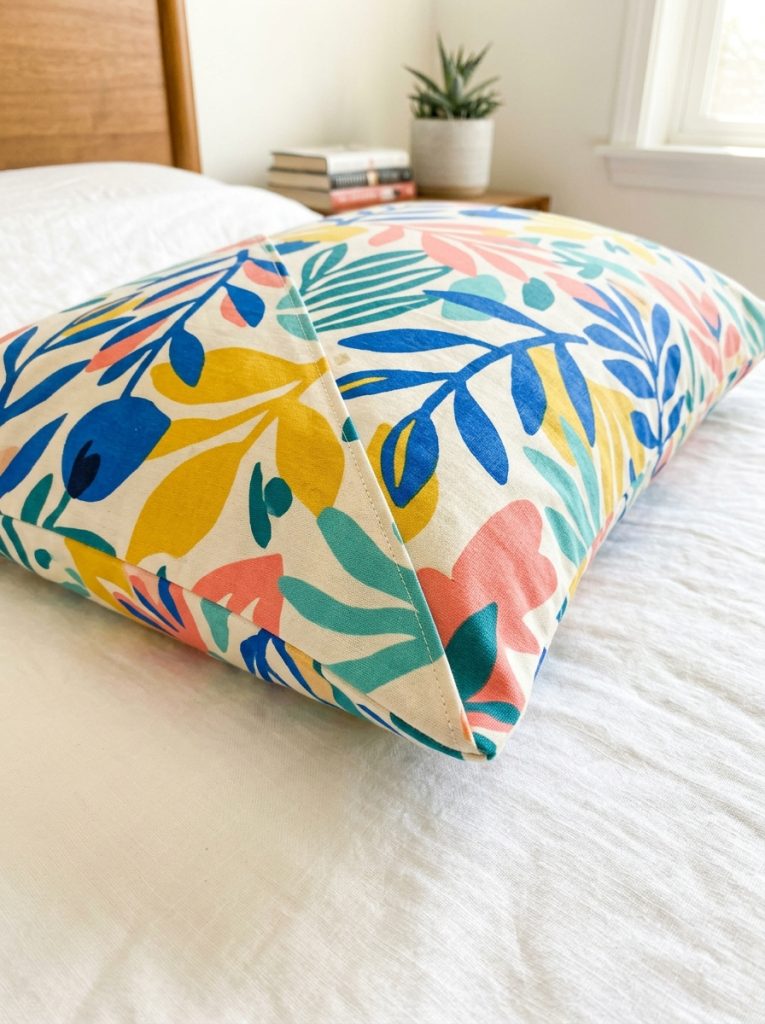
A pillowcase is arguably the most useful beginner sewing project because every bed uses them and the construction is genuinely simple — two rectangles of fabric, three seams, and a hem. The envelope pillowcase style eliminates the need for any closure at all by using an overlapping fabric fold at the opening end, making it even simpler than a standard pillowcase. Choose a fun fabric print that would be expensive to buy as a finished pillowcase and the handmade version suddenly feels like a genuine saving.
9. Sew a Stuffed Animal for Kids
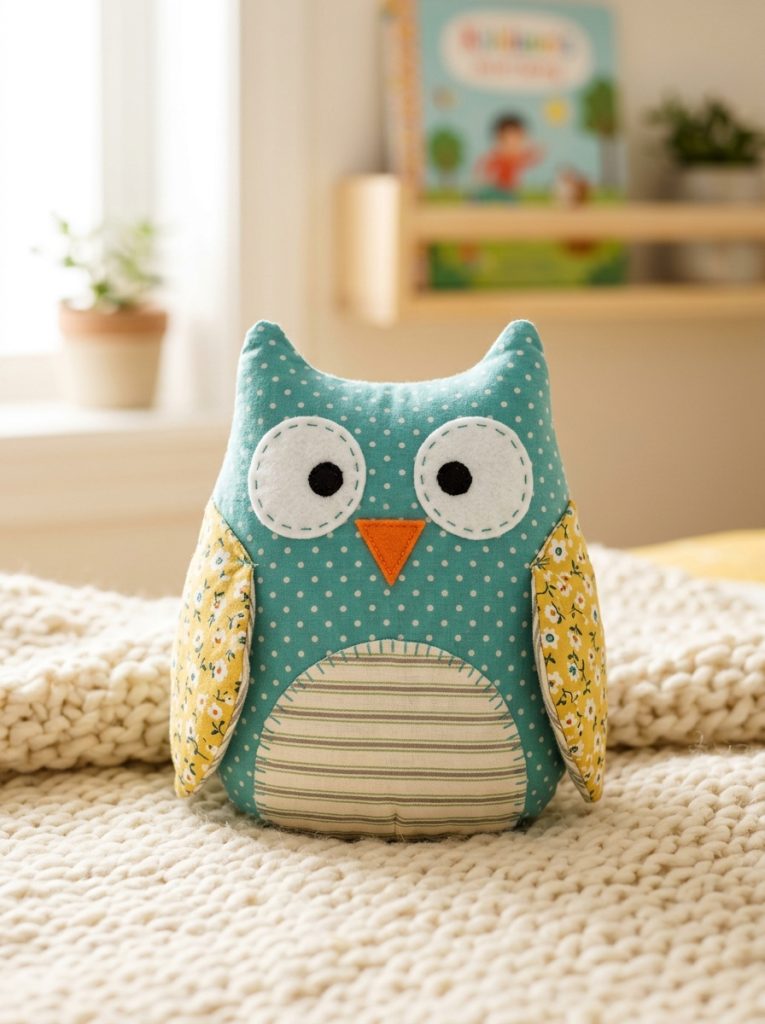
A simple stuffed animal cut from two identical fabric pieces, sewn around the perimeter, and stuffed through a small opening is one of the most satisfying beginner sewing projects because the finished item is genuinely charming regardless of small imperfections in the stitching. Choose a simple animal silhouette — a bear, a bunny, or a whale — trace it twice, sew right sides together leaving a stuffing gap, clip the curves, turn right side out, stuff, and hand-stitch the opening closed. For more kids craft ideas check out these outdoor crafts for kids.
10. Sew Simple Beginner Clothes
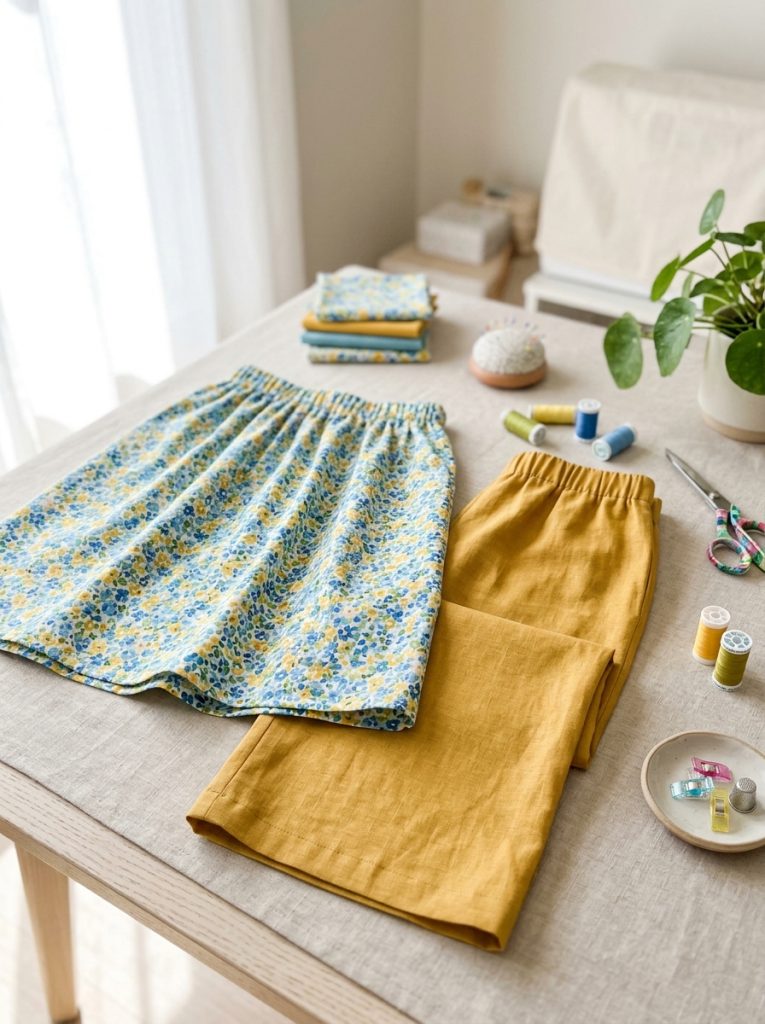
Simple beginner clothes use the same elastic casing technique learned on the drawstring bag at a larger scale — an elastic waist skirt is essentially a wide rectangle of fabric with a hem and a casing, and wide-leg elastic waist pants add only one more seam. These first clothing projects produce genuinely wearable garments that look intentional rather than homemade when made in a quality fabric and finished with a neat hem. The confidence from a successful wearable item is what typically takes a beginner sewer from occasional craft projects to regular making.
11. Create a Fabric Gift Pouch to Sell
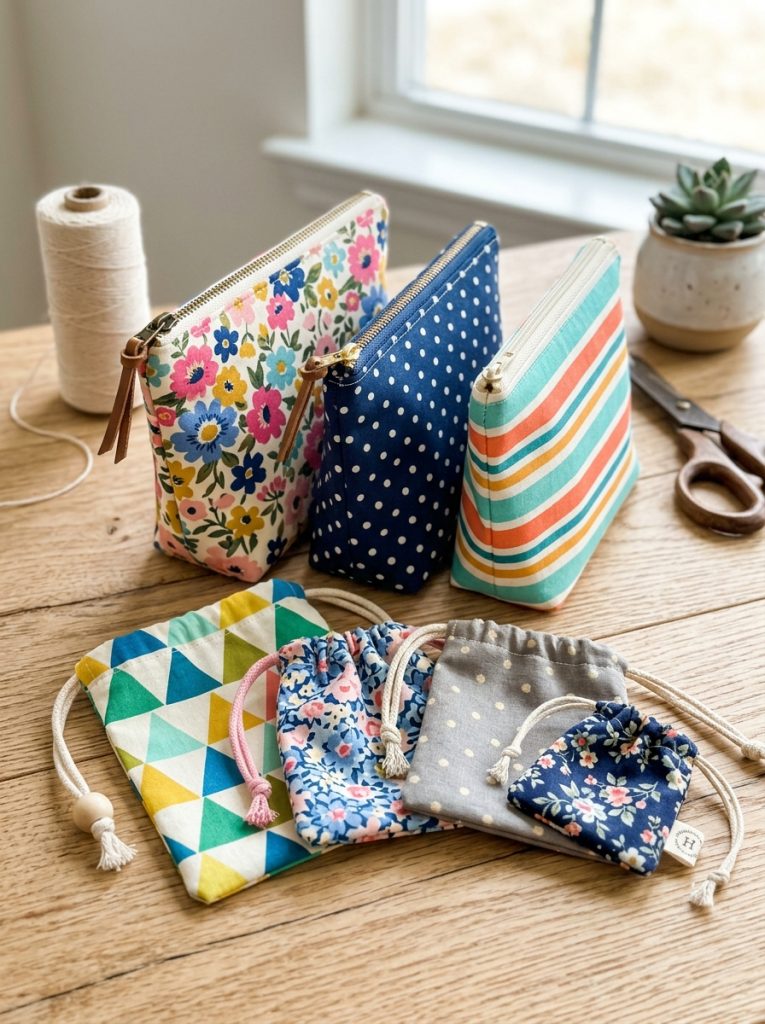
Small fabric pouches are one of the most popular handmade items to sell at craft markets and online because they are inexpensive to make, quick to produce, and genuinely useful as makeup bags, pencil cases, or gift packaging. A zippered pouch adds a zipper as the one new technique beyond the skills already learned on the tote bag, and once the zipper installation is comfortable the same technique applies to clutch bags, toiletry pouches, and phone cases.
12. Sew Christmas Gifts for Kids
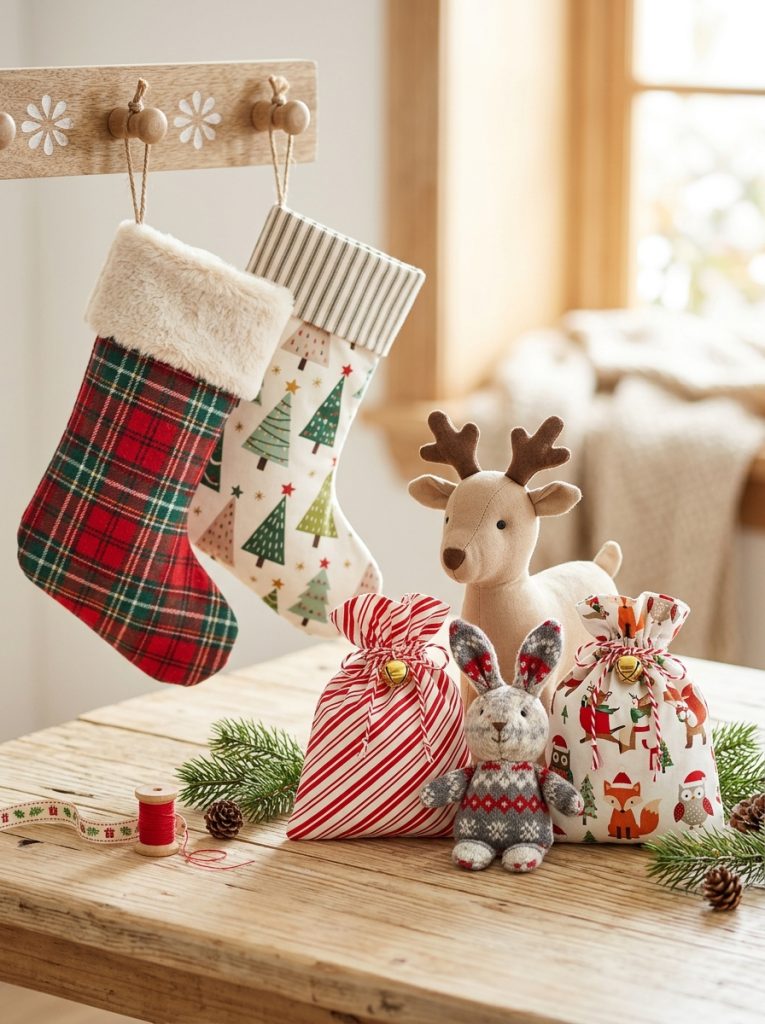
Christmas is the most motivating deadline for beginner sewers because the gift-giving context provides both purpose and a firm completion date. Simple Christmas projects like fabric stockings, felt ornaments, stuffed holiday characters, and drawstring gift bags all use beginner techniques and produce genuinely charming handmade gifts that feel more thoughtful than purchased alternatives. Start any Christmas sewing projects in October so there is enough time to practice techniques on samples before the final gift versions.
13. Make a Simple Pincushion
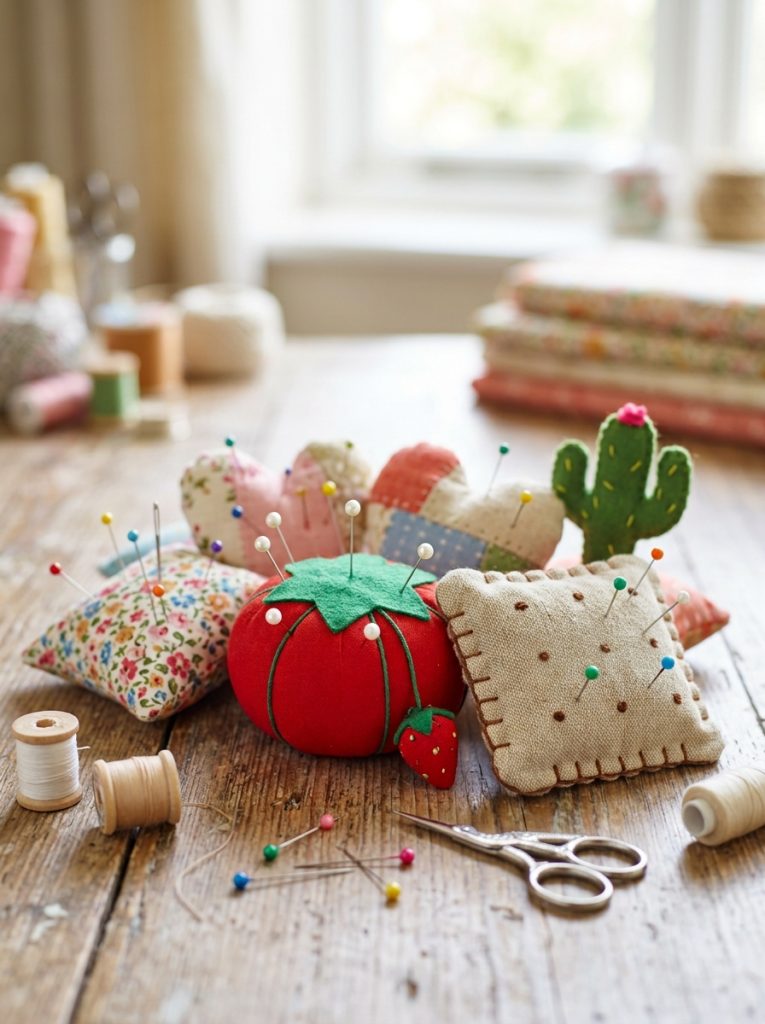
A pincushion is the most classic introductory sewing project for good reason — it requires only hand sewing, uses only a small piece of fabric, and produces something genuinely useful for the sewing kit. The traditional tomato shape uses a circular piece of fabric gathered around a ball of stuffing and tied off at the bottom with a hanging cord of smaller decorative ball. The finished pincushion takes under thirty minutes and makes an excellent first gift for someone else who sews.
14. Sew a Simple Headband or Hair Accessory
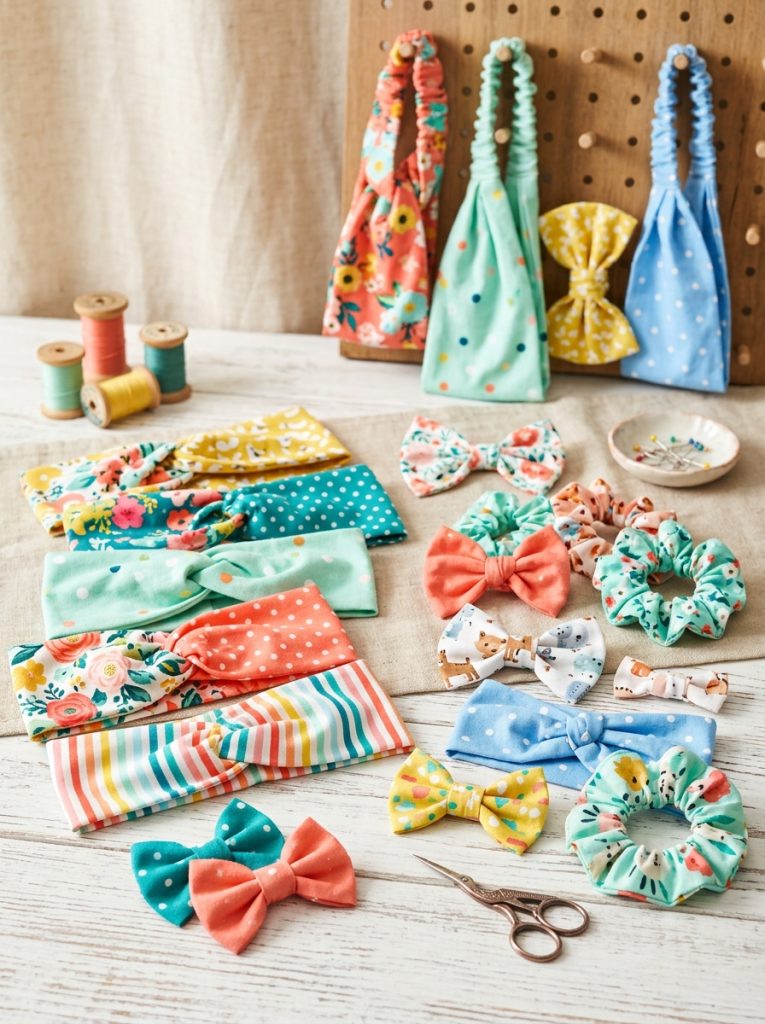
Fabric headbands and scrunchies are among the fastest and most satisfying beginner sewing projects — a scrunchie uses only a rectangle of fabric and elastic and takes under fifteen minutes to complete once the technique is learned. The very short project time means mistakes can be immediately corrected with a fresh attempt without significant wasted time or fabric, which makes these accessories perfect for teaching kids and teens to sew since the feedback loop between attempt and result is almost instant.
15. Sew a Simple Apron
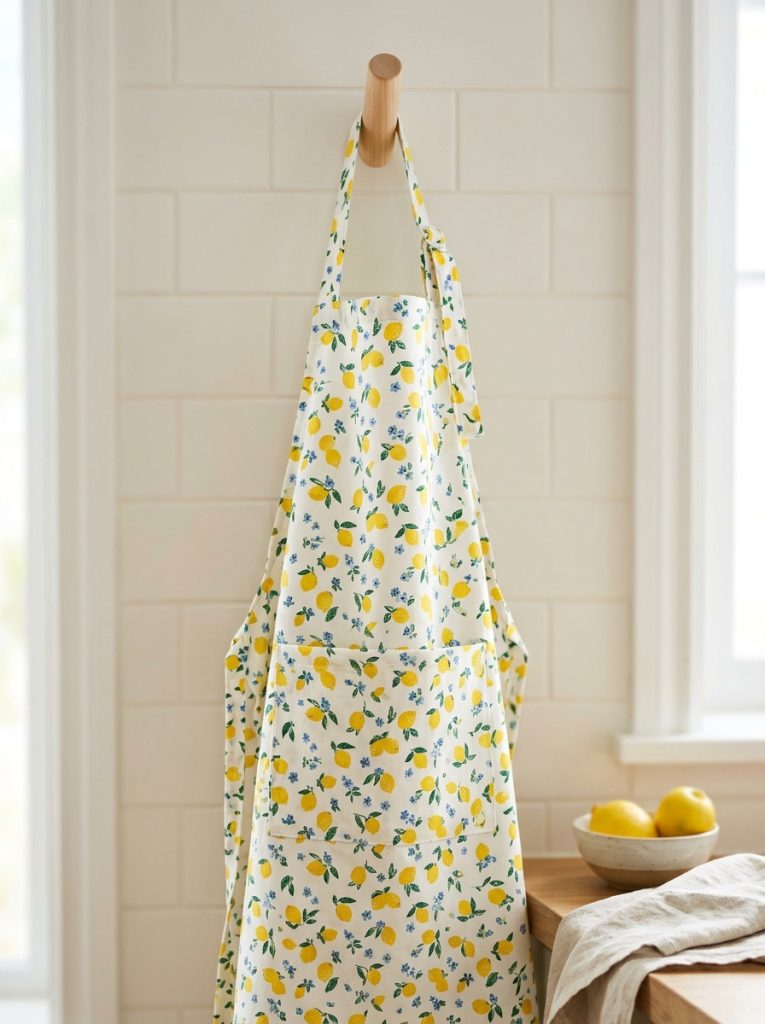
A simple apron is one of the most practical sewing projects a beginner can complete — it uses only straight seams, introduces the concept of finishing raw edges, and adds a pocket as an optional technique that builds directly toward more complex garment pockets. The long tie ends give practice in sewing long narrow fabric tubes which is the same technique used for bag straps, belt loops, and drawstring cords. An apron also makes a genuinely appreciated gift that suits people of every age from children helping in the kitchen to adults who cook seriously. For more creative gift ideas check out these DIY cupcake stand ideas.
Final Thoughts on Simple Sewing Projects
The most important thing about a first sewing project is finishing it — a completed simple project teaches more than a half-finished ambitious one, and the confidence from holding something genuinely made builds the momentum for the next project and the one after that. Start with a tote bag or a pillowcase, make several until the seams are straight and the pressing is consistent, and every more ambitious project on this list becomes genuinely achievable from there.


Amir Ali is the founder and site administrator of HomeDecorEdge, a modern home decor and interior design platform. Since starting the site, he has combined his passion for interior design, practical styling, and color coordination with hands-on content strategy and site management. He guides authors, curates high-quality articles, and ensures readers have access to actionable, visually inspiring, and user-focused home decor advice for apartments, small rooms, and family homes.